
Quantization Noise Masking of Flicker Floor Transition in High Decimation Filters
High decimation filters reduce white noise below the flicker corner, allowing output bit truncation to obscure real 1/f noise floor transitions.
High decimation filters reduce white noise below the flicker corner, allowing output bit truncation to obscure real 1/f noise floor transitions.
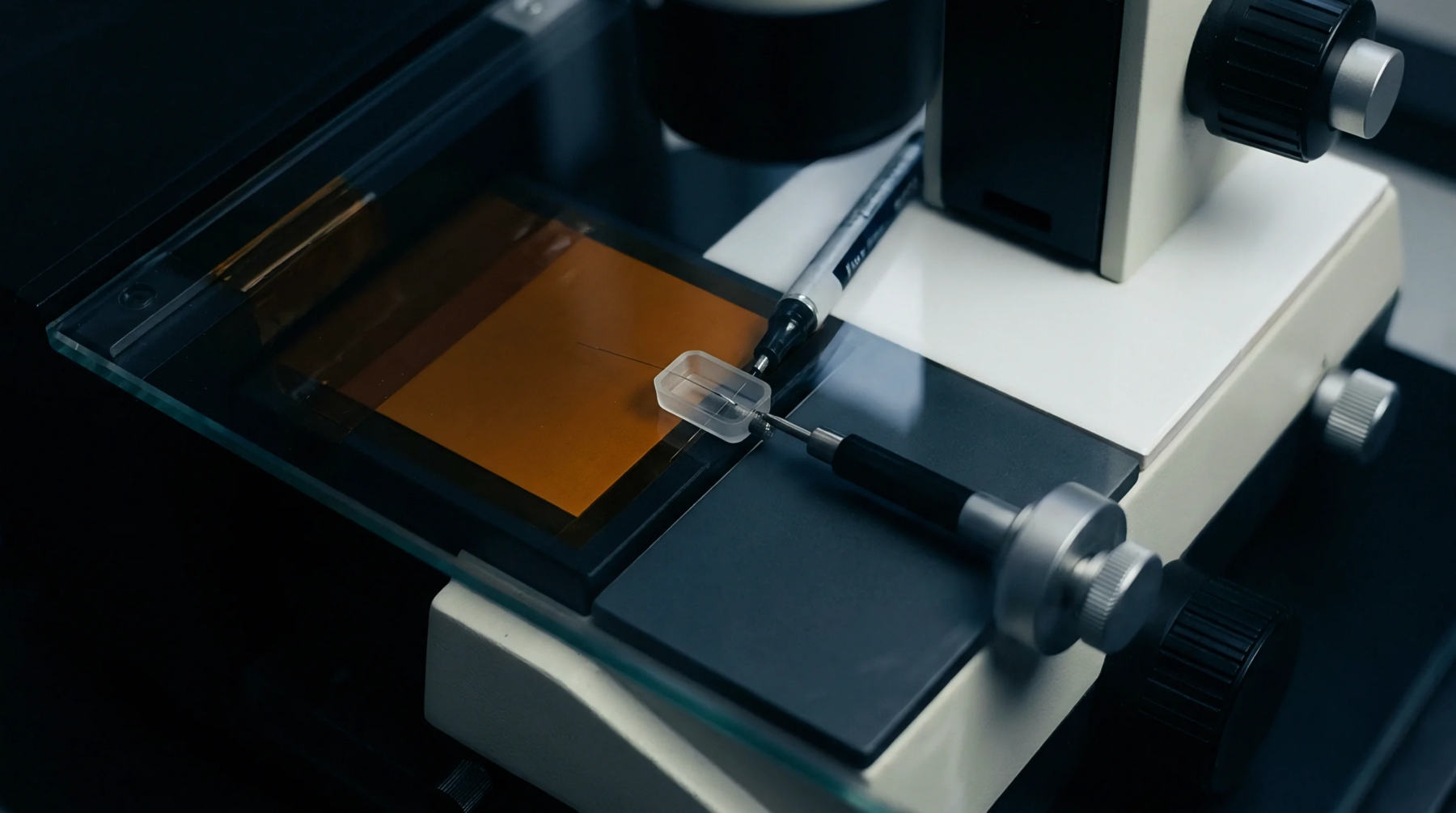
Allan deviation plots log-log noise slopes to locate the exact averaging window where delta-sigma converter drift overtakes white-noise decimation filtering.
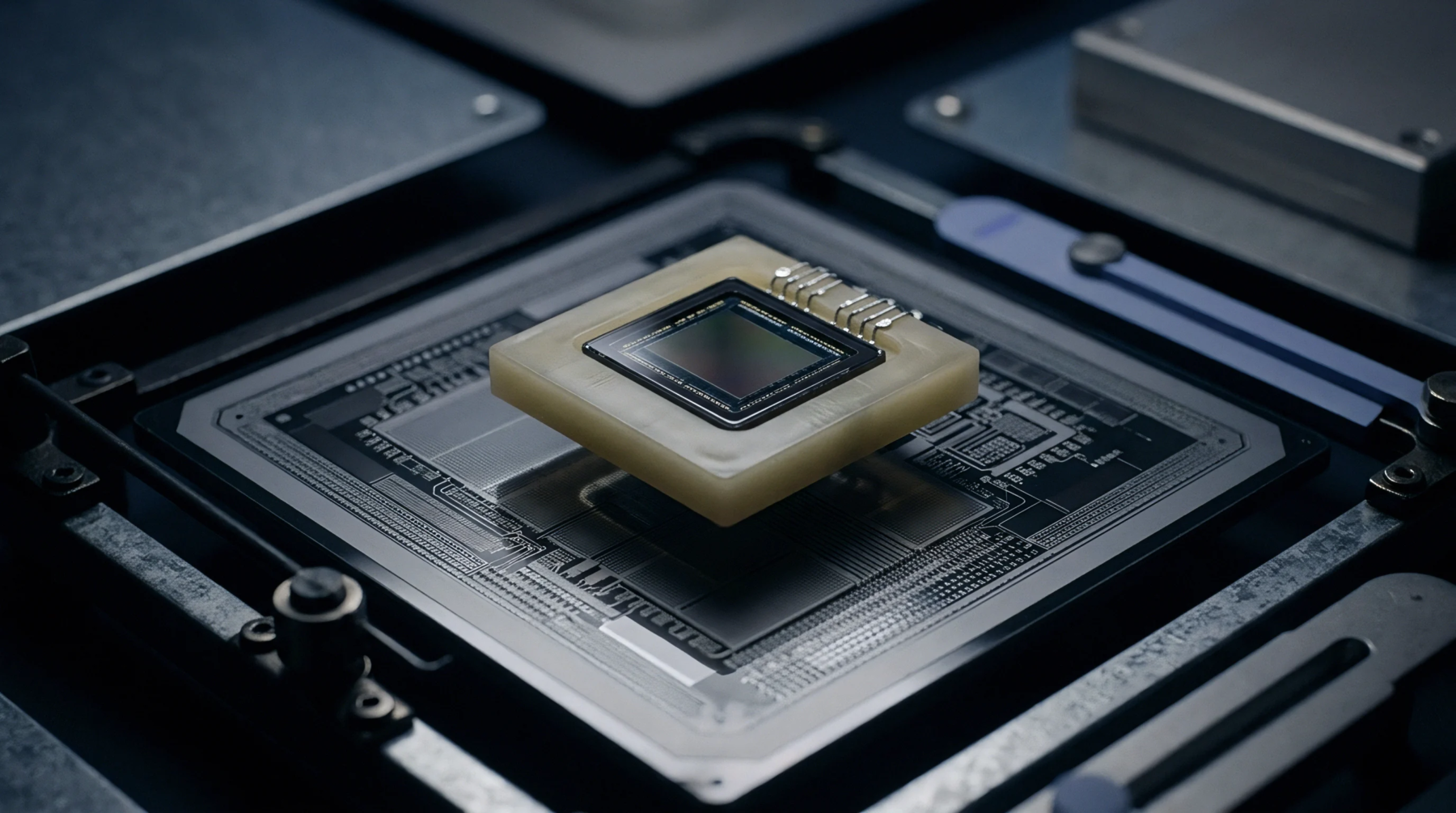
Mitigating sub-micro-g thermal hysteresis requires balanced differential resonator topologies, low-creep eutectic die bonding, and wafer-level thermal RC filtering.

Polymer die attach relaxation decays mounting stress into silicon frames, causing sub-nanometer anchor warpage that shifts precision accelerometer bias.
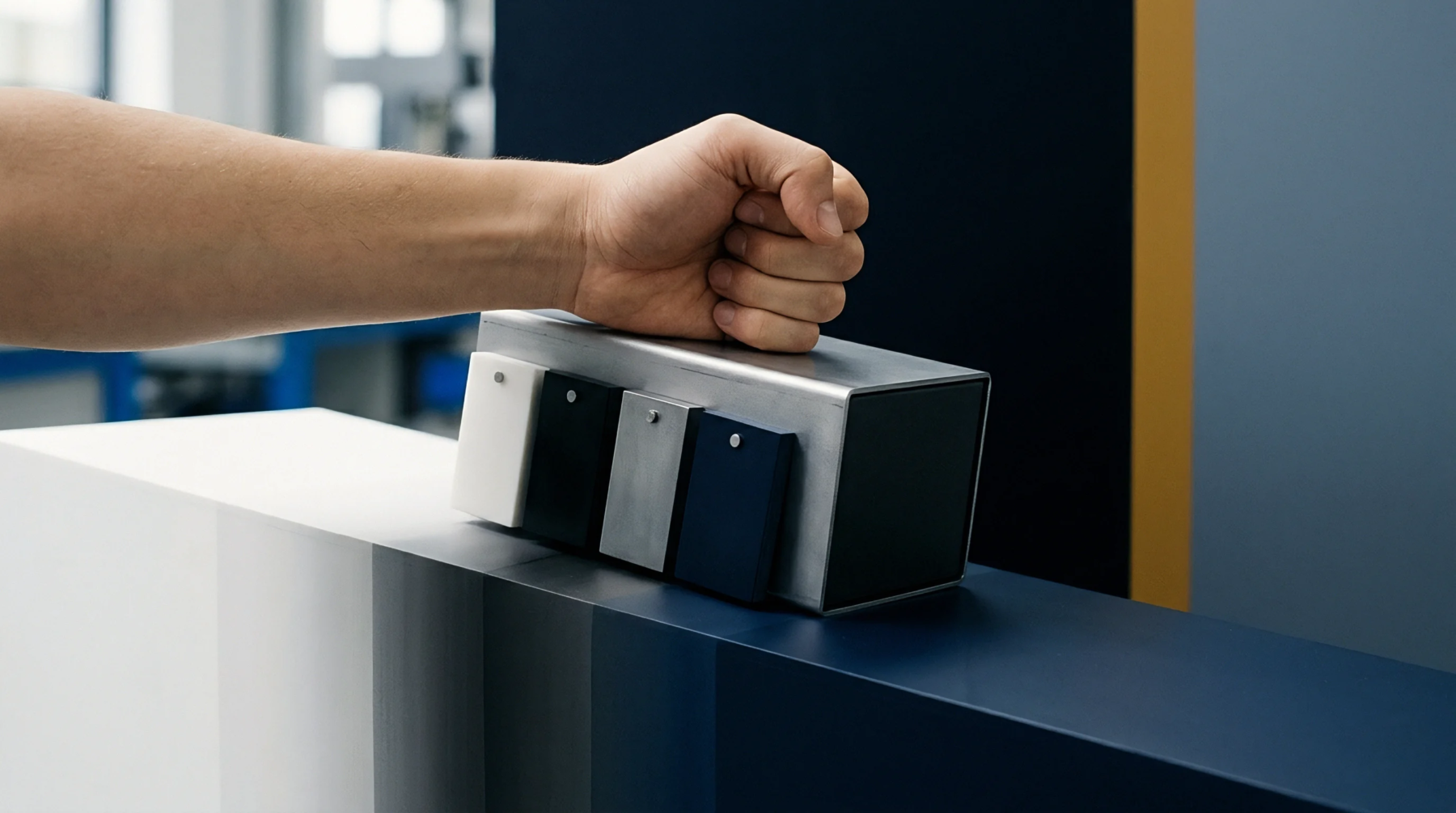
Allan variance parameters translate into discrete Kalman covariance matrices by integrating continuous spectral densities scaled by sample interval durations.

Closed-loop inertial noise extraction isolates actuator drive noise, quantization limits, and thermal flicker through overlapping Allan variance integration bins.

Viscoelastic interfacial relaxation across silicon resonator anchors alters structural stress, inducing predictable long-term frequency drift and Q degradation.
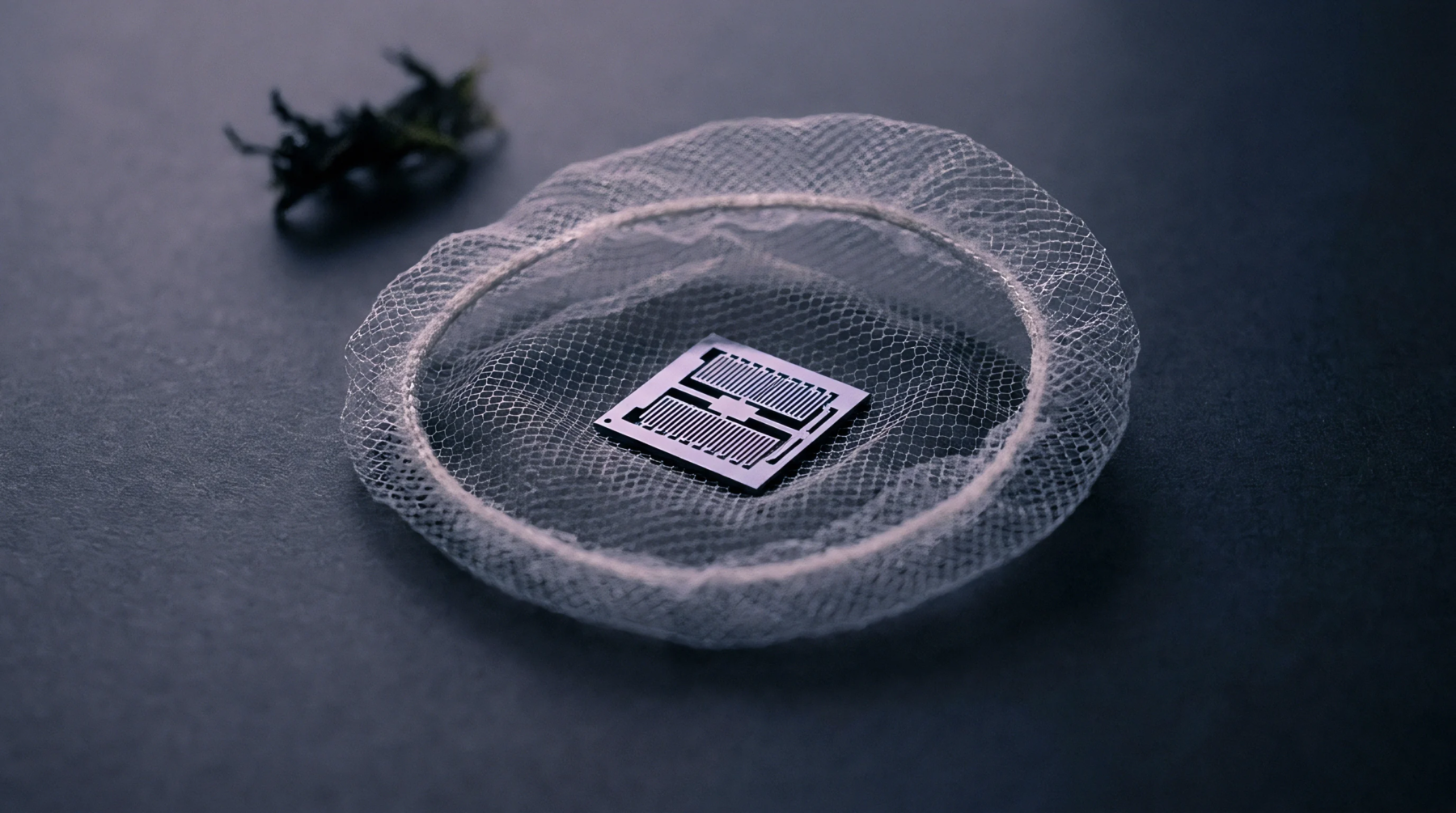
Real-time Prony series filters model structural MEMS relaxation as discrete state poles to strip low-frequency drift before velocity integration.

Active thermoelectric equalization cancels multi-axis sensor drift by actively eliminating spatial substrate gradients before packaging stress deforms the sensing die.

Polymer package modulus drops and thermal expansion jumps across glass transition destabilize MEMS gyroscope anchors, producing uncompensated zero rate bias.
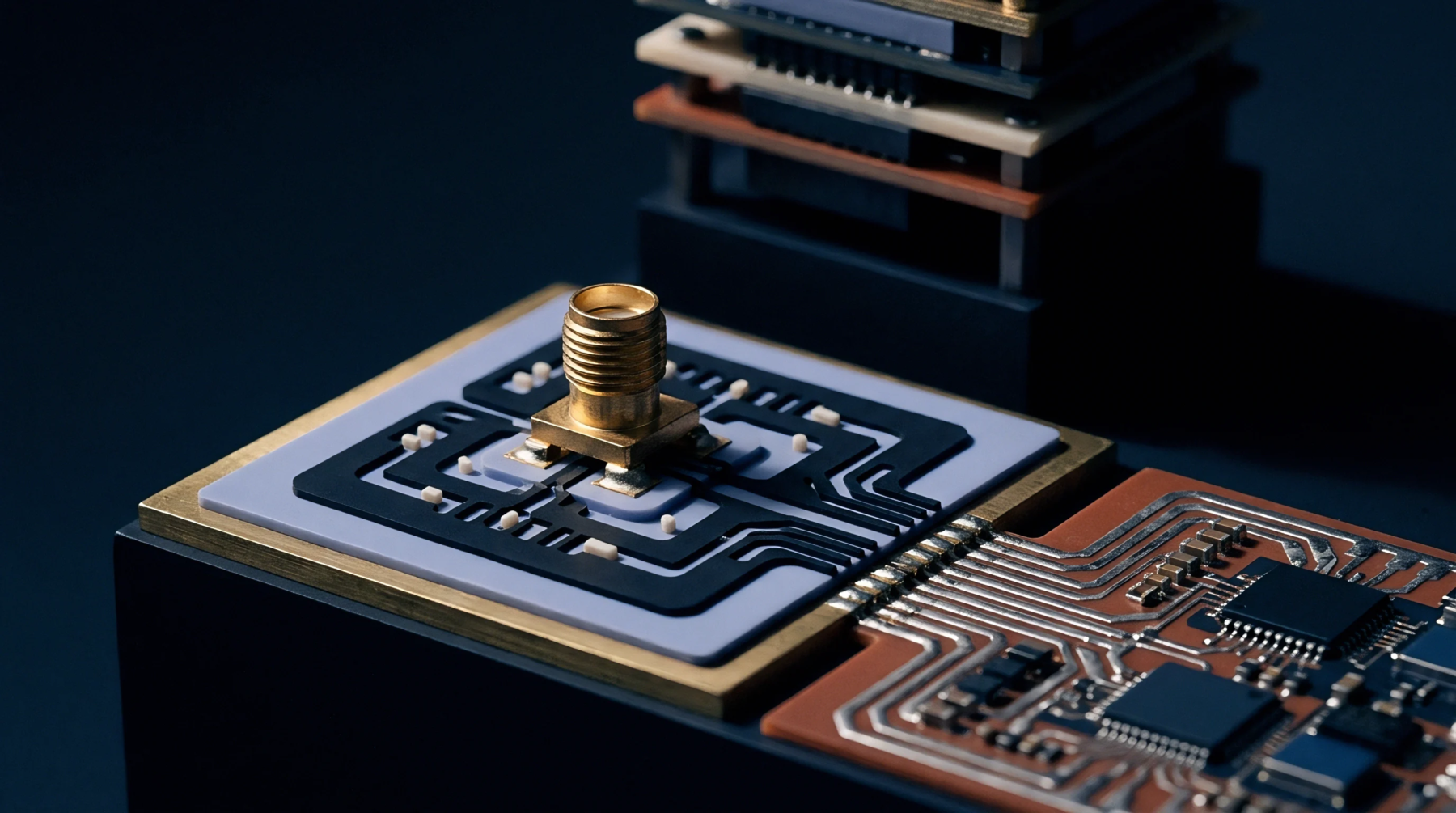
On-chip thermal state estimators eliminate MEMS gyro dynamic bias drift by using drive resonance to calculate mass temperature in real time.

Select low-modulus addition-cure silicones with sub-minus 100 Celsius glass transitions to decouple thermal stress from quadrupolar gyroscope fiber coils.
Extracting Allan deviation noise parameters demands fitting logarithmic asymptote slopes across discrete cluster time intervals under steady thermal conditions.
Decimation filtering shifts white noise boundaries without suppressing flicker frequency floors, requiring exact register bit sizing to prevent truncation noise.
Viscoelastic relaxation in polymer die attach causes time-dependent strain transfer to MEMS proof masses, driving long-term zero-g offset drift.
Wafer-level packaging stress relaxation induces anisoelastic stiffness drift and quadrature leakage, requiring stabilization annealing to hold tactical bias limits.
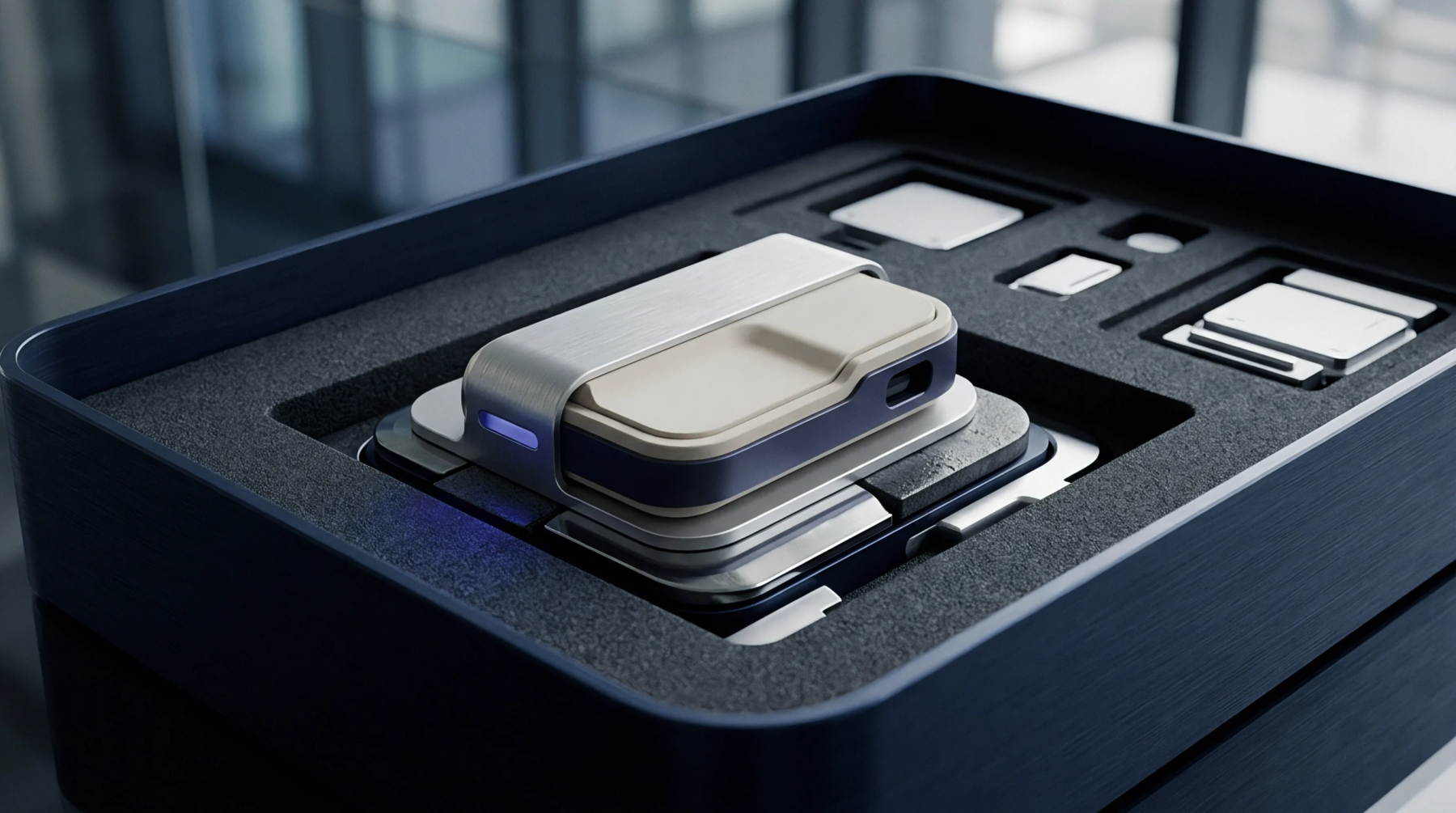
Real-time state-space thermal observers reconstruct unmeasured internal temperature gradients to eliminate dynamic bias drift in tactical MEMS IMU firmware.

Dual sourcing low tier commercial sensors demands matching ASIC DSP group delays and thermal offset drift profiles to prevent host control loop instability.

Quantify gyro noise coefficients by fitting specific logarithmic slope asymptotes to overlapped Allan deviation curves gathered in thermally stabilized static rigs.

Allan Variance bias stability metrics directly determine discrete Kalman process noise matrix entries to prevent filter divergence under non-stationary drift.

Square the quotient of specified noise density over target resolution to establish the equivalent noise bandwidth required for averaging filter design.
Expertise is a utility, not a secret. sentiention™ publishes its working knowledge as open reference: intelligence layer covering the materials it sources, the markets it enters, and the reference that serves both.