Mechanical Strain
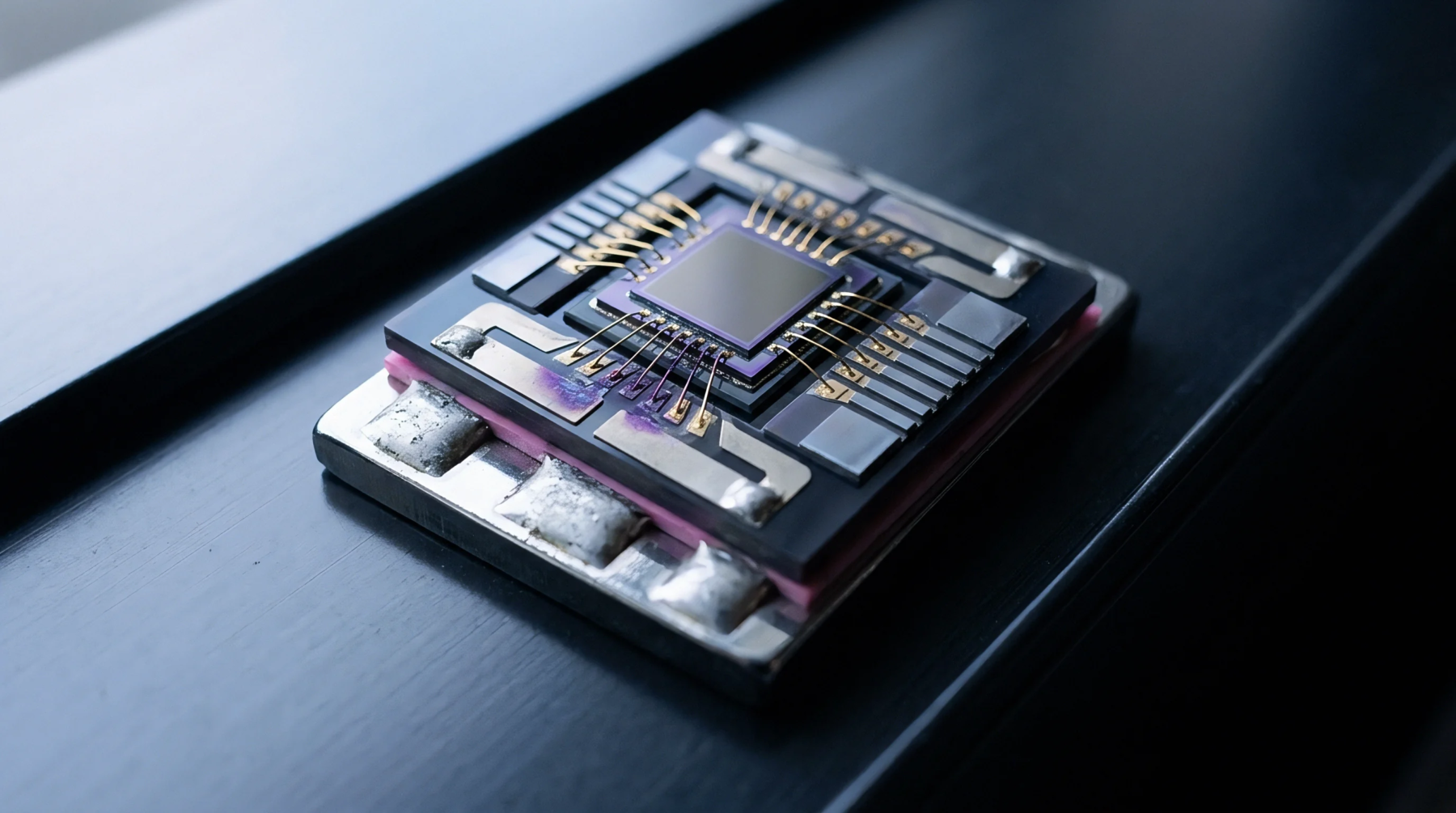
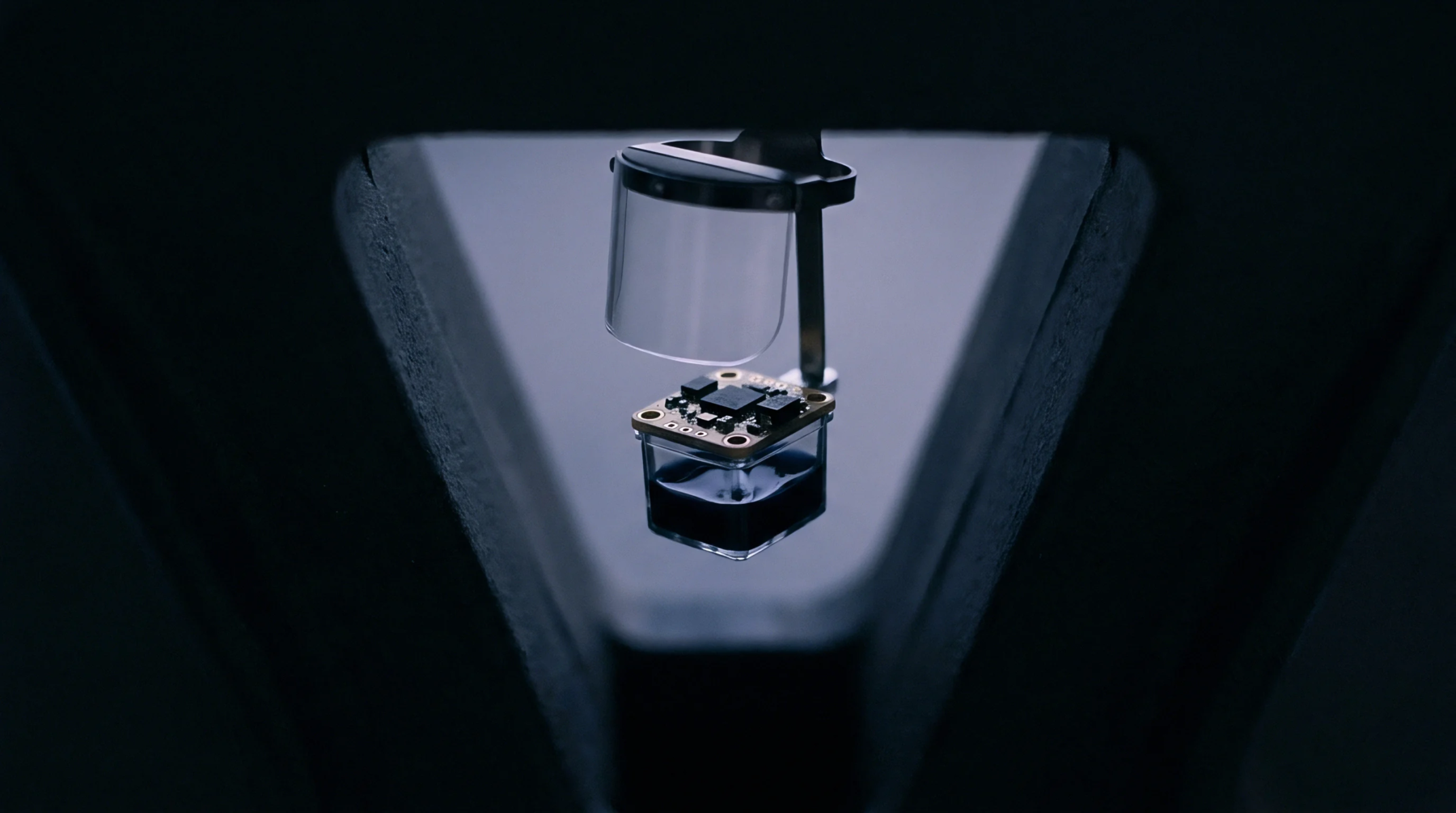
Internal elastic stress fields develop within multi-material sensor packages due to thermal expansion coefficient mismatches and volumetric cure shrinkage. The term residual stress describes the self-balancing internal mechanical force remaining within potted assemblies after manufacturing, thermal cycling, or chemical curing. Piezoresistive stress sensors embedded directly on silicon dies measure these internal forces by recording changes in electrical resistance caused by crystallographic lattice deformation.
High internal stresses shift sensor output baselines, induce thermal hysteresis, and promote package delamination or micro-cracking. Processing controls, low-shrinkage resins, and controlled cooling ramps minimize these internal forces during assembly.
Mismatch Genesis
Differential contraction between silicon chips, copper lead frames, and epoxy mold compounds generates tensile and compressive stress zones. Thermal excursion from molding temperature down to room temperature locks in mechanical strain proportional to the thermal expansion delta.
Stress Measurement
X-ray diffraction and piezoresistive test structures provide non-destructive metrological tools to quantify internal mechanical forces within packaged micro-systems. Finite element simulations model stress distribution, requiring verified elastic moduli, Poisson ratios, and thermal expansion coefficients across operating temperatures. Cure shrinkage of potting resins contributes up to thirty percent of final room-temperature internal force, separate from thermal expansion mismatches.
Viscoelastic relaxation reduces internal stress levels over extended dwell periods above the glass transition temperature. Rapid quenching from high cure temperatures amplifies internal stress concentrations, increasing risk of micro-cracking or bond wire shear failure. Elevated residual mechanical forces induce zero-point calibration drift in MEMS pressure sensors, requiring post-encapsulation thermal seasoning cycles to achieve output stability.
Structural Offset
Unrelieved internal stresses cause long-term sensor drift as polymer networks slowly undergo room-temperature physical aging and stress relaxation. Extreme stress concentrations trigger delamination at material interfaces, exposing internal active electronics to corrosive ambient humidity.