
Epoxy Compound Moisture Diffusion Kinetics during Reflow
Epoxy compound moisture absorption generates critical steam pressures during lead-free reflow, demanding strict MSL dry-pack handling to prevent internal delamination.
Epoxy compound moisture absorption generates critical steam pressures during lead-free reflow, demanding strict MSL dry-pack handling to prevent internal delamination.

Sensor package choice dictates board layout tolerances, bus signal integrity, driver firmware complexity, and final landed unit economics across production volumes.

Board flexure transfers surface strain into sensor packages via shear lag mechanics, where higher standoff height and low-modulus interconnects attenuate die stress and offset drift.

Polymeric underfill modulus collapse near glass transition increases board strain attenuation while driving out-of-plane bump fatigue and sensor drift.

Interconnect parasitic shifts degrade return loss and collapse eye margins, forcing board-level copper compensation and firmware-driven equalization offsets.
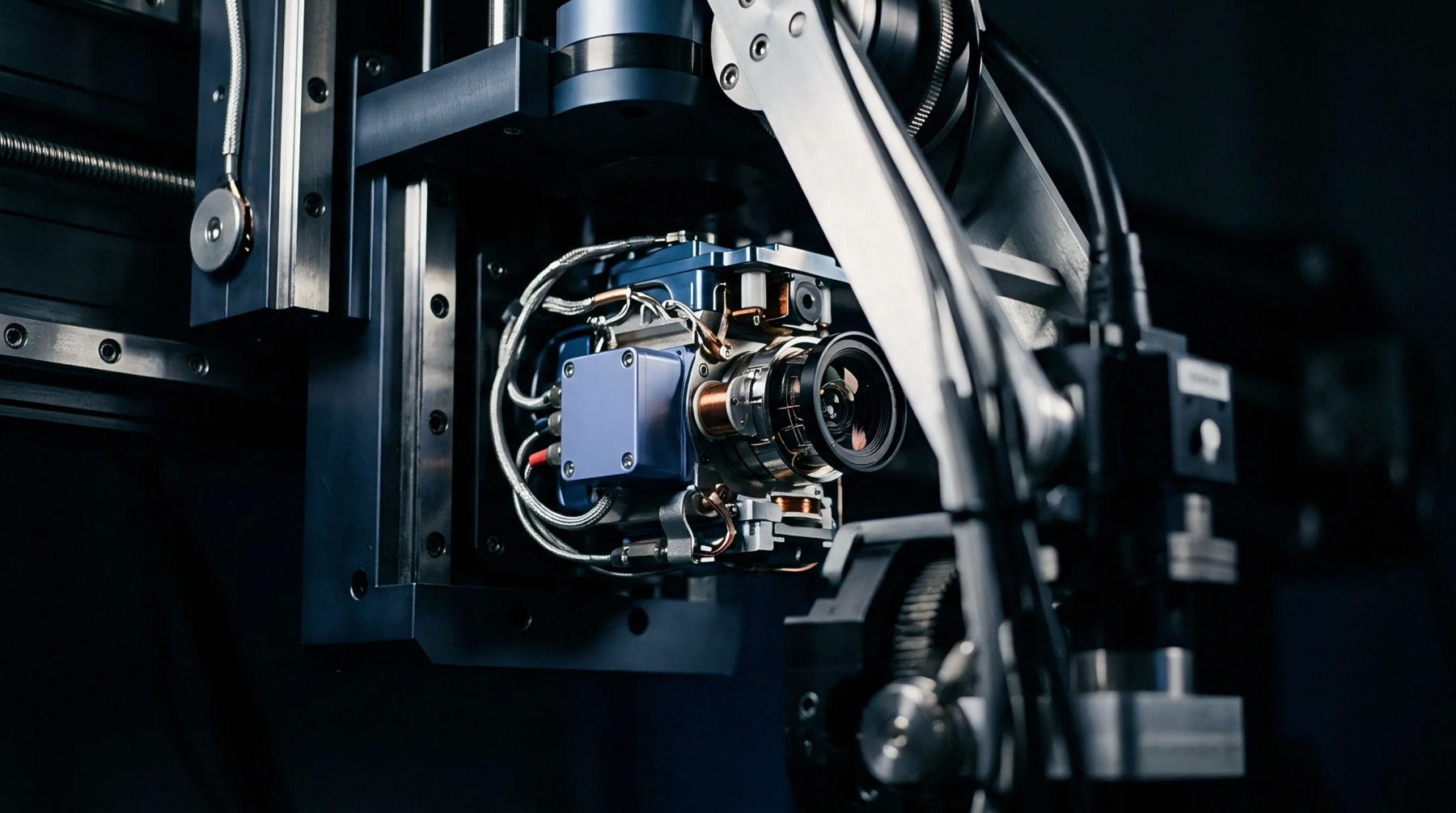
Substrate-induced thermal shear shifts dual-axis capacitive MEMS bias by altering differential electrode gaps unless isolated by compliant anchor suspensions.

Firmware abstraction layers add significant processor cycle overhead that inflates wake times and forces expensive microcontroller hardware upgrades.

MSL classification dictates component allowable atmospheric exposure prior to reflow to prevent catastrophic internal delamination and joint failure.

Calculating desorption kinetics and activation energy via multi-ramp thermal testing determines safe reflow limits and prevents package popcorning.

Extracting temperature-dependent interfacial fracture toughness along etched copper prevents reflow delamination and eliminates costly acoustic scan yield loss.
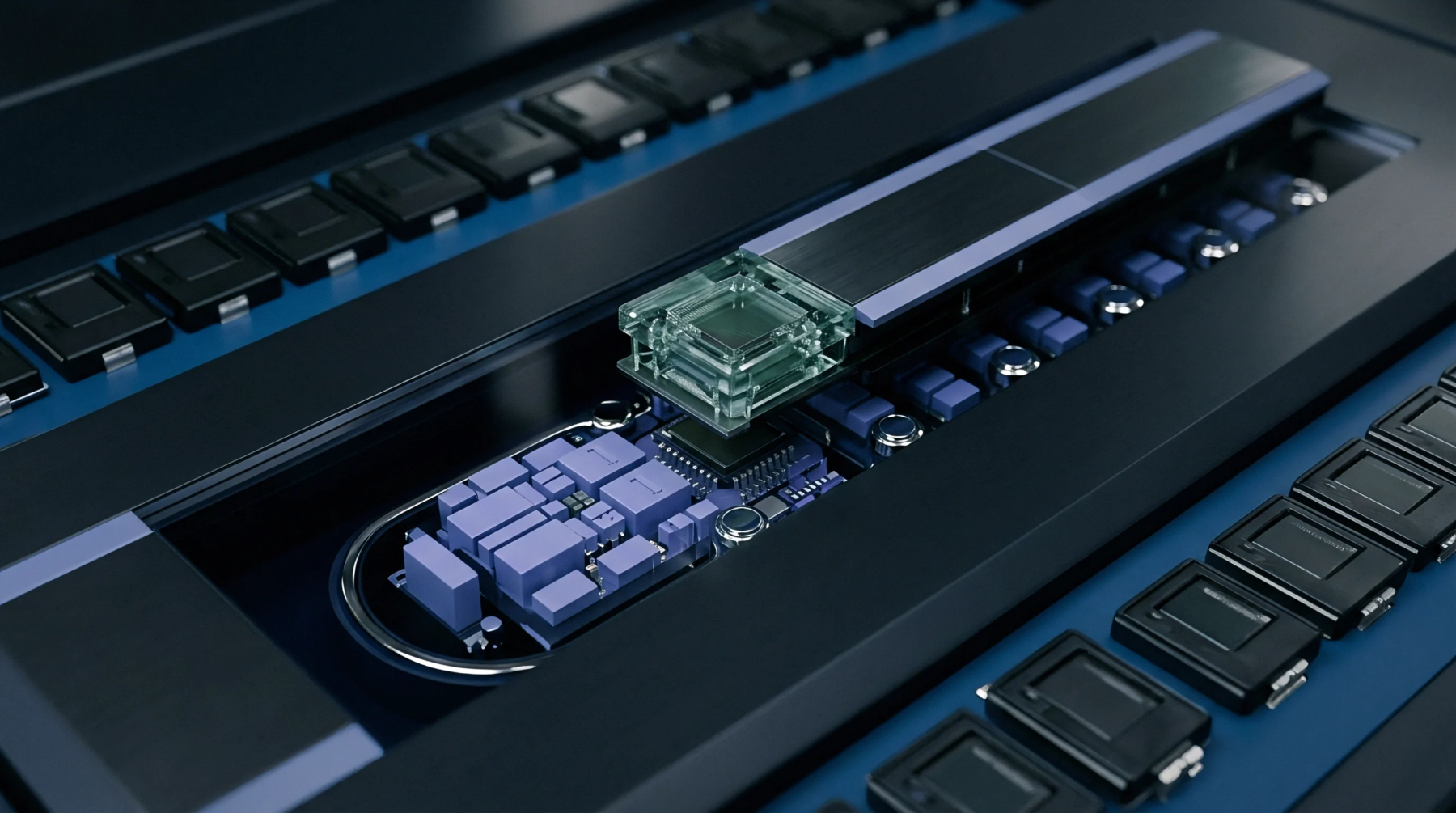
Worst case thermal expansion tolerances require arithmetic summation of material displacement and manufacturing variances to preserve solder fillet geometry.

Unpassivated wafer conversion packaging transfers mold compound reflow stresses directly into analog trim circuits, shifting factory register offsets.

Post-reflow zero-point drift stems from package-to-board thermal expansion mismatch, demanding compliant leads or post-assembly firmware calibration.

Surface mount sensor stepping verification relies on querying internal silicon revision registers over digital buses during automated board testing.

Wafer level packaging couples board assembly strain directly to MEMS suspensions, demanding mechanical anchor isolation to prevent irreversible bias drift.

JESD48B establishes six-month buy and ship windows, but MEMS packaging closures demand immediate firmware and mechanical layout audits to prevent production halts.

Ambient moisture absorption into plastic packaging drives mechanical swelling strain, inducing uncalibrated offset drift and sensitivity shifts in MEMS dies.
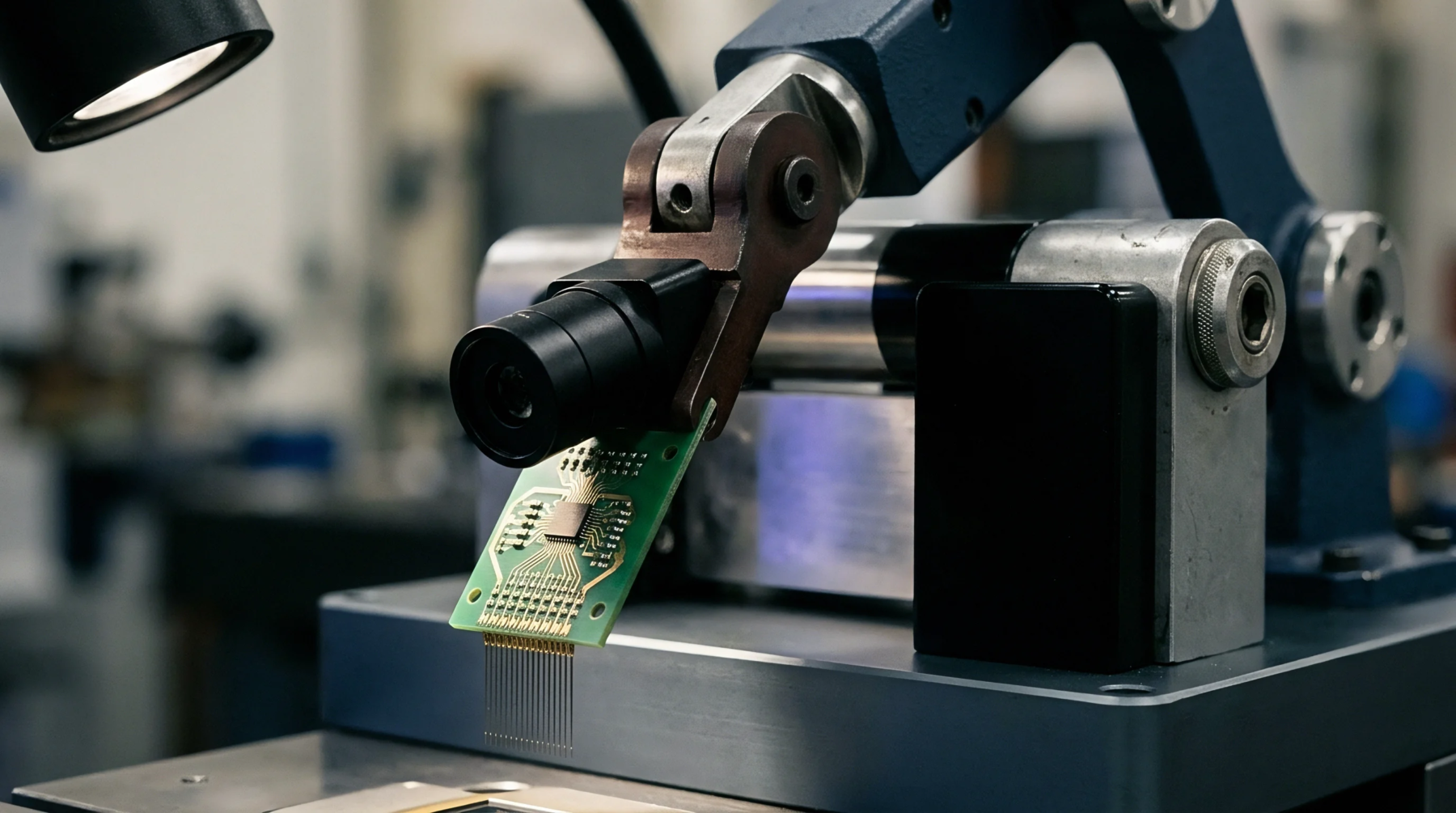
Dual-stage sorption causes unmodeled moisture retention at reflow, requiring dry-pack verification and register offset trim to prevent delamination and drift.

Dual stage Carter Kibler diffusion modeling predicts bound moisture retention and prevents catastrophic package popcorning during high temperature surface reflow.
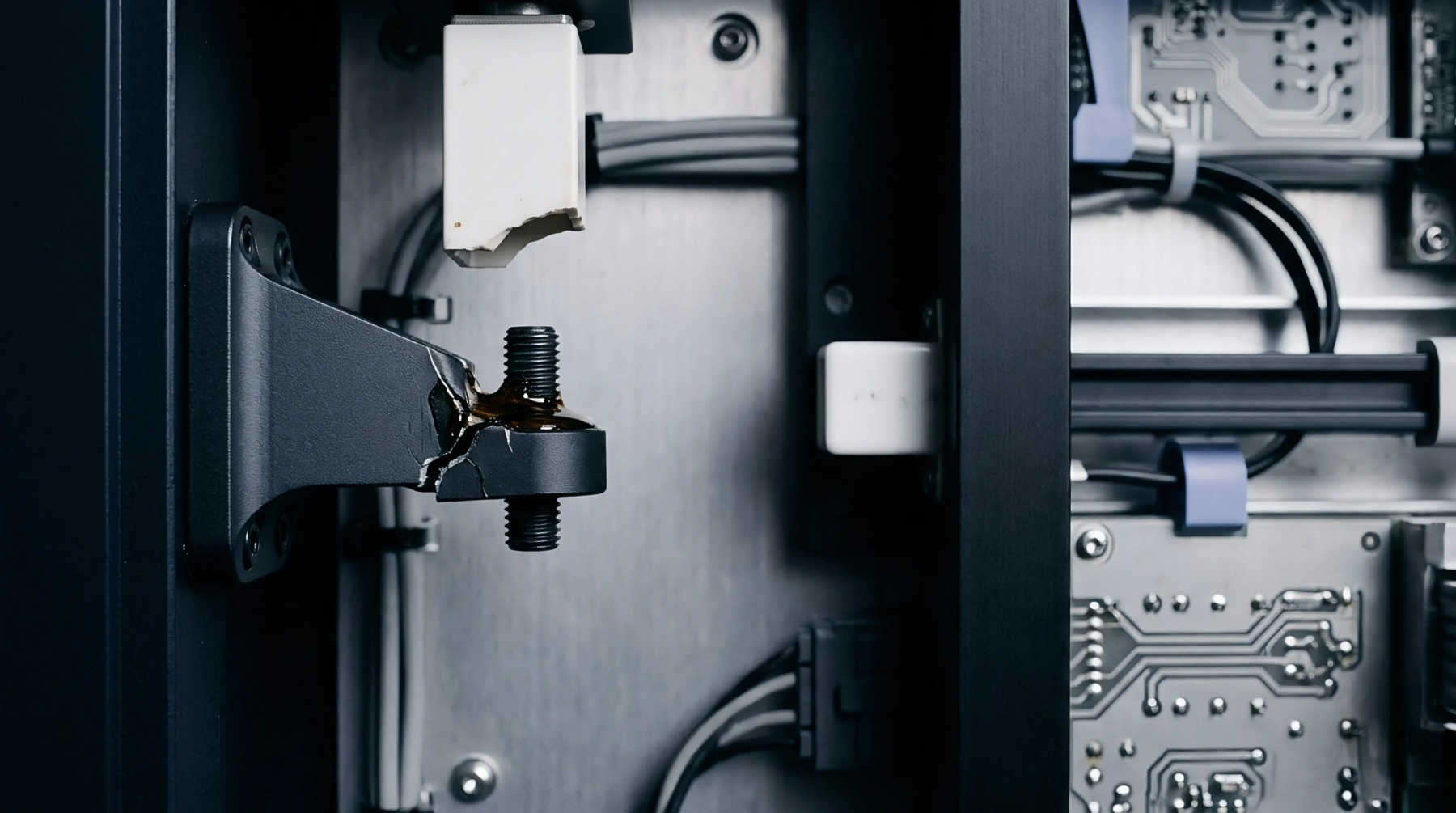
Calculate viscoelastic stress transfer by fitting multi-mode Prony series DMA data and applying Arrhenius-corrected shift factors under thermal cycling dwells.

Active bus accelerators and differential transceivers preserve signal integrity across high-capacitance sensor lines by isolating slow capacitive RC edges.
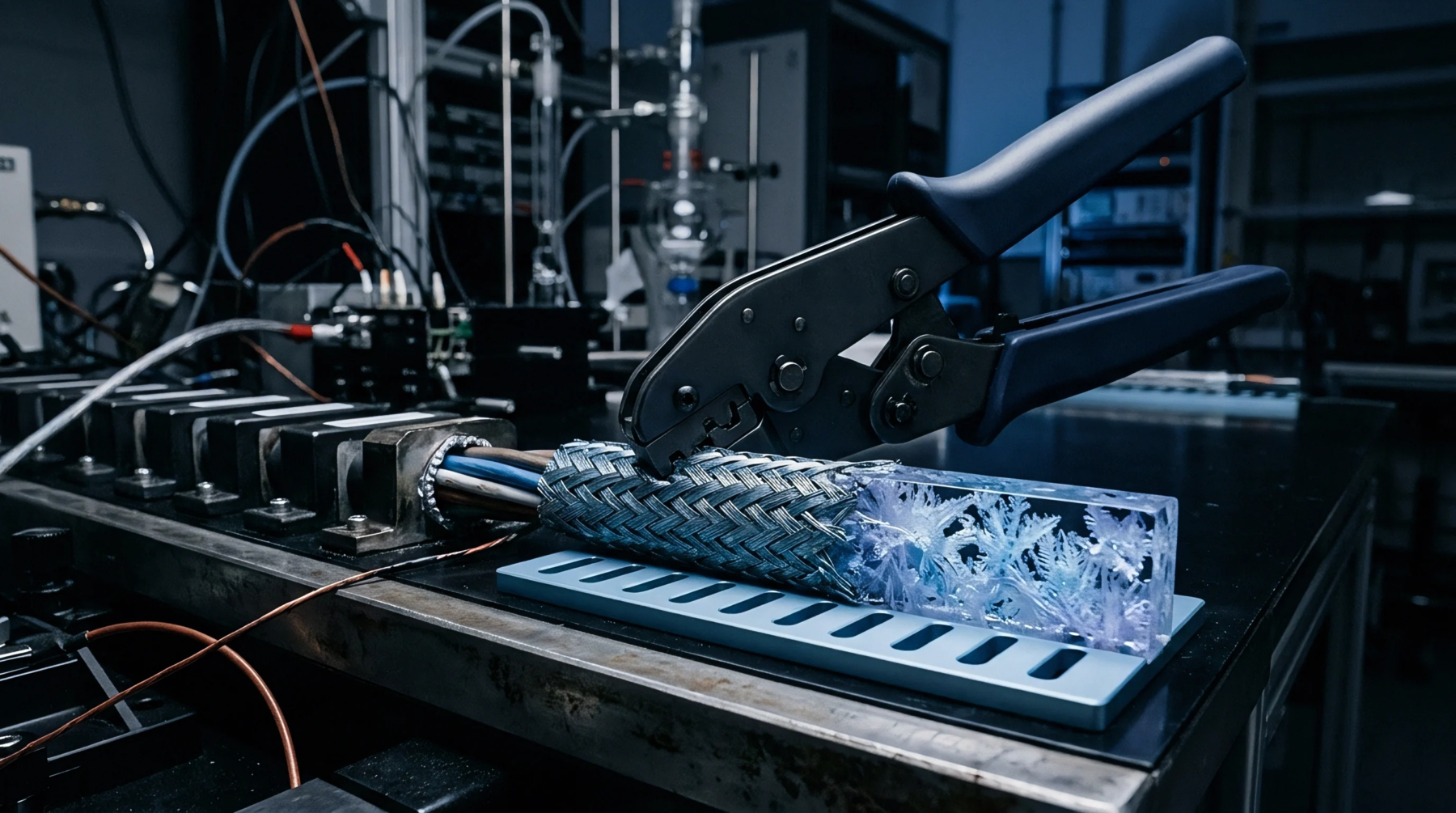
Cascade multi-tier buses by matching loaded line impedances and limiting physical stub lengths to under one-third of the signal edge transition length.

Inline JTAG IDCODE interrogation paired with optical top-mark OCR prevents unannounced silicon stepping revisions from introducing silent assembly yield failures.

Substrate viscoelastic shear relaxation drives post-reflow sensor zero-point drift, requiring high-Tg resins, strain-decoupled pads, or host software recalibration.

Multiaxial viscoplastic solder creep models predict package fatigue life by integrating rate dependent strain components under dynamic thermal gradients.
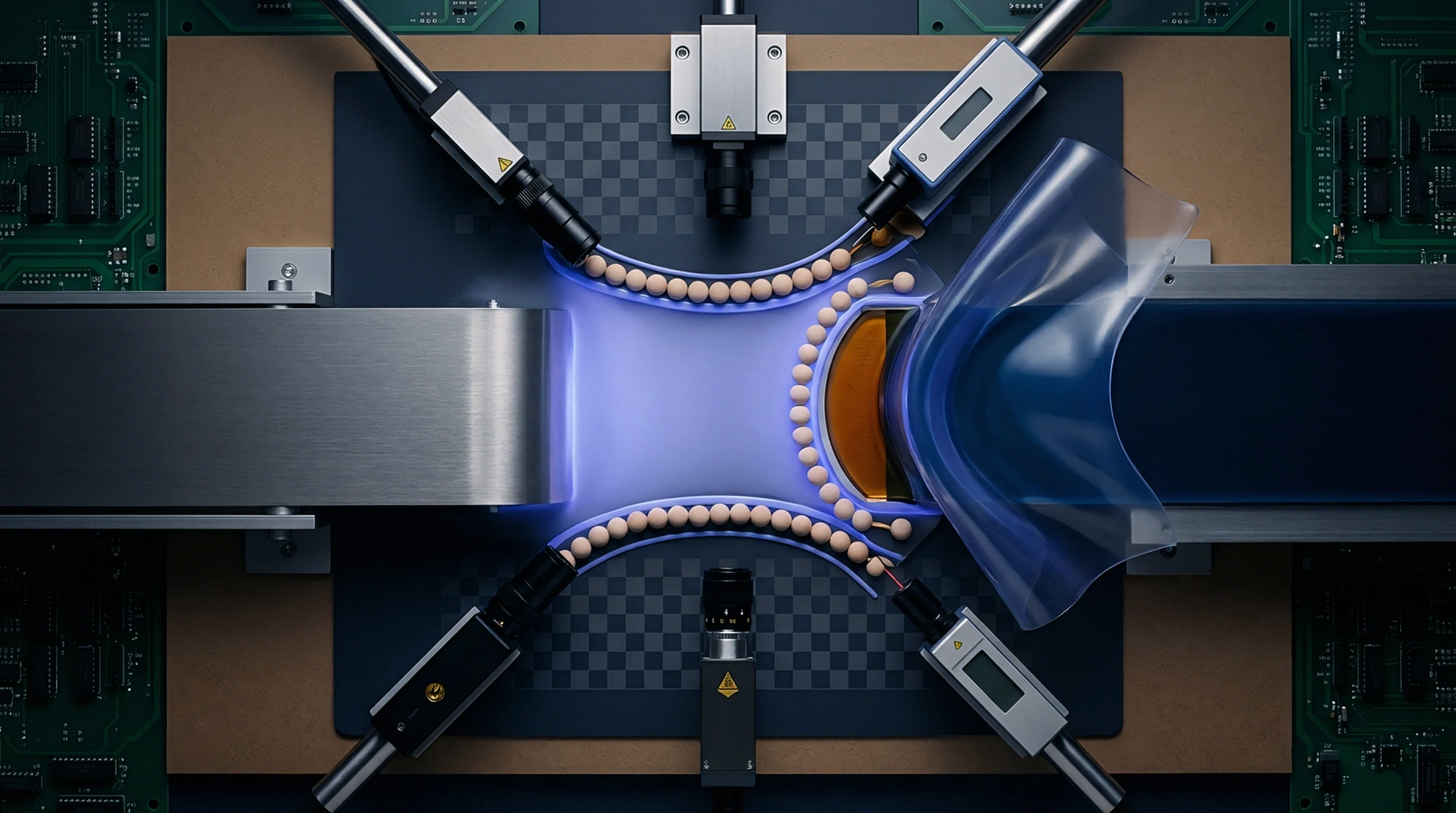
Verify ICT and depaneling strain rates below IPC/JEDEC-9704 dynamic limits using three-wire triaxial rosettes placed within two millimeters of package corners.

Central anchor micro-gimbals and matched thermal expansion substrates isolate MEMS transducer elements from board bending to maintain sub-pascal baseline stability.
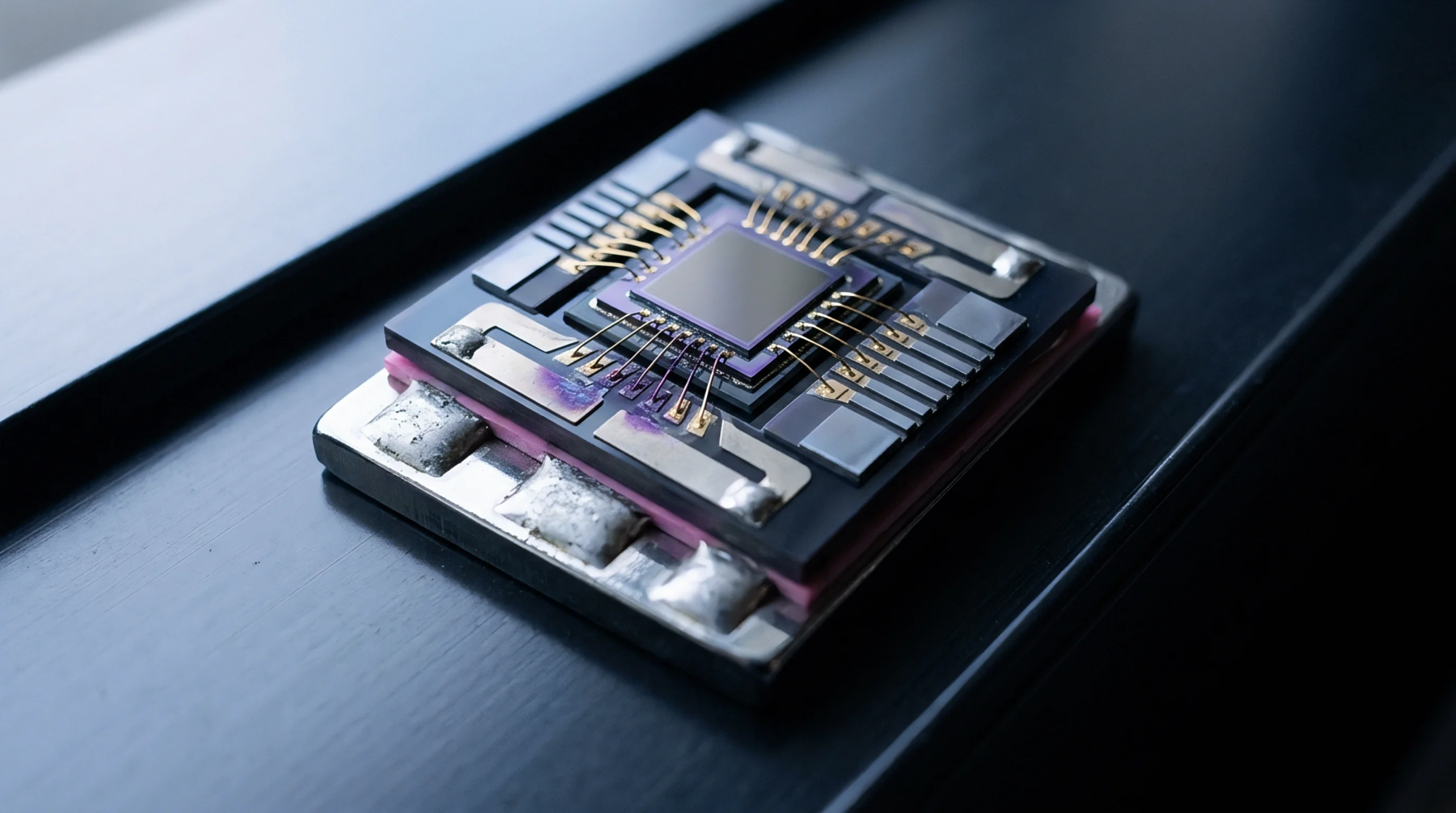
Enforce J-STD-046 purchase covenants, lock silicon revision registers, and wrap sensor drivers in boundary assertion traps to block unannounced die changes.
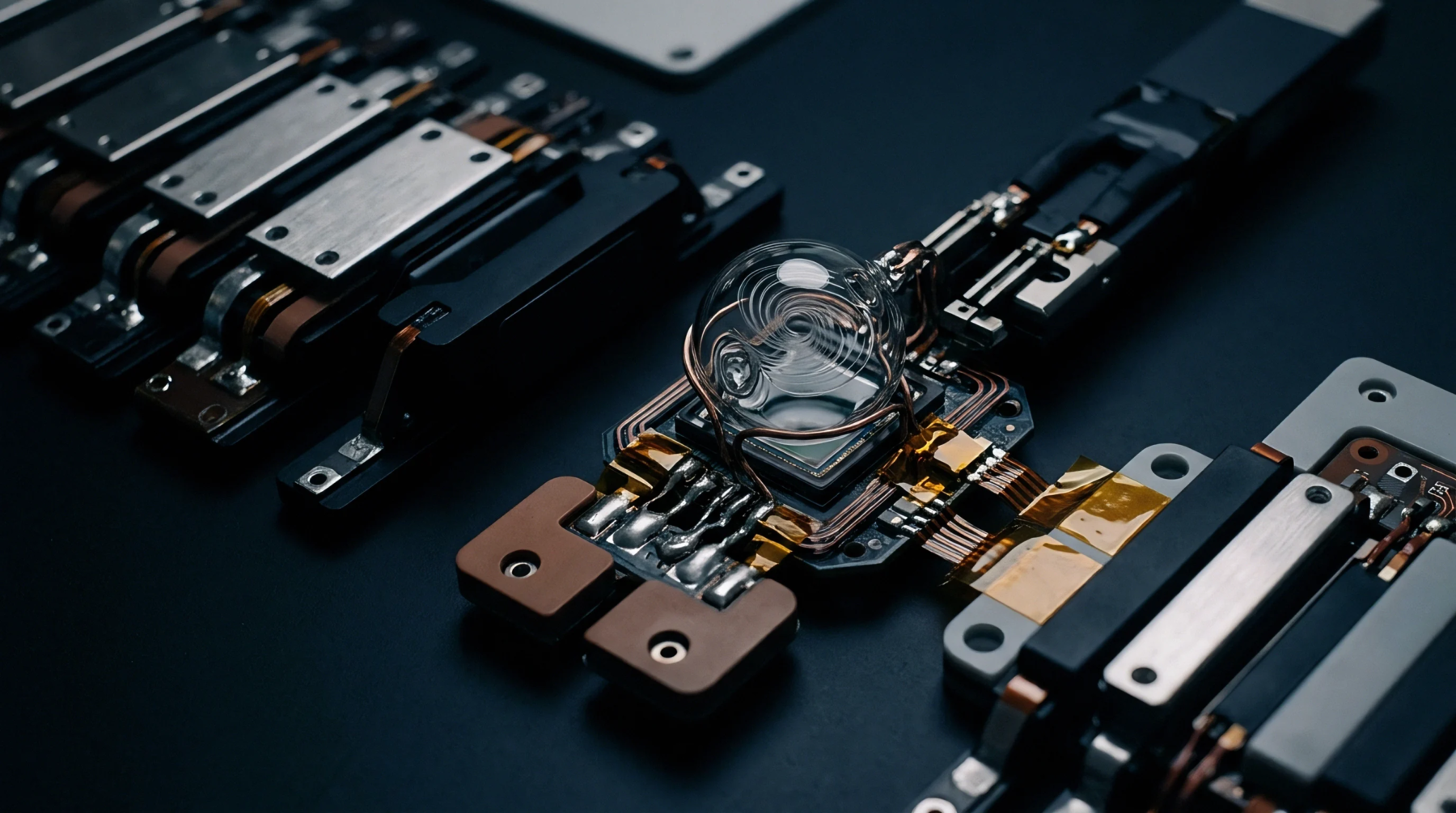
Holding land pattern pad widths to plus or minus twenty-five micrometers isolates MEMS sensing elements from board warpage and eliminates post-reflow zero drift.

Solder standoff creep creates asymmetric package tilt and shear strain, transferring stress to MEMS sense elements and driving long-term zero-g bias drift.
Expertise is a utility, not a secret. sentiention™ publishes its working knowledge as open reference: intelligence layer covering the materials it sources, the markets it enters, and the reference that serves both.