
Quantifying High Humidity Dielectric Permittivity Drift in Dense Surface Mount Sensor Bus Traces
Substrate moisture uptake increases trace capacitance and reduces microstrip impedance, requiring ground-shielded striplines or hydrophobic coatings.
Substrate moisture uptake increases trace capacitance and reduces microstrip impedance, requiring ground-shielded striplines or hydrophobic coatings.
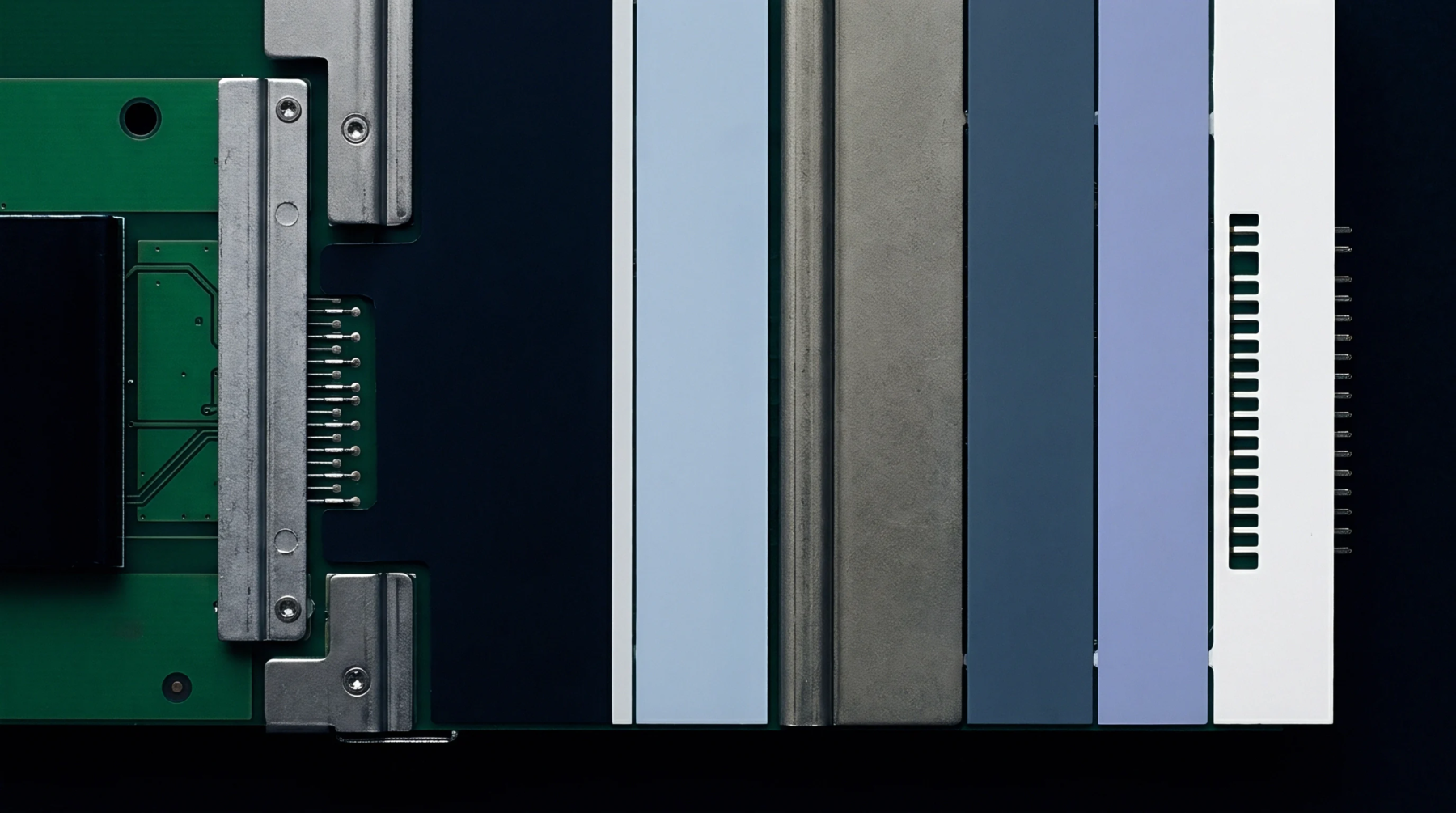
Resin squeeze in dense multilayer stackups compresses dielectric thickness by up to 15 percent, shifting differential impedance downward by over 10 ohms.
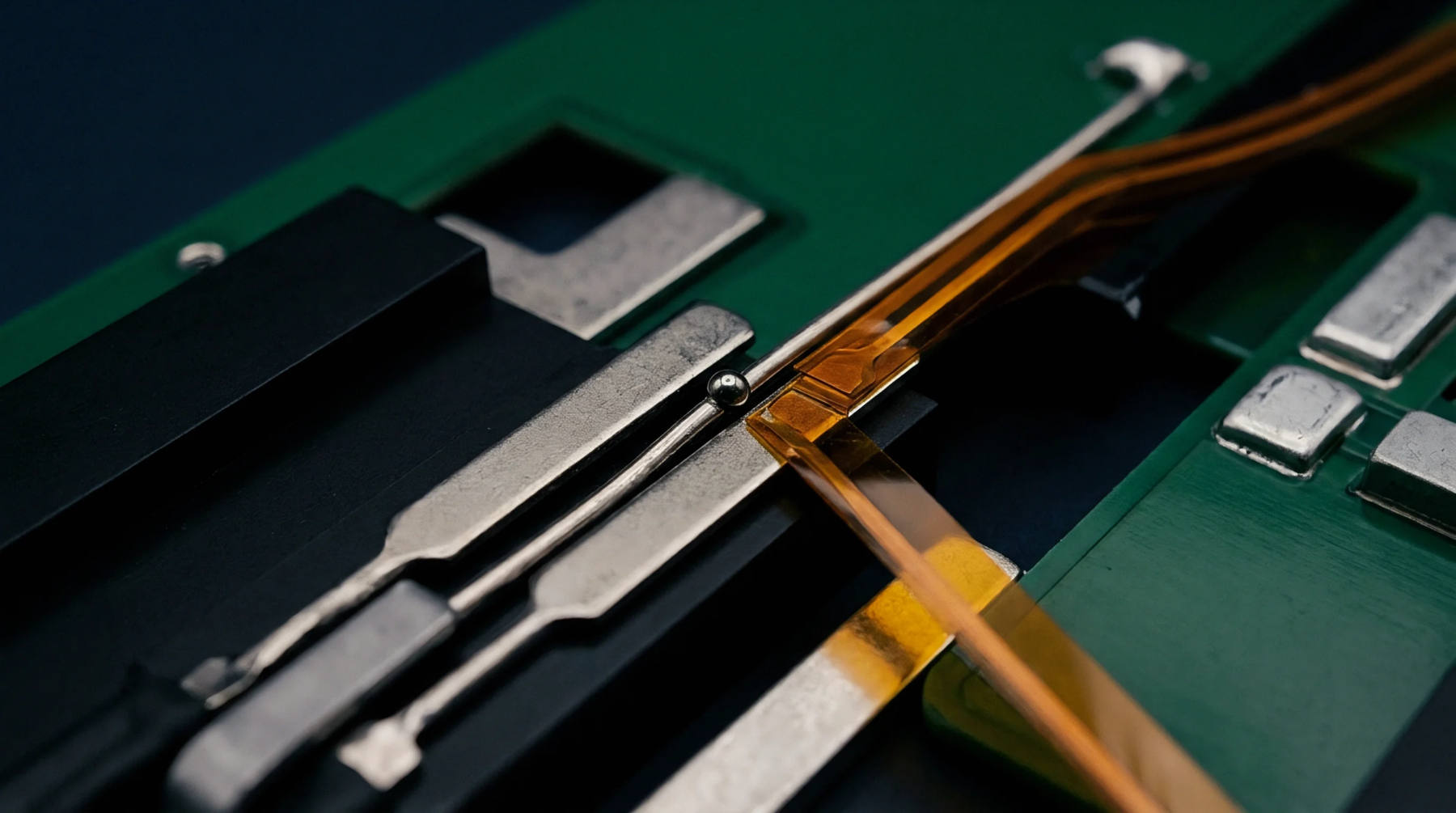
Microvia pad planarization eliminates solder joint voids and stabilizes high-frequency trace impedance by controlling dimple depth and copper cap topography.

Interconnect parasitic shifts degrade return loss and collapse eye margins, forcing board-level copper compensation and firmware-driven equalization offsets.

Unbalanced copper planes and high-modulus die attach adhesives in laminate sensor packages cause reflow-induced warpage that shifts piezoresistive zero points.
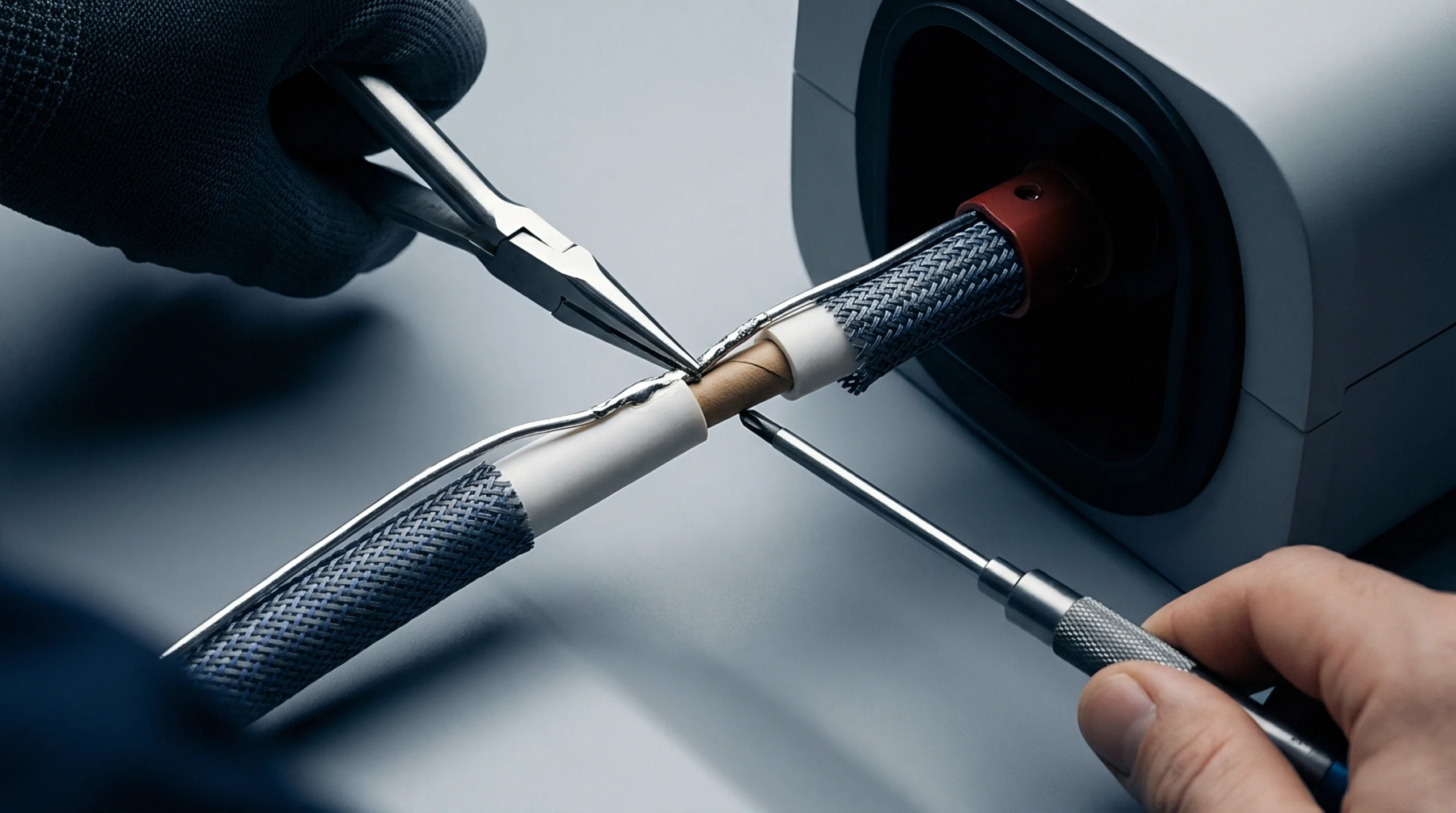
Dynamic PCB thermal gradients cause substrate flexing that alters converter resistor ladder ratios via piezoresistive strain, driving gain drift.

Automated wafer level probe fuse verification guarantees individual chiplet traceability across high density packaging reflow cycles before costly module assembly
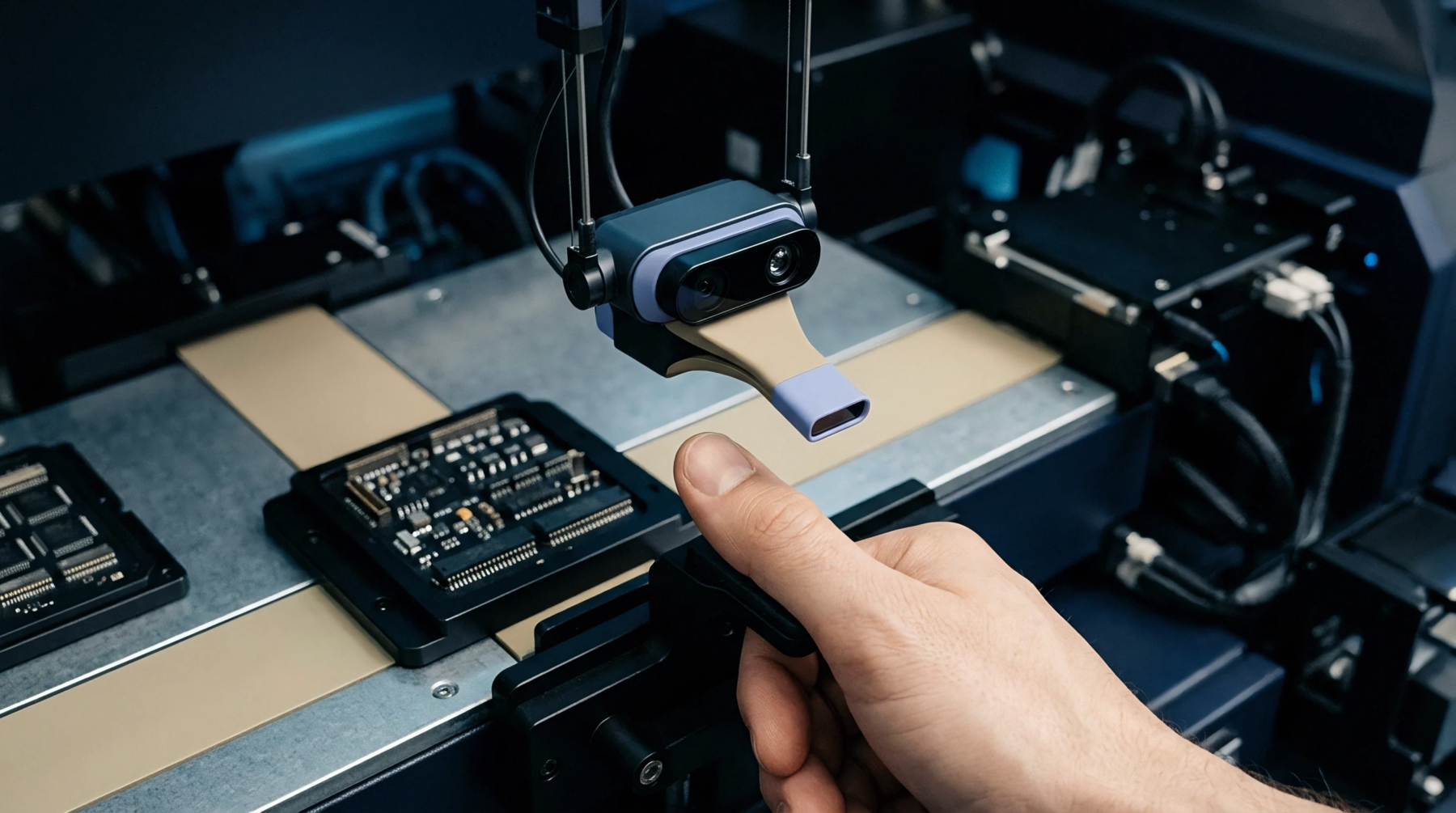
Precision land pattern design balances component manufacturing tolerances against board assembly capability to eliminate thermomechanical stress on silicon die output registers.
Expertise is a utility, not a secret. sentiention™ publishes its working knowledge as open reference: intelligence layer covering the materials it sources, the markets it enters, and the reference that serves both.