
Interfacial Stress Transfer Mechanics and Dynamic Thermal Sensor Offset Drift
Substrate strain transfer across package interfaces generates dynamic thermal sensor offset drift during transient temperature ramps.
Substrate strain transfer across package interfaces generates dynamic thermal sensor offset drift during transient temperature ramps.
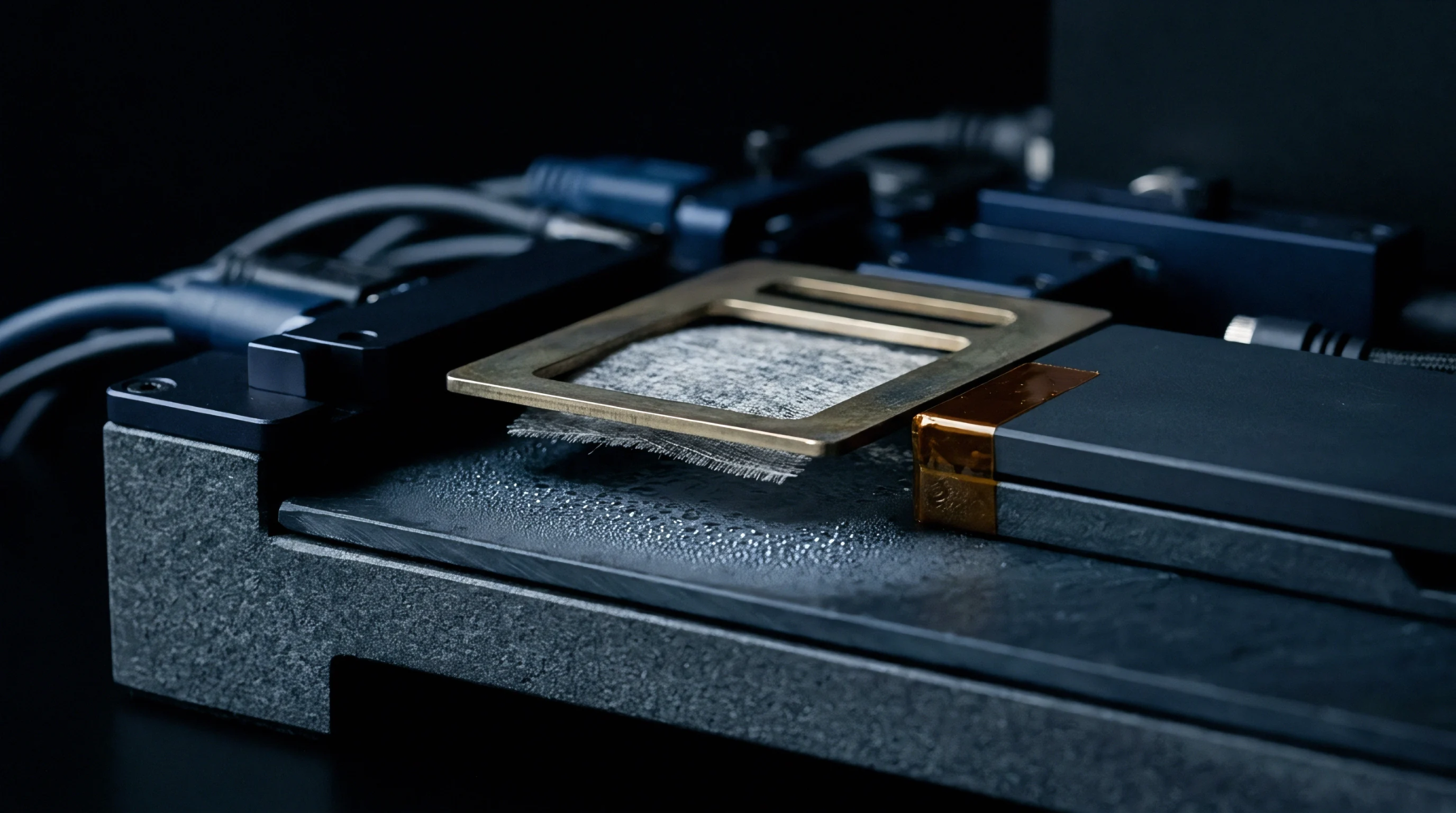
Clock stretching allows open-drain targets to hold SCL low, forcing host timing compliance through physical line sensing and hardware timeouts.
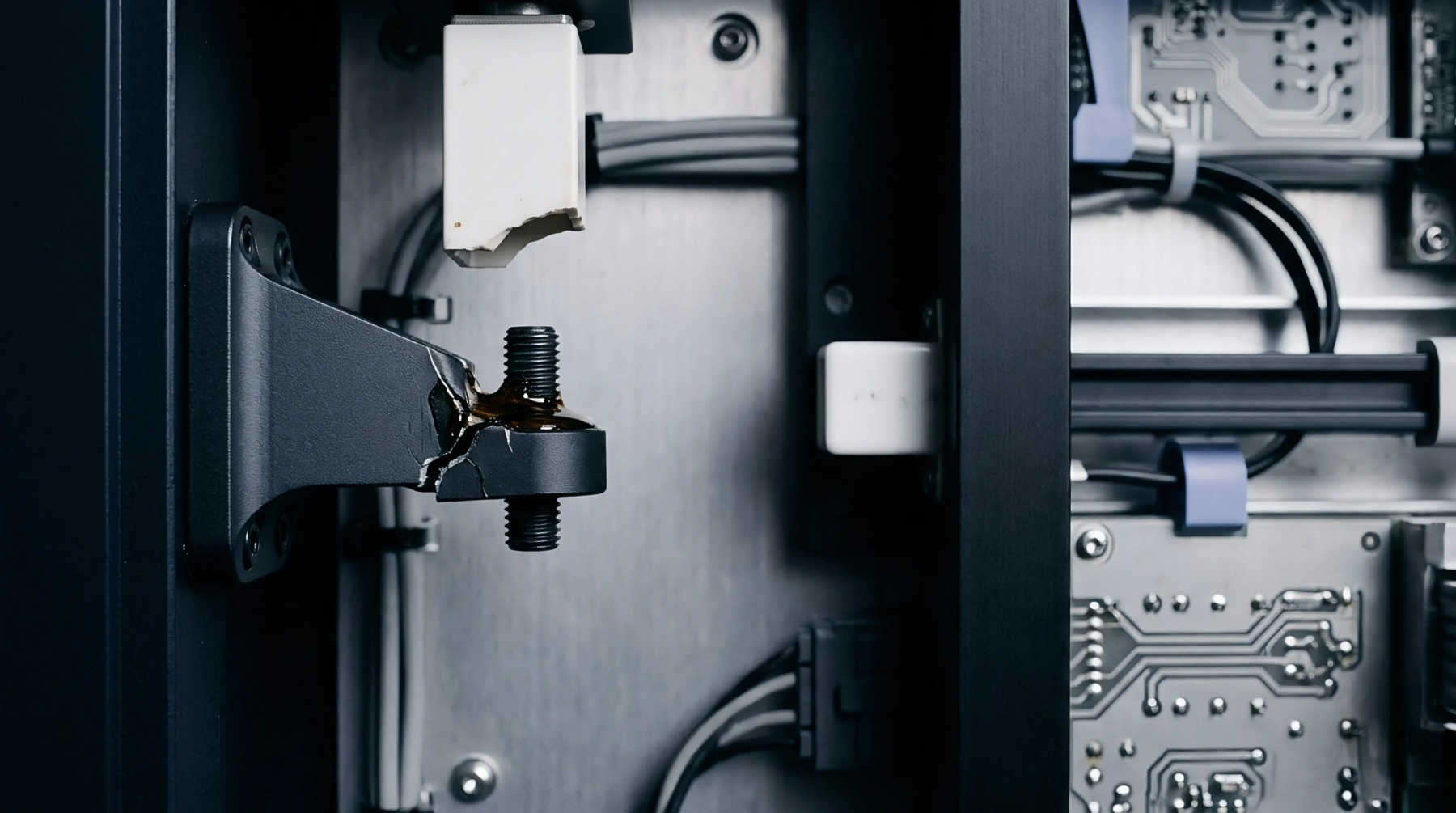
Viscoelastic mold compound relaxation permanently redistributes internal package stress during thermal cycling, inducing continuous piezoresistive sensor offset drift.
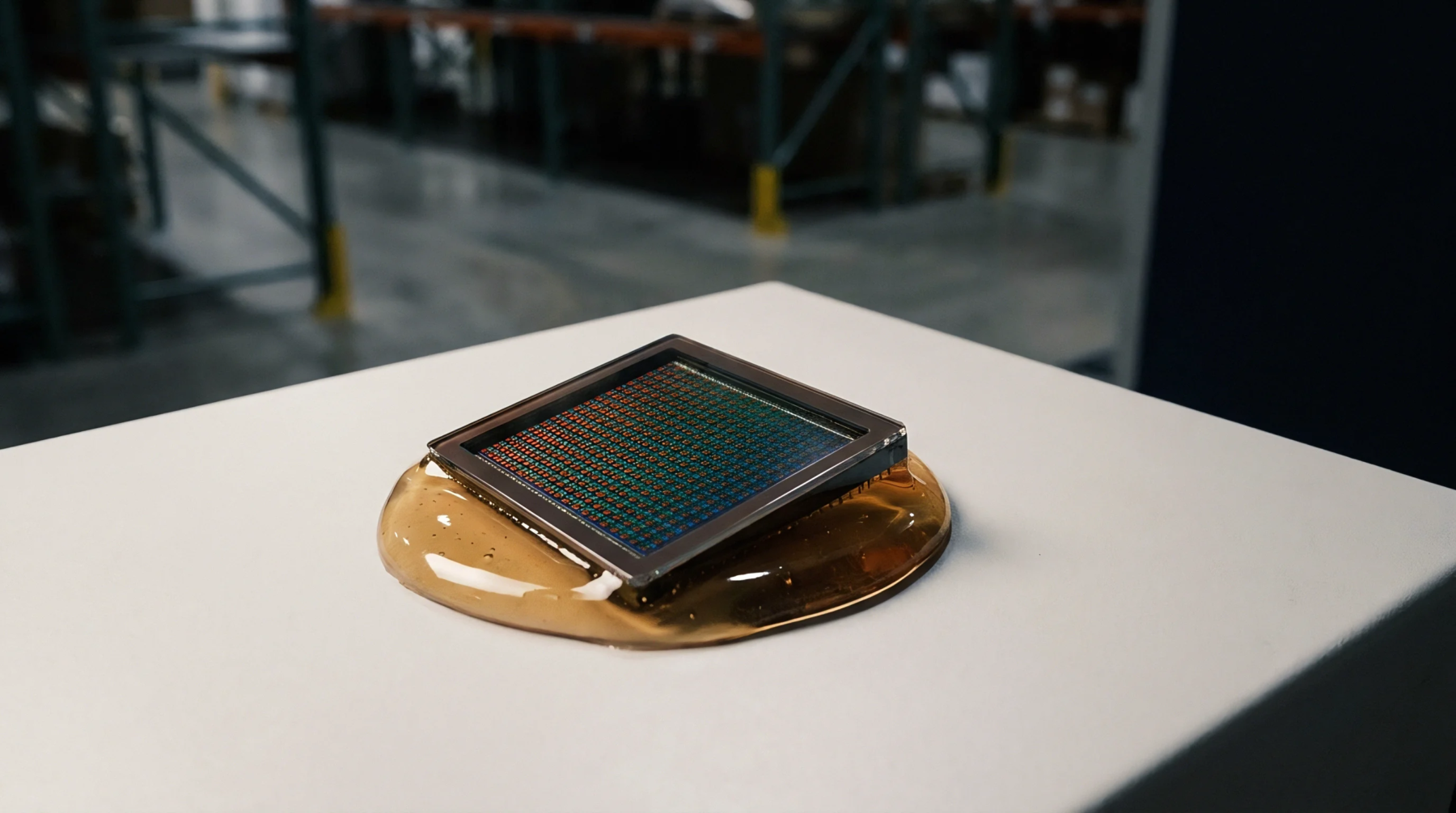
Silicon strain sensor thermal offset drift stems from piezoresistor TCR mismatches and package thermomechanical stress, resolved by digital ASIC compensation.
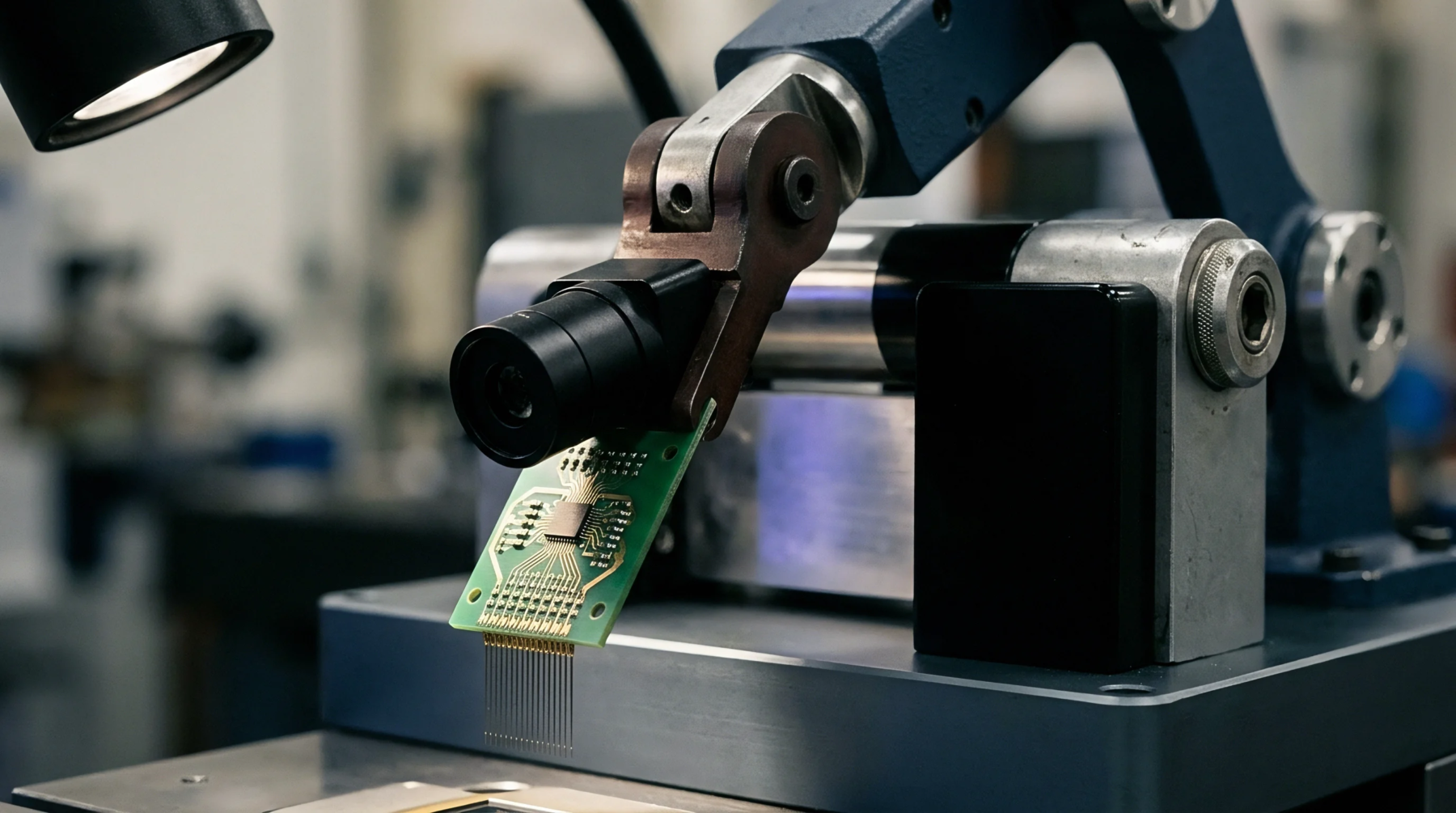
Dual-stage sorption causes unmodeled moisture retention at reflow, requiring dry-pack verification and register offset trim to prevent delamination and drift.

Dynamic bus accelerator instability stems from backplane transmission line reflections triggering premature booster shut-off and oscillatory re-triggering.
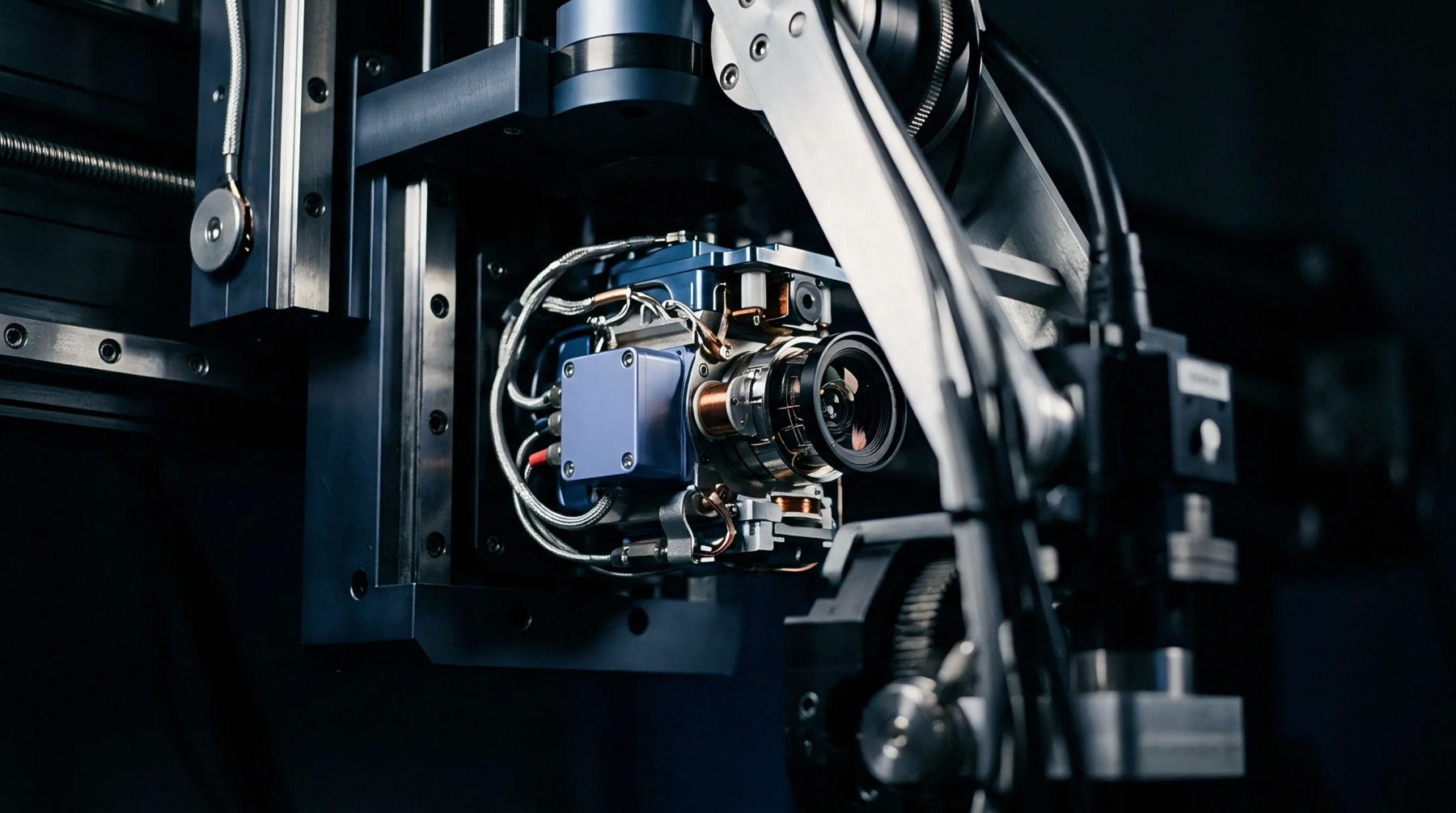
Selecting pin strapping resistors demands matching voltage threshold bands against resistor tolerances, internal pull-up impedance, and board leakage.

Unnotified sensor obsolescence triggers severe technical requalification expenses that buyers reallocate through rigid advance notice covenants and direct indemnity terms.

JESD48B establishes six-month buy and ship windows, but MEMS packaging closures demand immediate firmware and mechanical layout audits to prevent production halts.
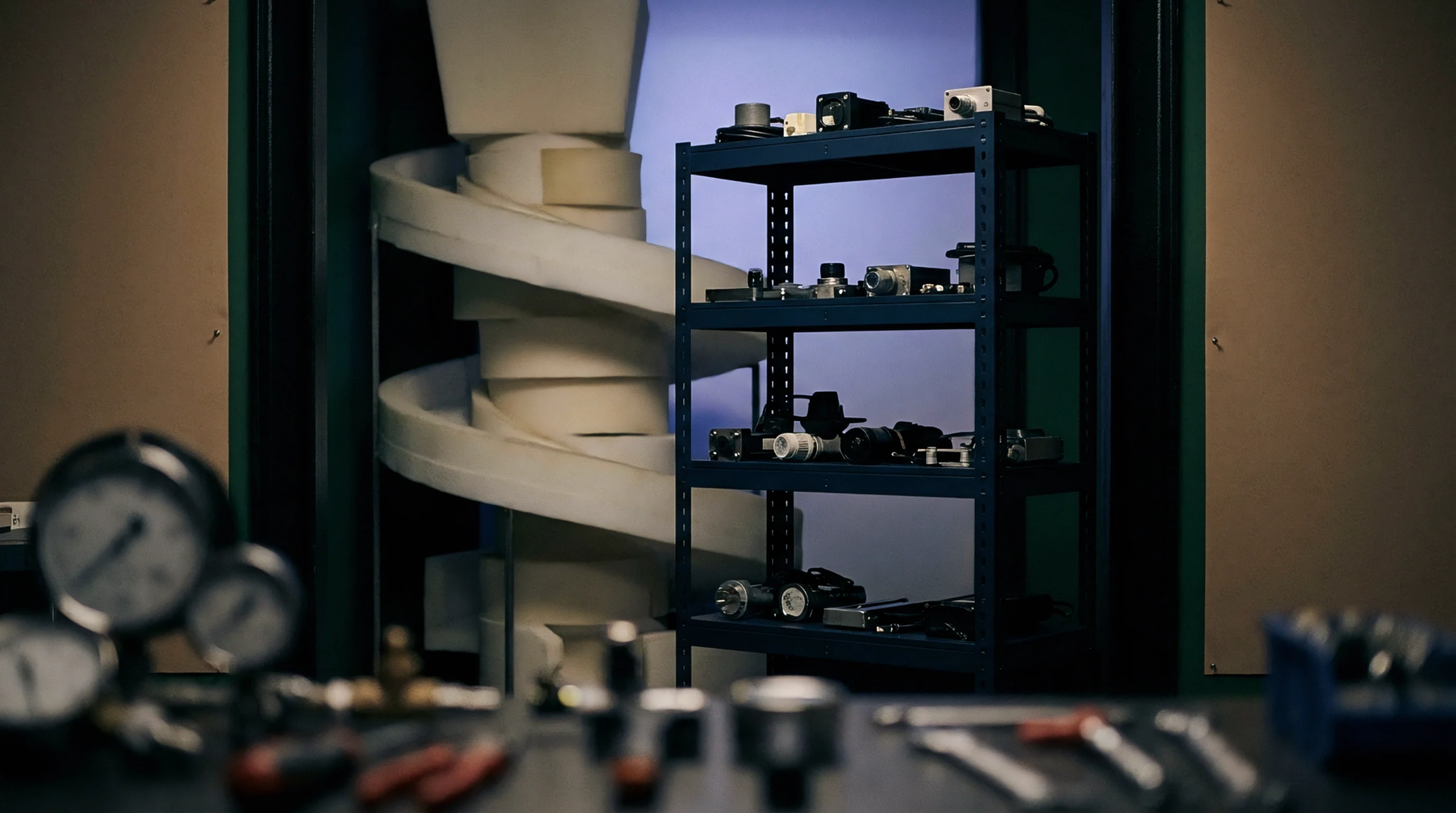
Factory-calibrated modules eliminate board-level thermal stress drift through mechanical decoupling and pre-programmed trim, justifying higher unit costs.

Mitigate reference thermal drift by isolating footprints with milled PCB slots, enforcing post-reflow stabilization bake, and selecting ceramic packaging.

Silicon revisions alter open-drain driver impedance and state timing, turning compliant clock stretching into bus-halting race conditions across fast edges.

Wafer bank conversion agreements convert raw iso-die into multi-form sensor packages, shifting supply risk while managing lead time, yield, and bus drift.
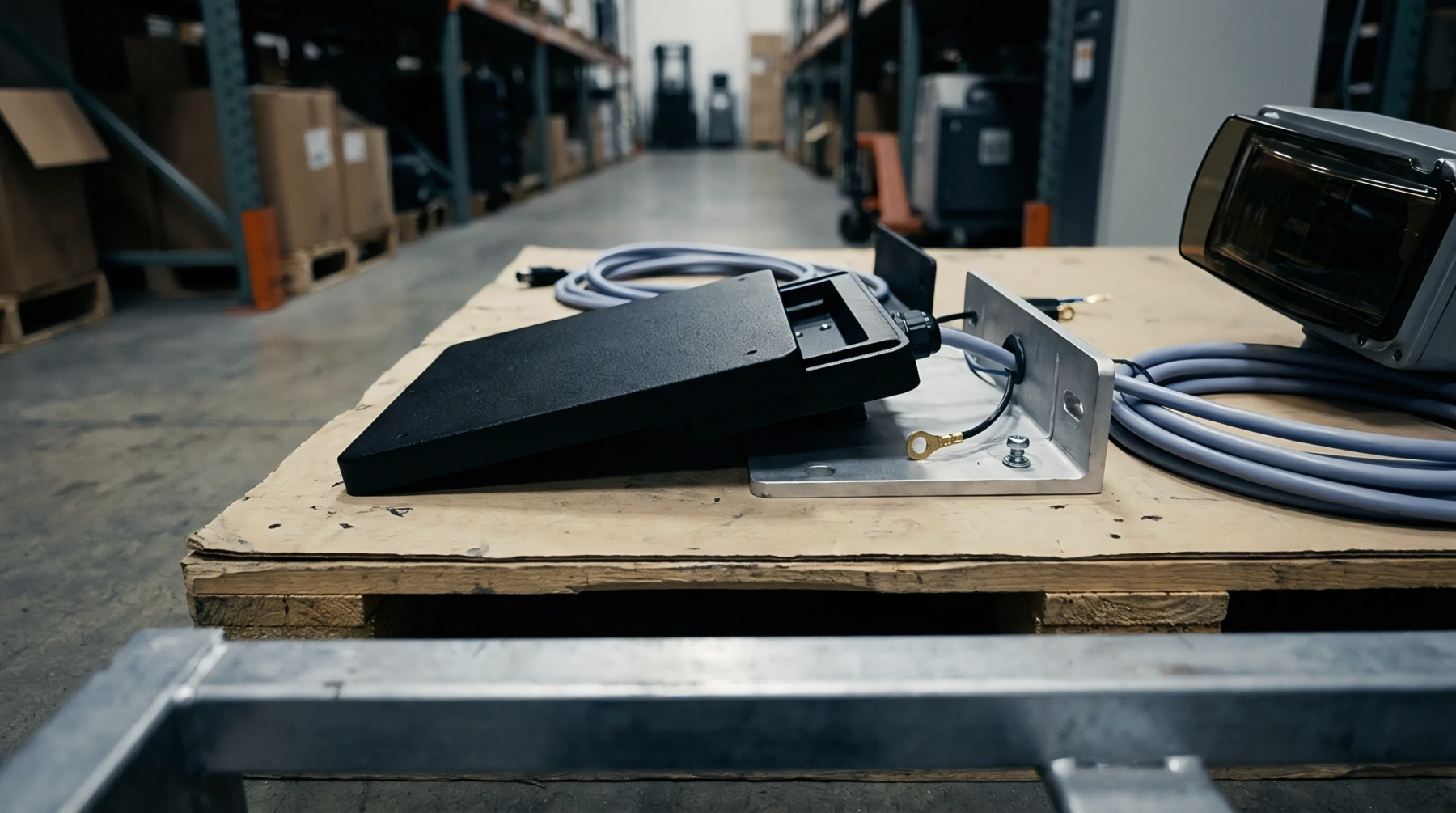
Enforce 18-month EOL notice timelines and silicon-level allocation guarantees to protect sensor supply chains from unannounced component discontinuances.

Sourcing sensor modules eliminates 4 to 12 weeks of driver engineering, flipping break-even economics below 15,000 units despite higher unit BOM prices.
Expertise is a utility, not a secret. sentiention™ publishes its working knowledge as open reference: intelligence layer covering the materials it sources, the markets it enters, and the reference that serves both.