Board Layout
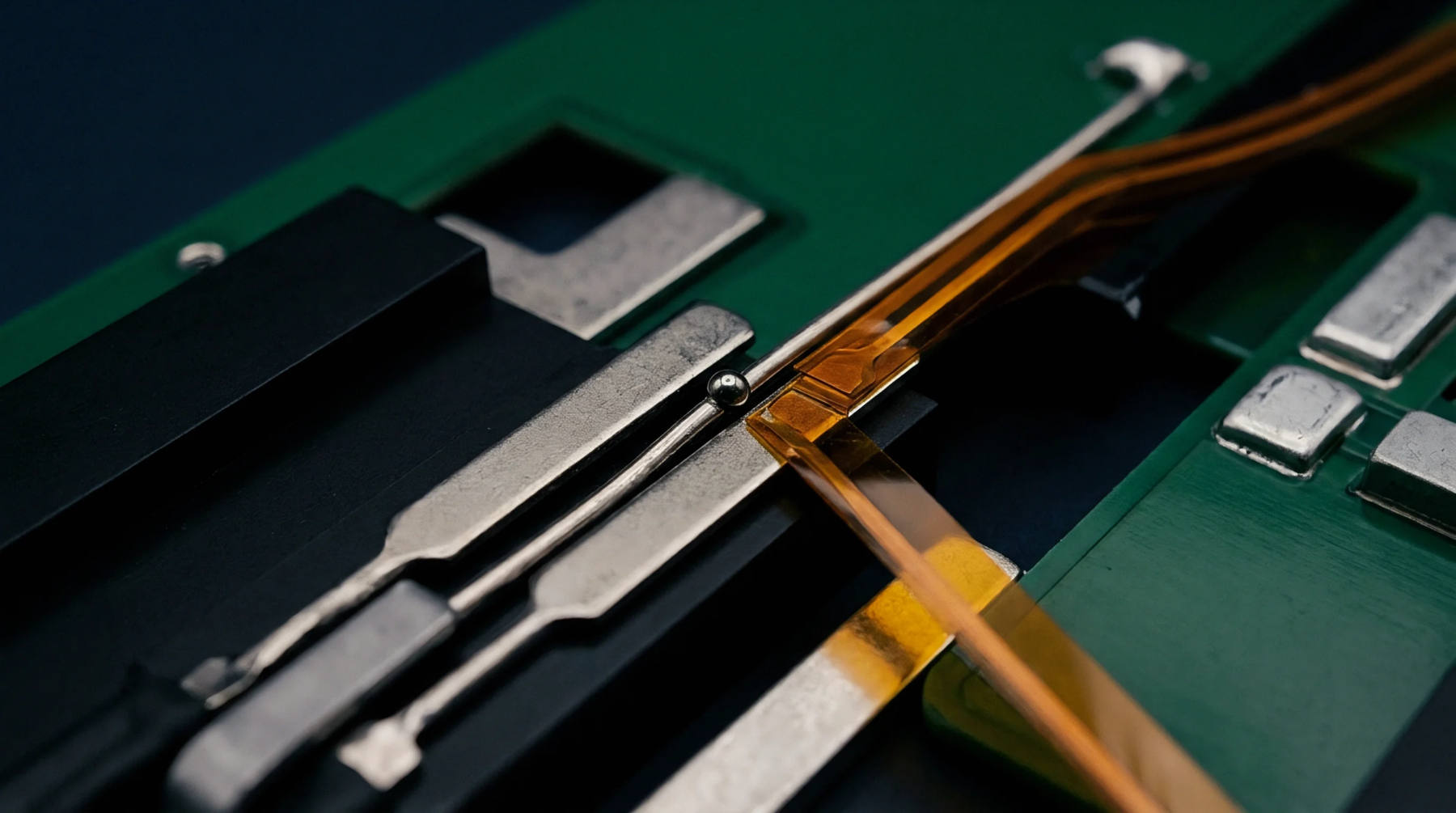
Circuit board safety and signal integrity often require physical gaps to separate high-voltage areas from low-voltage logic circuits. A milled isolation slot acts as an air barrier that increases the creepage distance across the surface of the printed circuit board. This physical separation prevents arc-over and limits the spread of high-voltage surges to sensitive monitoring electronics in industrial power supplies, ensuring compliance with international safety standards for electrical isolation.
Dielectric Strength
Dielectric breakdown occurs much more easily along a fiberglass surface than through the air. By introducing a milled isolation slot, the designer forces any potential leakage current to travel through the air gap instead of following the board surface. Air has a higher dielectric strength than the board material, which significantly reduces the probability of surface tracking under high humidity.
Mechanical Strain
Manufacturing such gaps requires precise routing during the board fabrication process. Routing must be controlled to prevent damage to internal copper layers and to maintain the mechanical stiffness of the board. If the milled isolation slot is positioned too close to structural mounts, the board may crack under vibration.
Leakage Prevention
Contamination from dust or solder flux can compromise the air gap. Regular cleaning and conformal coating are used to ensure the milled isolation slot remains free of conductive debris that would allow current to bypass the barrier.