Mechanical Equilibrium
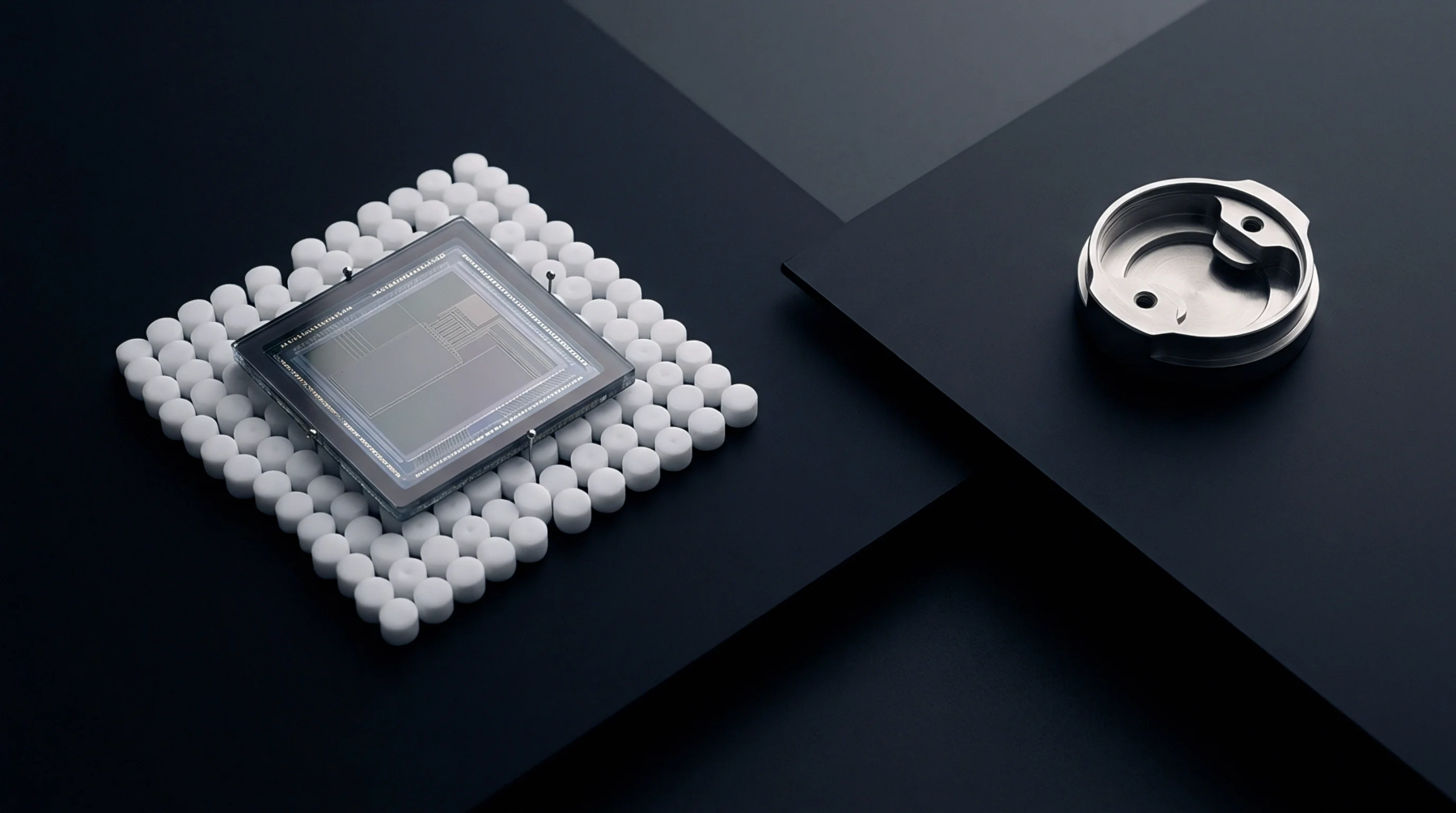
Internal shear stress reduction defines the physical state of a semiconductor assembly after thermal curing. Die attach relaxation occurs when the polymer or metallic joint transitions from a high energy nonequilibrium state toward a stable configuration. This process compensates for coefficient of thermal expansion mismatches between the silicon chip and the substrate during the cooling phase.
Measuring the change in bond line thickness or shifts in ultrasonic acoustic microscopy provides data on the extent of this stabilization.
Thermal Geometry
Controlled temperature profiles during the bonding cycle govern the rate at which molecular chains align or metallic grains grow within the interface. Excessively rapid cooling prevents the joint from achieving its terminal strain state, forcing the package to retain latent stress that triggers delamination during subsequent reflow. Standard reference conditions usually assume a slow ramp down to allow sufficient time for structural adjustment.
Engineers verify this behavior by monitoring the curvature of the package surface through shadow moire or laser scanning.
Instrument Drift
Measurement errors arise if the sensing equipment records the position of the chip before the joint has finalized its movement. Shifts in the alignment of the die relative to the lead frame appear as displacement artifacts rather than genuine bond failure when relaxation remains incomplete. Validation protocols require a holding duration that exceeds the estimated time constant of the specific adhesive or solder alloy.
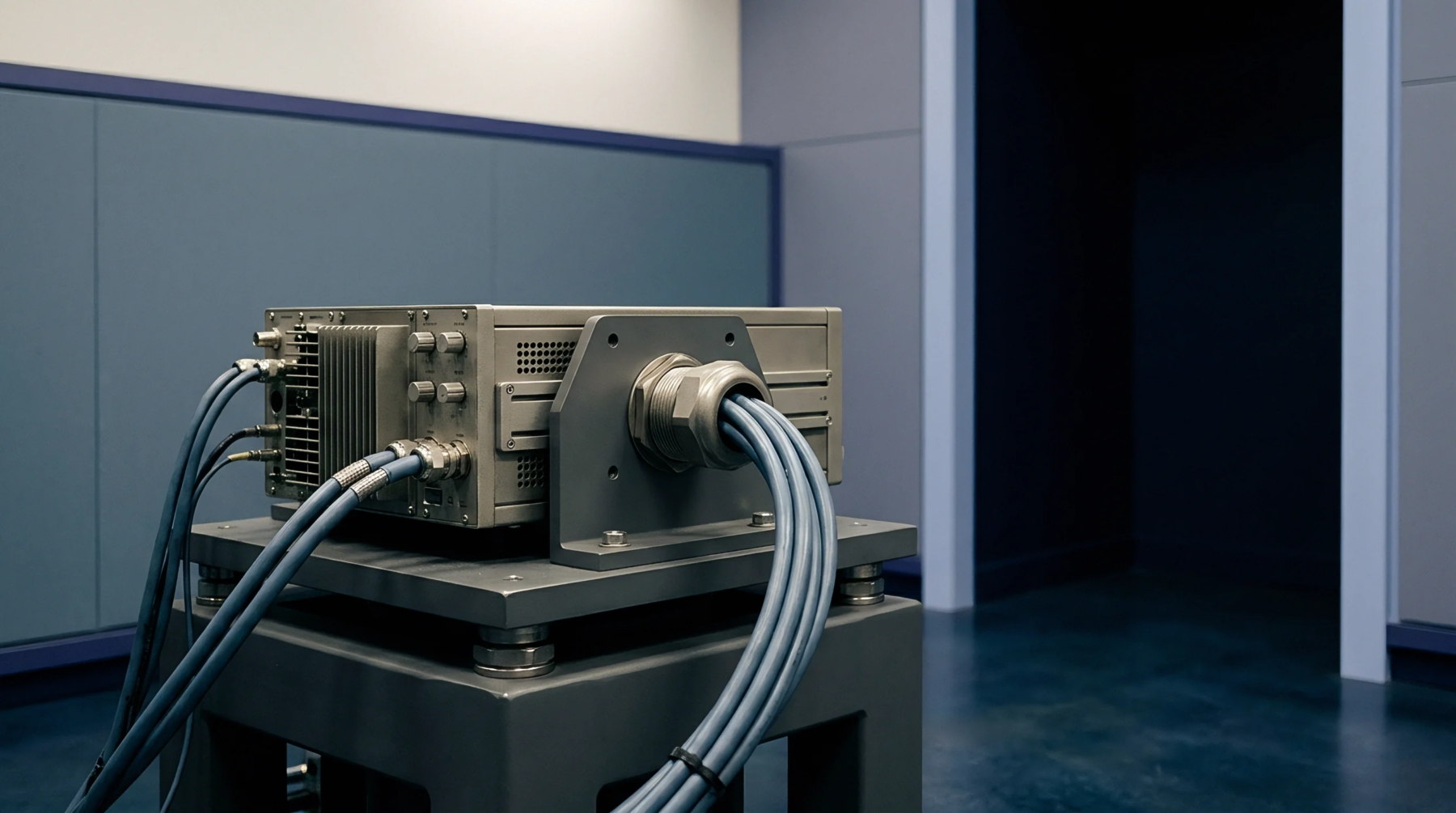
Precise calibration against a rigid gauge block ensures that the observed movement corresponds to the material response rather than thermal drift in the metrology hardware.
Interfacial Stability
Permanent bonding integrity depends on the completion of this structural settling phase before the device experiences mechanical shock or environmental cycling. Variations in the moisture content of the environment alter the polymer curing kinetics and force a recalculation of the required holding duration. Manufacturers define the tolerance for residual stress through accelerated life testing that mimics the accumulated load of the final application.
Total suppression of this movement represents the threshold of long term joint reliability.