Resolving Non Stationary Multi Axis Gyroscope Cross Axis Coupling in Deep Space Navigation Regimes
Dynamic cross-axis coupling in deep space IMUs is resolved by combining adaptive covariance-scaling Kalman filters with gradient-mapped parameter lookup tables.
Kinematics
Time-Varying Coupling Matrices in Multi-Axis Systems
Deep space navigation platforms face operational environments that break static sensor alignment assumptions. In a three-axis gyroscope assembly, the reported angular velocity vector relates to the true rate vector through a three-by-three matrix with axis scale factors on the diagonal and cross-axis coupling terms off it. Static laboratory calibrations treat off-diagonal coupling terms as fixed geometric constants set during assembly.
In flight, however, launch loads, evolving thermal gradients across deep space transit, and long-term structural relaxation cause these off-diagonal terms to shift dynamically.
A non-stationary coupling matrix introduces rate-dependent cross-talk, where rotation around one physical axis shows up as spurious rate signals on orthogonal axes. During attitude maneuvers or delta-v burns, high angular velocity along a principal axis leaks into off-axis channels. Integrating these corrupted rates over long coast periods causes unbounded attitude estimation drift, degrading position estimates during autonomous optical navigation passes or deep-space momentum dumps.
| Operational Regime | Thermal Gradient Range | Cross-Axis Coupling Drift | Dominant Physical Mechanism |
|---|---|---|---|
| Main Engine Firing | 1.5 to 4.2 K per minute | 12 to 45 arcseconds per hour | Vibrational stress relief and chassis deformation |
| Solar Array Articulation | 0.2 to 0.8 K per minute | 3 to 8 arcseconds per hour | Thermal bending of mounting interface plates |
| Deep Space Coast Phase | 0.01 to 0.05 K per hour | 0.2 to 1.1 arcseconds per hour | Material creep and radiation-induced lattice relaxation |
The non-stationary rate error model isolates time-varying off-diagonal coupling terms from steady-state sensor bias. Writing these dynamic misalignments as explicit functions of thermal state and structural stress tensor history keeps unmodeled cross-talk from corrupting downstream attitude propagation.
Uncorrected cross-axis misalignment shifts of 30 arcseconds yield position trajectory errors exceeding 1400 kilometers over a seven-day unguided coast interval.
Failing to track and model dynamic cross-axis coupling shifts flight trajectories outside mission navigation margins, forcing extra attitude control propellant consumption during trajectory correction maneuvers.

Shear
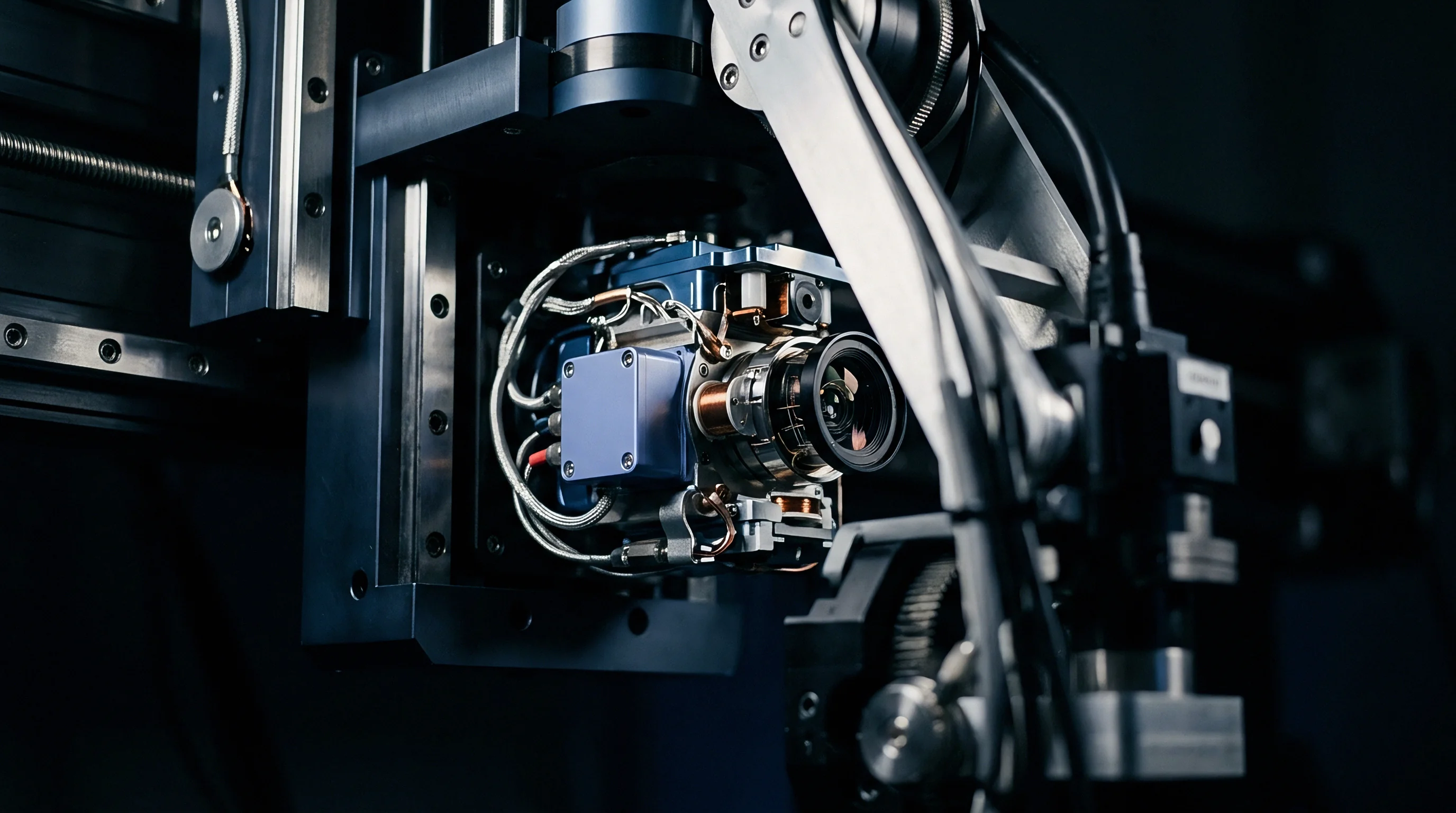
Structural Mechanics and Thermal Gradients in Inertial Measurement Units
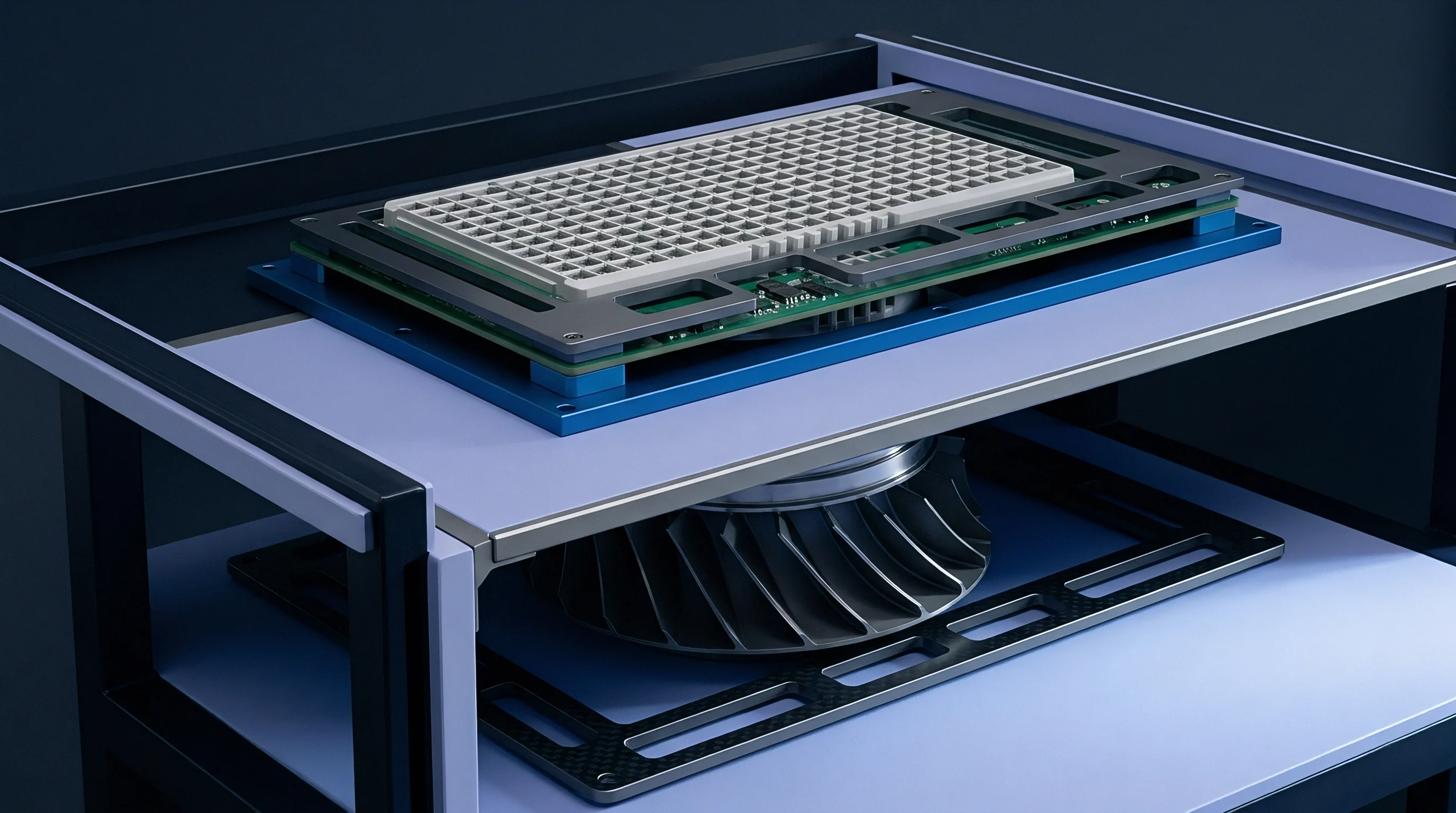
Mechanical shear at the boundary between individual sensor packages and the structural mounting bench is the root cause of non-stationary misalignment. Differing thermal expansion coefficients across titanium housing plates, ceramic circuit substrates, and silicon micro-structures produce micro-strains under changing thermal loads. A temperature difference of two degrees Celsius across a 100-millimeter sensing bench shifts axis orthogonality by several arcseconds, directly altering off-diagonal matrix terms in the measurement model.
High-g launch loads and deep-space thruster firings leave residual mechanical stresses that relax slowly over hundreds of operating hours. As internal stress redistributes through creep and micro-yield processes, sensor axes drift relative to each other. Mechanically induced cross-axis coupling changes fastest during thermal transitions and settles out as the system reaches thermal equilibrium.
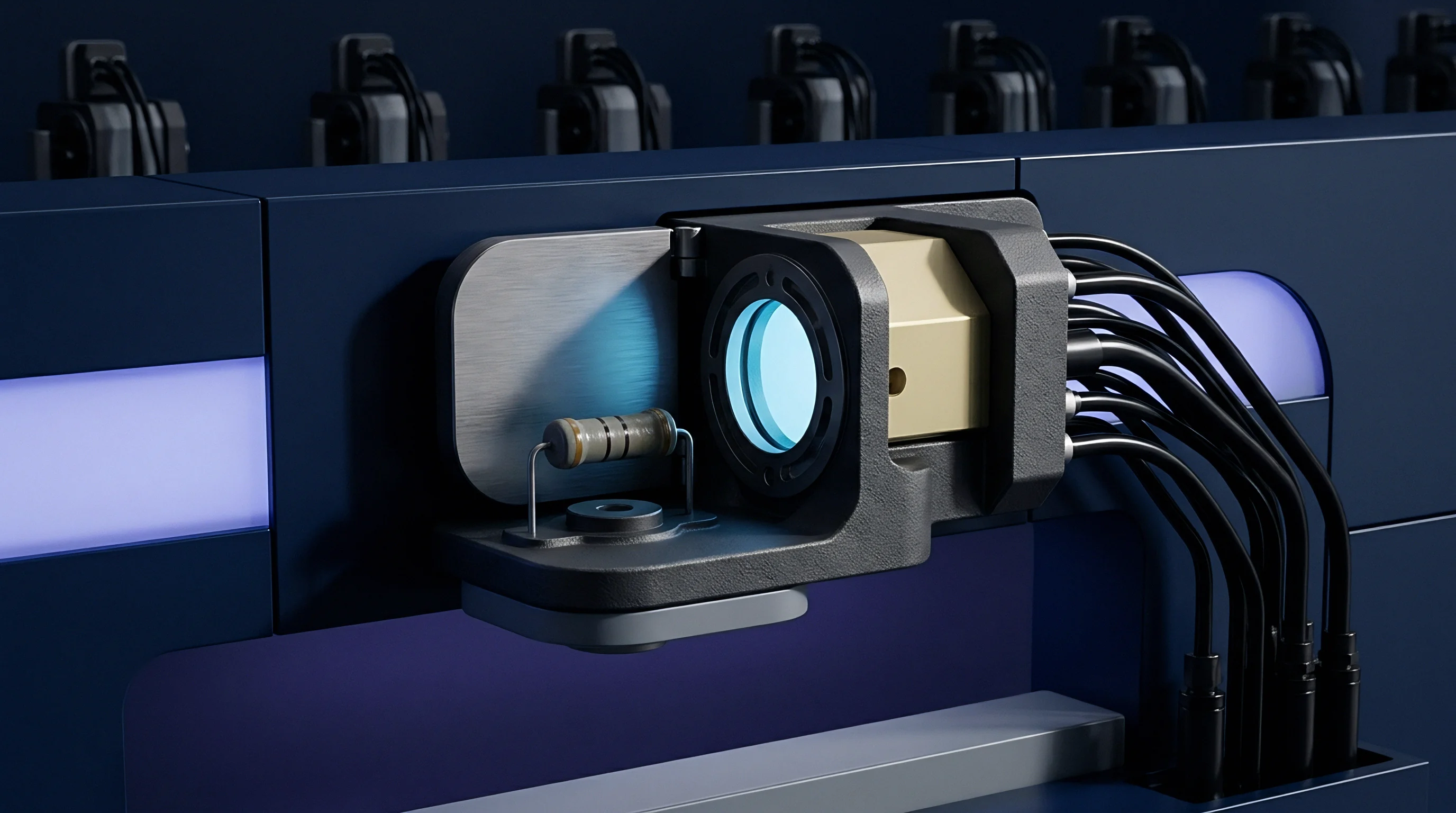
Physical Origins of Non-Stationary Orthogonality Errors
Hemispherical Resonator Gyroscopes and Fiber Optic Gyroscopes show distinct mechanical behaviors under thermal and structural strain. In resonant sensors, electrostatic sensing structures deform slightly under shear, altering capacitive gap geometry. In fiber units, thermal gradients create non-uniform stress across the coil pack, driving stress-induced birefringence that shifts optical path lengths along non-orthogonal sensing axes.
- Structural Thermal Strain Differential expansion between mounting hardware and sensor housings distorts the mounting plane.
- Package Stress Relaxation Residual stresses from solder reflow and mechanical fasteners dissipate unevenly over the flight.
- G-Sensitive Asymmetry Anisotropic structural flexures cause acceleration-dependent axis tilt during high-thrust maneuvers.
- Enclosure Creep Polymeric potting compounds and adhesives micro-deform under continuous vacuum.
Factory laser alignment is often assumed to keep cross-axis coupling negligible over full mission profiles, but published specification sheets omit thermal gradient stress histories.
Estimation

Adaptive Filtering for Dynamic Off-Diagonal State Tracking
Tracking dynamic cross-axis coupling in flight requires real-time estimators that follow time-varying parameters without triggering numerical instability. Standard Extended Kalman Filters treat misalignment matrices as fixed states, which causes filter covariance to collapse during long coast phases. If off-diagonal coefficients then shift during burns or thermal swings, the collapsed filter ignores the structural change, writing off real cross-axis coupling as sensor noise.
Adaptive estimation algorithms use dynamic process noise scaling or fading-memory weighting to keep the filter responsive to coupling shifts. Modern attitude filters split off-diagonal alignment terms into separate dynamic sub-states driven by physical process models. These models feed on measured package temperatures, estimated bench gradients, and structural stress history.
Applying an adaptive forgetting factor of 0.998 to off-diagonal covariance terms preserves estimator sensitivity to transient cross-axis shifts during thermal transitions.
Observability limits real-time alignment estimation during steady-state rotation. Separating scale factor errors from cross-axis coupling requires dynamic multi-axis excitation. During single-axis rotations, off-diagonal terms for non-rotated axes are mathematically unobservable in the instantaneous measurement vector, so coupling updates must pause until multi-axis motion occurs.
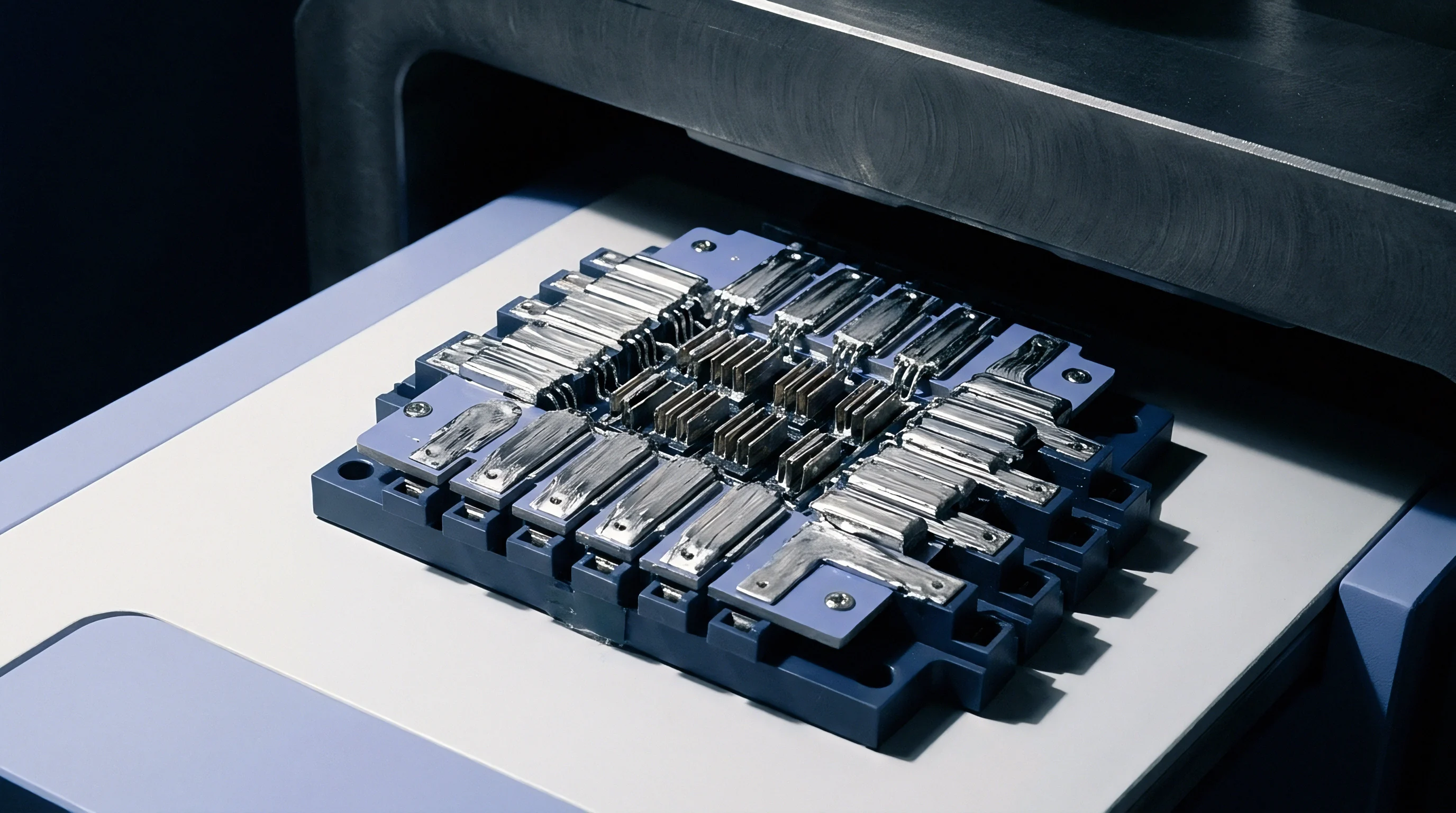
Algorithm Execution and Observability Metrics
Recursive least squares estimators augmented with directional forgetting update only the linear combinations of misalignment states illuminated by current motion. By computing the singular value decomposition of the instantaneous information matrix, the navigation computer checks whether rate data is rich enough to update coupling parameters without degrading stable diagonal scale factor estimates.
Filter tuning preserves tracking accuracy during abrupt thermal transitions through direct coupling with hardware sensors.
Adaptive process noise tuning ties state covariance growth directly to real-time telemetry from thermistor arrays on the IMU structure. Rapid temperature shifts trigger an immediate expansion of off-diagonal process noise covariance, letting the filter track shifting axis geometry quickly. Once temperatures stabilize, process noise scales back down, protecting the misalignment parameters from measurement noise.
It remains uncertain whether machine-learning state observers can operate reliably on radiation-hardened flight processors without risk of non-deterministic convergence during unmodeled thermal shock.
Validation
Bench Testing and Thermal Vacuum Qualification
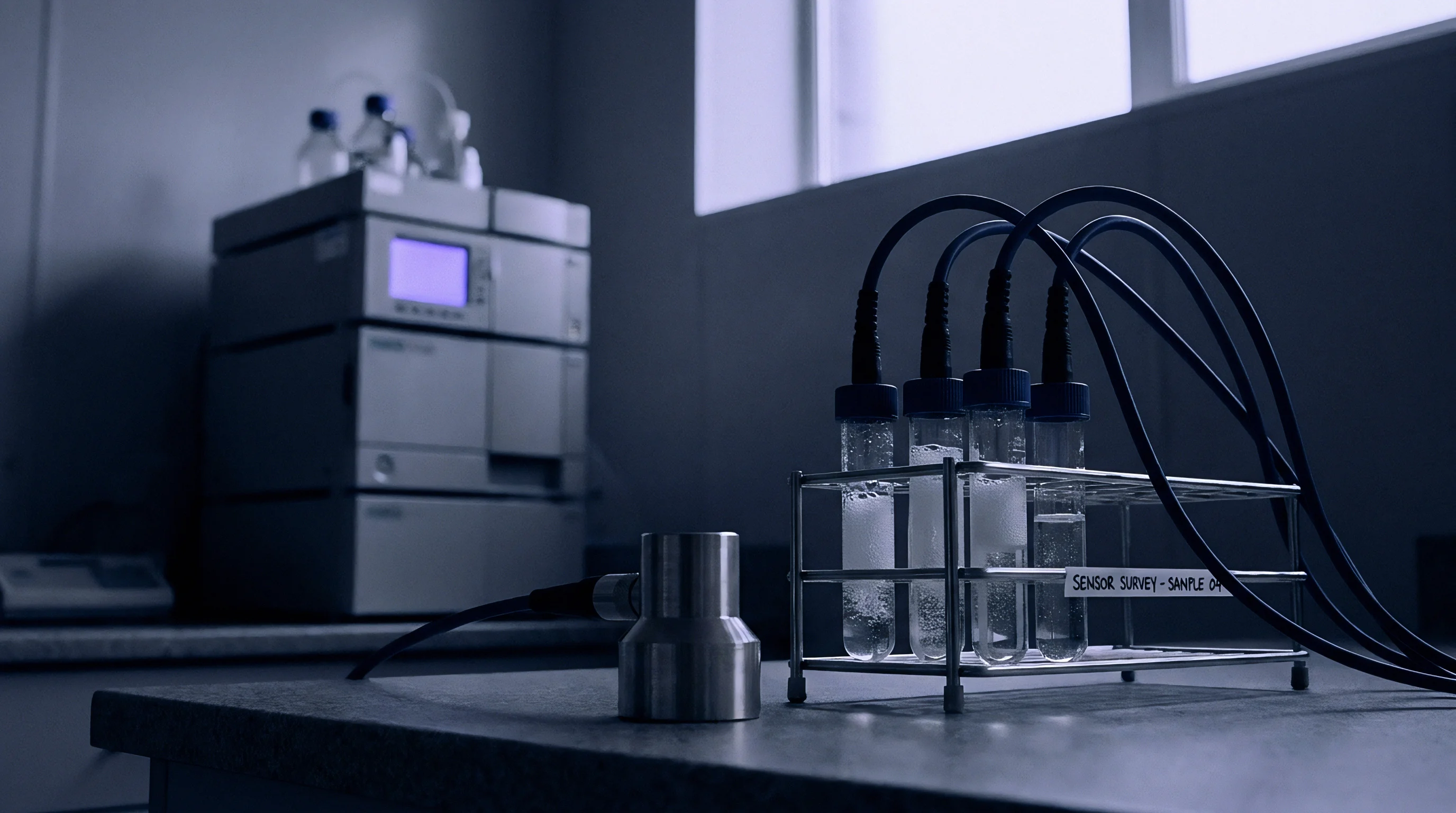
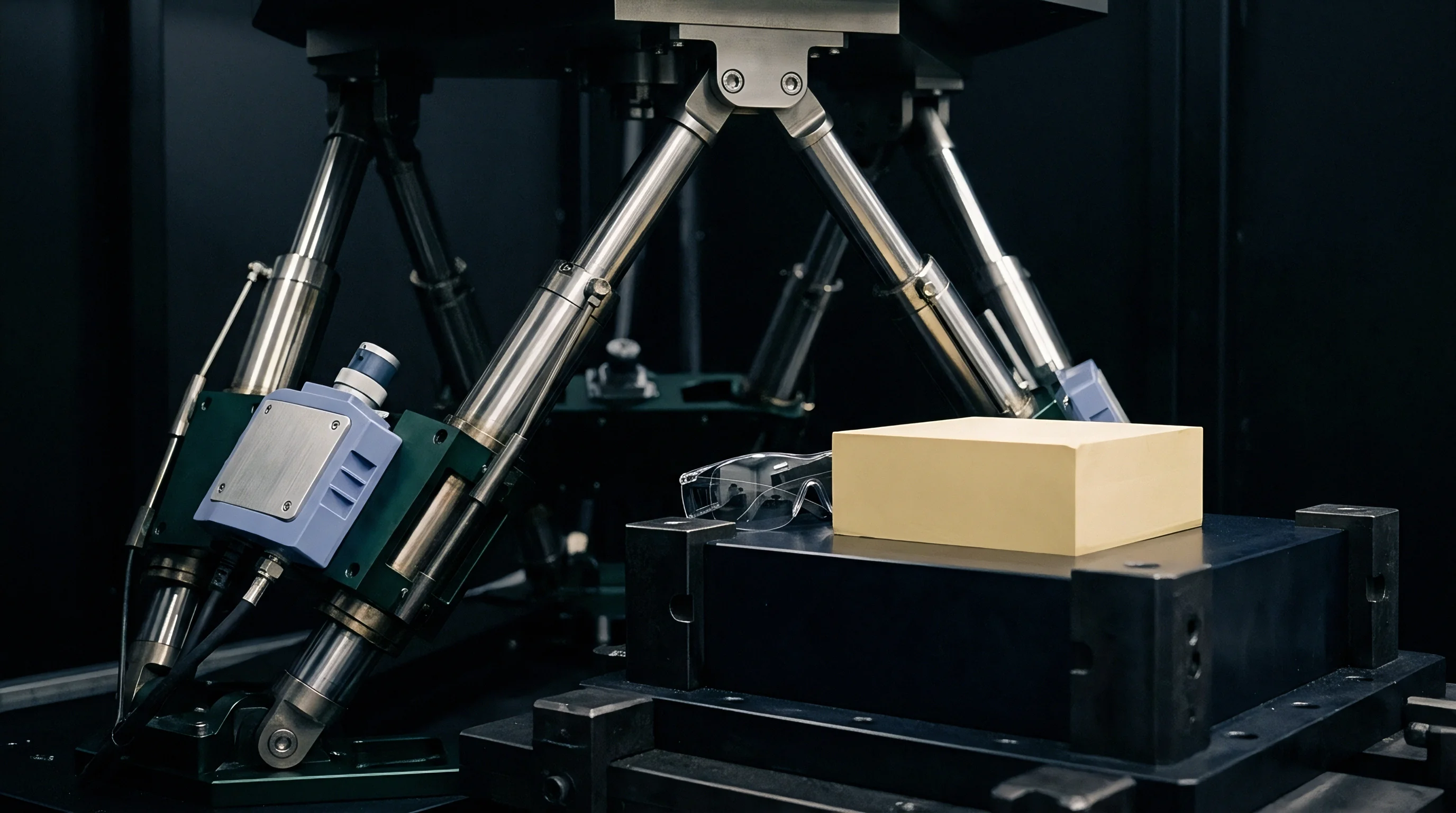
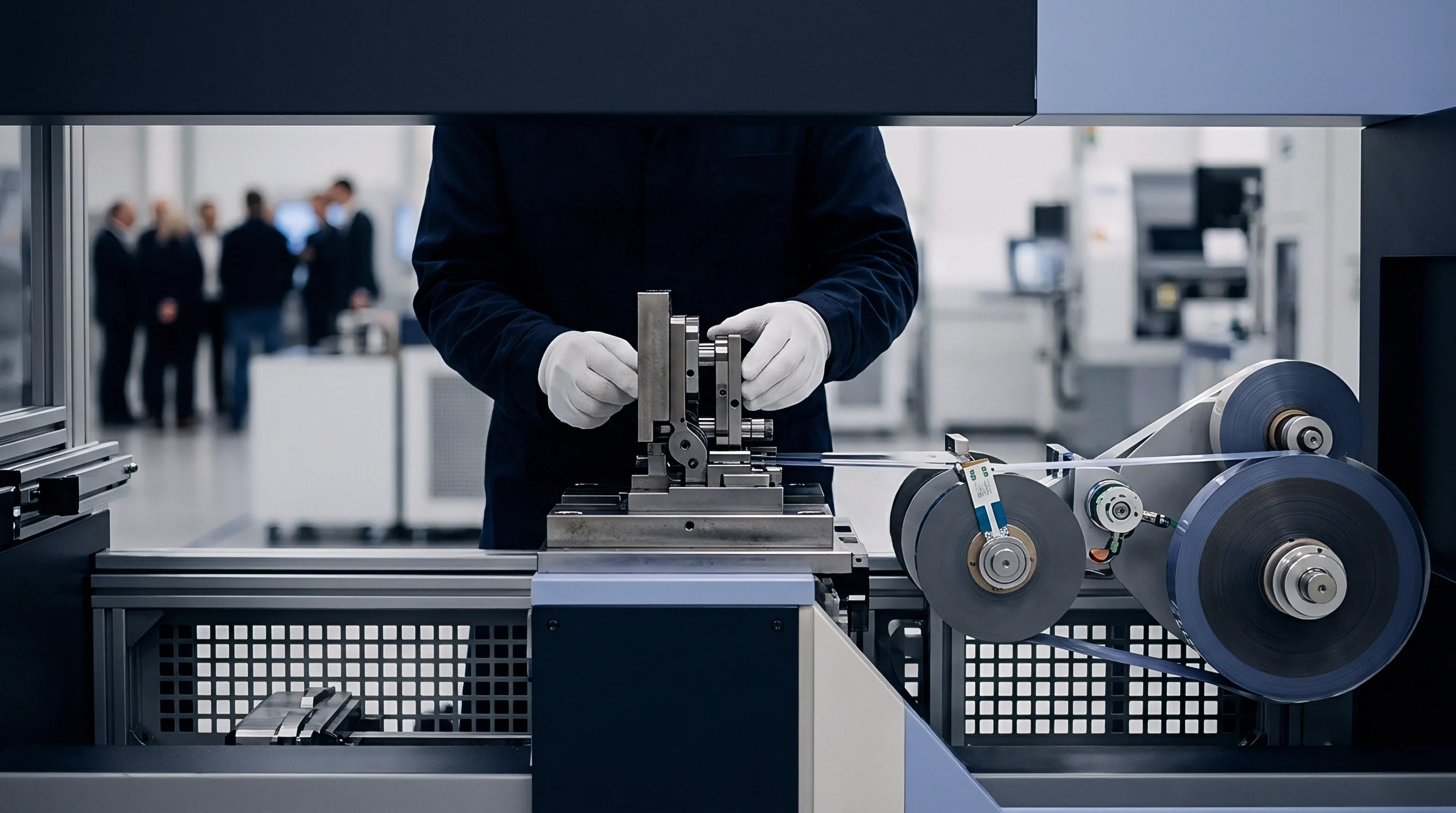
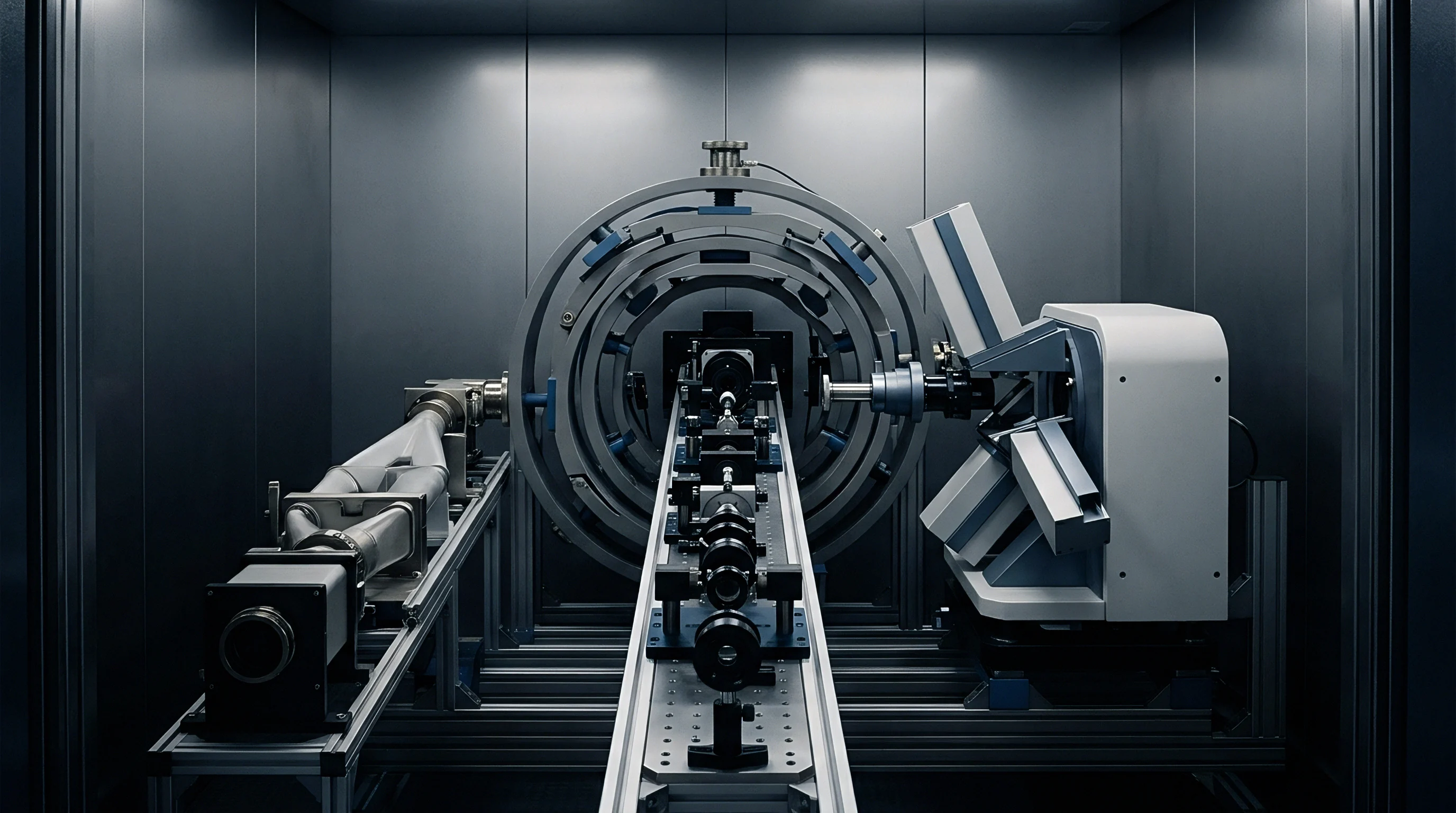
Quantifying non-stationary cross-axis coupling requires ground test rigs that can separate table alignment errors from internal sensor drift. Dynamic multi-axis rate tables inside thermal vacuum chambers replicate flight conditions, driving precise angular velocity vectors while sweeping chamber temperatures and ramp rates. Optical mirrors on the sensor bench track mechanical flexure using external autocollimators, providing independent truth data through thermal cycles.
| Test Phase | Environment Conditions | Input Dynamic Motion | Target Measured Parameter |
|---|---|---|---|
| Thermal Transient Sweep | -20 C to +60 C at 2.0 C/min | Sinusoidal rate sweep 1 to 5 Hz | Temperature-dependent off-diagonal coupling rates |
| Vibration Stress Relief | Random vibe 6.8 g RMS, 3 axis | Static orientation post-vibe | Post-launch baseline alignment shift offset |
| Thermal Equilibrium Step | Dwell at +25 C for 24 hours | Step rates 0.1 deg/s to 10 deg/s | Static residual orthogonality reference floor |
| Vacuum Outgassing Bake | 10 to the minus 6 Torr, +70 C | Continuous low rate rotation | Adhesive creep and structural stress relaxation rate |
Characterization routines run test telemetry through differential state estimators to pull out cross-axis sensitivity coefficients as explicit functions of thermal gradients and acceleration history. Across test campaigns, transient coupling consistently peaks during active thermal transitions rather than at steady-state temperature extremes.
Standard ISO 16063 vibration transducer calibration procedures fail to expose dynamic cross-axis coupling shifts because test profiles omit simultaneous multi-axis thermal ramp dynamics.
A useful screening rule for deep space IMUs is that off-diagonal parameter drift during a two-degree-per-minute thermal ramp should not exceed five times the steady-state noise floor.
Yield
Component Selection and Commercial Sourcing Realities
Procuring inertial sensors that meet deep-space cross-axis orthogonality stability targets involves trade-offs between sensing architecture, screening yield, and unit cost. Space-qualified Hemispherical Resonator Gyroscopes provide better mechanical stability and lower radiation sensitivity than optical sensors, but manufacturing complexity limits supply to a few specialized vendors. Lead times often exceed 18 months, and prices reflect heavy screening requirements.
High-end space-grade Fiber Optic Gyroscopes offer a proven alternative, though thermal sensitivity in the fiber spool demands active thermal control hardware. Commercial MEMS gyroscopes save power, volume, and unit cost, but exhibit severe cross-axis coupling shifts under thermal gradients, requiring individual screening and detailed calibration before flight use.
- Architectural Trade Assessment Hemispherical resonator units provide better structural stability, while fiber optic assemblies show higher sensitivity to thermal gradients and require active thermal management.
- Environmental Screening Verification Screening relies on thermal vacuum rate testing across full mission temperature profiles to cull units showing anomalous stress-induced drift.
- Thermal Management Specification Mechanical mounting interfaces should use low-expansion alloy brackets and thermal isolation barriers to reduce strain transfer into the sensor frame.
- Calibration Parameter Storage Sensor electronics must store multidimensional lookup tables containing off-diagonal coefficients mapped against temperature, thermal rate of change, and acceleration inputs.
Yields for space-grade IMU production fall off sharply when requiring cross-axis orthogonality stability tighter than 2 arcseconds across the operating temperature range. Rejection rates during thermal vacuum testing frequently exceed 35 percent for high-precision lots, raising unit costs. Sourcing strategies must weigh software-side adaptive filter complexity against hardware-side stability limits to set realistic procurement specs.