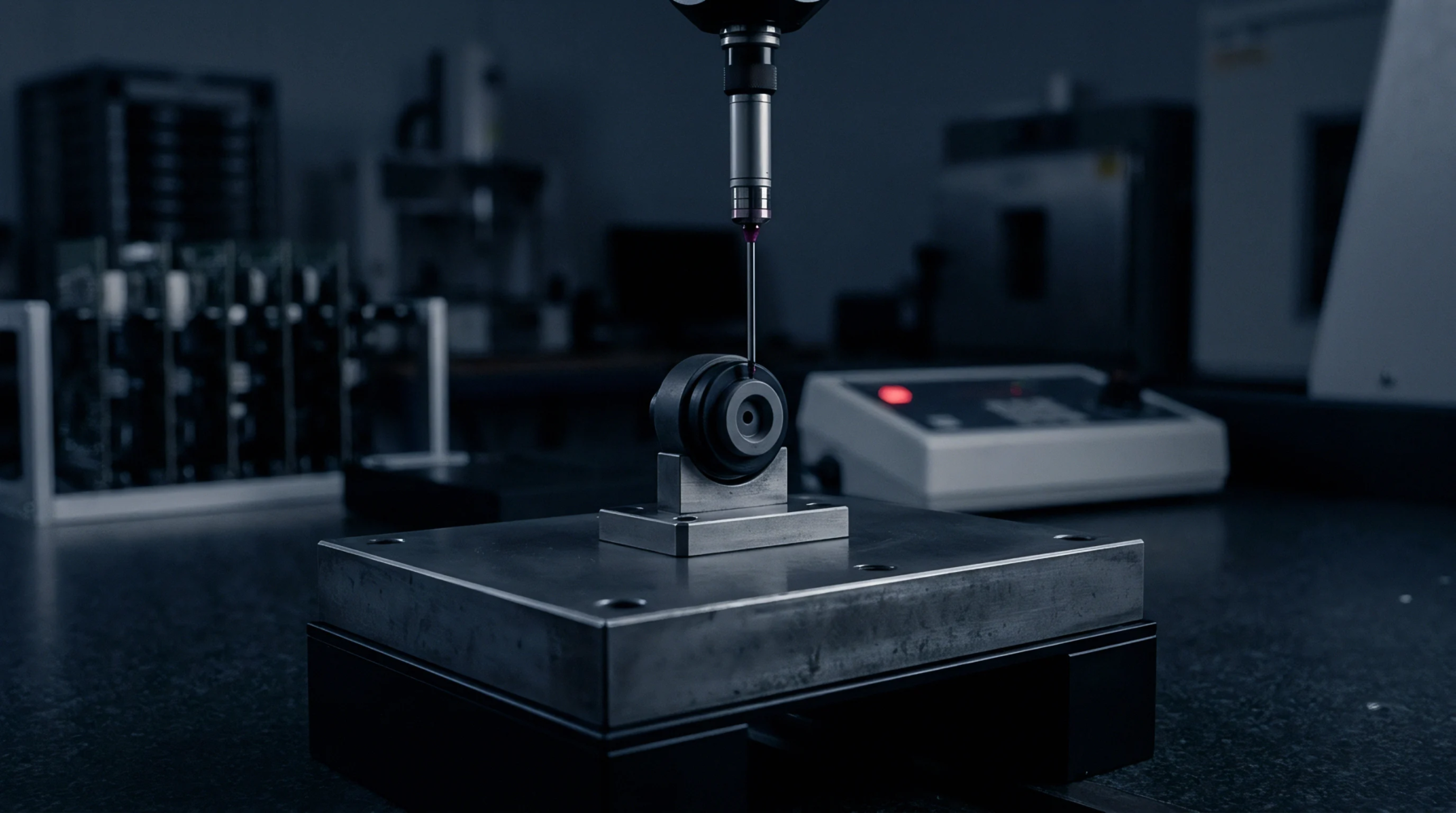
Submicroliter Oil Fill Cavity Dimensional Stability under Extended Cryogenic Thermal Cycling Limits
Submicroliter cavity stability under cryogenic cycling depends on managing fluid volumetric contraction to prevent diaphragm bucking and zero drift.
Submicroliter cavity stability under cryogenic cycling depends on managing fluid volumetric contraction to prevent diaphragm bucking and zero drift.

Encapsulation selection balances gel potting low cost against oil-filled cell thermal stability to control long term zero drift and field recalibration expenses.

Non-Fickian water kinetics in encapsulants create transient swelling stress fronts, driving unmodeled zero-drift in MEMS pressure diaphragms under damp heat.

Dynamic thermal hysteresis in oil filled pressure sensors stems from oil viscoelasticity and cavity thermal lag solvable via rate dependent filtering.

Encapsulated piezoresistive sensor zero drift under cyclic humidity stems from encapsulant swelling strain and viscoelastic creep, requiring Parylene passivation or oil isolation to hold long-term accuracy.
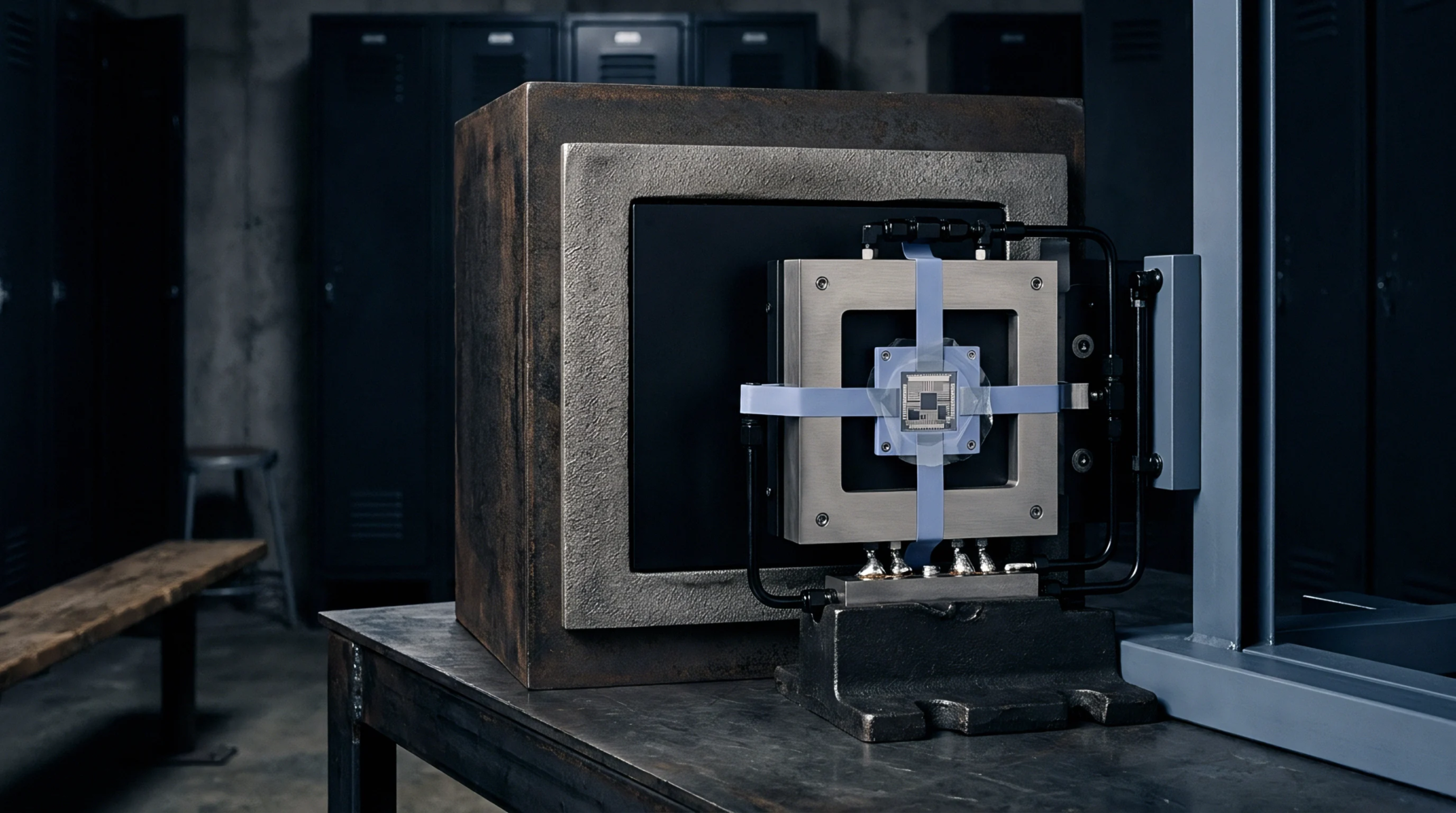
Polymer encapsulant swelling induces parasitic diaphragm stresses that drive zero-offset drift requiring hydrophobic materials or multi-variable digital compensation.

Accelerated incoming thermal soak verification exposes latent transducer parameter drift within 48 hours, enabling quantitative C=0 lot rejection before production integration.
Expertise is a utility, not a secret. sentiention™ publishes its working knowledge as open reference: intelligence layer covering the materials it sources, the markets it enters, and the reference that serves both.