
Epoxy Compound Moisture Diffusion Kinetics during Reflow
Epoxy compound moisture absorption generates critical steam pressures during lead-free reflow, demanding strict MSL dry-pack handling to prevent internal delamination.
Epoxy compound moisture absorption generates critical steam pressures during lead-free reflow, demanding strict MSL dry-pack handling to prevent internal delamination.
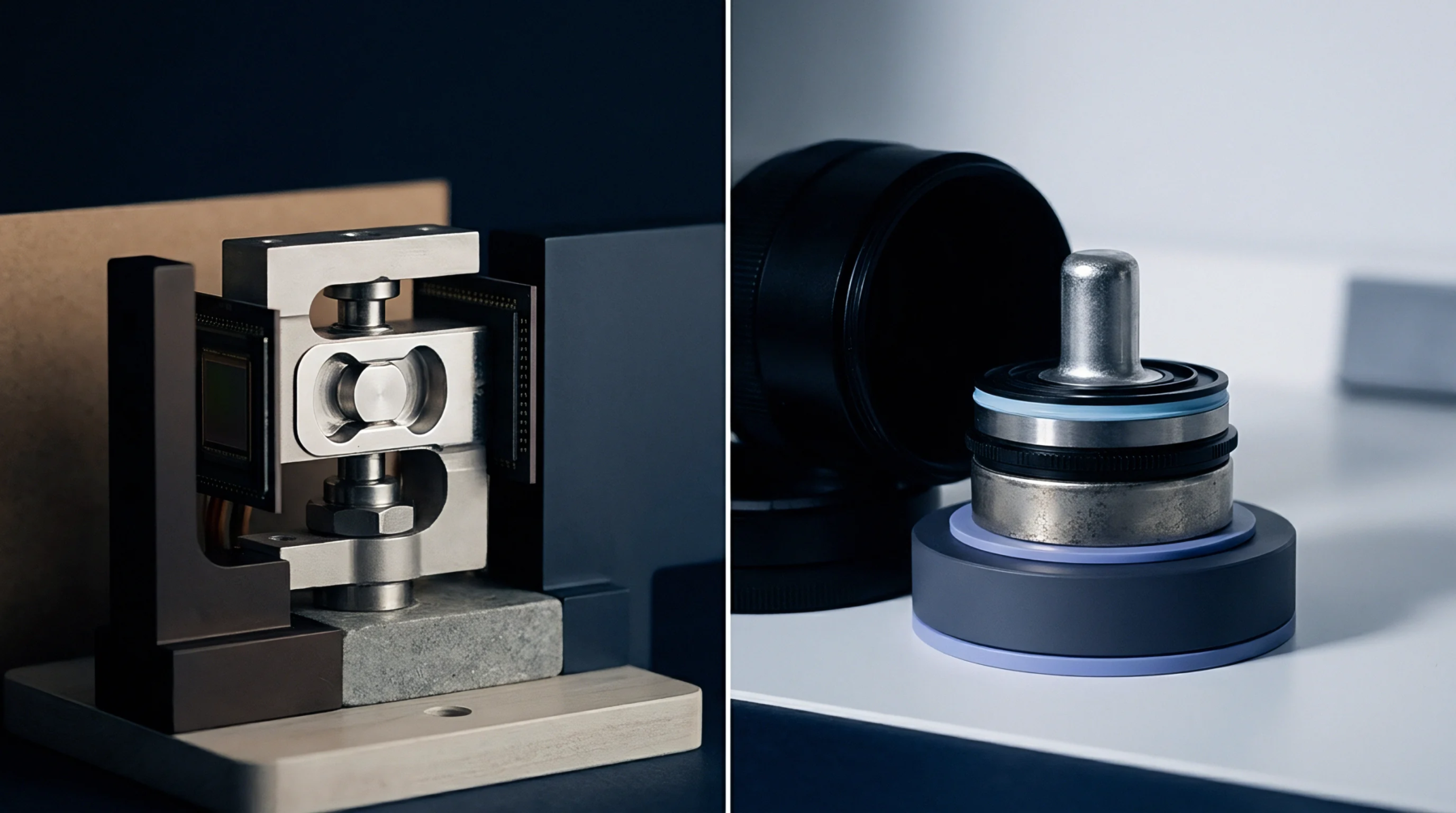
Board strain during reflow shifts MEMS digital offsets via CTE mismatch, requiring PCB keep-out zones, low-stress footprints, and 72-hour room-temp stabilization.
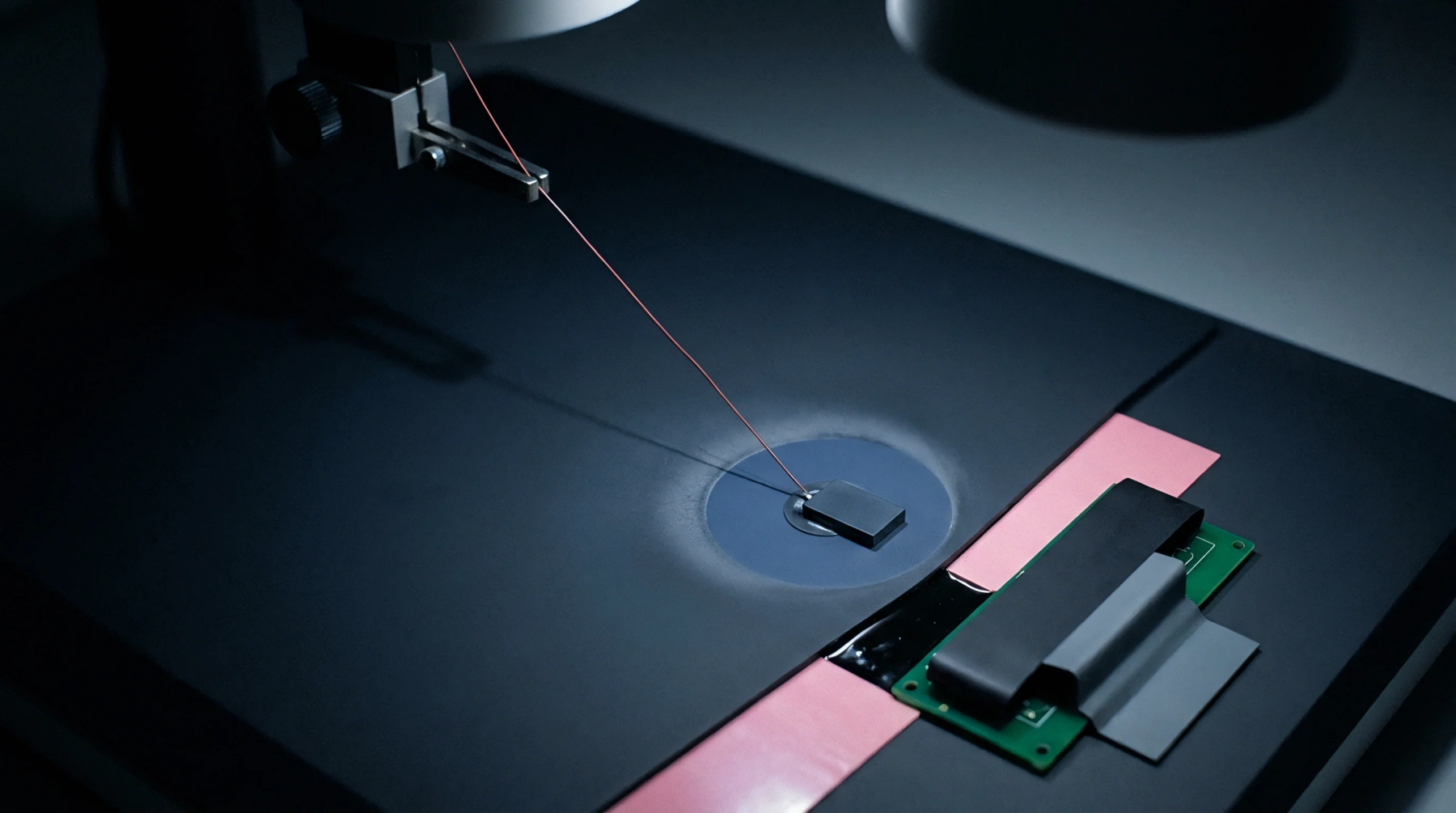
Mechanical board flex induces stress tensor shifts in calibrated silicon die, driving output register offsets beyond rated least significant bit tolerances.

Sensor package choice dictates board layout tolerances, bus signal integrity, driver firmware complexity, and final landed unit economics across production volumes.

Board flexure transfers surface strain into sensor packages via shear lag mechanics, where higher standoff height and low-modulus interconnects attenuate die stress and offset drift.
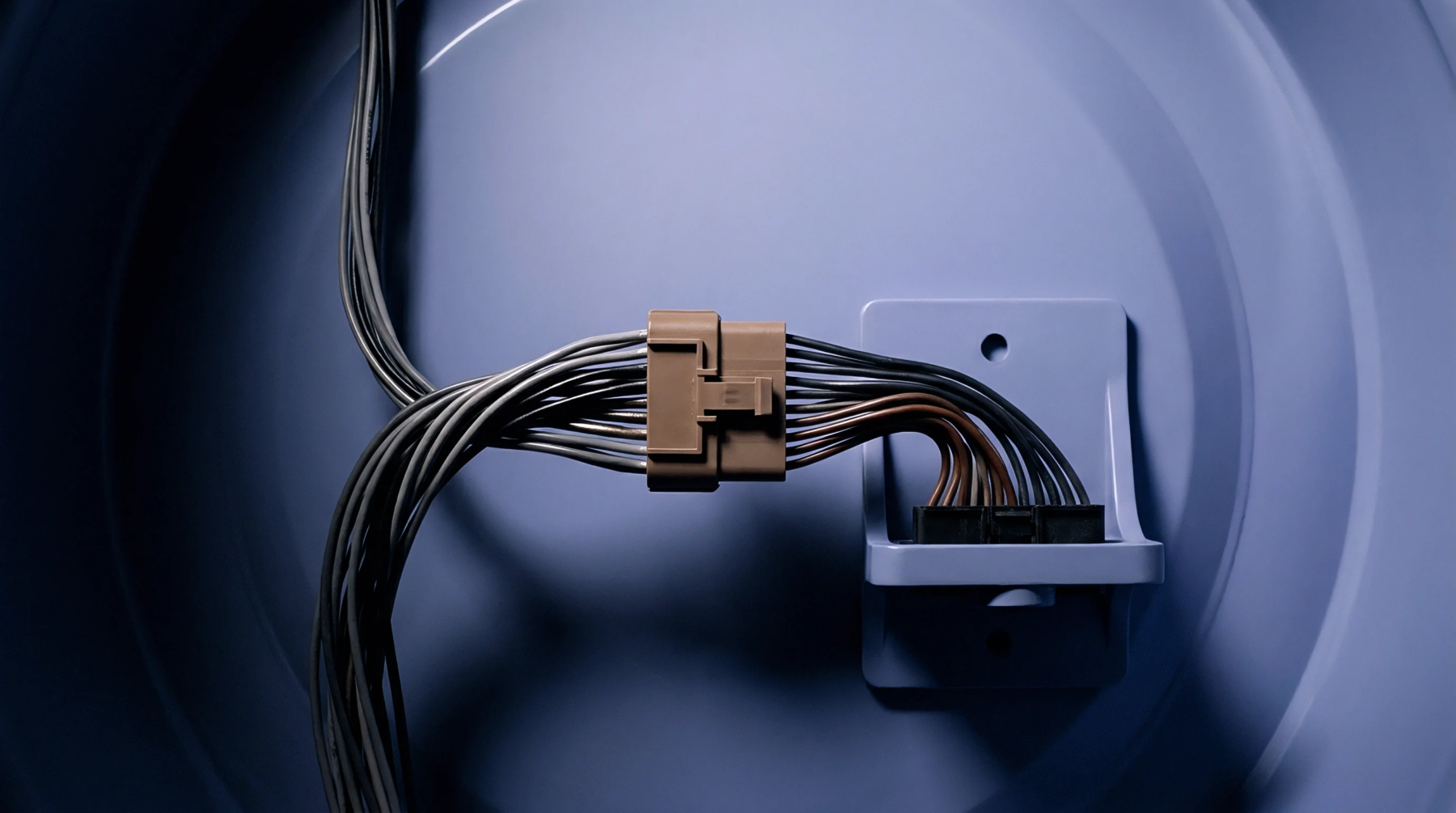
Resolve I2C address collisions using dedicated bus switches, inline XOR translators, or dynamic GPIO strapping to isolate identical device addresses.

Selecting surface mount sensor packages requires balancing land-pattern mechanical stress and reflow limits against bus integration effort and unit yield cost.

Interconnect parasitic shifts degrade return loss and collapse eye margins, forcing board-level copper compensation and firmware-driven equalization offsets.
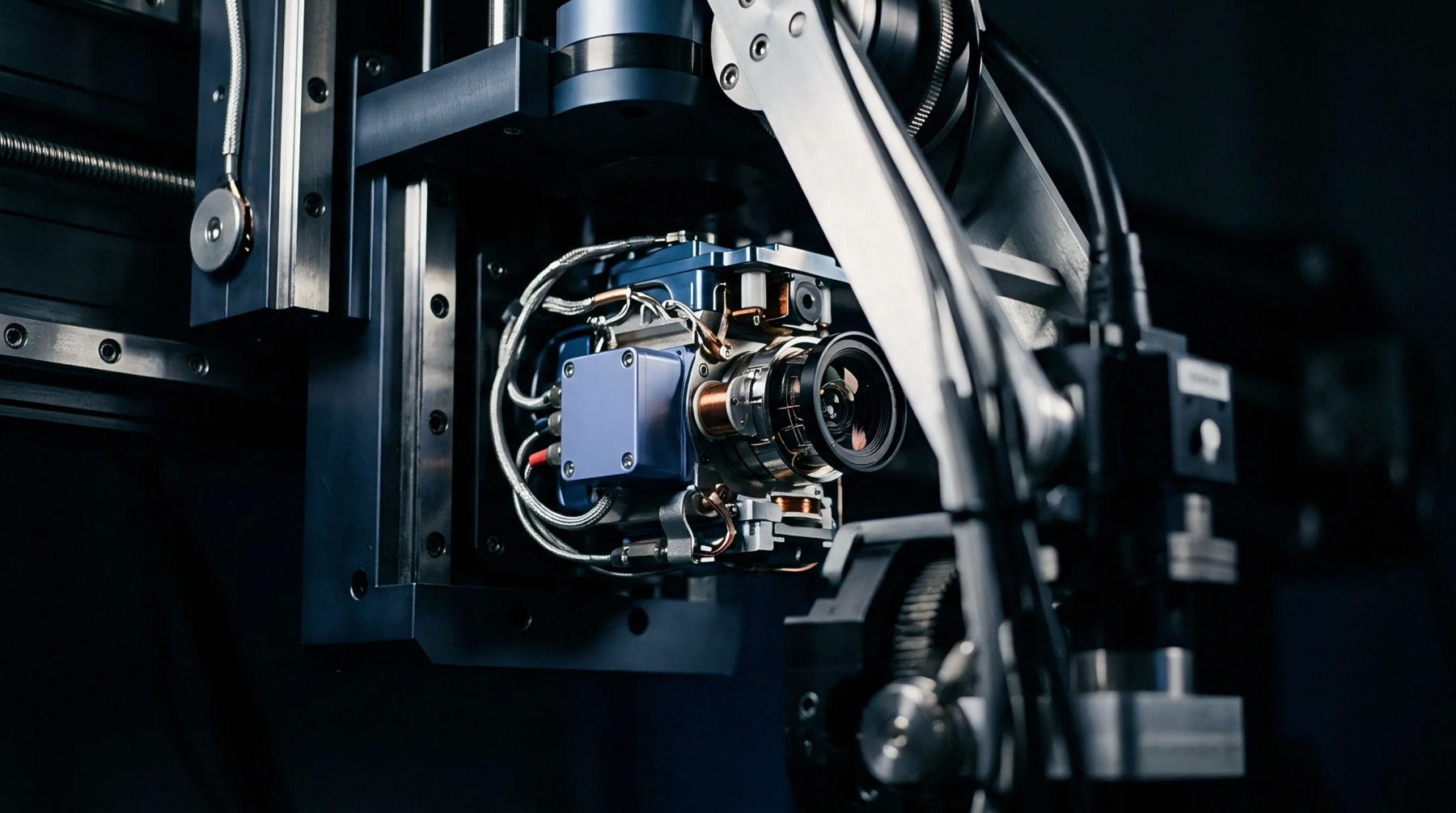
Substrate-induced thermal shear shifts dual-axis capacitive MEMS bias by altering differential electrode gaps unless isolated by compliant anchor suspensions.

Firmware abstraction layers add significant processor cycle overhead that inflates wake times and forces expensive microcontroller hardware upgrades.
Factory-calibrated modules eliminate board-level thermal stress drift through mechanical decoupling and pre-programmed trim, justifying higher unit costs.

MSL classification dictates component allowable atmospheric exposure prior to reflow to prevent catastrophic internal delamination and joint failure.

Lead-free solder creep relaxes reflow shear stress at ambient storage temperatures, tilting MEMS anchors and driving uncalibrated zero drift over time.

Post-reflow zero-point drift stems from package-to-board thermal expansion mismatch, demanding compliant leads or post-assembly firmware calibration.

Surface mount sensor stepping verification relies on querying internal silicon revision registers over digital buses during automated board testing.

Wafer level packaging couples board assembly strain directly to MEMS suspensions, demanding mechanical anchor isolation to prevent irreversible bias drift.

JESD48B establishes six-month buy and ship windows, but MEMS packaging closures demand immediate firmware and mechanical layout audits to prevent production halts.

Semiconductor allocation engines balance client margins, past intake accuracy, and packaging bottlenecks to ration components through linear programming rules.

Ambient moisture absorption into plastic packaging drives mechanical swelling strain, inducing uncalibrated offset drift and sensitivity shifts in MEMS dies.
Dual-stage sorption causes unmodeled moisture retention at reflow, requiring dry-pack verification and register offset trim to prevent delamination and drift.

Dynamic asymmetric thermal cycles induce unrecoverable solder creep that relaxes packaging stresses, shifting precision sensor baselines over operating time.
Calculate viscoelastic stress transfer by fitting multi-mode Prony series DMA data and applying Arrhenius-corrected shift factors under thermal cycling dwells.

Active bus accelerators and differential transceivers preserve signal integrity across high-capacitance sensor lines by isolating slow capacitive RC edges.
Cascade multi-tier buses by matching loaded line impedances and limiting physical stub lengths to under one-third of the signal edge transition length.
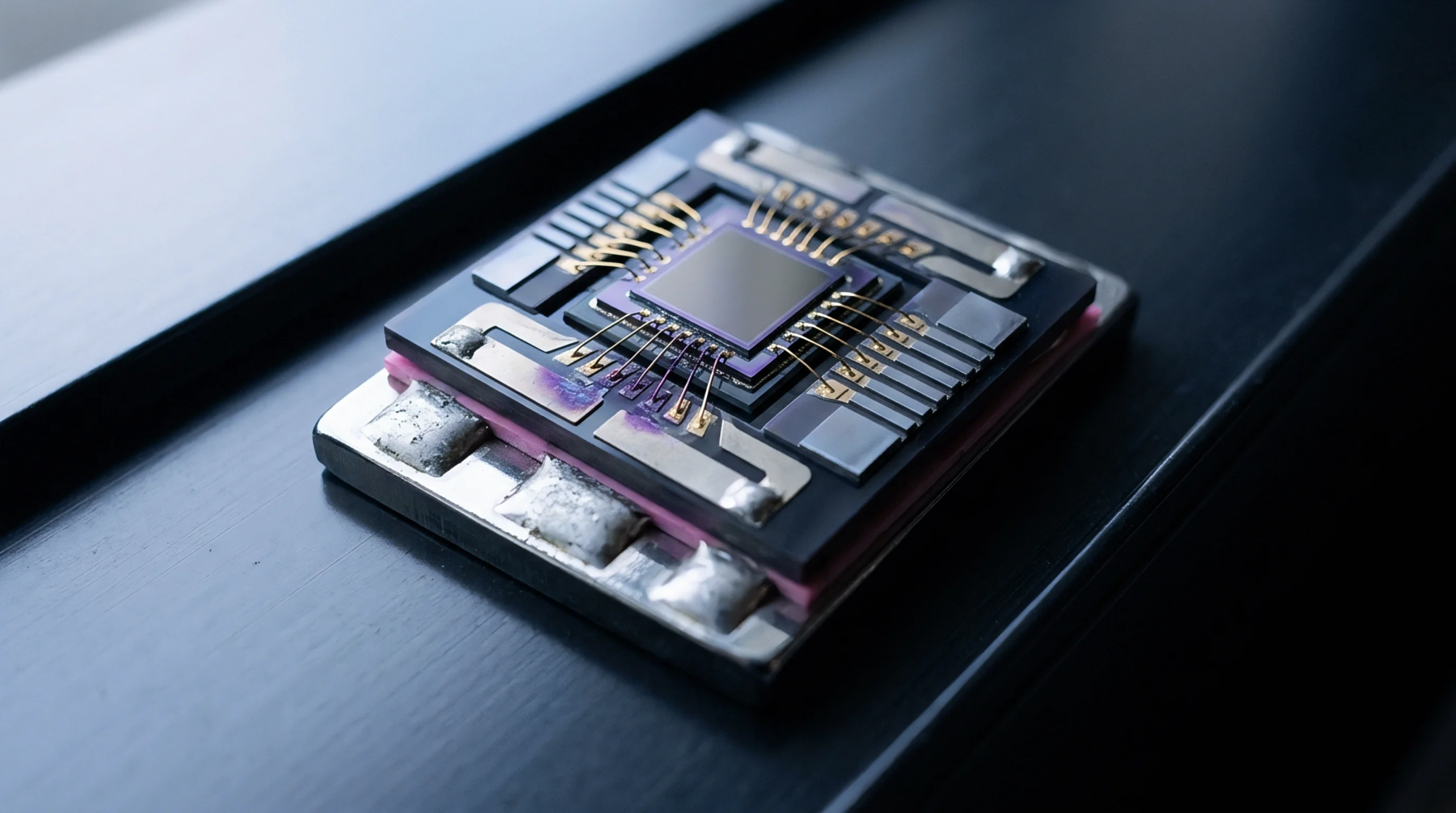
Out-of-plane thermal expansion failures in high-density sensors are resolved by balancing copper layers and configuring dynamic offset registers.
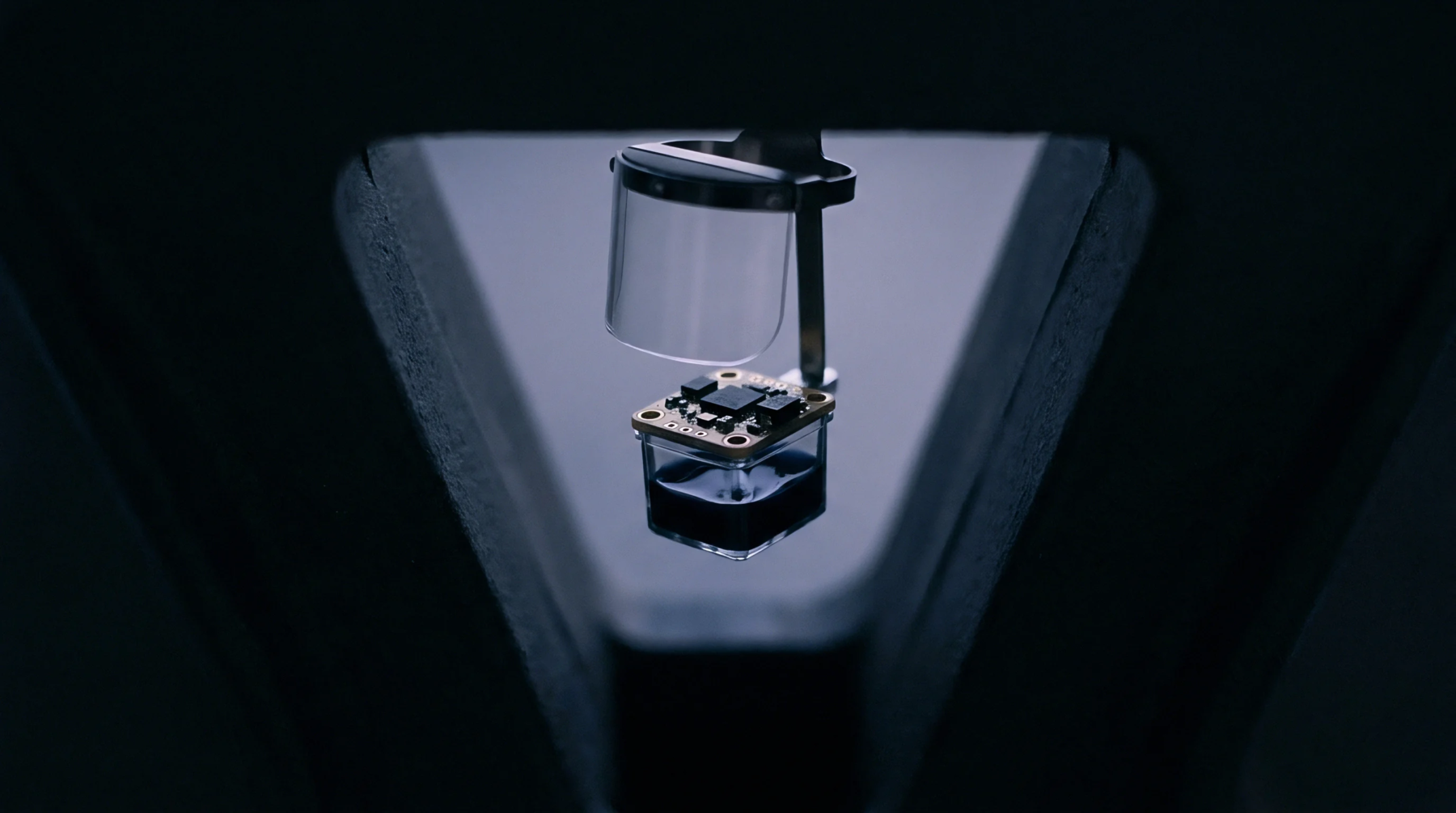
Board stress relief trenches isolate MEMS altimeter sensors from thermal and flexural strain, preserving sub-pascal accuracy and preventing zero-point calibration drift.

Silicon stepping registers provide unambiguous hardware verification, ensuring firmware driver compatibility and protecting production lines from unannounced die alterations.

Factory-calibrated pressure sensors beat in-house thermal test cells below one hundred thousand units where fixture capital and thermal dwell times dominate.
Post-reflow thermal drift in LGA transducers stems from viscoelastic substrate relaxation, demanding controlled isothermal conditioning before calibration.

Polymeric underfill relaxation alters MEMS package stress over time, requiring Prony series viscoelastic modeling to prevent field baseline calibration drift.
Expertise is a utility, not a secret. sentiention™ publishes its working knowledge as open reference: intelligence layer covering the materials it sources, the markets it enters, and the reference that serves both.