
Process Tolerance Stack Calculation for Ultra Fine Pitch Land Footprints
Calculating tolerance stacks for ultra fine pitch footprints prevents solder bridging and open circuits by allocating variations across board etch and placement.
Calculating tolerance stacks for ultra fine pitch footprints prevents solder bridging and open circuits by allocating variations across board etch and placement.
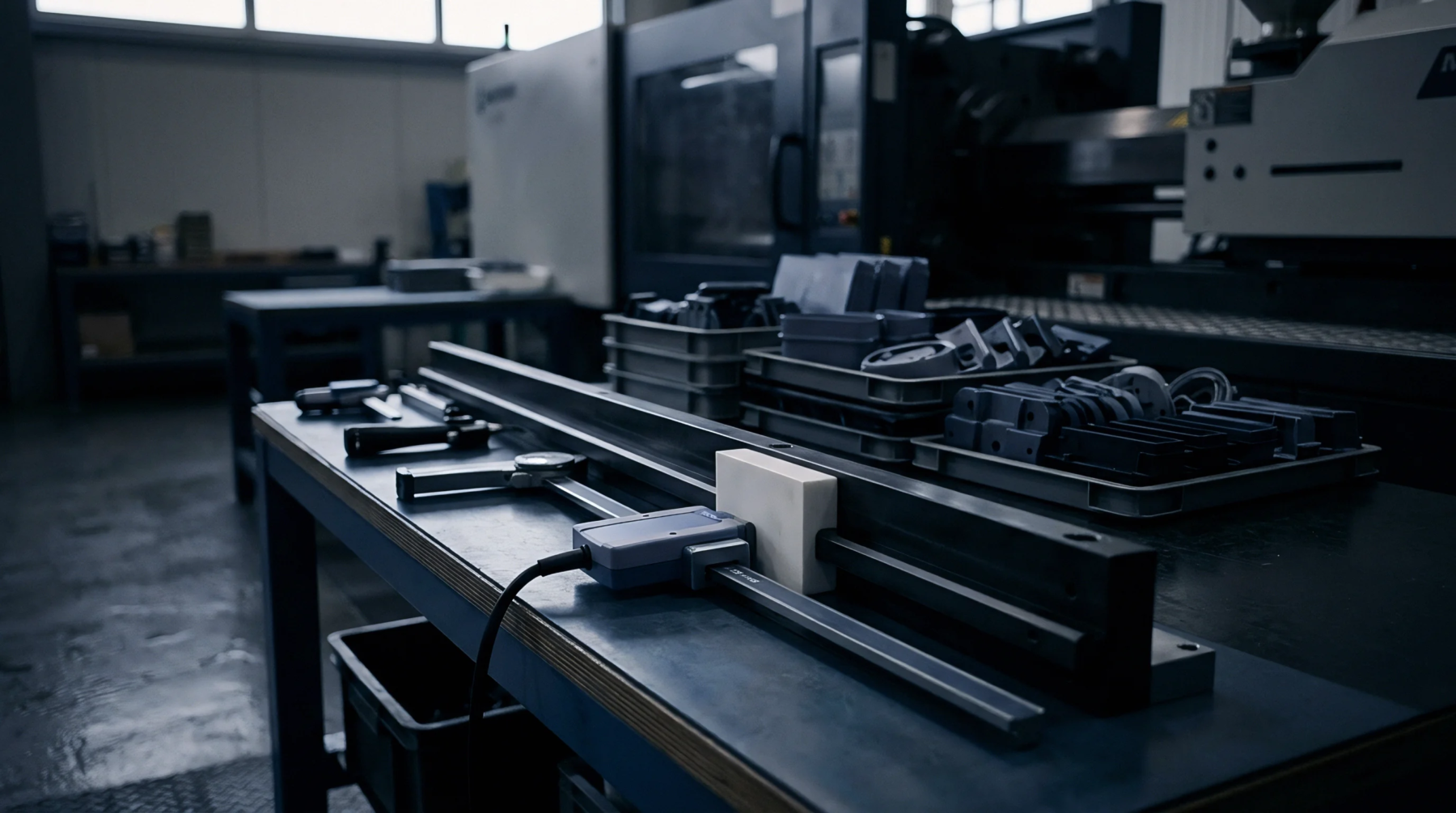
Transient hygrothermal diffusion modeling predicts mold compound swelling, prevents reflow popcorning, and eliminates sensor zero-point drift.

Symmetric land copper balancing and 35 percent stencil aperture segmentation suppress reflow tilt and piezoresistive offset drift in asymmetric BTC packages.

Holding land pattern pad widths to plus or minus twenty-five micrometers isolates MEMS sensing elements from board warpage and eliminates post-reflow zero drift.

Enforce J-STD-046 purchase covenants, lock silicon revision registers, and wrap sensor drivers in boundary assertion traps to block unannounced die changes.

Central anchor micro-gimbals and matched thermal expansion substrates isolate MEMS transducer elements from board bending to maintain sub-pascal baseline stability.

Uncalibrated silicon dies in molded plastic packages experience zero-point drift from polymer cure shrinkage, moisture absorption, and substrate flexure strain.

Modeling solder viscoplastic creep relaxation predicts MEMS die strain and prevents long-term zero-point offset drift in surface-mounted sensor packages.

Multiaxial viscoplastic solder creep models predict package fatigue life by integrating rate dependent strain components under dynamic thermal gradients.
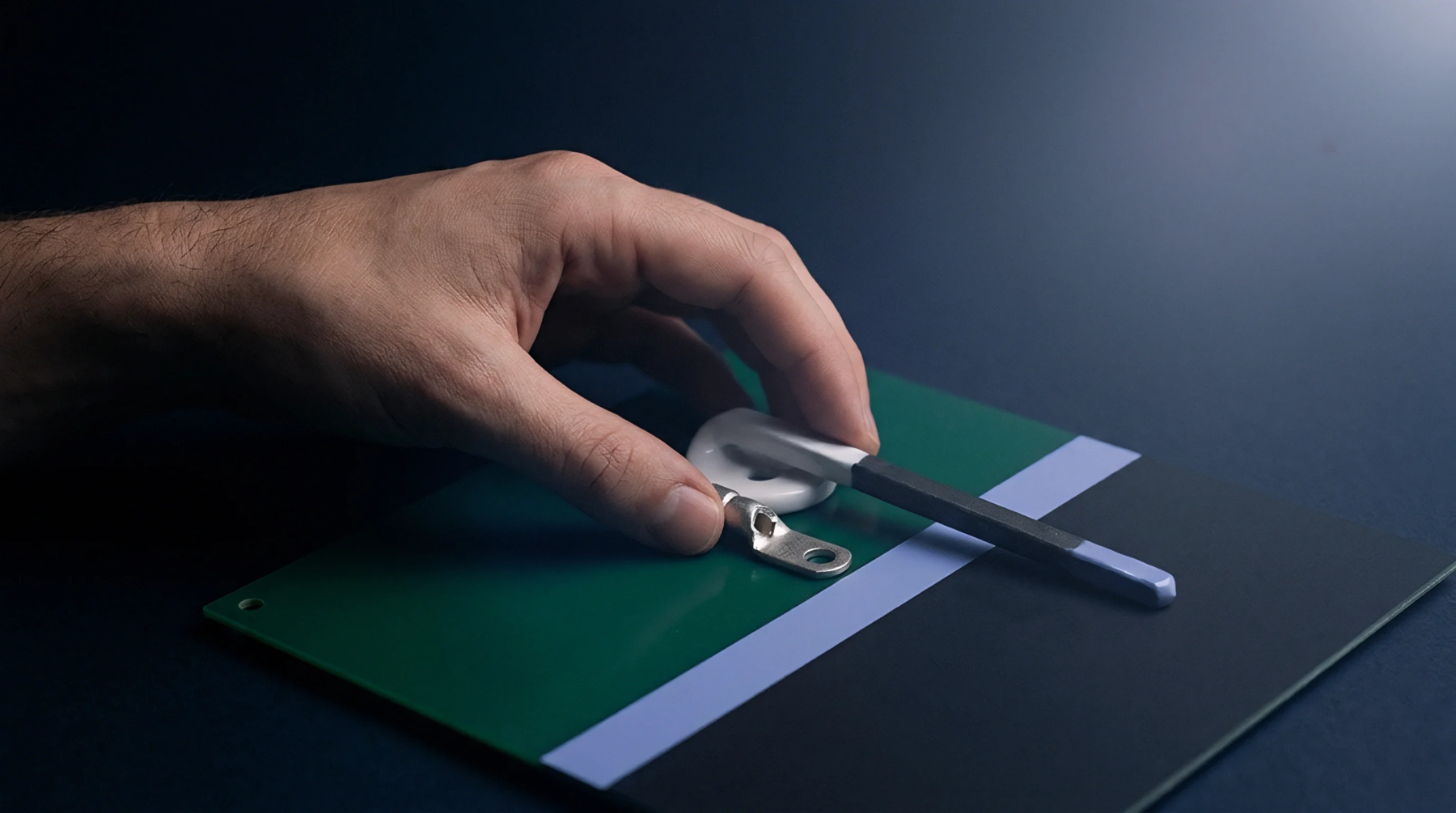
Substrate viscoelastic shear relaxation drives post-reflow sensor zero-point drift, requiring high-Tg resins, strain-decoupled pads, or host software recalibration.
Expertise is a utility, not a secret. sentiention™ publishes its working knowledge as open reference: intelligence layer covering the materials it sources, the markets it enters, and the reference that serves both.