
Accreditation Scope as the Line between a Certificate and a Printout
An ISO/IEC 17025 logo proves accreditation only for parameters and ranges explicitly listed on the laboratory active schedule of scope.
An ISO/IEC 17025 logo proves accreditation only for parameters and ranges explicitly listed on the laboratory active schedule of scope.

Variable acceptance sampling under ANSI ASQ Z1.9 reduces sample size by 70 percent while enforcing strict consumer risk bounds on transducer lot audits.
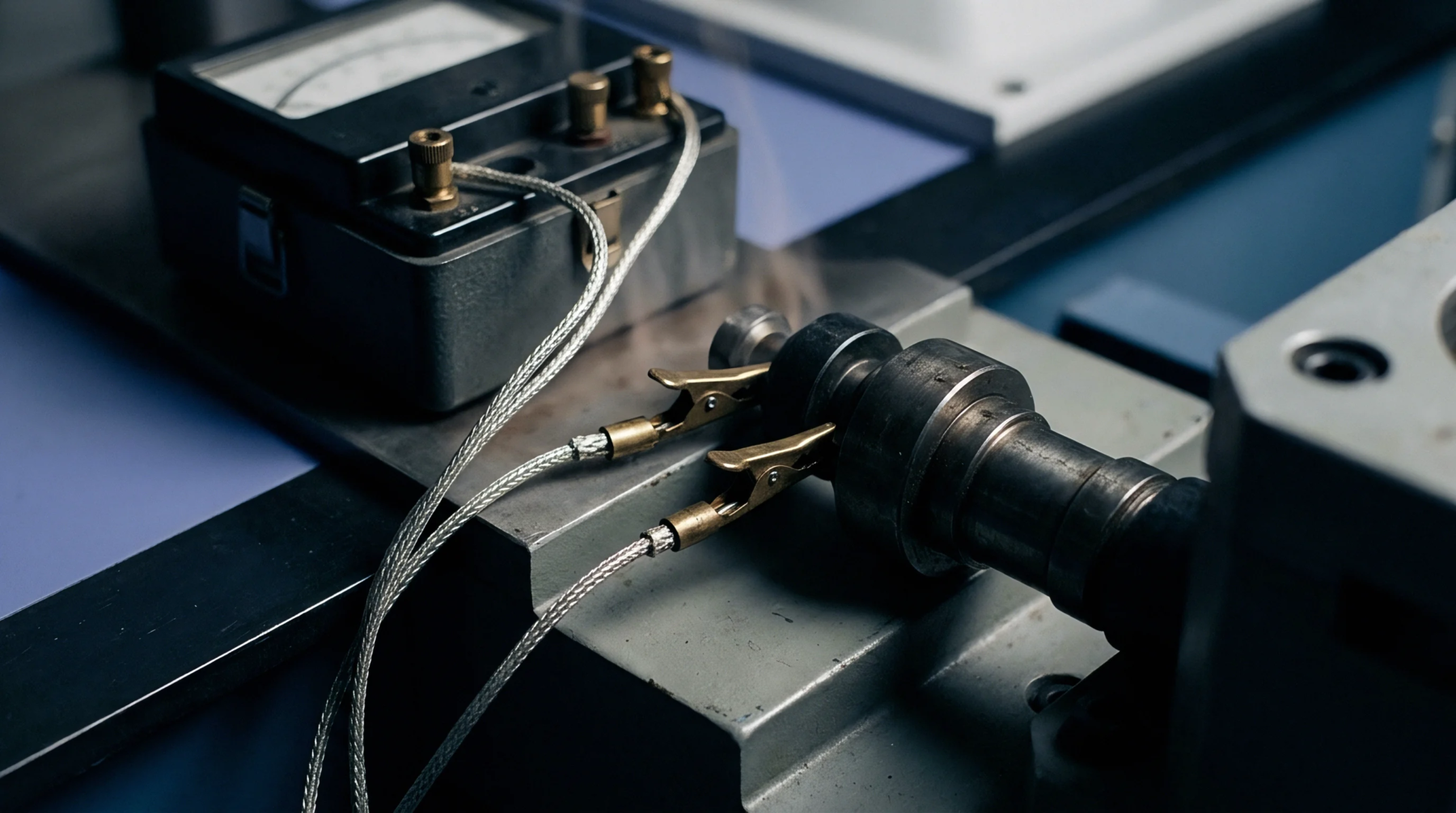
Unbudgeted sensor thermal settling times and hysteresis generate severe measurement errors, demanding mandatory package-level soak protocols to preserve field accuracy.
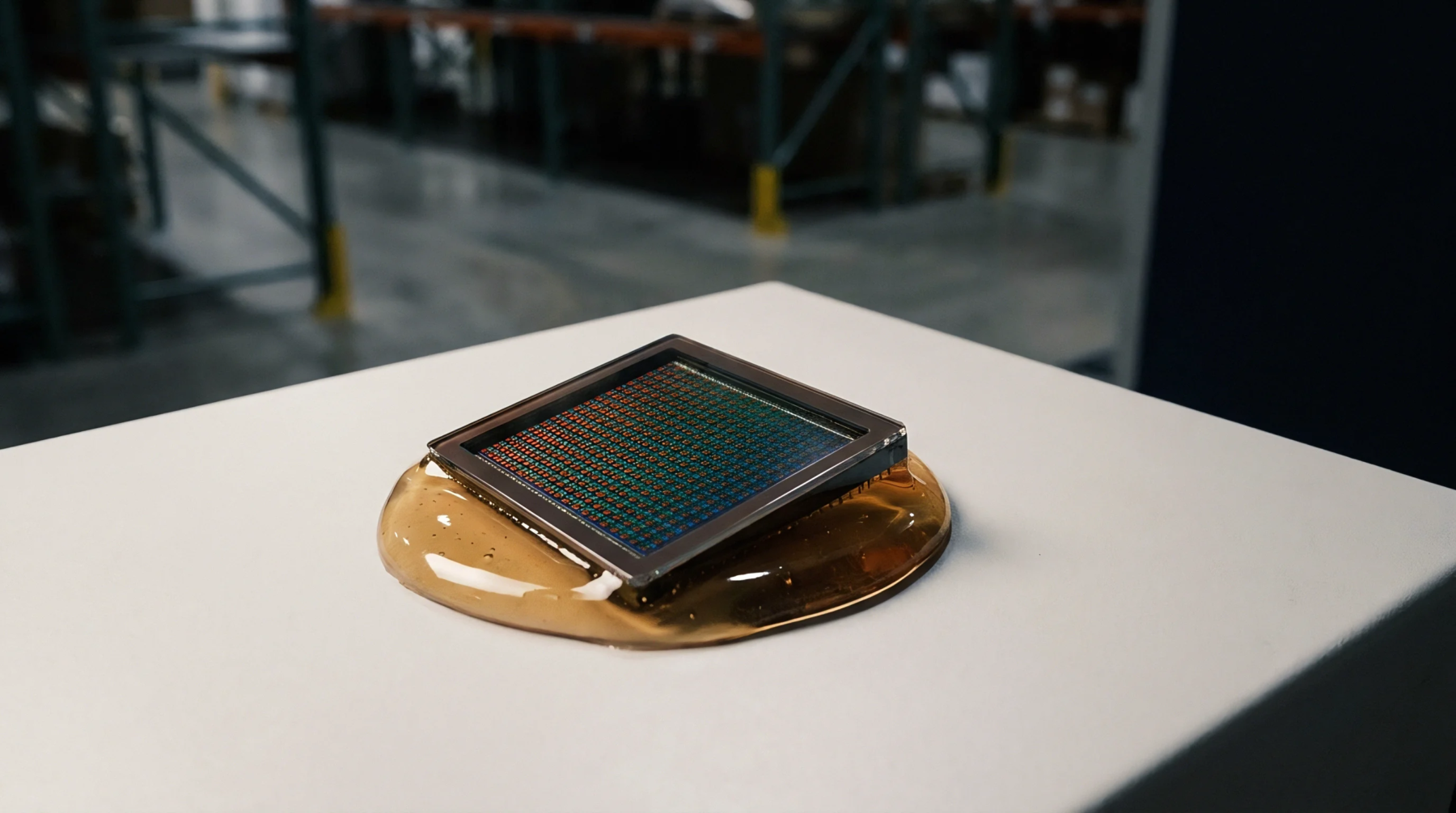
Dynamic moisture ingress into piezoresistive sensor encapsulants expands thermal hysteresis by up to 0.25% FSS, requiring humidity-conditioned calibration.

Cross-border supply disputes resolve only when contracts define referee laboratory selection, expanded uncertainty budgets, and guard-banding rules under ISO 14253-1.

Evaluating sensor certificates requires auditing expanded uncertainty, coverage factors, and environmental test bounds to ensure data defensibility.

Generalized Maxwell models under cryogenic thermal ramps require Arrhenius shift functions and thermal lag compensation to accurately predict stress relaxation bounds.

Thermal zero drift calibration of piezoresistive pressure transducers requires precise thermal soak equilibrium, bridge resistance thermometrics, and low-order polynomial matrix surface fitting to achieve residual zero offset errors below 0.05 percent of full-scale output across broad operating temperatures.

Sensor accuracy price curves scale exponentially because higher tiers demand longer thermal chuck dwell times, lower silicon yields, and guard-banded calibration.
When two laboratories return conflicting calibration values for the same sensor unit, calculate the normalized error ratio to isolate systemic lab bias from valid measurement uncertainty.

Calibration maps sensor error against traceable standards, while drift stems from physical aging, mechanical strain, and environmental stress over time.

Dynamic environmental transfer artifact drift verification requires non-linear hysteresis modeling to maintain absolute calibration uncertainty within 0.05% of full scale across thermal cycles.
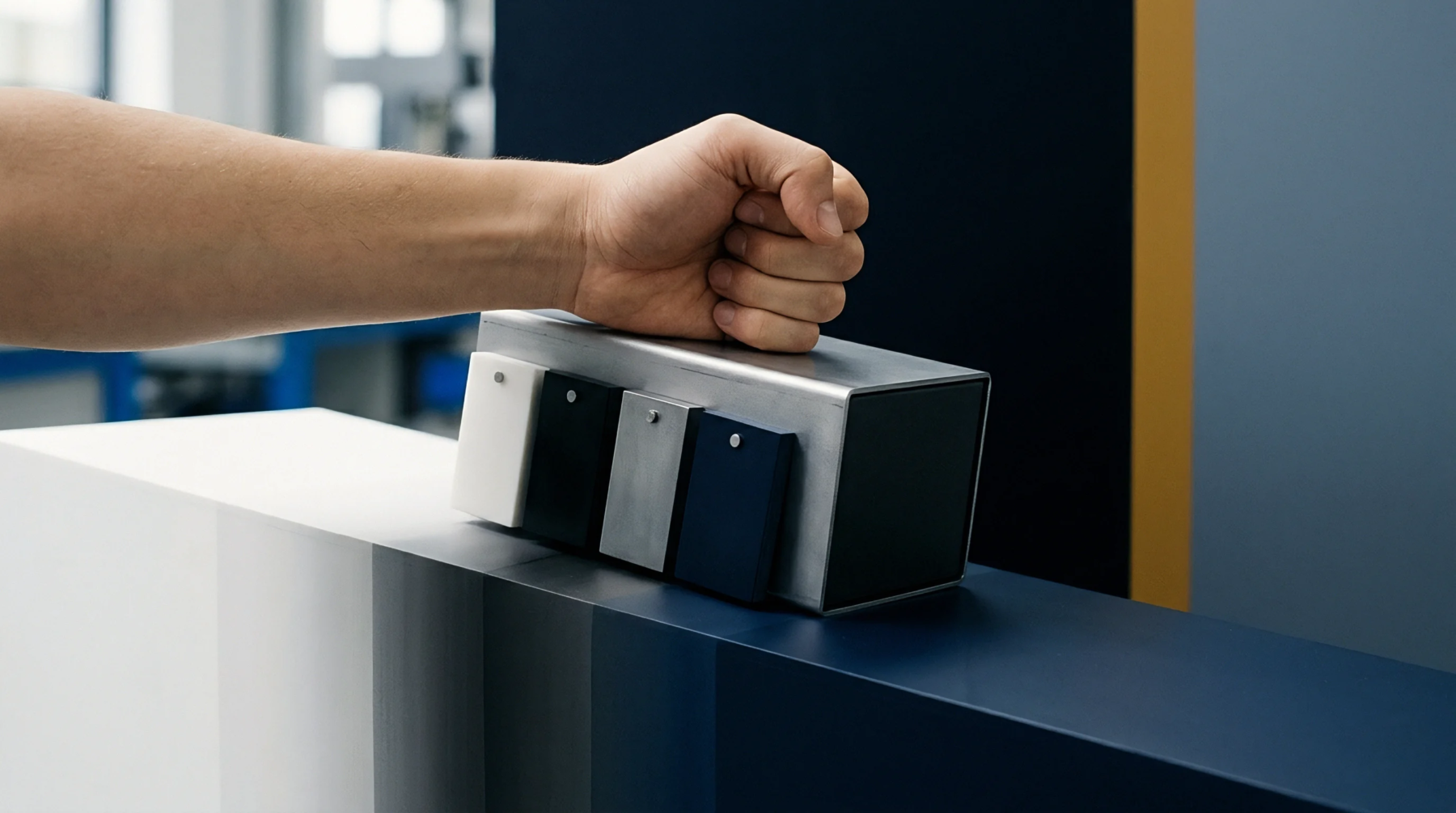
Evaluating submersible oceanographic calibration certificates requires verifying ISO 17025 scopes, polynomial fit residuals, and expanded uncertainty budgets.

Calculating normalized error scores isolates facility bias from measurement noise by evaluating raw offsets against combined expanded uncertainties.

Room-temperature sensor calibrations omit outdoor thermal drift coefficients, expanding real field uncertainty far beyond published baseline claims.
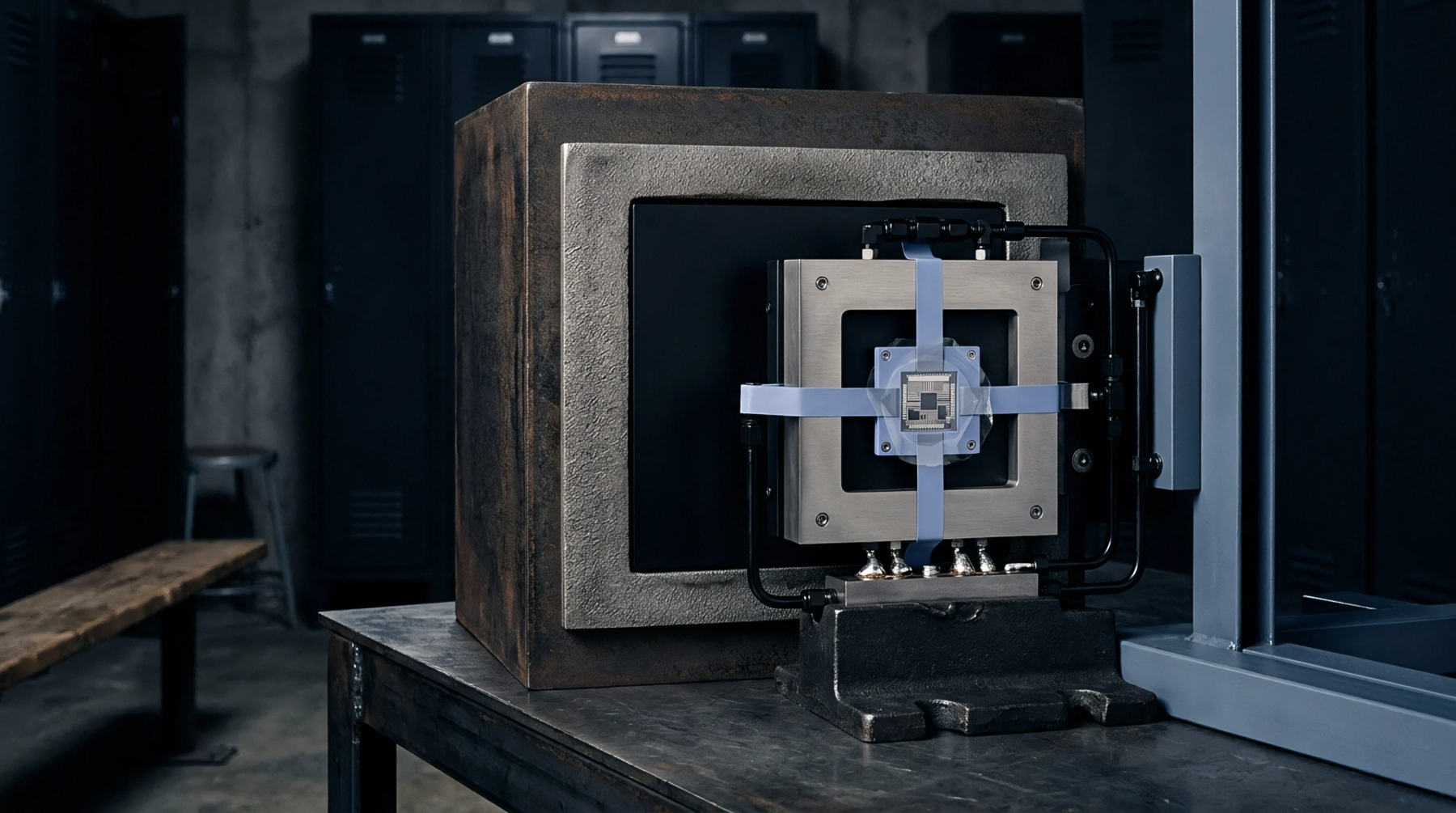
ISO/IEC 17025 uncertainty evaluation combines Type A and B inputs into expanded budgets and applies guardbanded decision rules to manage risk.

Submersible sensor accuracy requires unbroken ISO 17025 traceability and pressure-thermal uncertainty budgets to prevent costly subsea deployment failures

Lot acceptance for high-temperature MEMS sensors requires GUM uncertainty budgets and guardbanding to mitigate consumer risk across severe thermal envelopes.

Wafer trim establishes initial sensor accuracy classes, but package stress and thermal drift determine field performance and calibration costs.
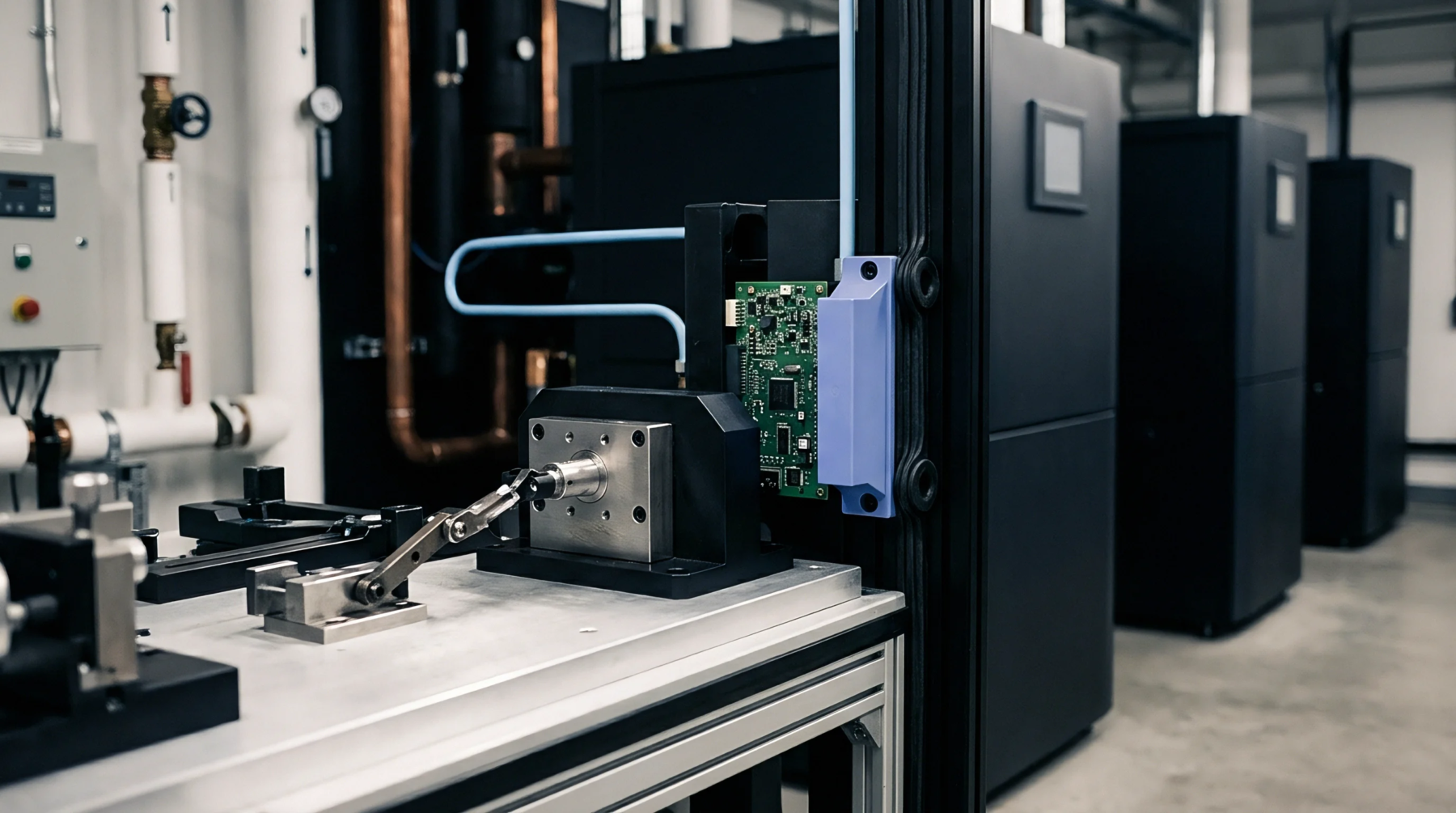
Reconciling divergent calibration certificates requires auditing lab scopes, matching test conditions, and computing normalized error ratios before retesting.
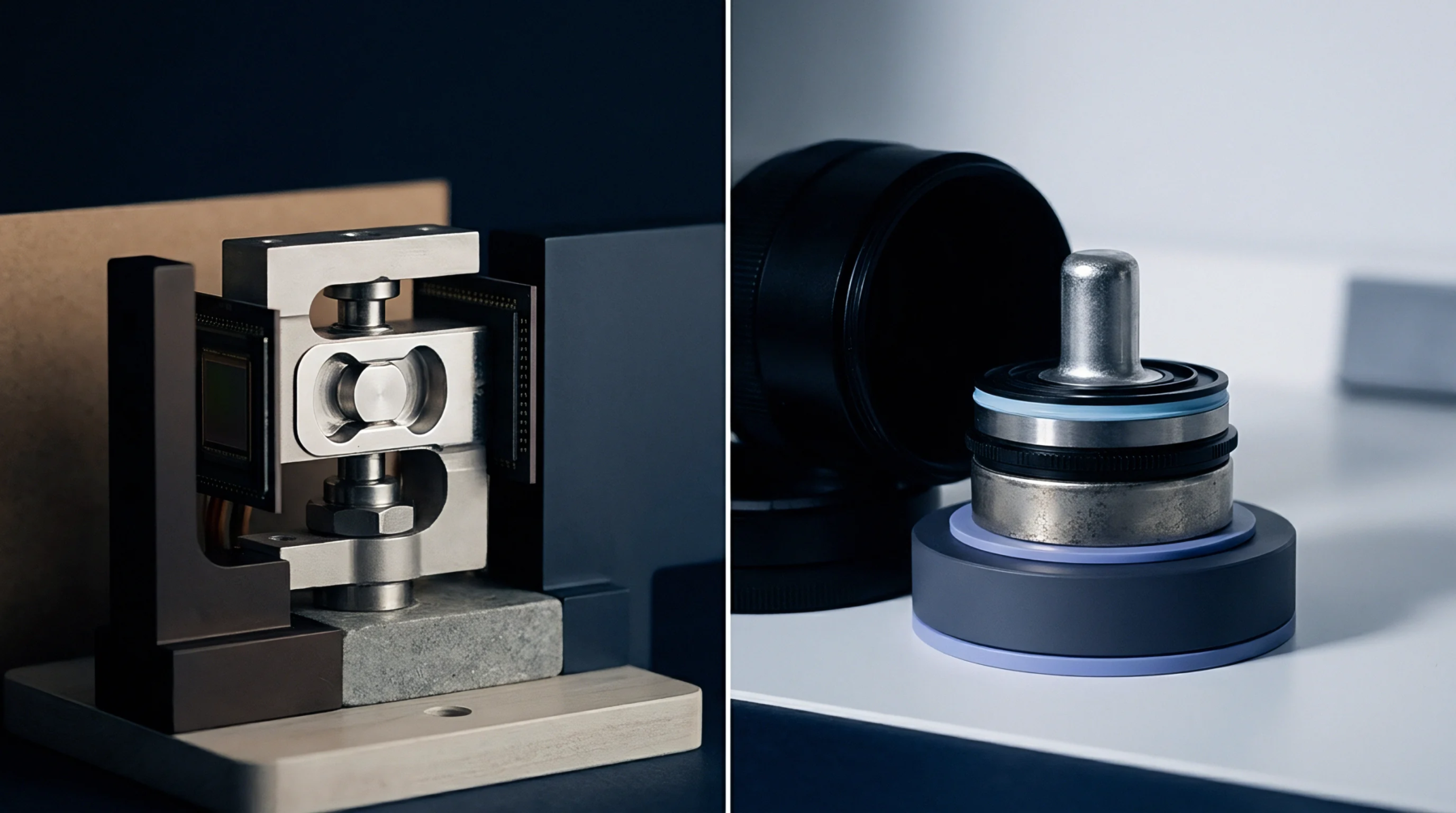
A structured transducer intake bench verifies zero balance, insulation resistance, and multi-point span accuracy against calibrated reference standards.

Primary deadweight piston gauge uncertainty budgeting demands rigorous mathematical coupling of effective area, pressure distortion, mass buoyancy, and clearance flow.
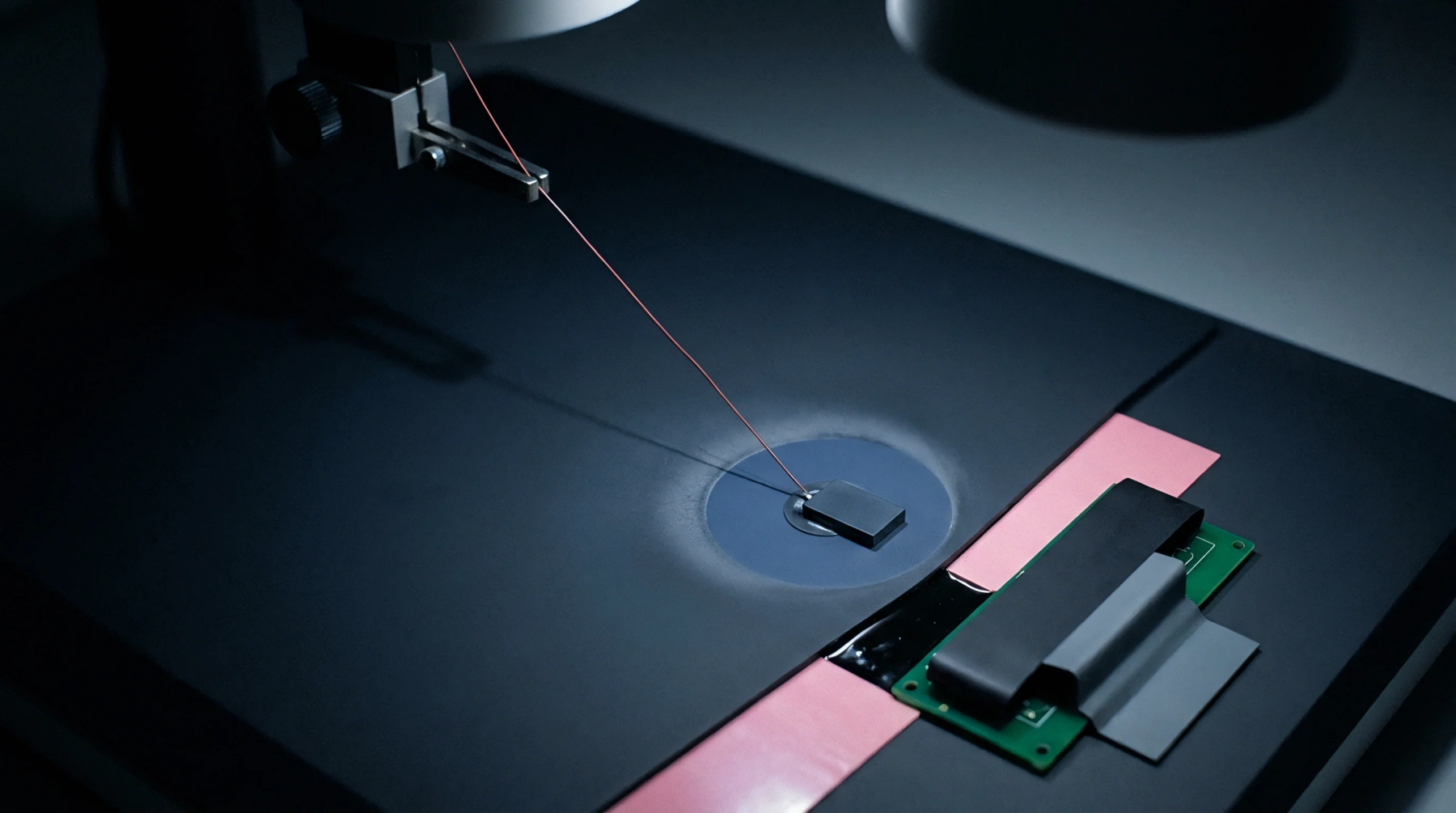
Quantifying test uncertainty and parametric drift through guardbanding and thermal acceleration equations prevents field returns and secures accurate component tolerances.
Establishing pressure traceability requires calculating complete uncertainty budgets and enforcing accredited test ratios to prove sensor claims.
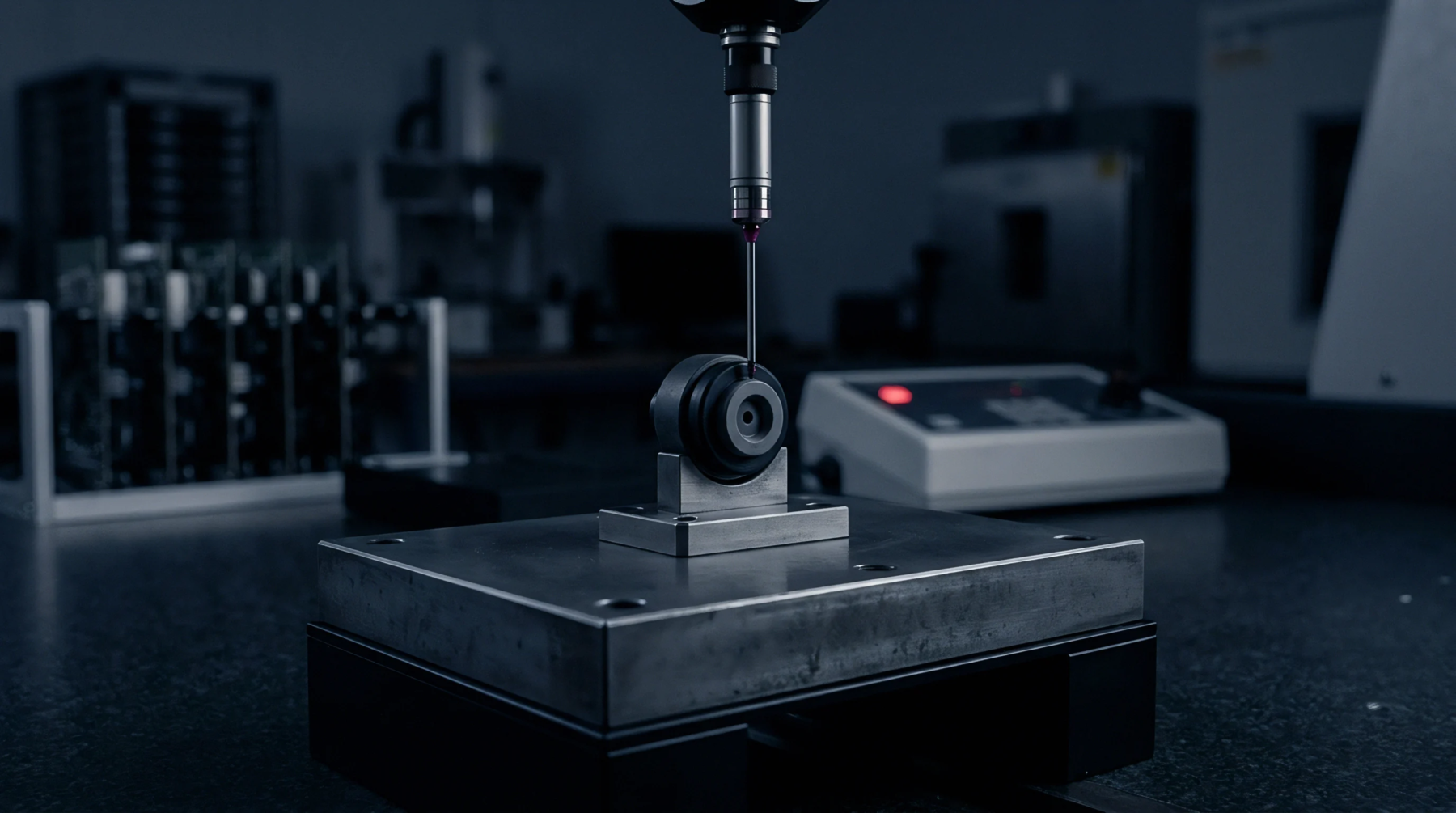
Dynamic thermal gradients in field transfer standards expand calibration uncertainty, requiring calculated ramp lag and axial conduction additions.

Calibration certificates must state expanded uncertainty and test conditions; unverified bath gradients and missing drift limits void oceanographic accuracy.
Baseline capacitance drops during evacuation due to gas density loss, surface moisture desorption, and elastic housing deformation under vacuum pressure.

Rigorous baseline and reference standard calibration across thermal analysis tools prevents erroneous resin approvals and down-line microelectronic assembly yield loss.

Thermal hysteresis drift is quantified by measuring unrecoverable zero return offset at ambient reference after standardized thermal cycling under IEC 61298-2.
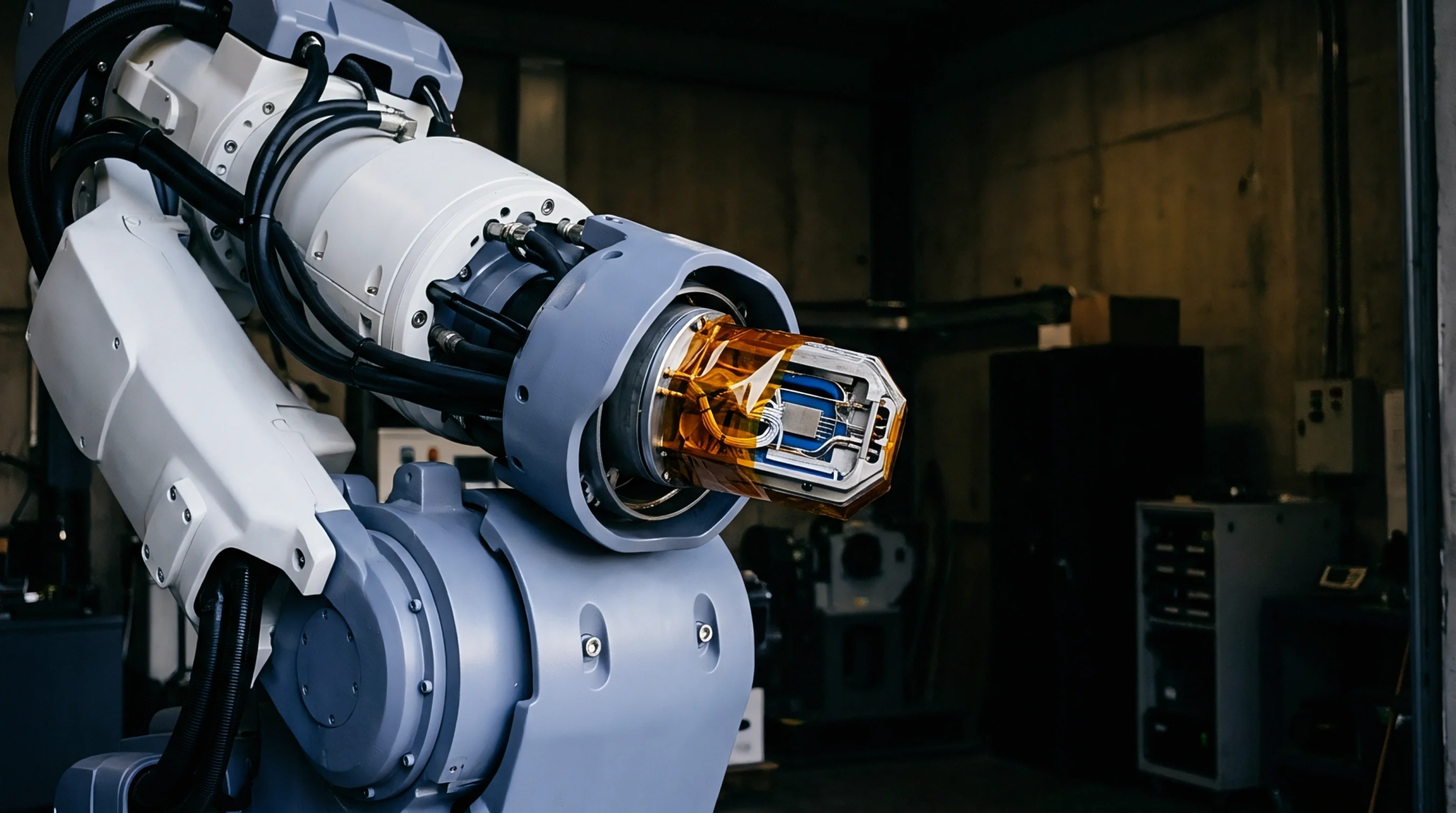
An En score divides participant deviation from a reference value by combined expanded uncertainty, defining acceptable agreement as a quotient under 1.0.
Expertise is a utility, not a secret. sentiention™ publishes its working knowledge as open reference: intelligence layer covering the materials it sources, the markets it enters, and the reference that serves both.