Quantifying Supplier Financial Liabilities for Compromised Moisture Barrier Packaging Shipments in Global Supply Chains
Quantifying supplier liabilities for compromised moisture barrier packaging requires capturing direct component replacement, dry-bake remediation, and SMT line downtime costs under strict quality contract clauses.

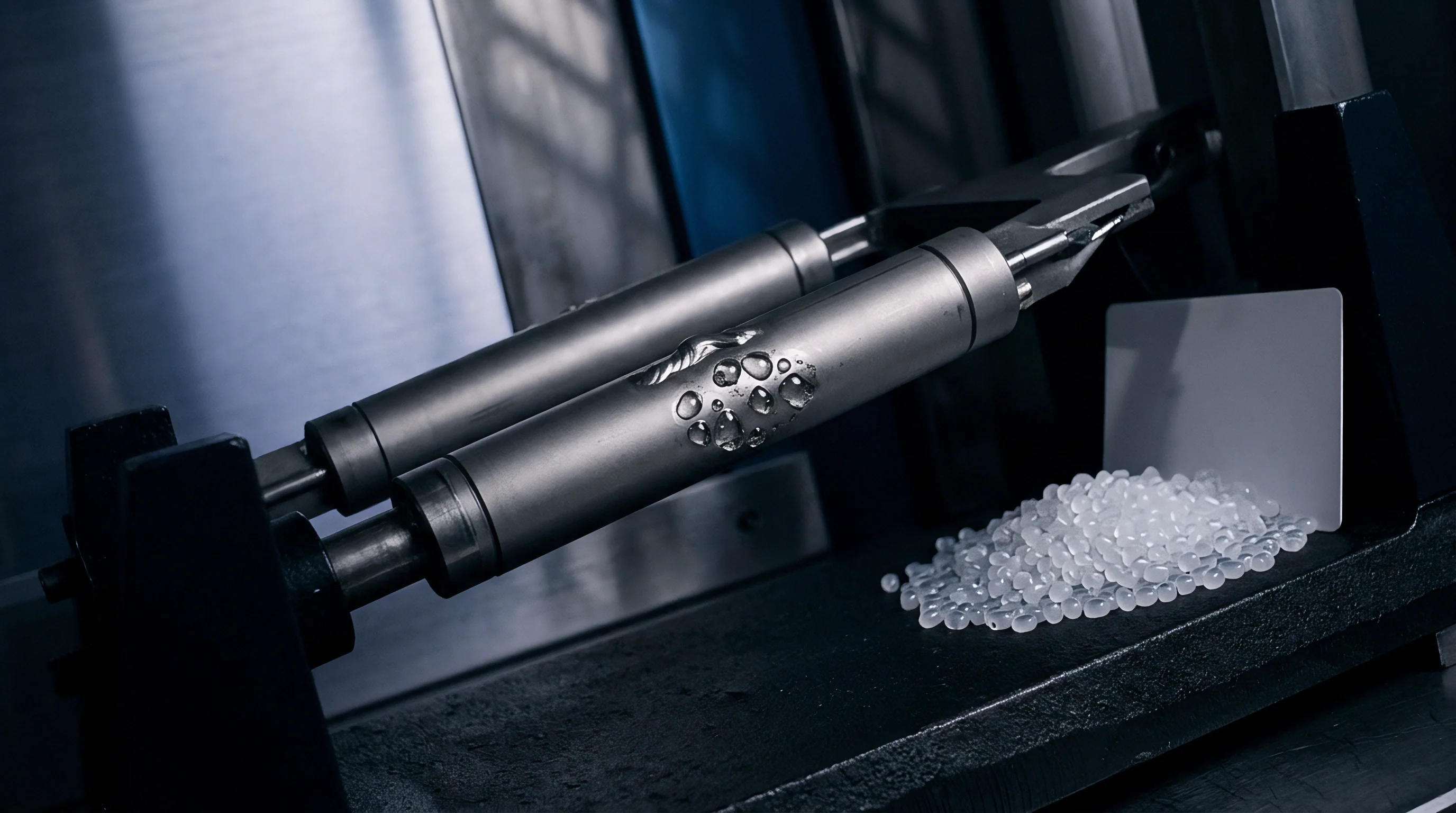
Pouch
A 40-micrometer puncture in a flexible aluminum laminate pouch can ruin the low-humidity interior long before an ocean container reaches port. Components sealed in moisture barrier packaging depend on multi-layer films to maintain an internal relative humidity below 10 percent throughout transit. When micro-fractures form along heat seals or cross-laminate layers at sea, water vapor leaks in faster than the desiccant inside can compensate.
Standard moisture barrier films feature an outer layer of biaxially-oriented polyethylene terephthalate for mechanical strength, a core layer of vacuum-deposited or rolled aluminum foil as an impermeable barrier, and an inner sealable layer of low-density polyethylene. Defective lamination or improper heat-sealing temperatures degrade this barrier against atmospheric humidity, exposing moisture-sensitive surface-mount devices to ambient air.
Water Vapor Transmission Rate metrics track the mass of moisture passing through a unit surface area of packaging film over 24 hours. High-reliability moisture barrier bags specify a Water Vapor Transmission Rate below 0.0006 grams per square meter per 24 hours at 40°C and 90 percent relative humidity under ASTM F1249 test protocols. Standard commercial poly-foil bags frequently slip to transmission rates between 0.005 and 0.02 grams per square meter when transport vibrations cause flex-cracking.
This disparity between rated and actual moisture entry shifts the internal equilibrium, saturating desiccant packs much earlier than intended.
Surface-mount IC components carry Moisture Sensitivity Level ratings defined by JEDEC J-STD-020E. These range from MSL 1 ~ which tolerates unlimited exposure at or below 30°C and 85 percent relative humidity ~ up to MSL 6, which requires mandatory pre-baking before assembly. High-density ball grid arrays, quad flat no-lead packages, and wafer-level chip-scale packages classified under MSL 3, 4, or 5 have strict floor lives once taken out of dry packaging.
For an MSL 3 component, floor life is capped at 168 hours under ambient conditions not exceeding 30°C and 60 percent relative humidity. Compromised packaging starts that absorption clock while shipments are still en route, causing parts to pass their moisture limits before ever reaching the surface-mount technology line.
A packaging film exhibiting a Water Vapor Transmission Rate above 0.005 grams per square meter per day exhausts a standard unit of desiccant within 21 days of tropical marine transit.
Moisture absorbed inside plastic mold compounds poses severe risks during solder reflow. Lead-free assembly subjects surface-mount devices to peak reflow temperatures ranging from 245°C to 260°C. Trapped liquid water inside the porous plastic vaporizes quickly, expanding in volume by roughly 1,600 times. The resulting steam pressure can easily exceed the bond strength between the silicon die, die-attach adhesive, lead frame, and epoxy molding compound, causing internal delamination.
In severe cases, internal vapor pressure ruptures the plastic housing entirely, creating micro-cracks or visible structural fractures known as popcorning.
Mechanical failure modes in compromised flexible packaging generally follow distinct stress patterns during transit.
- Channel leaks along seal seams form when thermal sealing bars operate below nominal melt temperature windows or with insufficient pressure, leaving microscopic capillary channels across the poly-layer bond.
- Pinhole perforation matrices occur during high-amplitude vibration when rigid carrier tape edges chafe continuously against the inner wall of thin-gauge packaging film.
- Stress-flex cracking develops in low-temperature air-cargo holds, where aluminum-laminate layers undergo differential thermal expansion and repeated flex cycles.
- Punctures from sharp component leads happen when excessive vacuum draws exposed component terminals tight against outer protective sleeves.
Checking for barrier failure starts with physical inspection immediately upon customs clearance or warehouse arrival. Technicians test vacuum retention levels using non-destructive laser topography or destructive pressure decay checks. Standard vacuum-sealed dry packs pull tightly against carrier tape reels, displaying distinct embossed outlines.
Loose or billowing packaging shows that internal and external pressure have equalized. Ultimately, the physical state of the sleeve correlates directly with how long the enclosed semiconductors were exposed to ambient moisture.
As IC packages absorb moisture, they expand slightly and gain mass. Micro-gram weight monitoring offers an early signal of water absorption well before visual solder defects show up on assembly lines. Ultra-fine pitch quad flat packages can absorb water up to 0.3 percent of total plastic mold compound weight before reaching critical thresholds.
A weight gain exceeding 0.1 percent moisture triggers mandatory thermal bake-out protocols under IPC/JEDEC J-STD-033D, adding direct labor and energy costs to assembly operations.
| Material Stack-Up Composition | Nominal WVTR (g/m²/24hr) | J-STD-020 MSL Rating | Maximum Floor Life at 30°C/60% RH | Critical Reflow Temp Limit |
|---|---|---|---|---|
| PET / Vacuum Metalized Polyester / PE | 0.0200 | MSL 2a | 4 Weeks | 260°C |
| PET / Aluminum Foil 7 µm / Polyethylene | 0.0006 | MSL 3 | 168 Hours | 260°C |
| Biaxially Oriented Nylon / Foil / PE | 0.0003 | MSL 4 | 72 Hours | 245°C |
| High-Density PET / Heavy Foil / ESD PE | 0.0001 | MSL 5 | 48 Hours | 245°C |
Carrier tape materials inside compromised packaging contribute heavily to moisture uptake. Polycarbonate and polystyrene carrier tapes absorb water vapor at rates set by ambient temperature and relative humidity. Outgassing from saturated reels releases moisture directly into the pouch cavity, accelerating absorption in component mold compounds.
SMT feeder indexing jams also rise when plastic carrier tapes distort under the heat and humidity cycles of ocean transit.
Pinholes in packaging film alter internal micro-climates faster than macro-tears because of localized pressure differentials during flight descent. Cargo holds experience pressure drops at altitude, followed by pressurization as the aircraft descends. Air drives inward through micro-pinholes, bringing humid ambient air against cold interior packaging surfaces.
Condensation then forms on carrier tape cover ribbons, transferring liquid water straight to component leads and mold compound interfaces.
Inspecting factory heat seals under 50x optical magnification reveals poor melt integration between inner polyethylene layers. Improper jaw alignment leaves narrow gaps along bag edges where moisture migrates past double seals. High-reliability assembly operations enforce incoming standards that reject lots presenting seal strength values below 25 Newtons per 25 millimeters of seal width when tested under ASTM F88 pull-test criteria.
Barrier sleeve deflation can result from normal gas migration rather than material seal failure.

Infiltration
Atmospheric moisture penetrates compromised packaging through diffusion, driven by vapor pressure gradients between external freight environments and the inner sleeve cavity. Relative humidity inside intermodal shipping containers regularly reaches 95 percent during equatorial ocean transport, driving partial water vapor pressures above 5 kilopascals. By contrast, a vacuum-sealed dry pack containing active desiccant holds relative humidity below 10 percent, corresponding to a partial vapor pressure under 0.4 kilopascals.
This pressure differential forces water molecules through structural defects, microscopic pores, and seam interfaces until thermodynamic equilibrium is reached.
Desiccant packs placed inside dry packaging capture water vapor through active adsorption. Desiccants conforming to MIL-D-3464E specifications use bentonite clay, silica gel, or molecular sieves to trap ambient moisture. Standard calculations assign one unit of desiccant to absorb 3.0 grams of water vapor at 20 percent relative humidity and 6.0 grams at 40 percent relative humidity at 25°C. When outer packaging breaks, incoming moisture quickly overwhelms the desiccant charge.
A standard 30-gram desiccant pouch reaches full saturation within 72 hours when exposed to an ambient relative humidity of 85 percent through a 1-millimeter packaging tear.
Humidity Indicator Cards packaged alongside components give visual evidence of internal conditions. Standard three-spot cards compliant with J-STD-033D track relative humidity levels at 5 percent, 10 percent, and 60 percent thresholds using cobalt dichloride or cobalt-free indicators. A color shift from blue to pink across the 10 percent spot confirms that internal relative humidity exceeded safe limits long enough to invalidate floor-life tracking clocks for all enclosed surface-mount devices.
Moisture absorption inside plastic IC packages alters electrical performance long before reflow processing starts. Water molecules diffusing into epoxy molding compounds alter dielectric constants, raising parasitic capacitance across lead frames. In precision analog ICs, high-sensitivity MEMS sensors, and ultra-low-power microcontrollers, localized moisture accumulation shifts internal stress profiles.
Piezoresistive effects from mold compound swelling shift internal voltage reference stability and offset calibration factors beyond factory limits.
Relative humidity levels exceeding 10 percent inside a dry pack trigger mandatory baking procedures regardless of the floor-life hours remaining on component tracking cards.
Capacitive pressure sensors, precision accelerometer dies, and unsealed optical ICs suffer severe operational drift when exposed to high humidity. Moisture condensing onto exposed sensor dies creates leakage currents across fine-pitch wire bonds, inducing sub-threshold voltage shifts and signal line cross-talk. If these components go through surface-mount assembly without pre-bake remediation, thermal stresses cause delamination along bond pad interfaces, severing electrical contact and destroying functional yield.
Thermal reflow of moisture-saturated surface-mount components introduces complex physical failure mechanisms beyond popcorning. High reflow temperatures vaporize moisture at die-attach paddle interfaces, driving copper wire bond intermetallic growth anomalies. Gold-aluminum and copper-aluminum wire bonds exposed to high moisture concentrations during thermal cycling suffer accelerated Kirkendall void formation, leading to high-resistance connections or intermittent open-circuit failures after deployment.
Managing moisture ingress relies on strict environmental controls throughout warehouse storage and staging routines.
Micro-cracking along plastic package corners opens moisture pathways directly to silicon substrate edges. Lead-frame materials like alloy 42 and copper have distinct coefficients of thermal expansion compared to epoxy molding compounds. When moisture accumulates along the lead-frame interface, solder reflow forces rapid outgassing that strips lead-frame plating, leaving internal copper surfaces vulnerable to oxidation.
Oxidized lead frames bond poorly to molding compounds during temperature cycles, causing field failures after months of operation.
Re-baking moisture-exposed components requires precise time-temperature profiles to prevent thermal damage to terminations and packaging materials. Standard reel-packaged surface-mount components cannot endure 125°C baking cycles without melting carrier tape and cover ribbons. De-reeling components, transferring them to metal or high-temperature matrix trays, running a 48-hour bake at 125°C in dry nitrogen ovens, and re-reeling parts into fresh tape carries substantial handling risks.
Component leads can bend, ESD protection degrades, and tape-and-reel indexing errors increase during automated placement.
Evaluating raw component weight gain gives clear insight into moisture ingress severity. Technicians weigh sample components immediately after opening compromised shipments, comparing measured values against dry control samples using micro-analytical balances sensitive to 0.01 milligrams. A weight gain exceeding 0.05 percent over dry baseline values confirms substantial water absorption, mandating dry-bake procedures before parts move to placement lines.
Component solderability degrades rapidly under high moisture and temperature conditions. Lead terminations coated with matte tin, tin-lead, or nickel-palladium-gold suffer oxidation when compromised dry packs admit humid air. Tin whisker formation accelerates on electroplated matte tin finishes under moisture-induced internal compression.
Solderability testing under IPC/EIA/JEDEC J-STD-002 shows a 35 percent drop in wetting force for components stored in compromised dry packs for 30 days compared to sealed controls.
Baking processes remove absorbed moisture but induce intermetallic growth within component terminations. Prolonged thermal exposure at 125°C thickens copper-tin intermetallic layers at lead termination interfaces, reducing solder joint fatigue resistance during thermal shock cycles. Component packaging standards limit cumulative baking times to keep intermetallic thickness from exceeding 1.5 micrometers, restricting how many times a compromised lot can undergo dry-bake remediation.
Carrier tape outgassing is another secondary moisture source. Polycarbonate materials release absorbed water vapor when moved from cold storage into warm production rooms. Sealed dry packs prevent condensation on carrier tape surfaces by insulating parts against ambient temperature swings.
Breaking packaging seals during transit allows moisture to condense inside carrier pockets, soaking component leads in liquid water films that accelerate lead oxidation and solderability failure.
Dynamic storage environments require continuous relative humidity monitoring using calibrated sensor arrays across staging areas. Storing unsealed or compromised components in ambient warehouse conditions above 60 percent relative humidity cuts component floor life to less than 24 hours for MSL 4 and MSL 5 parts. Factory operators must enforce dry-cabinet storage held strictly at or below 5 percent relative humidity for all components removed from compromised packaging.
Compromised dry packs discovered at ocean dock receiving trigger immediate rejection under high-reliability sourcing contracts.

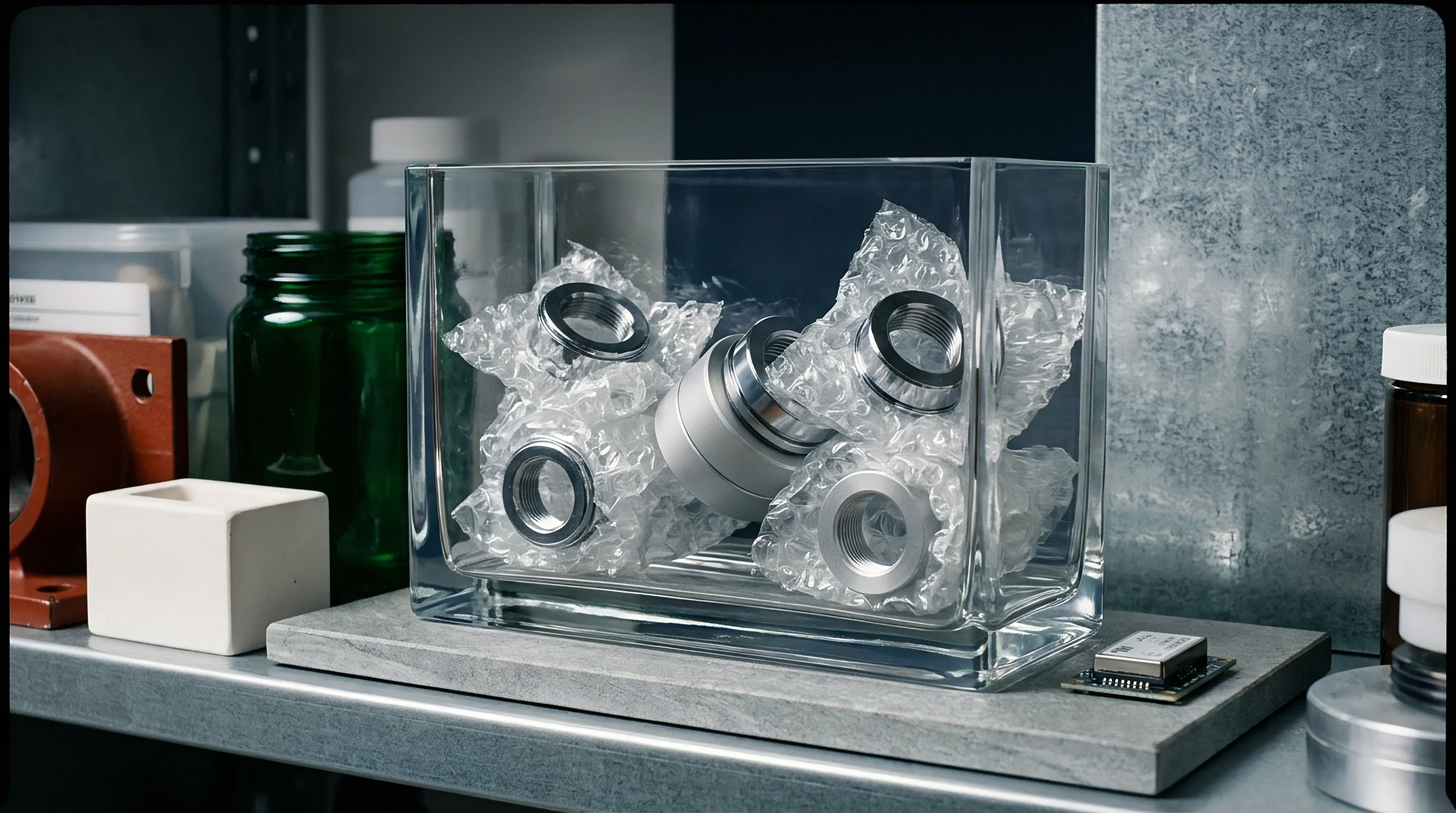
Arithmetic
Calculating financial liabilities from compromised moisture barrier shipments requires capturing both direct component losses and the peripheral operational expenses of lot remediation. Sourcing agreements that cap supplier liability strictly at the invoice price of damaged components fail to recover the full cost of restoring assembly line schedules. A comprehensive liability calculation accounts for raw component costs, incoming inspection labor, dry-bake processing, tape-and-reel re-packaging, SMT downtime penalties, and component scrap losses from thermal remediation.
Direct component loss calculations begin by evaluating total lot exposure against total unit volumes. When incoming inspection identifies compromised moisture barrier bags in a shipment lot of 50,000 units, partial lot testing determines whether the defect represents an isolated packaging failure or a systemic issue on the packaging line. If 10 percent of sampled bags show saturated Humidity Indicator Cards or ruptured heat seals, quality assurance protocols require quarantining the entire 50,000-unit lot to prevent compromised components from reaching placement lines.
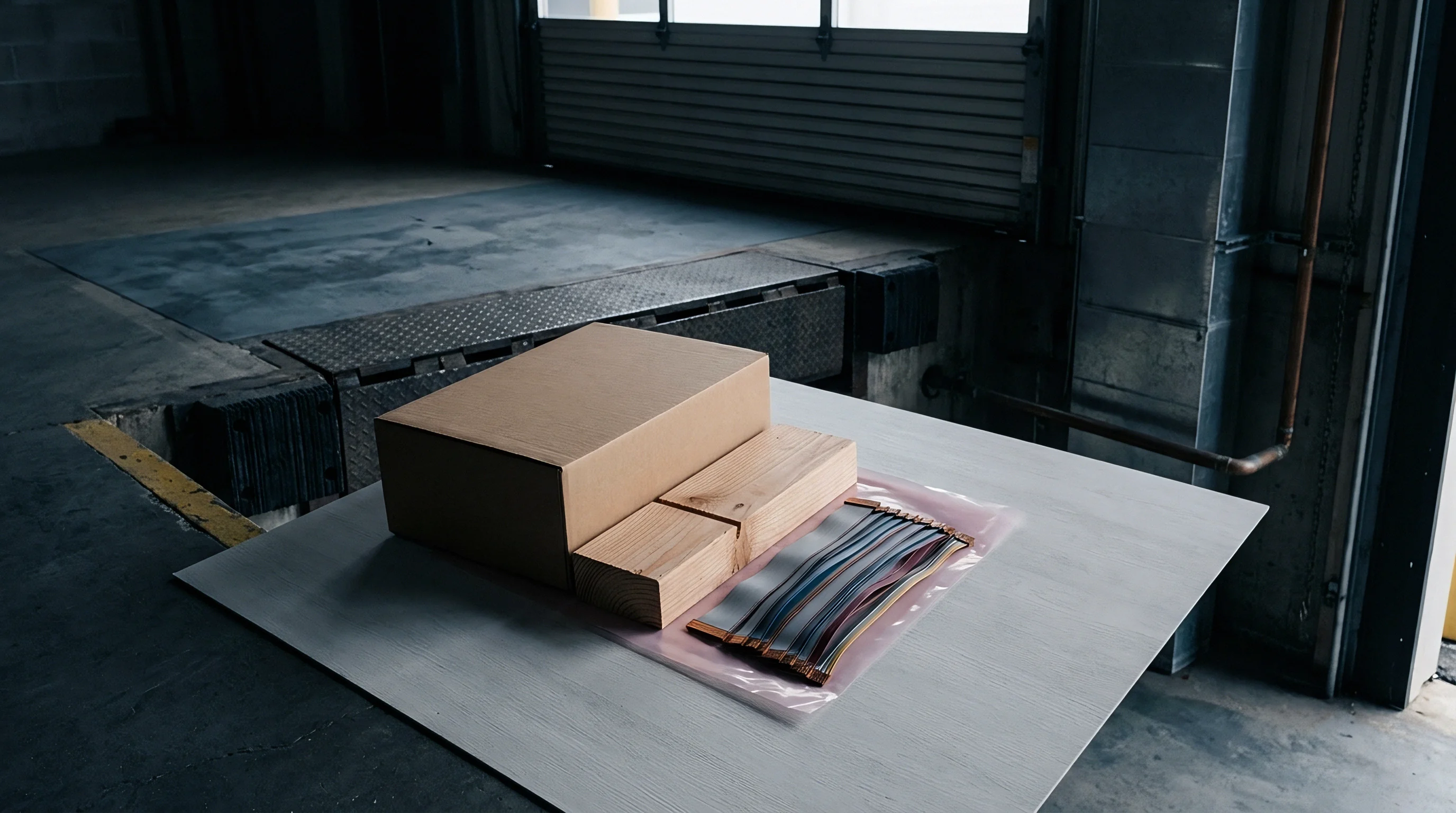
What Factors Drive Direct Recovery Calculations?
Direct financial remediation expenses split into clear operational cost categories. Dry-baking components packaged on standard low-temperature carrier tape requires manual or automated transfer off original reels. Industrial baking ovens operating at 125°C consume significant electrical power over 48 to 96 consecutive hours of continuous dry nitrogen purging.
Post-bake processing requires reloading components into fresh ESD-compliant carrier tape using specialized tape-and-reel equipment, adding handling fees and tape consumable costs to the invoice.
Quantifying financial liability follows a mathematical summation across six primary operational cost vectors.
The total financial liability equation is:
L_total = C_component + C_inspection + C_baking + C_repack + C_downtime + C_scrap
Where individual operational parameters represent specific expense figures derived from production ledger entries:
C_component represents unit invoice cost multiplied by scrapped or destroyed component quantities.
C_inspection captures quality control labor hours multiplied by fully burdened engineering hourly rates.
C_baking accounts for thermal oven electrical energy, nitrogen consumption, oven chamber lease allocation, and technician monitoring labor.
C_repack includes the cost of replacement carrier tape reels, cover tape materials, machine operating time, and re-labeling verification labor.
C_downtime tracks SMT line stoppage costs, calculated by multiplying lost production hours by the line’s hourly overhead rate.
C_scrap accounts for component yields lost to thermal baking stress, ESD damage during handling, or bent terminal pins during re-reeling.
Incoming inspection follows structured steps to document packaging damage, verify environmental exposure, and establish evidence for financial recovery claims.
- Isolate the suspect shipment lot within an ESD-safe environmental quarantine area held at 20°C and 40 percent relative humidity to prevent further ambient moisture absorption.
- Perform high-resolution digital photographic documentation of outer master cartons, inner shipment boxes, vacuum bag seals, and lot code labels prior to opening packaging sleeves.
- Measure vacuum seal decay and record outer pouch physical defects, pinholes, seam gaps, or abrasion marks under optical inspection equipment.
- Extract Humidity Indicator Cards under controlled environmental conditions and record the exact color state across all indicator spots using standardized color charts.
- Extract three sample component reels from different locations within the shipment lot and perform analytical micro-gram moisture mass gain measurements against dry baseline specs.
- Issue an immediate Quality Hold Notice and formal Material Review Board quarantine document detailing lot numbers, reel codes, and observed defect rates to lock supplier liability claims.
Remediating a lot of 50,000 MSL 3 microcontrollers through de-reeling, 125°C dry-baking, and re-reeling adds $0.18 per unit in direct handling costs to the original landed component expense.
Line downtime charges represent the most volatile cost in component liability calculations. Modern high-speed SMT lines operating dual-lane placement equipment generate overhead costs ranging from $2,500 to $6,000 per hour. When a scheduled production run halts because compromised components fail incoming inspection, line changeover delays or idle hours are billed directly to the supplier responsible for packaging failure.
A 12-hour SMT line delay while waiting for replacement parts generates direct operational losses exceeding $40,000, far outpacing the purchase price of the damaged lot itself.
| Failure Category | Primary Cost Elements | Remediation Labor (Hours) | Scrap Rate Impact (%) | Total Financial Exposure (per 10,000 Units) |
|---|---|---|---|---|
| Pouch Micro-Puncture | HIC inspection, micro-gram weighing, quarantine lab labor | 12.5 | 0.5% | $1,850.00 |
| Saturated Desiccant Lot | De-reeling, 48hr dry-bake, high-temp tray transfer | 38.0 | 2.0% | $4,900.00 |
| Blown Heat Seal Seam | De-reeling, 96hr dry-bake, fresh carrier tape, re-reeling | 64.0 | 3.5% | $8,250.00 |
| Line Popcorning Defect | SMT line downtime, board scrap, desoldering rework, re-test | 120.0 | 15.0% | $42,600.00 |
Scrap rates climb when high-pin-count fine-pitch components undergo manual handling during dry-bake preparation. Ball grid array components subjected to de-reeling and tray placement risk sphere deformation or oxidation. Quad flat package terminals bent during automated re-reeling generate coplanarity failures on SMT placement lines.
Component lead coplanarity must remain within 0.08 millimeters for fine-pitch parts; exceeding this threshold causes solder bridging or open circuits during reflow, forcing complete PCB assembly scrap.
In practice, unallocated SMT line downtime expenses can completely dwarf direct component replacement values during active production runs.
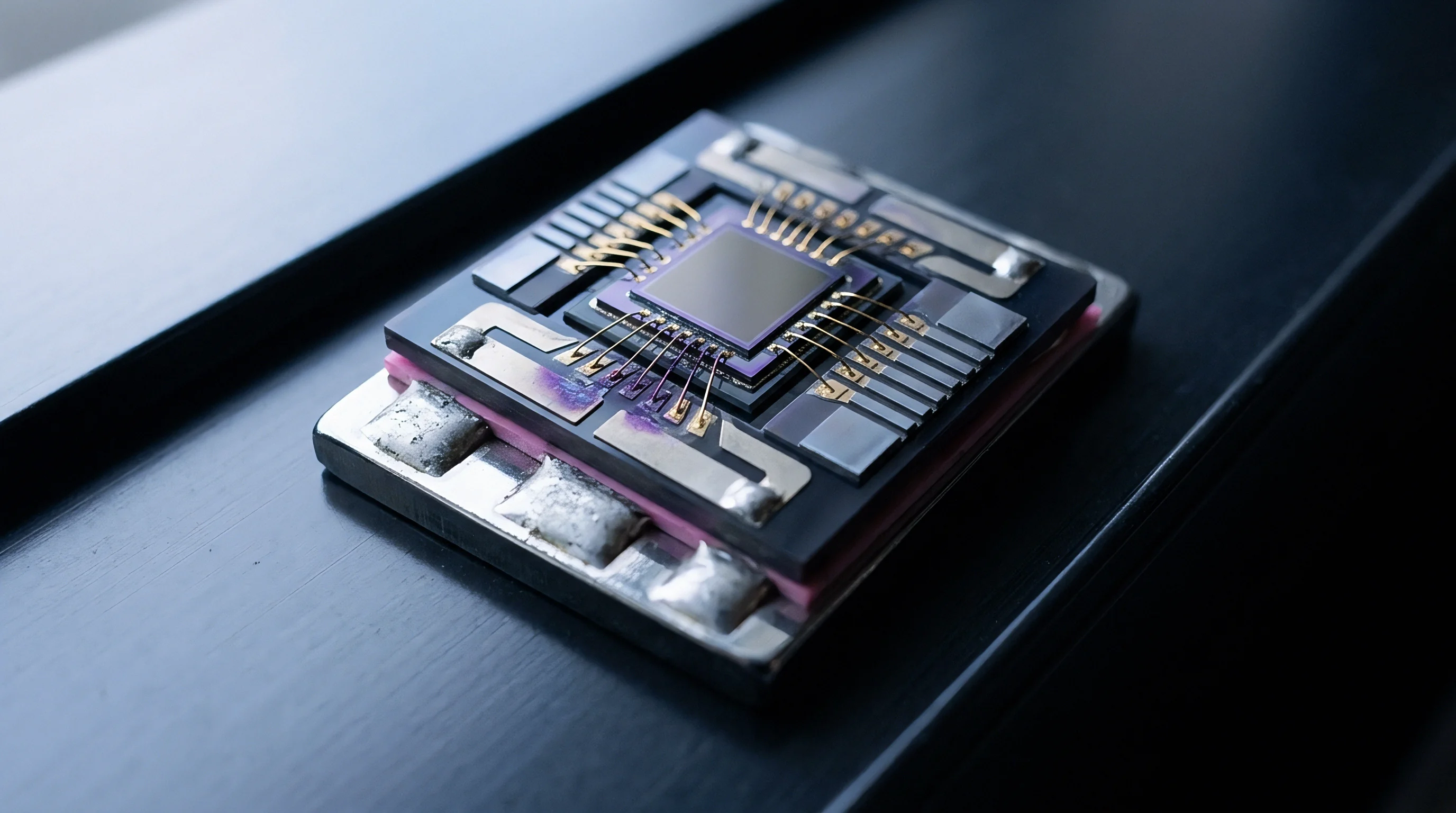
Arbitration
Legal recovery of financial losses caused by compromised moisture barrier packaging requires clear commercial terms, precise technical specifications, and robust quality agreements set before executing purchase orders. Standard purchase orders relying on generic warranty language frequently fail to protect buyers against indirect processing costs, line downtime, and board scrap liabilities. High-reliability procurement contracts incorporate specific quality appendices that define moisture packaging standards, incoming acceptance thresholds, and supplier financial indemnification duties.
Incoterms 2020 delivery rules dictate risk transfer points between buyers and sellers, defining which party holds legal responsibility for transit packaging damage. Under Delivered Duty Paid terms, the supplier retains risk and responsibility for transit conditions until goods arrive at the buyer’s receiving dock. If moisture barrier packaging fails during ocean or air transit due to inadequate outer cartoning or sub-standard packaging materials, the supplier bears full financial responsibility for resulting component degradation.
Under Free Carrier or Free on Board terms, risk transfers to the buyer upon handover to the carrier, shifting financial recovery onto freight insurance claims unless the buyer proves the supplier delivered defective packaging prior to carrier handoff.
Acceptance sampling protocols under ANSI/ASQ Z1.4 (ISO 2859-1) establish legally defensible sampling plans for incoming inspection. Contracting terms must specify an Acceptable Quality Limit for packaging integrity defects. High-reliability electronics assembly programs assign an Acceptable Quality Limit of 0.10 for compromised moisture barrier pouches, saturated Humidity Indicator Cards, or damaged heat seals.
Under a Single Sampling Plan for Normal Inspection at General Inspection Level II, receiving inspectors sample a statistical subset of incoming master cartons. Finding a single non-conforming packaging unit exceeding the Acceptable Quality Limit provides immediate legal grounds to reject the entire lot, issue a formal Corrective Action Request, and bill quarantine storage costs back to the supplier.
Master Quality Agreements must define exact procedures for issuing Return Material Authorizations and debit memos. When incoming inspection identifies compromised dry packs, the buyer issues a non-conformance report backed by high-resolution photos, relative humidity measurements, and Humidity Indicator Card logs. The supplier must issue a Return Material Authorization within 48 hours of notification.
If the supplier fails to issue authorization within that window, the buyer retains the right to execute dry-bake remediation or scrap the lot at supplier expense, withholding payment through debit memo offsets against outstanding invoices.
Supplier indemnification clauses must explicitly address consequential and indirect damages resulting from moisture packaging failures.
- Direct replacement indemnification lines commit the supplier to replace rejected component lots within seven calendar days via expedited air freight at supplier cost.
- Remediation cost recovery provisions obligate the supplier to reimburse documented dry-baking, de-reeling, re-reeling, and special handling labor expenses incurred by the buyer.
- Line stoppage liability caps define maximum hourly compensation rates payable by the supplier when packaging failures cause documented SMT line downtime.
- Scrap assembly indemnification mandates require the supplier to pay the full manufactured cost of assembled printed circuit board units rendered scrap due to latent component popcorning defects.
Proving latent defect liability presents legal challenges when moisture-compromised components bypass incoming inspection and undergo assembly. Popcorning defects or bond pad delamination discovered during post-reflow automated optical inspection or in-circuit testing require formal failure analysis to prove component moisture saturation caused the failure. Scanning Acoustic Microscopy inspects internal package delamination non-destructively, generating acoustic images that differentiate thermal reflow stresses from prior mechanical shock.
Pairing Scanning Acoustic Microscopy findings with energy-dispersive X-ray spectroscopy showing lead-frame oxidation establishes clear proof of packaging failure prior to reflow.
| Contract Provision Clause | Standard Commercial Terms | High-Reliability Buyer Revision | Legal Enforceability Scope | |
|---|---|---|---|---|
| Packaging Compliance | Conforms to general industry standards | Mandates J-STD-020, J-STD-033, ASTM F1249 compliance | Enforces baseline technical specifications | Direct material replacement only |
| Defect Notification Window | 30 days from invoice date | 90 days from dock receipt or upon lot opening | Extends reporting time for stored dry-packs | Covers latent packaging degradation |
| Liability Scope Limit | Capped at 100% component invoice value | Includes direct remediation labor and SMT downtime fees | Recovers operational recovery expenses | Subject to negotiated liability cap ceilings |
| Remediation Authorization | Supplier must pre-approve all rework | Buyer may bake/repack after 48hr unacknowledged notice | Prevents production schedule stagnation | Authorizes unilateral cost debit offsets |
Formal arbitration proceedings rely heavily on continuous chain-of-custody documentation and environmental log data. Automated environmental sensors placed inside shipping master cartons track ambient temperature and humidity throughout ocean transit. If sensor logs show steady external humidity levels while internal dry-pack Humidity Indicator Cards show saturation, arbitration panels conclude that packaging material defects or improper factory heat-sealing caused the failure, establishing supplier breach of contract.
Contractual risk allocation often turns on specific boilerplate phrasing within master purchasing agreements. Inserting a clause stating “Supplier assumes full financial liability for all direct, indirect, and remediation costs resulting from non-compliant moisture barrier packaging under J-STD-033” shifts legal dynamics decisively in favor of the buyer during dispute resolution.