Thermal Adhesion
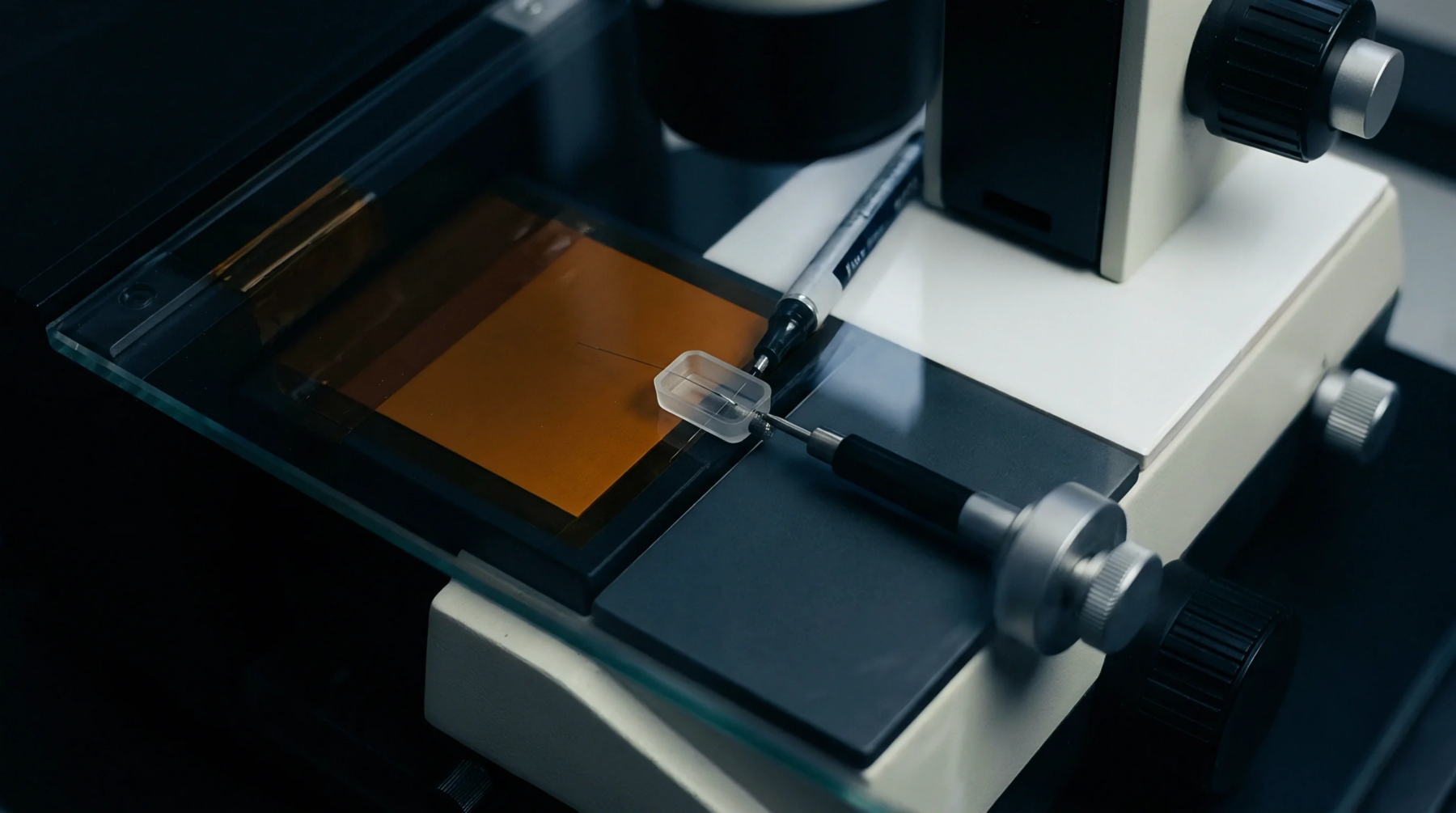
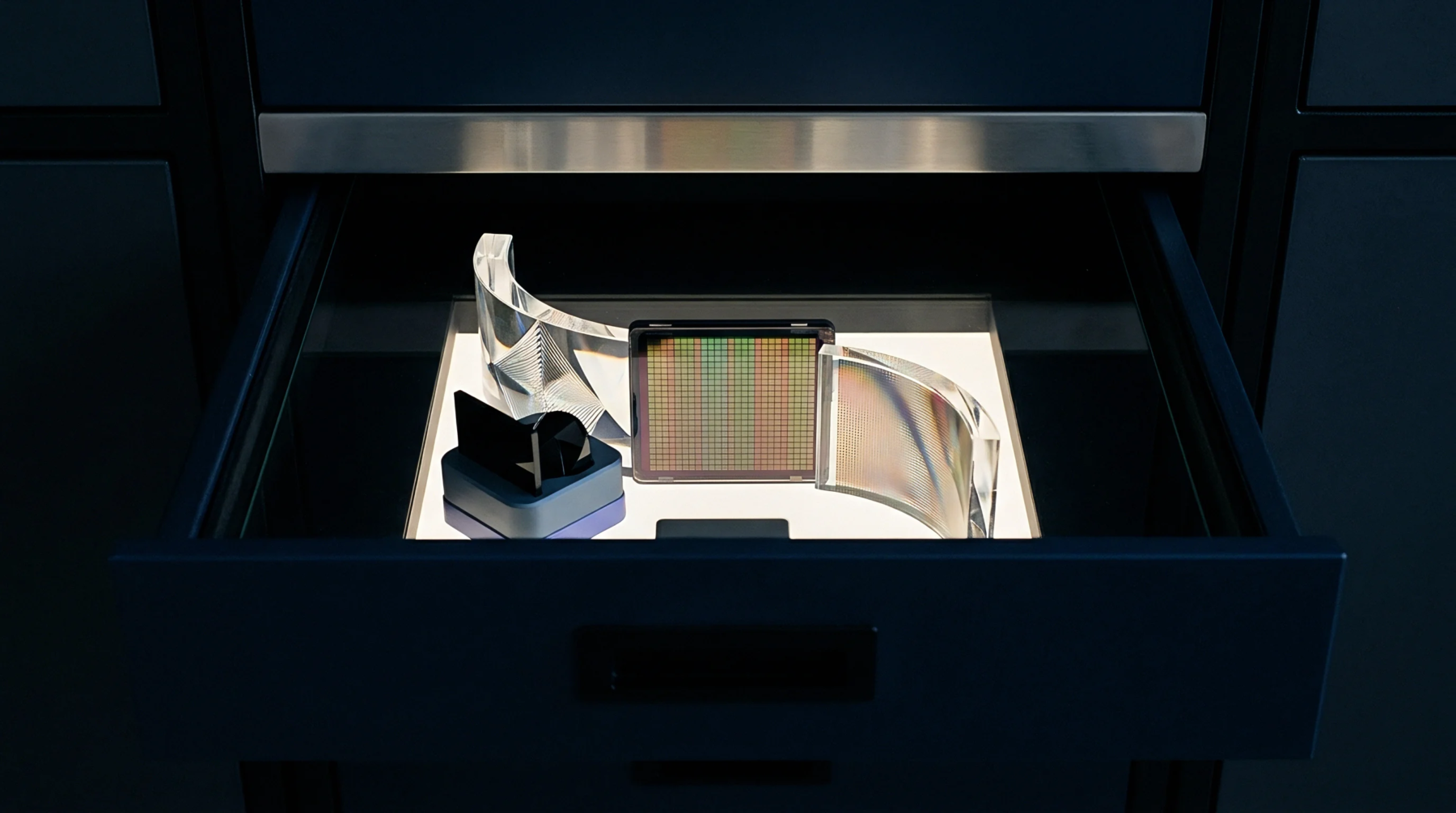
Assembly steps in the back end of line production utilize a low-melting-point glass paste to join two silicon or ceramic wafers. Glass frit bonding creates a permanent and hermetic seal that protects sensitive micro-mechanisms from environmental moisture. The paste consists of glass particles mixed with an organic binder that is later burned off during the heating cycle.
Because the glass melts at a lower temperature than the substrate, the process avoids damaging integrated electronics. It provides a reliable method for capping pressure sensors and gyroscopes.
Screen Printing
Application of the adhesive material involves pressing the paste through a fine mesh onto the wafer surface. Patterns are carefully aligned to match the bond rings of the device structure. After printing, the glass frit bonding layer is dried to remove volatile solvents before the wafers are aligned.
Seal Integrity
Verification of the bond involves measuring the leak rate of a tracer gas from the cavity. A helium mass spectrometer detects any microscopic paths through the glass. The glass frit bonding must resist a high pressure differential to pass the final quality inspection.
Outgassing Constraint
Limits on the internal vacuum level are determined by the chemistry of the glass mixture. If the binder is not fully removed, glass frit bonding can release gases into the sealed chamber. This degradation is avoided by using a vacuum furnace during the final seal.