Algorithmic Correction
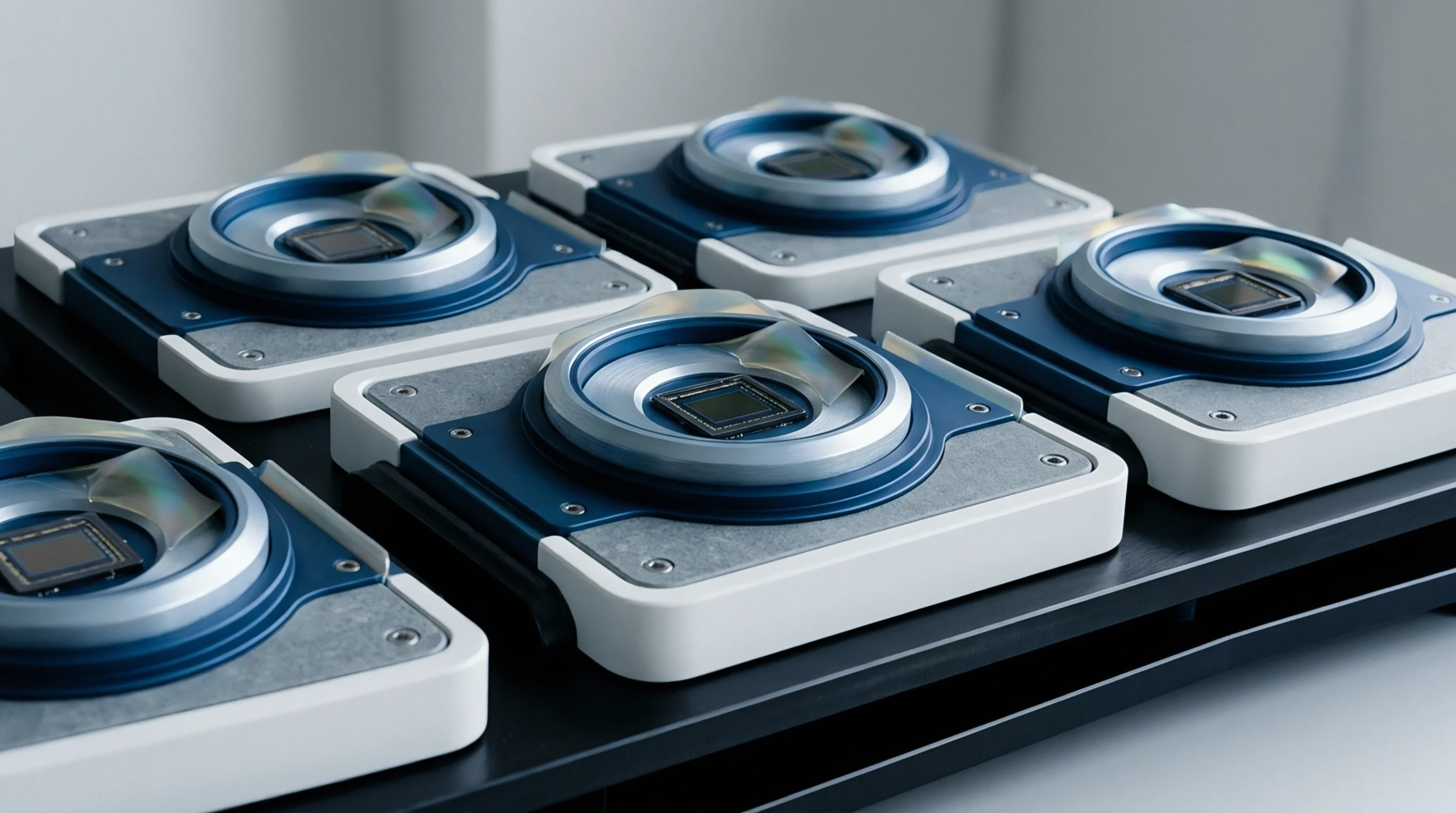
Correction algorithms and hardware networks adjust raw transducer signals to eliminate systematic errors caused by environmental cross sensitivity. Implementing sensor compensation corrects output readings for ambient temperature shifts, supply voltage variations, hysteresis, and transducer non linearity. Processing units apply correction matrices directly to digitized sensor signals before publishing measured values.
Polynomial Fitting
Characterizing transducer performance across multi dimensional environmental surfaces allows math models to cancel predictable thermal and pressure offsets. When applying sensor compensation, multi order polynomial equations or lookup tables convert raw counts into standardized engineering units. Internal temperature sensors embedded within the transducer housing provide real time reference values needed to compute local temperature corrections.
Uncompensated sensors exhibit span shift and zero drift when operated outside ambient room conditions. Advanced digital compensation architectures store factory calibration coefficients in non volatile memory, executing real time floating point calculations to maintain specified system accuracy over broad operating envelopes.
Drift Bound
Unmodeled hysteresis and long term component aging introduce residual errors that compensation algorithms cannot predict. Periodic recalibration updates internal coefficient matrices to preserve measurement integrity over extended deployment periods.
Standard Verification
Validation of compensation efficacy takes place inside environmental test chambers across defined temperature and pressure envelopes. Calibrated reference instruments monitor applied parameters while automated data acquisition systems log uncompensated and compensated sensor outputs. Comparing corrected outputs against master reference values establishes compliance with accuracy specifications.
Certificate generation documents maximum residual error bounds across the full operating range.