
Evaluating I2C Multiplexers against Bus Translators for Multi Sensor Boards
I2C multiplexers resolve address collisions and isolate bus capacitance via software channels, while translators match voltage rails without addressing control.
I2C multiplexers resolve address collisions and isolate bus capacitance via software channels, while translators match voltage rails without addressing control.
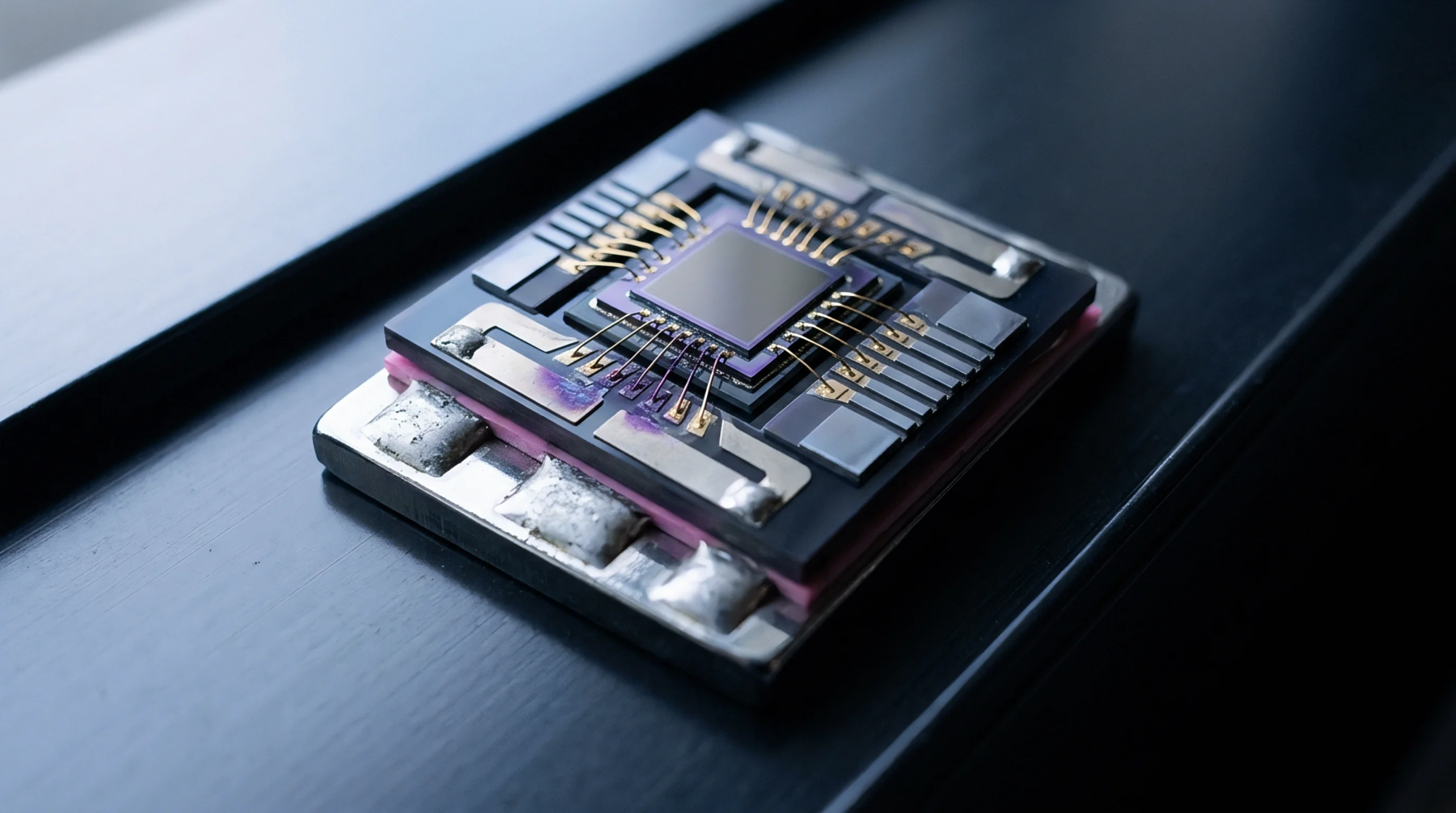
Substrate viscoelastic relaxation and thermal expansion mismatch induce time-dependent, hysteretic offset drift in MEMS requiring mechanical anchor isolation.

High modulus mold compounds induce dynamic calibration shifts in sensors; sourcing specs must cap flexural modulus below 18 GPa to protect signal accuracy.

Selecting surface mount sensor packages requires balancing land-pattern mechanical stress and reflow limits against bus integration effort and unit yield cost.

Monolithic reference thermal drift sensitivity combines silicon junction non-linearities, piezoresistive mechanical package stress, and solder reflow hysteresis.

Master supply agreements enforce microelectronic acceptance by establishing guard-banded drift boundaries that partition thermal, packaging, and aging errors.

Unbalanced copper planes and high-modulus die attach adhesives in laminate sensor packages cause reflow-induced warpage that shifts piezoresistive zero points.

Polymer viscoelastic stress relaxation in molded MEMS packages causes long-term zero-point offset drift that requires cavity isolation or baked burn-in.
Zero offset drift in potted piezoresistive sensors requires decoupling die stress via soft silicone gels before applying ASIC polynomial thermal compensation.

Cascade enable logic eliminates individual chip-select routing across dense sensor arrays by propagating a single hardware token down a shared serial bus.
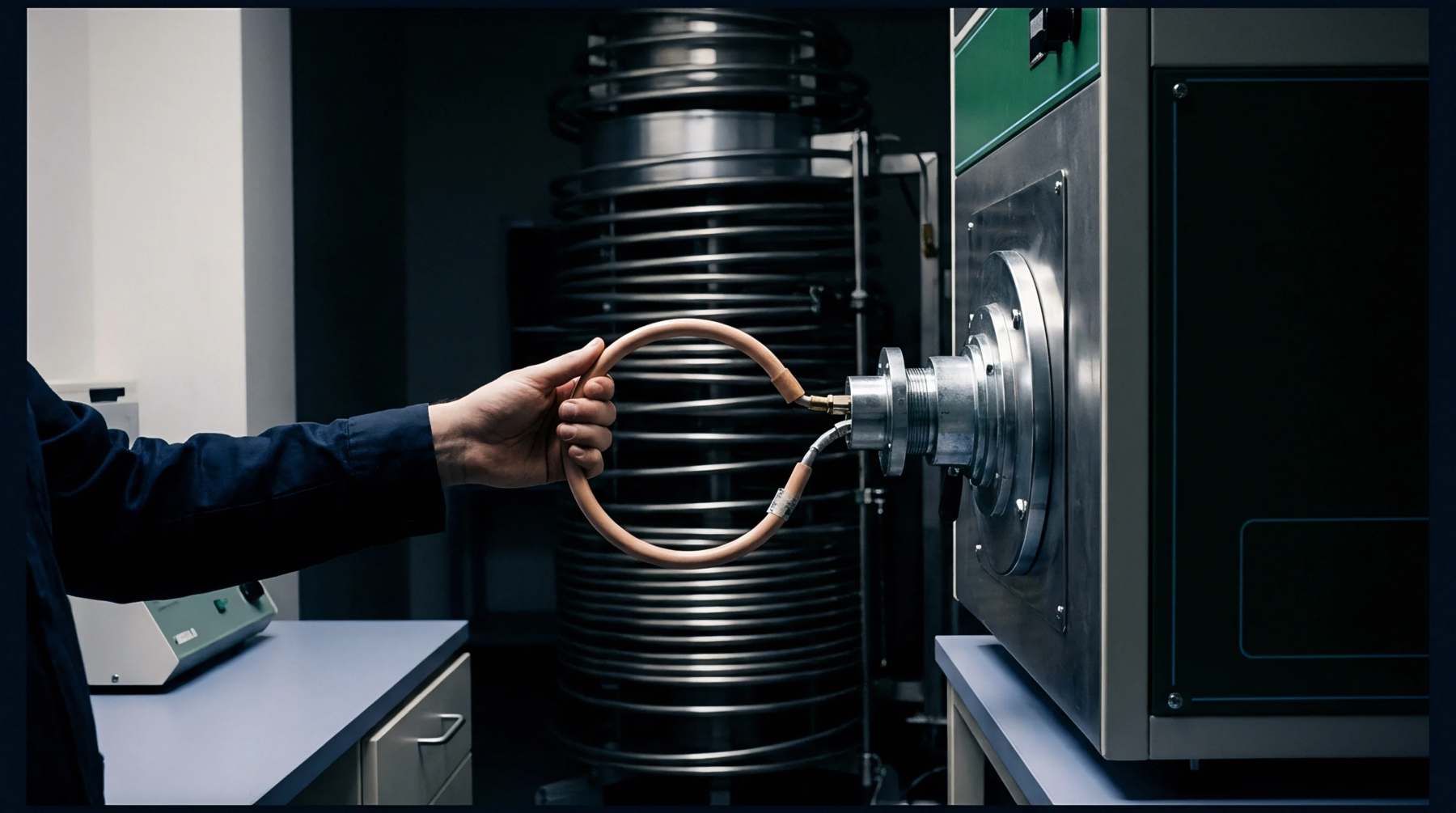
Selecting sensor packages and digital interfaces balances bus trace capacitance, pull-up current, thermal assembly stress, and firmware driver maintenance costs.

Dynamic thermomechanical algorithms split pressure errors into steady polynomial drift and transient gradient terms, preserving millibar accuracy across fast thermal shocks.

Silicon bandgap thermal drift inside microcontrollers creates parabolic ADC gain errors that package stress and reflow worsen, requiring careful compensation.

Control surface-mount sensor zero offset by isolating board flex with PCB relief slots, selecting low-modulus die attach packages, and balancing solder volume.

Procuring sensor mold compounds requires locking down glass transition, modulus, extractable halogens, and cold chain limits to prevent die stress and drift.

Wafer bank conversion bypasses front-end fab cycles but introduces multi-week packaging queues and compounding yield losses that inflate delivered component costs.

Post-reflow zero-point drift stems from package-to-board thermal expansion mismatch, demanding compliant leads or post-assembly firmware calibration.

Surface mount sensor stepping verification relies on querying internal silicon revision registers over digital buses during automated board testing.

Polymer encapsulation ingress shifts sensor zero baselines through hygroscopic swelling stress and permittivity drift, requiring pre-conditioned calibration.

Mitigate open port sensor drift through ePTFE membrane barriers, pulsed thermal desorption cycles, and dynamic baseline firmware compensation.

Dynamic mechanical analysis measures time-dependent compliance spectra to predict multi-year creep strain and joint fatigue in semiconductor packaging polymers.
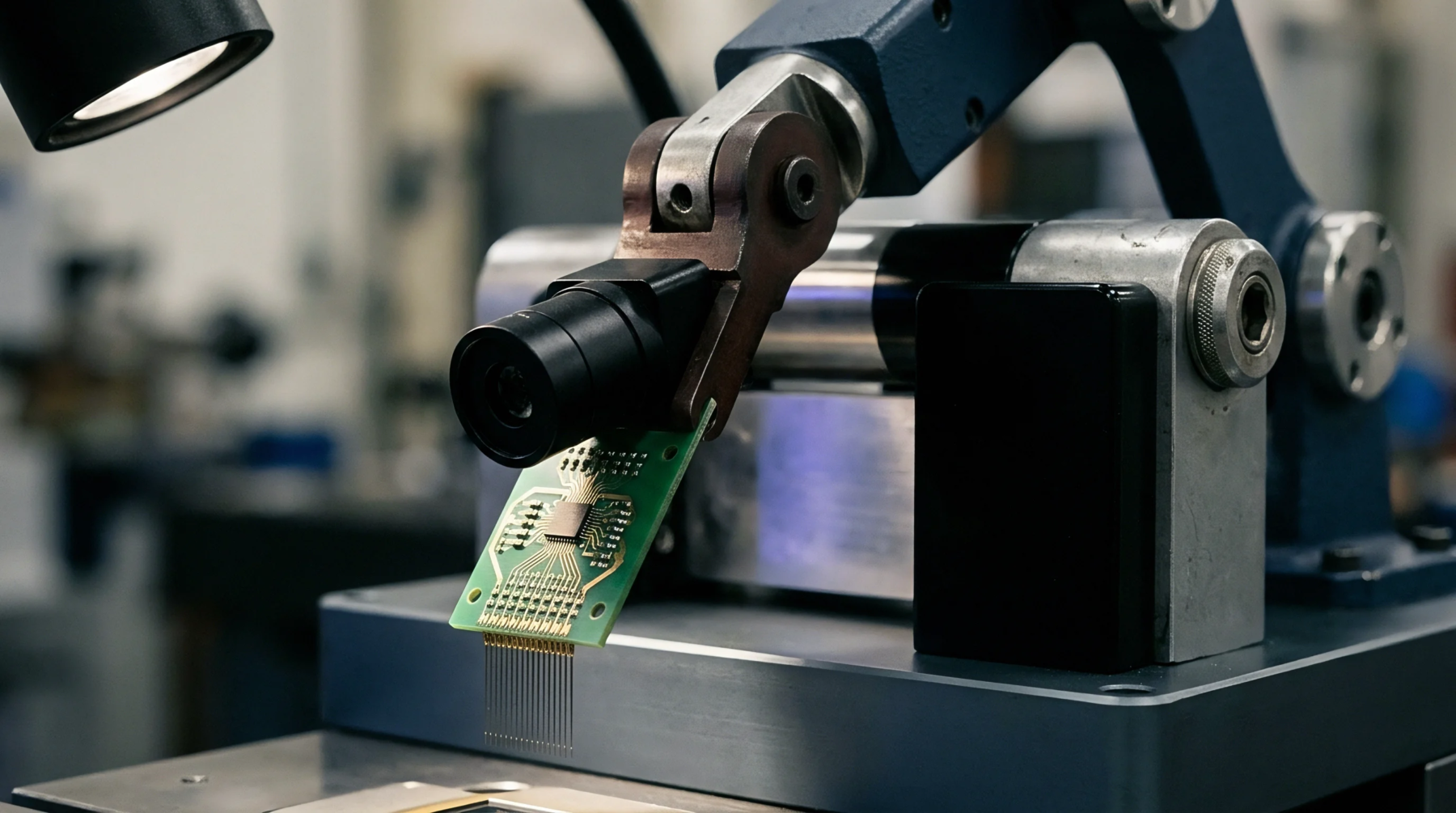
Dual-stage sorption causes unmodeled moisture retention at reflow, requiring dry-pack verification and register offset trim to prevent delamination and drift.

Dual stage Carter Kibler diffusion modeling predicts bound moisture retention and prevents catastrophic package popcorning during high temperature surface reflow.

Hygroscopic swelling in packaging polymers transfers parasitic shear into MEMS diaphragms, causing zero-point drift that demands pedestal isolation.

Surface mount packaging transfers printed circuit board flexure to piezoresistive silicon dies, causing bridge zero shifts that defeat digital compensation.
Full-bridge piezoresistive layouts linearize strain response and reject thermal drift, while digital front-end packages shift line calibration into firmware.

Dynamic package shear stress produces non-inverting thermal hysteresis loops that defeat memoryless polynomial matrix compensation in multi-axis sensors.

Micro-anchor decoupling isolates acoustic energy and relieves packaging strain, preserving quality factors over 100,000 and sub-ppm frequency stability.

Mitigating mechanical flexure in SMD pressure packaging requires structural routing slots, compliant solder alloys, and controlled gasket compression.
Coupled hygro-thermo-mechanical stress inversion in molded underfill sensor cavities demands fillet radius optimization to prevent decade-long zero-point drift.
Expertise is a utility, not a secret. sentiention™ publishes its working knowledge as open reference: intelligence layer covering the materials it sources, the markets it enters, and the reference that serves both.