Shear Boundary
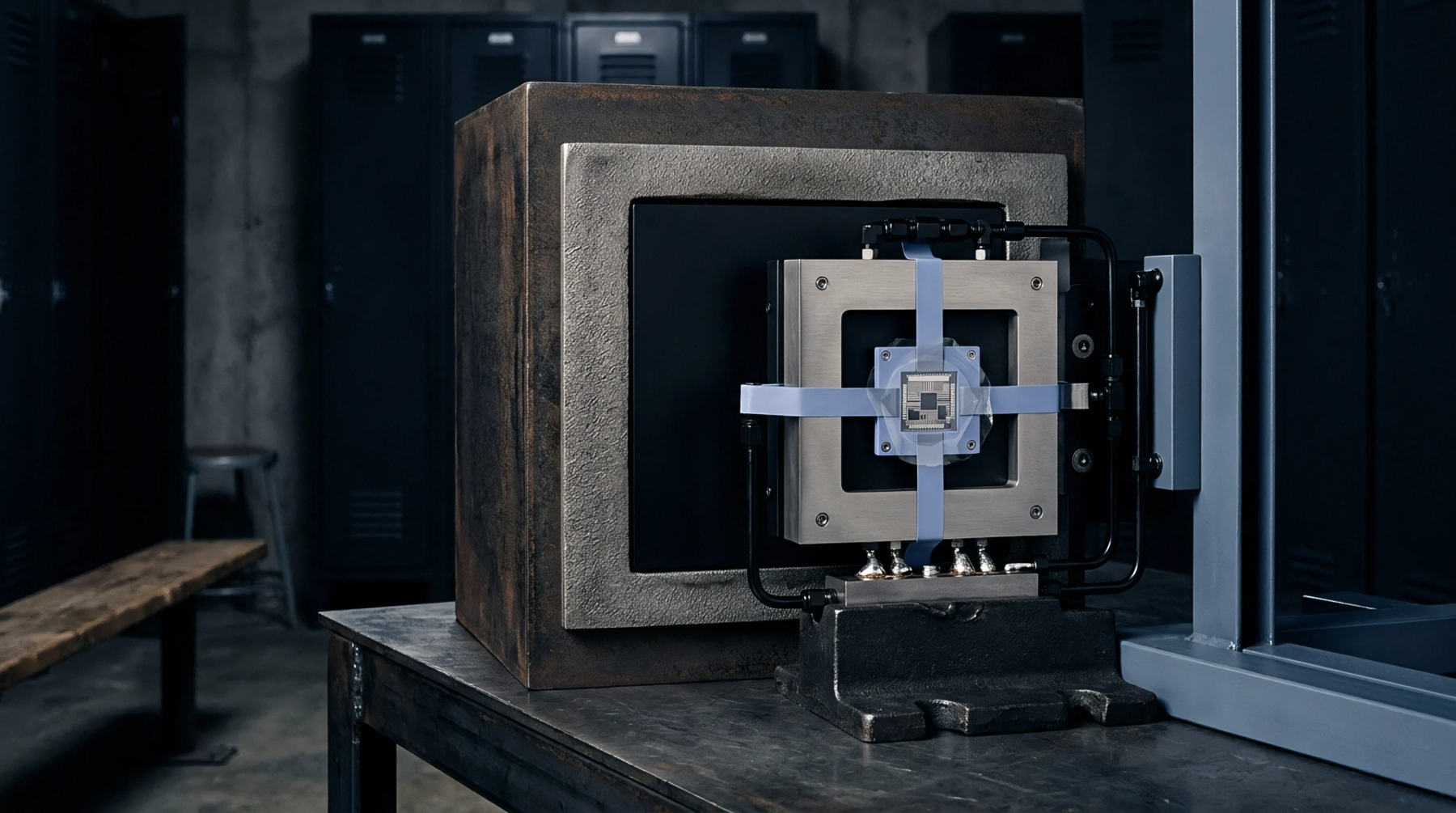
A tangential force per unit area acts directly along the common boundary shared by two distinct media when relative motion occurs between them, making interfacial shear stress the governing parameter for momentum transfer across that plane. Metrological quantification requires high precision because normal loading forces on the sensor face can easily mask the parallel tangential vector during dynamic operation. Calibration laboratories verify the primary load cell against deadweight standards under isothermal reference conditions to eliminate thermal drift before mounting the assembly in a flow test loop.
Mechanical compliance in the mounting flange introduces compliance errors that degrade the recorded calibration curve during high frequency cycling. Sensor installation effects create systematic bias when angular misalignment forces the active element to record off axis components of the total resultant vector.
Adhesion Limits
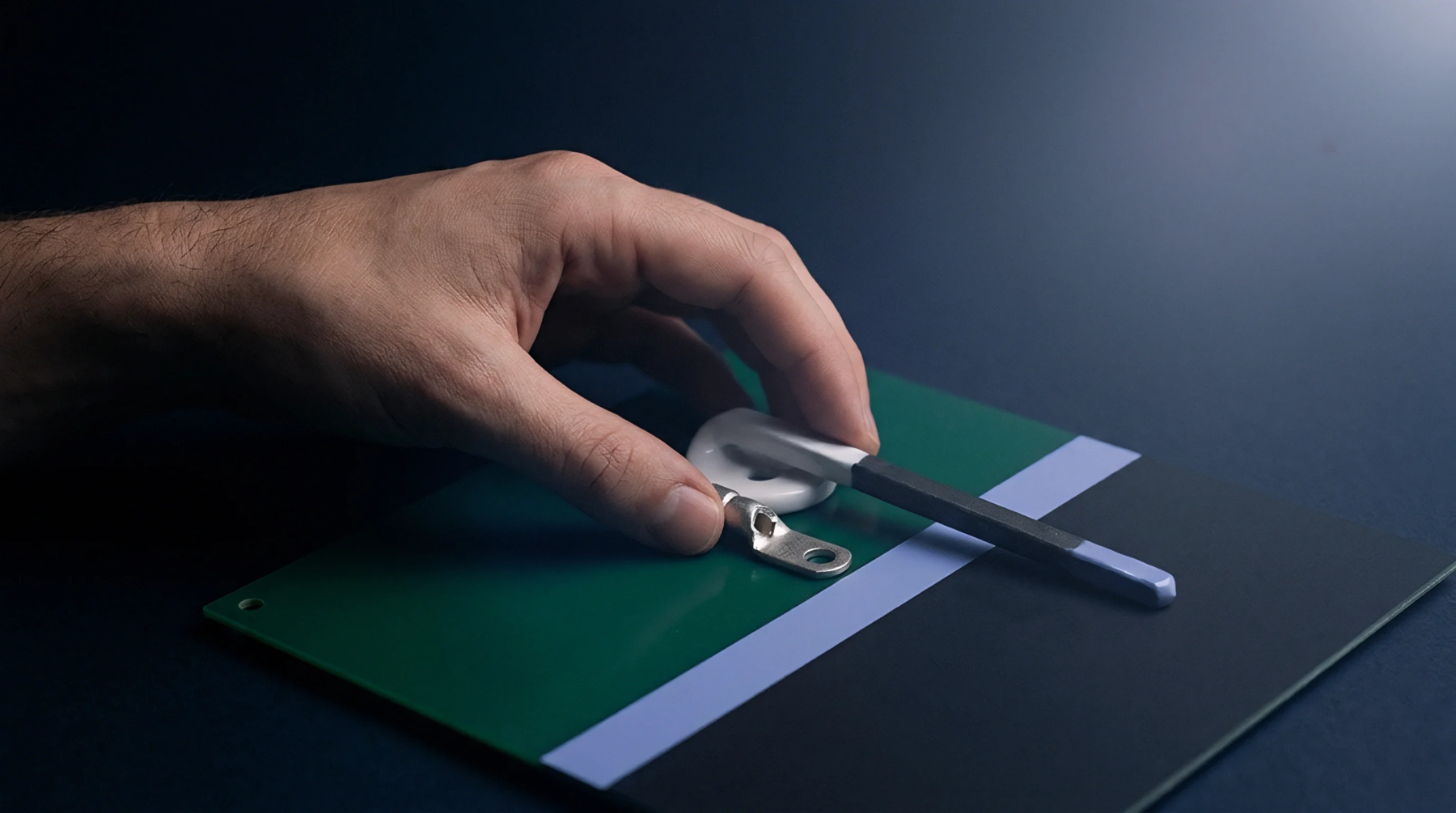
Maximum tangential loading capacity depends entirely upon the chemical bonding or mechanical interlocking present at the microscopic junction between the solid substrate and the applied coating. Production facilities test this bonding strength using pull off adhesion testers that apply a vertical tensile load until complete separation occurs at the interface. Surface preparation protocols dictate the repeatability of these adhesion values, requiring grit blasting to a specified roughness profile before any liquid deposition takes place.
Environmental moisture migration attacks the boundary region and causes adhesive failure long before the theoretical maximum tangential limit is reached during standard operational cycles.
Viscous Drag
Fluid velocity gradients generate frictional resistance directly adjacent to solid walls, establishing boundary layer conditions where interfacial shear stress reaches its peak value within the flow regime. Anemometry measurements capture the local velocity profile normal to the wall, allowing technicians to calculate the wall gradient through proportional viscosity coefficients. Pressure transducers placed along the flow channel record static pressure drops that correlate directly with the integrated tangential drag forces acting over the wetted surface area.
Instrument fouling from particulate deposition alters the local roughness height, changing the velocity distribution and introducing unexpected calibration errors into the secondary readout unit.
Thermal Coupling
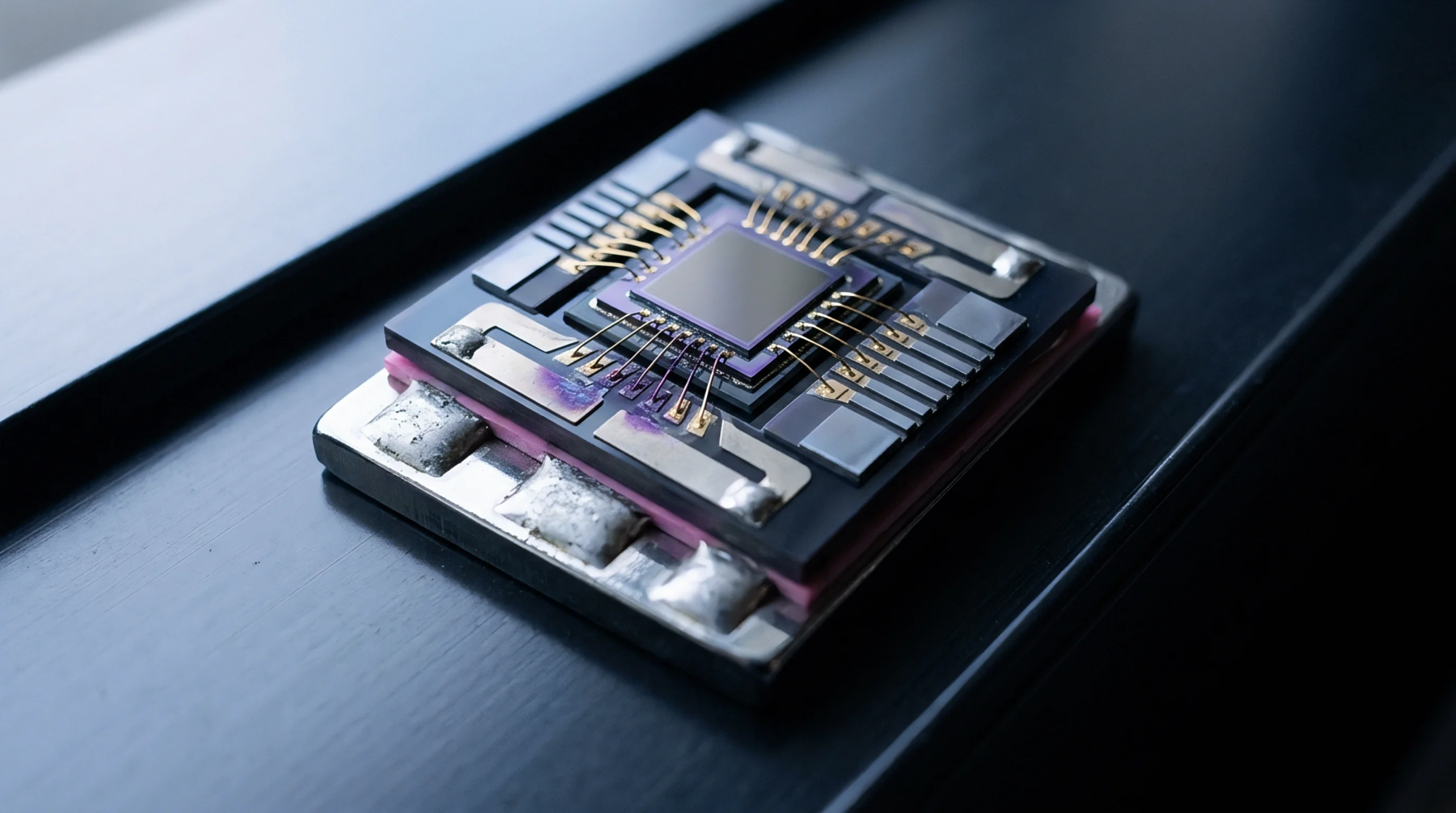
Dissipated mechanical energy converts directly into thermal output across the boundary plane, producing localized temperature gradients that alter the physical properties of both adjacent materials. Platinum resistance thermometers embedded beneath the surface measure these rapid temperature excursions during high speed sliding contact or turbulent flow transitions. Thermal expansion mismatch between bonded layers generates residual stresses that superimpose upon the applied tangential loads, complicating the interpretation of raw strain gauge outputs.
Reference standard verifications must compensate for ambient temperature fluctuations by applying real time polynomial corrections derived from secondary calibration runs performed immediately prior to testing.