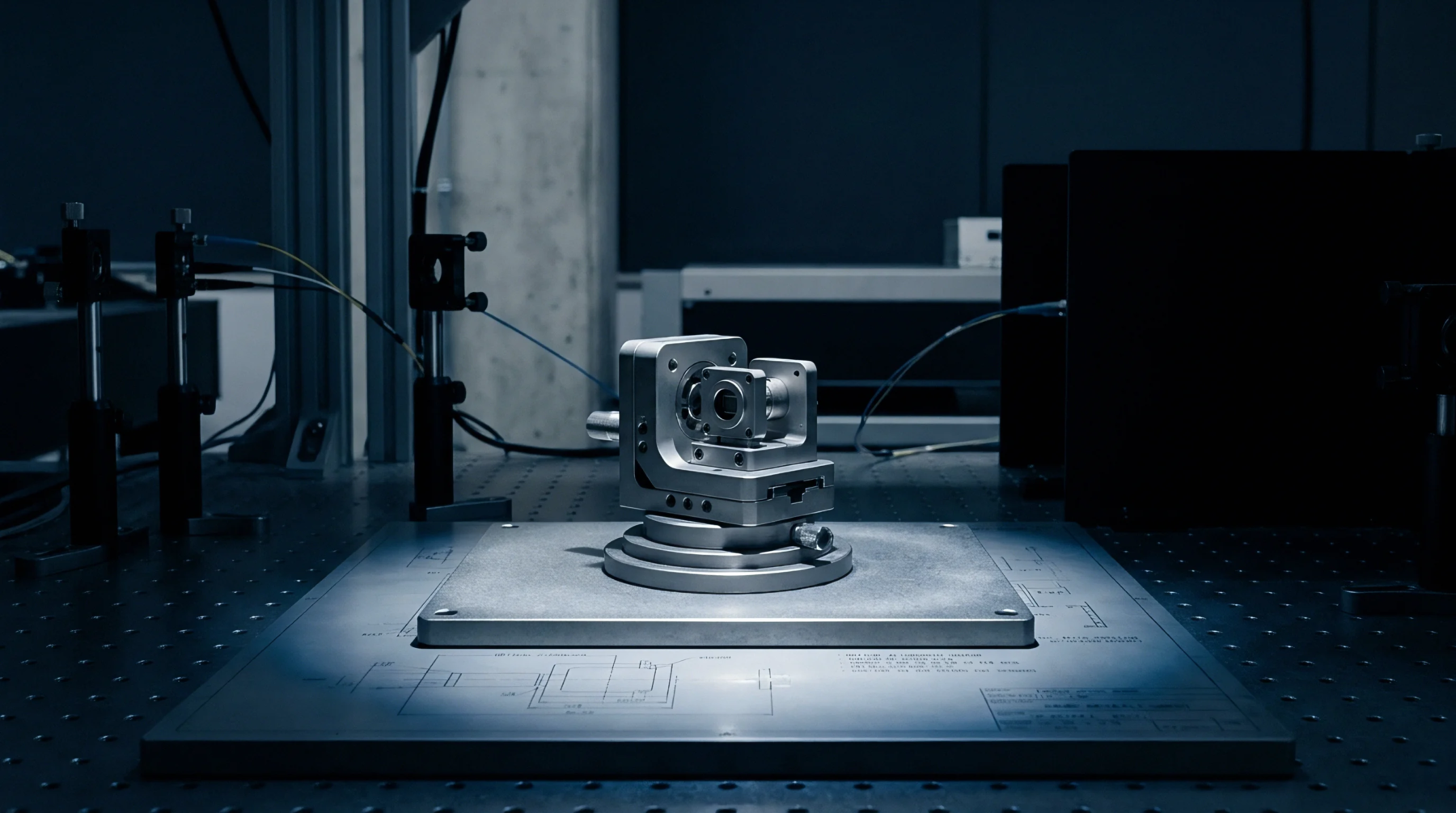
Temperature Coefficient Turnover Migration in Precision Resistors
Turnover migration in precision resistors shifts the zero-slope thermal point, inducing uncompensated linear temperature drift across operational sweeps.

Turnover migration in precision resistors shifts the zero-slope thermal point, inducing uncompensated linear temperature drift across operational sweeps.
Covariance matrix optimization eliminates residual thermal uncertainty in precision resistor networks by modeling correlated alpha and beta coefficient errors.
Orthogonal polynomial regression eliminates matrix ill-conditioning in temperature-dependent resistance calibration, securing millikelvin interpolation accuracy.

Cascaded multiplexer trees require parasitic capacitance checks per stage to keep total load below bus standard limits and prevent signal corruption.

Fit standard resistor temperature coefficients using centered least squares regression in stirred oil baths to prevent thermal gradients from corrupting ppm ratios.

Extract quantization noise Q from Allan plots by extending the minus-one log-log slope to root three seconds, isolating digital step limits from sensor rate noise.
Hardware I2C multiplexers isolate identical peripheral addresses and split capacitive loads across independent, switchable bus branches.

Structural stress relaxation in hermetic wire standards drives logarithmic resistance drift, controllable through precise multi-stage thermal relief aging.

Dynamic sensor address resolution in high-noise arrays requires differential physical-layer isolation, sequential gate waking, and robust nine-clock recovery.
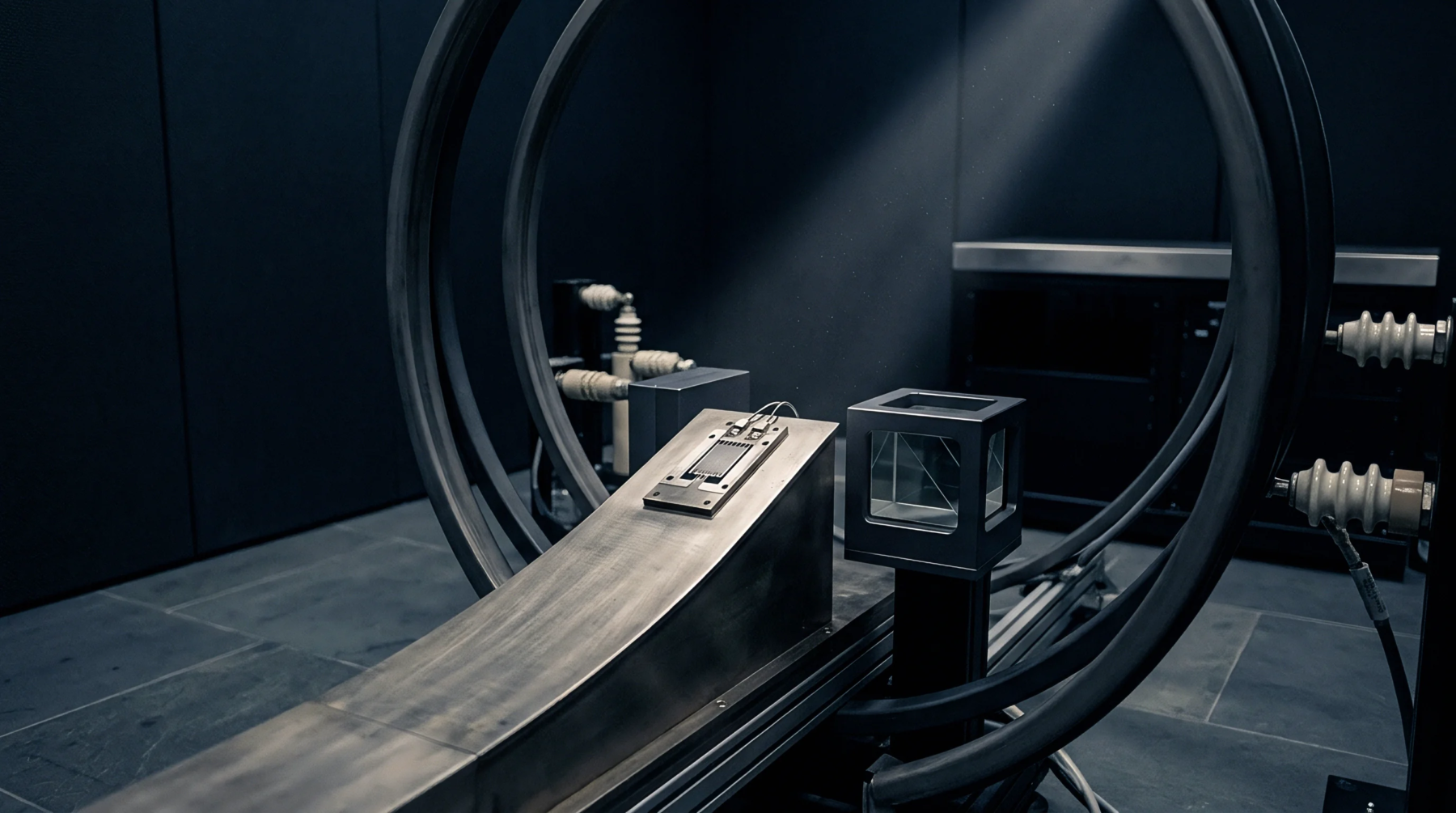
Uncertainty budgeting for field resistors requires combining initial tolerance, parabolic temperature coefficients, and hysteresis into an RSS model.

Active bus accelerators and differential transceivers preserve signal integrity across high-capacitance sensor lines by isolating slow capacitive RC edges.

Addressing multi-channel sensors on shared two-wire buses relies on address pin strapping, active bus switches, or in-line offset address translation ICs.
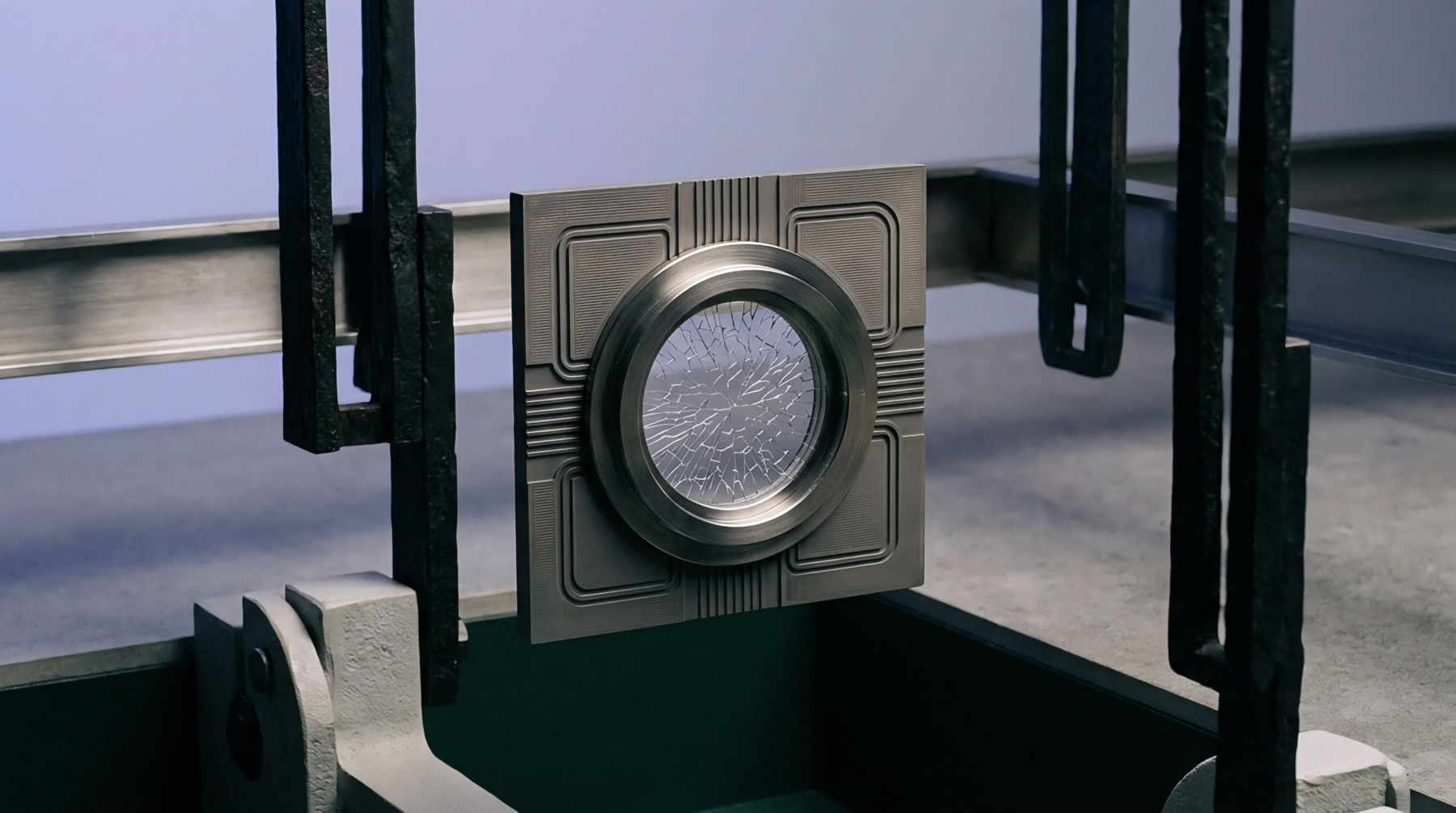
Determining parabolic temperature coefficients requires multi-point steady-state bath resistance logging to resolve curvature and zero-drift apex parameters.
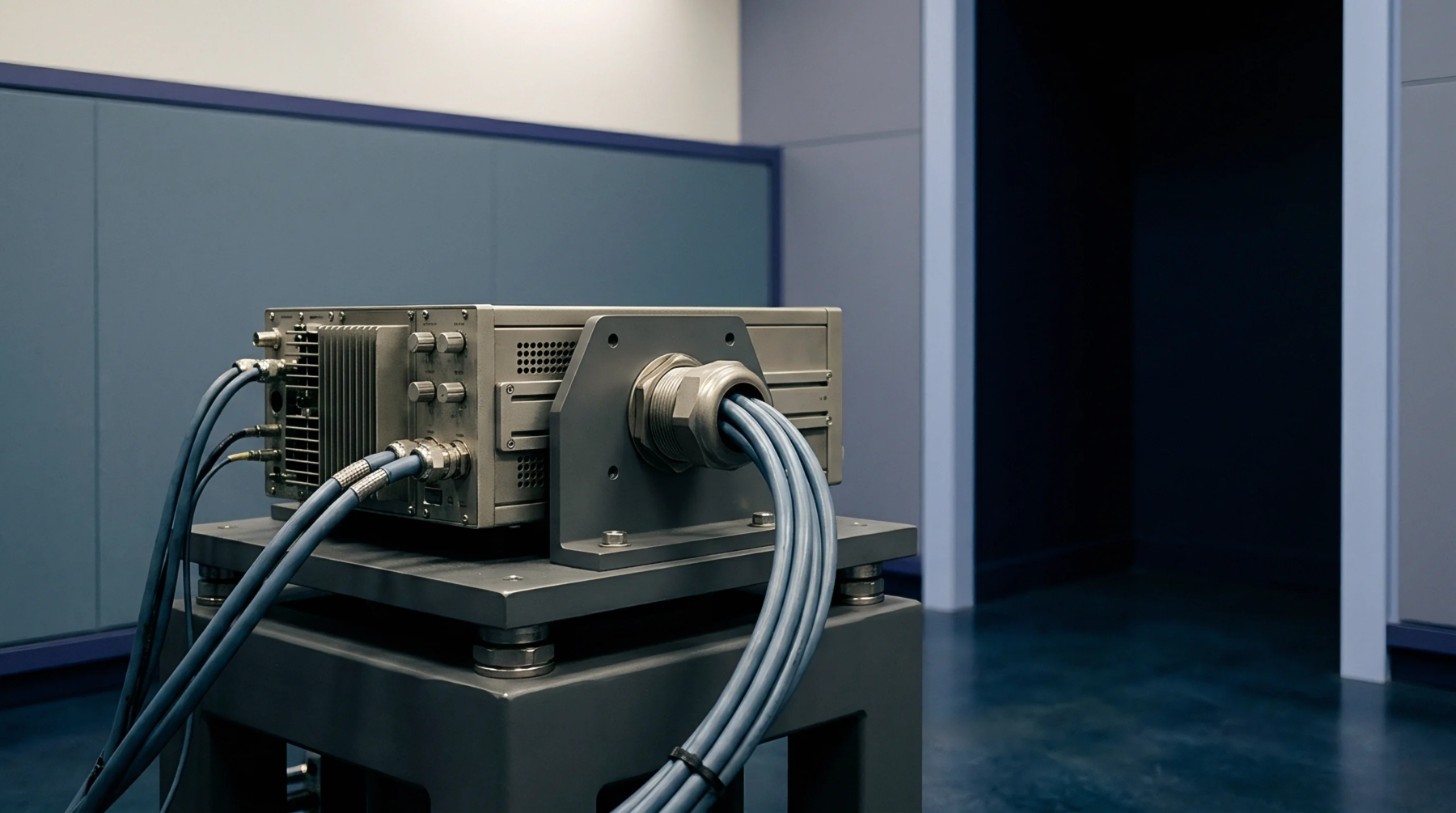
Dynamic shield braid fatigue converts common-mode engine noise into differential sensor error, favoring digital bus transceivers over heavy shielded cabling.

Common-mode harness termination requires matched magnetic series impedance, minimal pad ESL, and direct 360-degree chassis bonding at the connector boundary.

Dynamic thermal gradients induce asymmetric flexure stress, driving uncompensated zero-bias drift that requires active thermal balancing and pure wafer quartz.
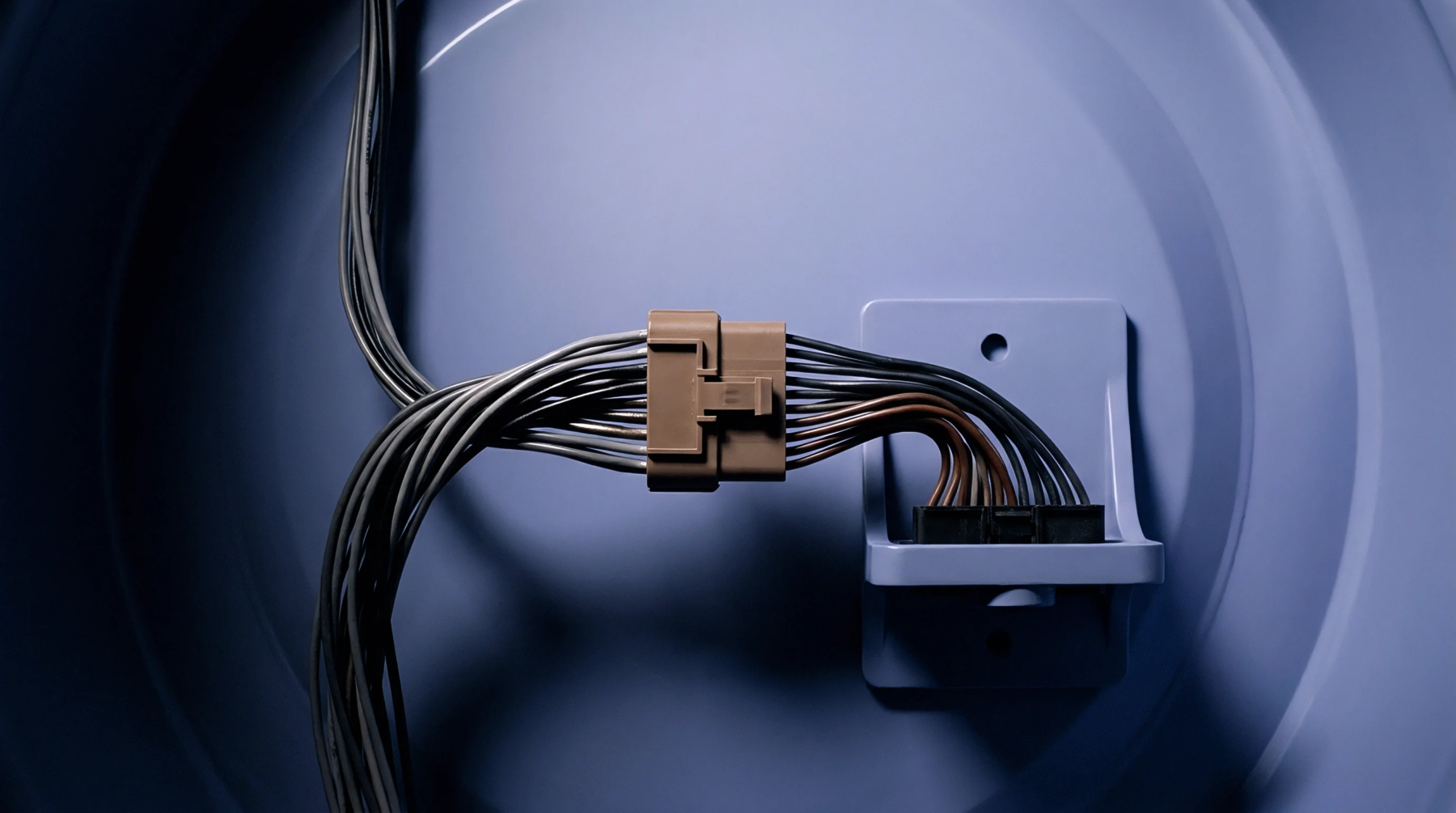
High-temperature differential pairs maintain 100-ohm impedance by matching thermal permittivity drift with trace spacing expansion tolerances across operating gradients.

Sub-ppb moisture cleaves strained interfacial siloxane bonds in anodic seals, relaxing MEMS diaphragm constraints and driving uncompensated long-term drift.

Silanol condensation releases cavity water that shifts internal permittivity, demanding high-temperature bakeout or atomic layer deposition to lock dielectric drift.

Borosilicate capacitive cells suffer baseline permeation drift under helium exposure, requiring aluminosilicate materials or accelerated screening to hold multi-year calibration limits.

Rapid depressurization causes dissolved gas supersaturation, driving internal micro cavitation that swells transducer elastomer glands and shifts zero calibration.

Resolve bus accelerator offset mismatches by inserting series damping resistors at sensor drops and matching buffer static offsets to receiver low thresholds.

Shupe effect transient phase errors occur when temporal temperature gradients break optical reciprocity, requiring symmetric winding and thermal modeling.

Dynamic thermal calibration during stationary alignment resolves internal heating gradients using multi-point rate-of-change modeling to secure true north.
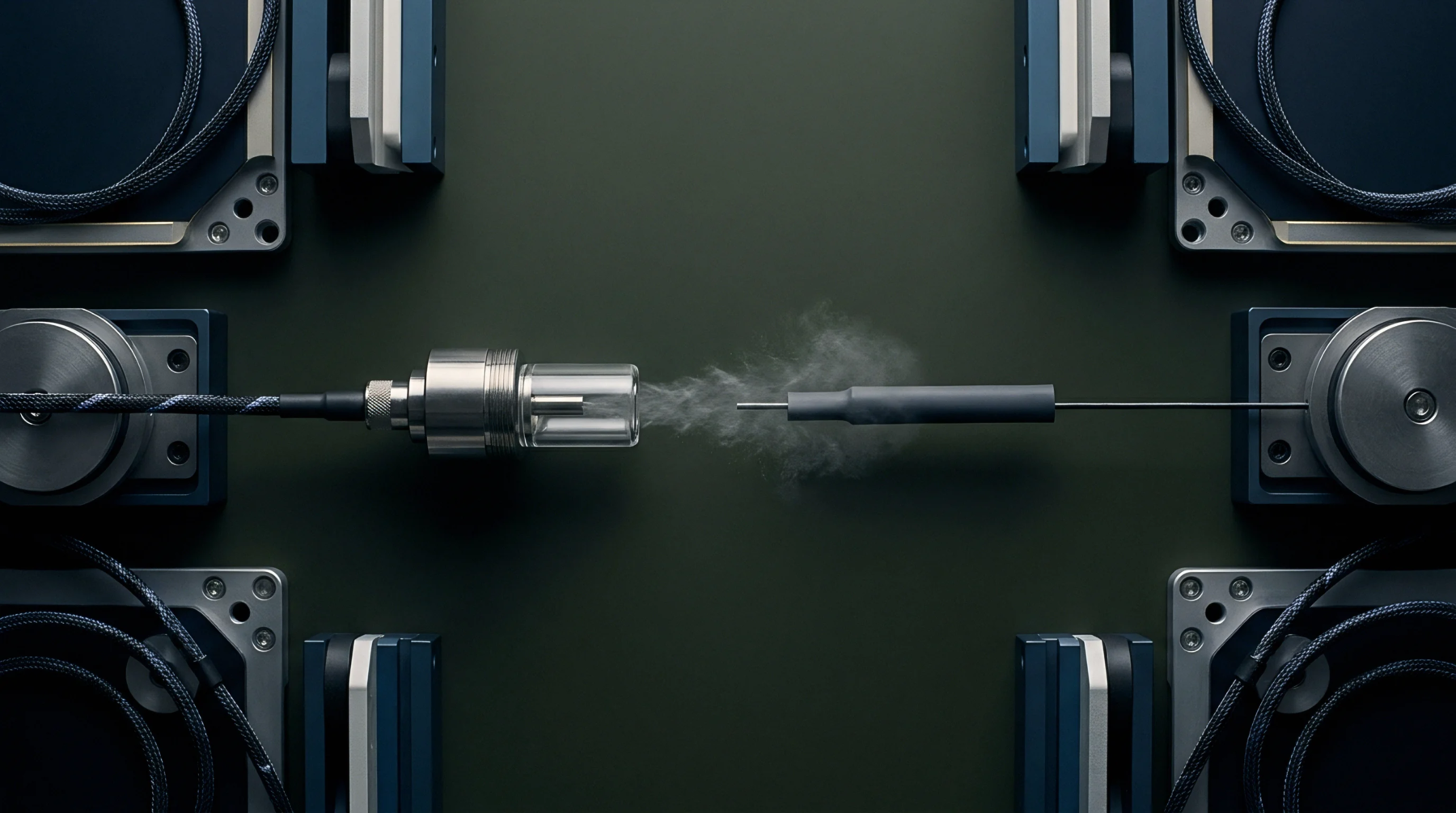
Sub-arcminute gyrocompassing under thermal transients demands symmetric fused silica resonators, continuous mode reversal, and differential stem tracking.

Single-axis indexing cancels horizontal MEMS gyroscope bias by periodically inverting the sensing axes, shifting drift errors into uncoupled AC modulation bands.

Ground inertial alignment establishes tactical vehicle attitude and azimuth through static gravity vector resolution, Earth rotation sensing, and Kalman filtering.
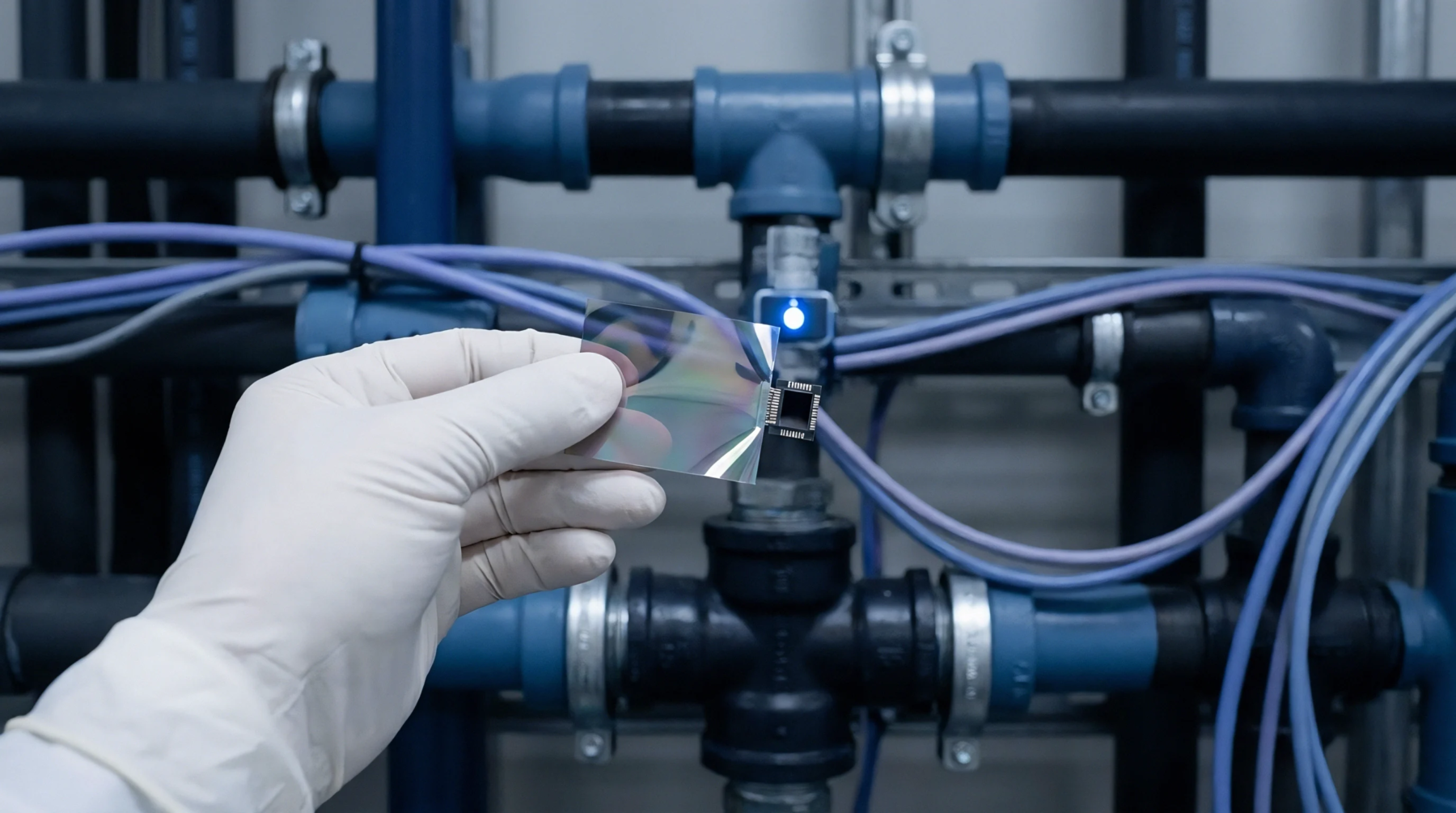
Caustic degradation and thermal quench induce seal compression set, pulling washdown fluids into enclosures when internal vacuum drops exceed contact pressure.

Differential vacuum during thermal shock washdown equals dry air thermal contraction plus vapor condensation minus equalizing vent inflow.
Expertise is a utility, not a secret. sentiention™ publishes its working knowledge as open reference: intelligence layer covering the materials it sources, the markets it enters, and the reference that serves both.