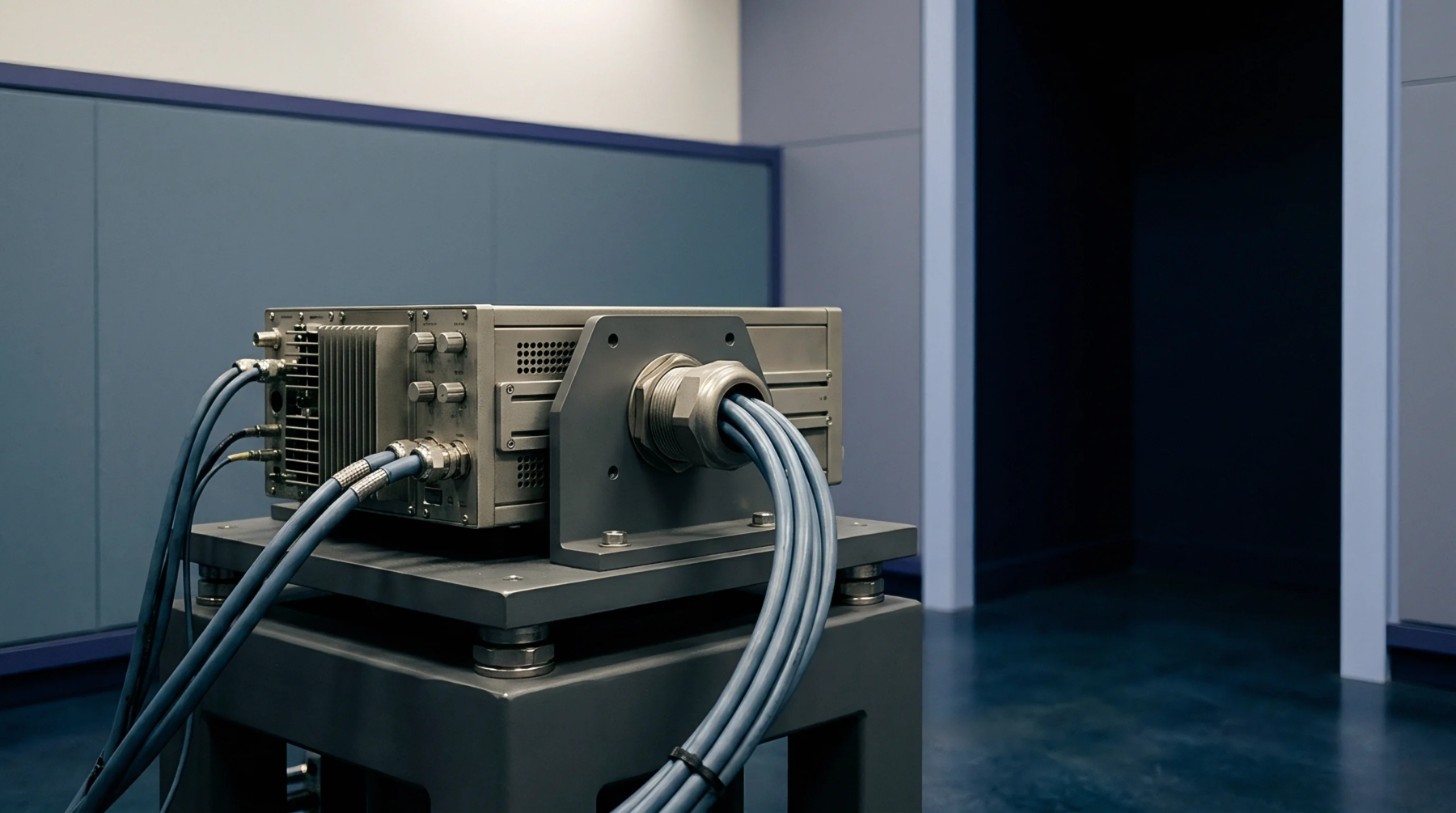
Material Structure
Flexible conductor sleeves made of woven copper wires coated with a thin layer of tin provide high conductivity along with excellent corrosion resistance and solderability. Utilizing tinned copper braid in cable shielding offers effective coverage against electromagnetic interference while allowing the cable to remain flexible. The structure is commonly used in aerospace and industrial automation wiring.
Electromagnetic Protection
Woven patterns of fine wire create a continuous barrier that blocks high-frequency electrical noise. This tinned copper braid provides a low-impedance path to ground, which directs unwanted currents away from sensitive signal lines.
Environmental Resistance
Tin plating protects the copper core from oxidation, which would otherwise degrade the electrical performance in humid conditions. The coating also prevents the copper from reacting with certain insulation materials, which ensures that the tinned copper braid retains its flexibility and conductivity over long periods. This protection is critical in marine and outdoor environments.
Structural Application
Installing the braid requires careful handling to avoid unraveling the woven structure at the connection points. Standard installation techniques use crimped rings or solder sleeves to secure the braid to the connector backshell. This secure attachment ensures that the grounding connection remains continuous even when the cable is subjected to constant bending and vibration.