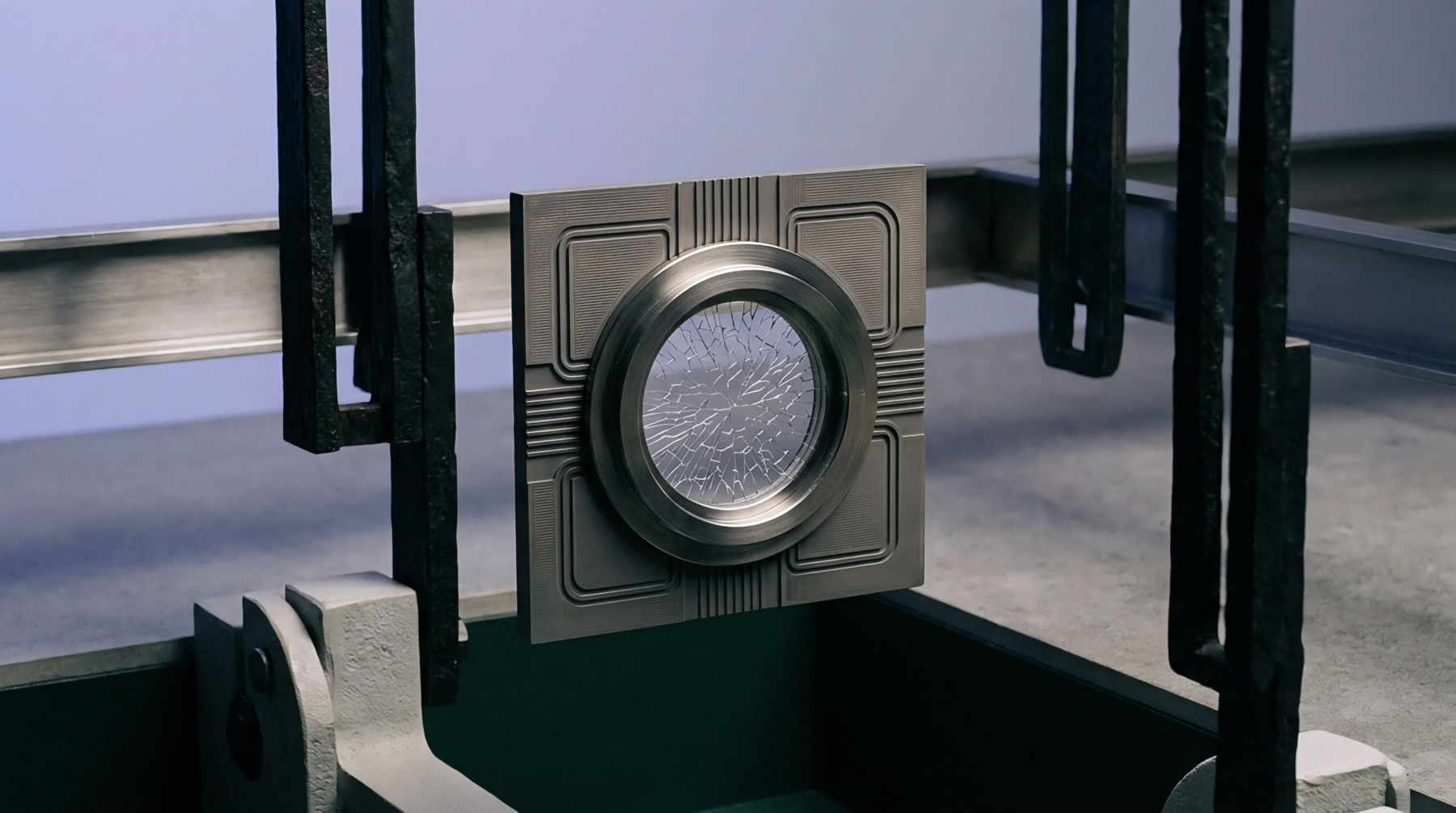
Material Conditioning
Controlled thermal and mechanical processing relieves residual internal stresses that accumulate in sensor elements during assembly and machining. This procedure of thermomechanical stabilization ensures that the electrical properties of the sensing materials remain stable during subsequent use.
Relaxation Process
Sensing elements such as strain gauges and resistance thermometers experience microscopic crystalline shifts when they are manufactured or handled. These shifts introduce latent stresses that slowly relax over time, which causes the sensor calibration to drift. Heating the sensors to a specific elevated temperature and holding them there accelerates this relaxation process, which forces the atomic lattice to settle into its lowest energy state.
Calibration Impact
A non-stabilized sensor exhibits erratic behavior and non-repeatable readings during initial test sweeps. Subjecting the device to thermomechanical stabilization before calibration establishes a repeatable baseline. This baseline allows the sensor to provide highly reproducible output throughout its operational life.
Industrial Execution
Industrial execution requires cycling the sensor between its maximum and minimum rated temperatures several times over many hours. This cycling is done in a stress-free fixture to avoid introducing new mechanical constraints during the thermal expansion phases. Following the thermal cycling, the sensor undergoes a final burn-in phase at room temperature to verify the baseline stability before the official calibration routine begins.
This sequence of steps is the standard protocol for producing high-precision instrumentation.