Material Transformation
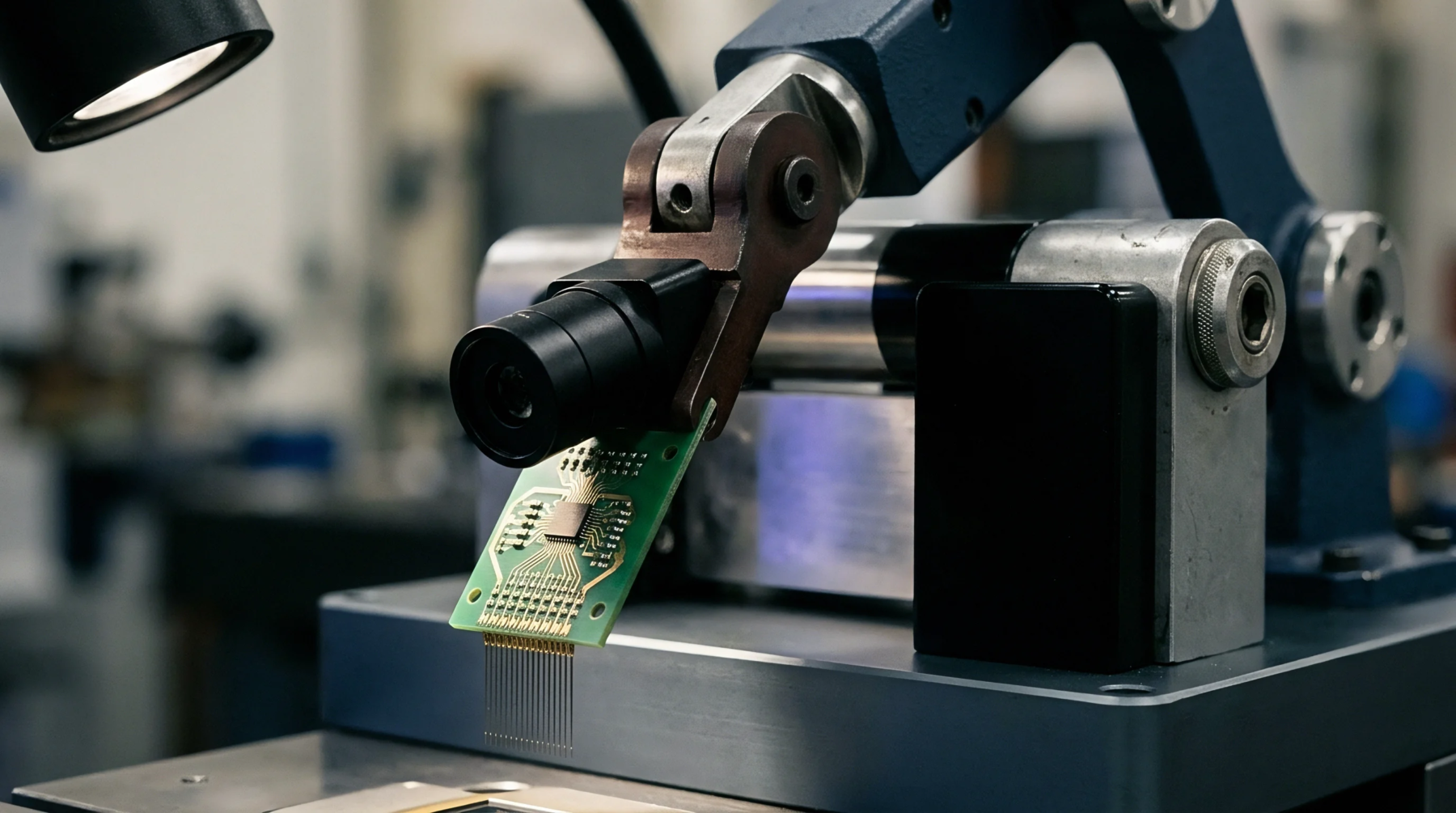
Physical phenomena describe the change in electrical resistivity of a semiconductor or metal when it is subjected to mechanical strain or pressure. The piezoresistive effect occurs because the deformation of the crystal lattice alters the mobility and the concentration of the charge carriers. In silicon, this effect is particularly strong, making it the ideal material for high precision pressure sensors and strain gauges.
Unlike the piezoelectric effect which generates a voltage, this process changes the resistance of the material, requiring an external power source to measure the result. The sensitivity of the material is characterized by the gauge factor, which relates the change in resistance to the amount of applied strain. This property is exploited to create tiny, rugged sensors that can detect everything from the air pressure in a tire to the force of a human touch.
Stress Conversion
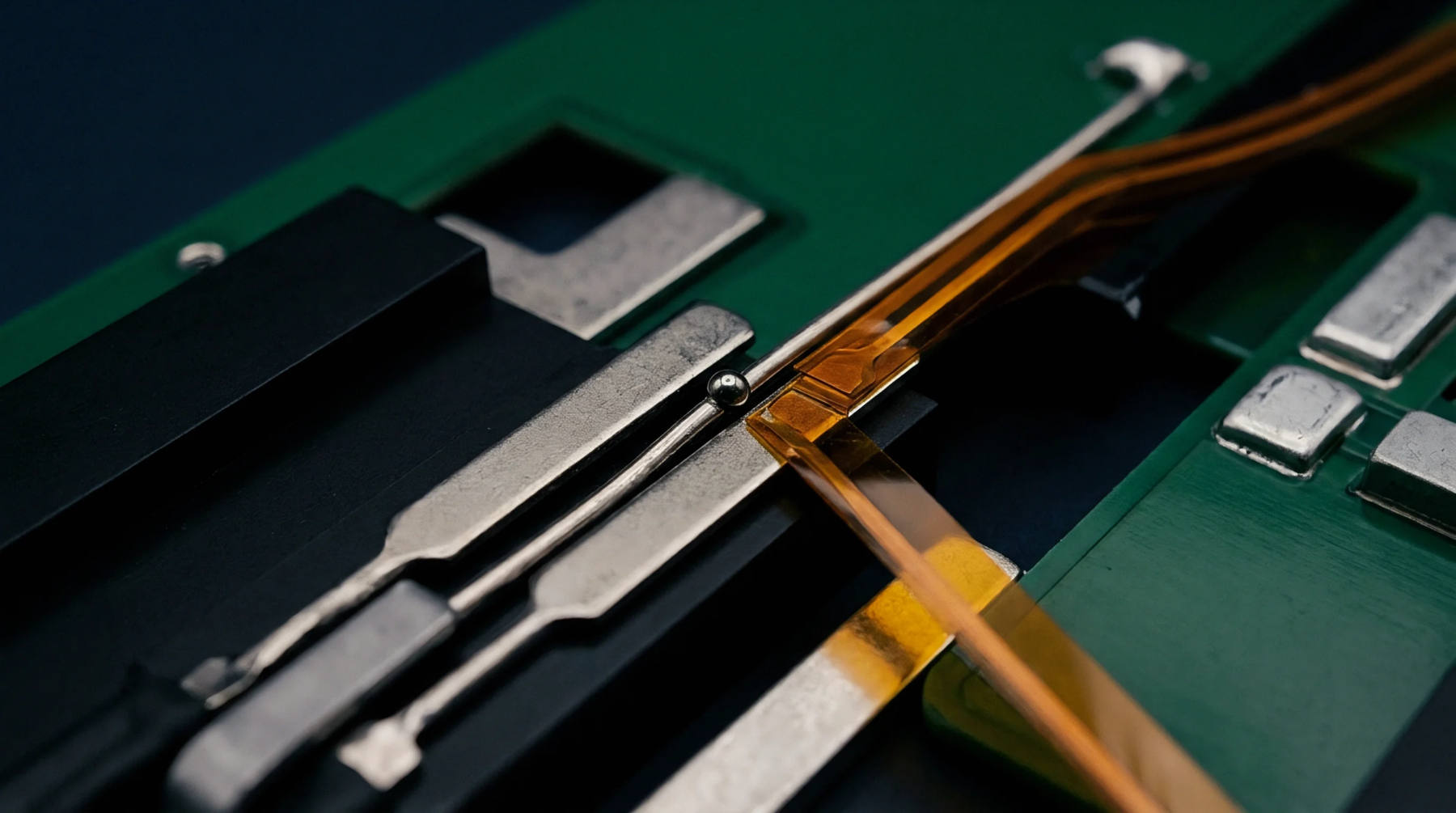
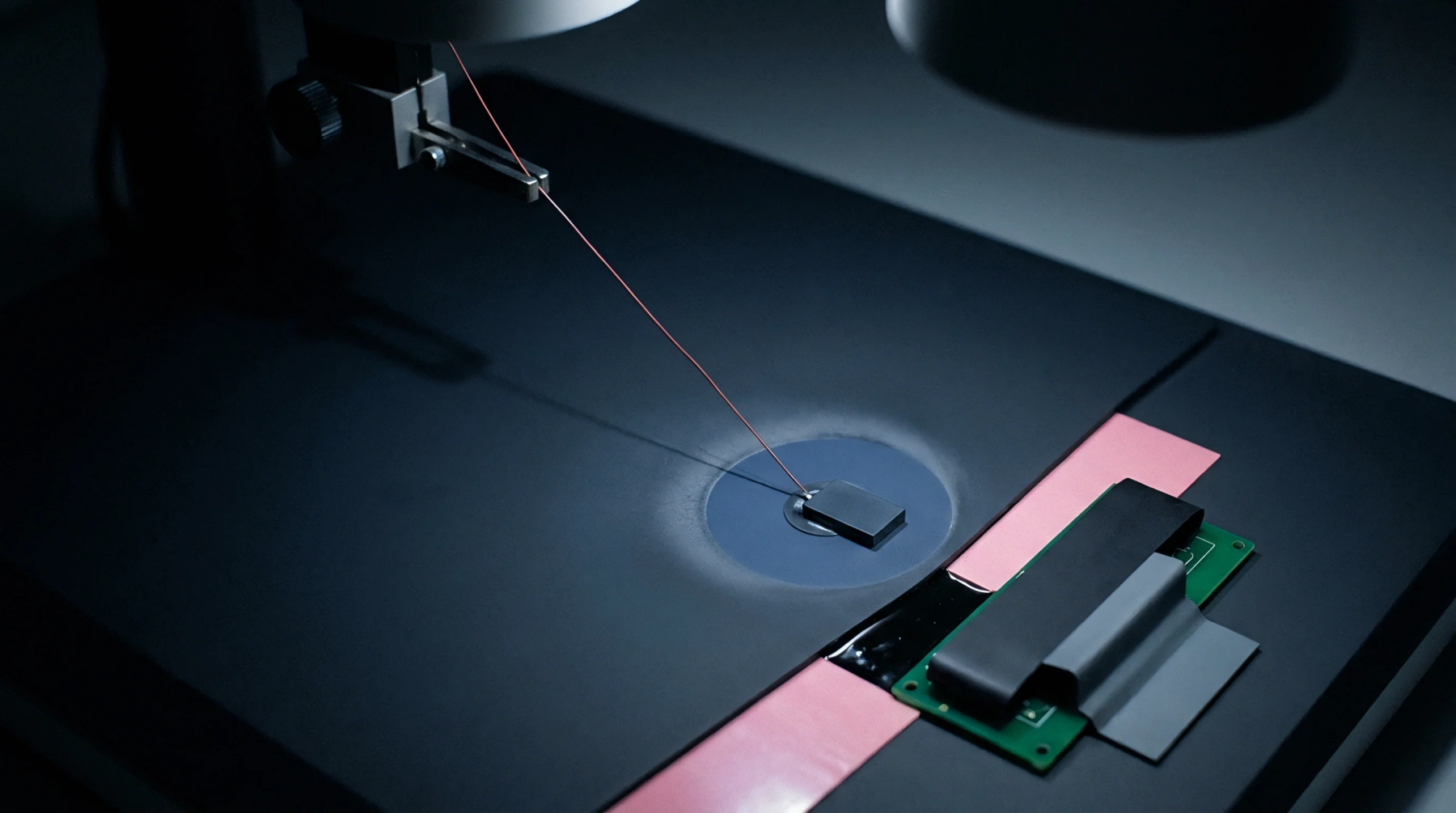
Sensing elements are typically constructed by diffusing impurities into a silicon substrate to create specific resistive paths. These resistors are often arranged in a wheatstone bridge configuration to maximize the sensitivity and to provide a balanced output. When the silicon diaphragm is bent by an external pressure, the resistors on the top surface are stretched while those on the bottom are compressed.
This creates a small but measurable change in the output voltage of the bridge that is proportional to the applied force. Because the silicon is a single crystal, it has no mechanical hysteresis, meaning the sensor returns to its exact original state once the pressure is removed. This high degree of repeatability is a major advantage of the technology in industrial and medical applications.
Sensitivity Coefficient
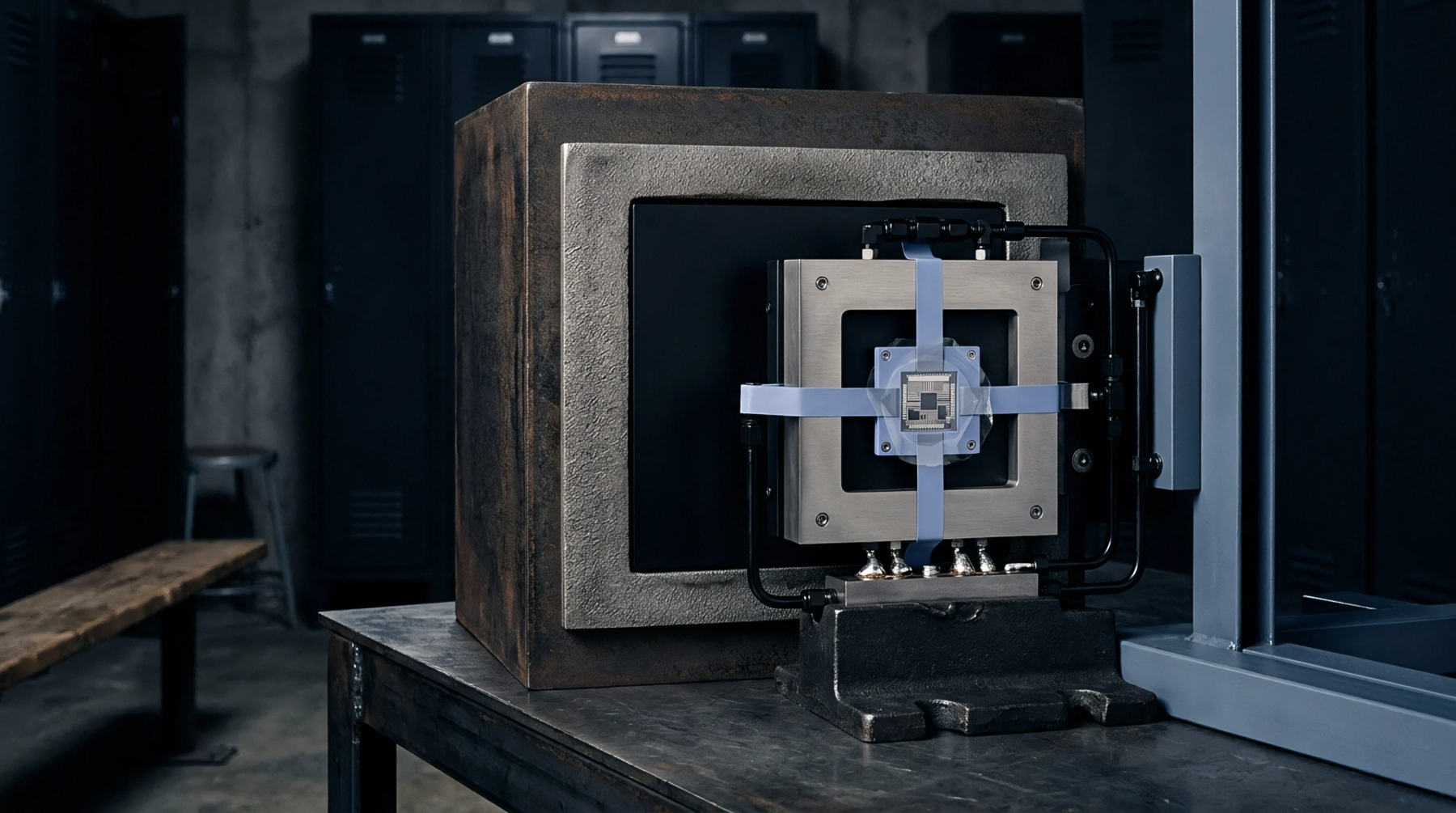
Performance of a piezoresistive sensor is highly dependent on the temperature, as the base resistance and the gauge factor both change as the device heats up. This temperature dependence must be compensated for using additional circuitry or by processing the signal in a microprocessor. The sensitivity of the effect also varies with the orientation of the crystal lattice, meaning the resistors must be precisely aligned during the manufacturing process.
For a given amount of pressure, a p type silicon resistor will show a different response than an n type one. This allows engineers to design sensors that are optimized for specific pressure ranges and environmental conditions. Despite these complexities, the high signal to noise ratio and the small size of these sensors have made them the standard choice for most modern pressure measurements.
Temperature Dependence
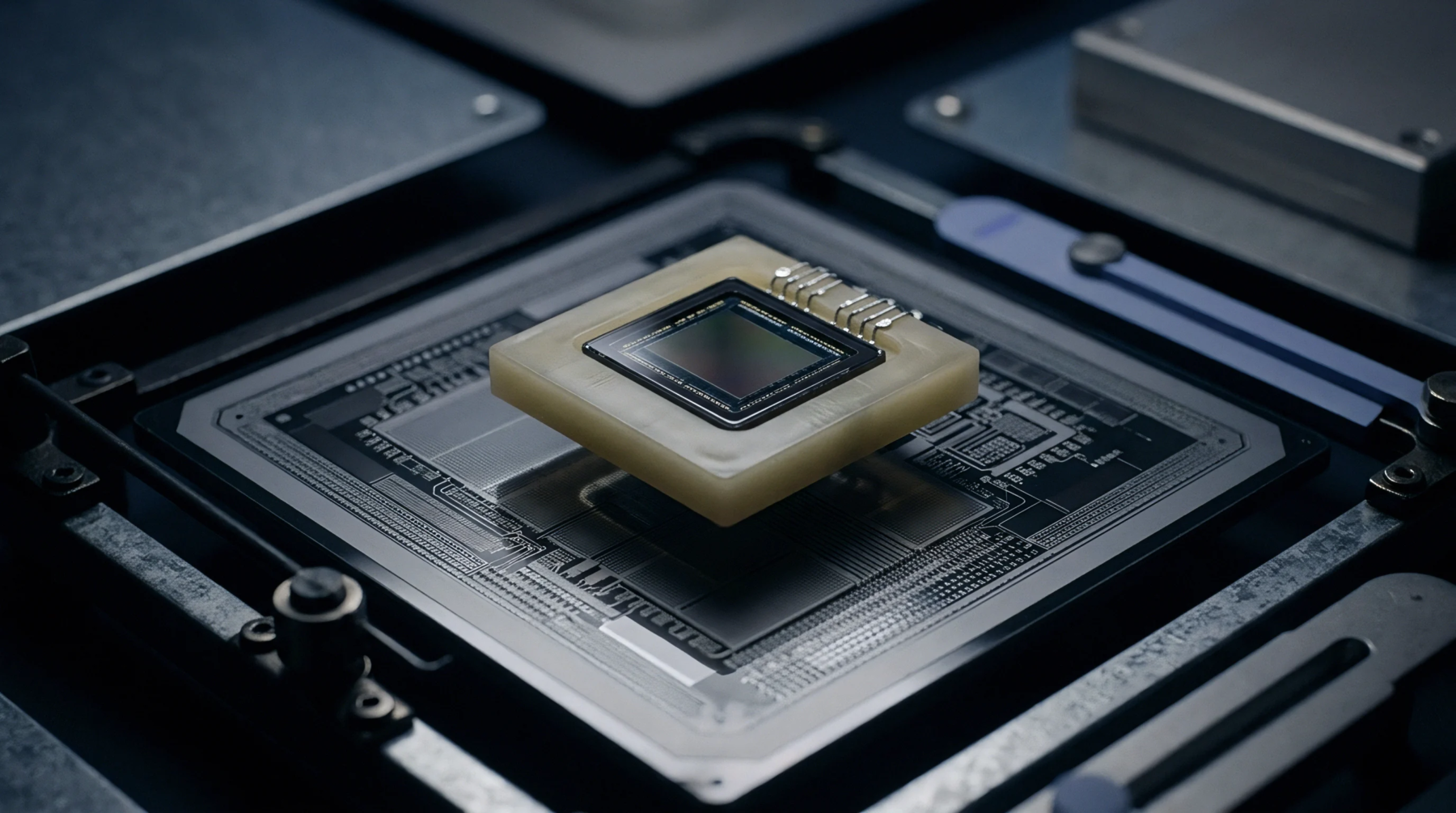
Integration of the sensing element with the signal conditioning electronics on a single chip has led to the development of low cost, smart sensors. These devices include built in calibration and temperature compensation, providing a ready to use output for the end user. The piezoresistive effect remains a fundamental principle of micro electromechanical systems, enabling the miniaturization of sensors for a vast range of products.
From the monitors used in hospitals to the altimeters in smartphones, this technology is a quiet but essential part of our daily lives. Its ability to convert mechanical force into a clear electrical signal is a pillar of modern measurement science. The continued improvement of silicon processing techniques ensures that these sensors will remain relevant for decades to come.