Material Viscoelasticity
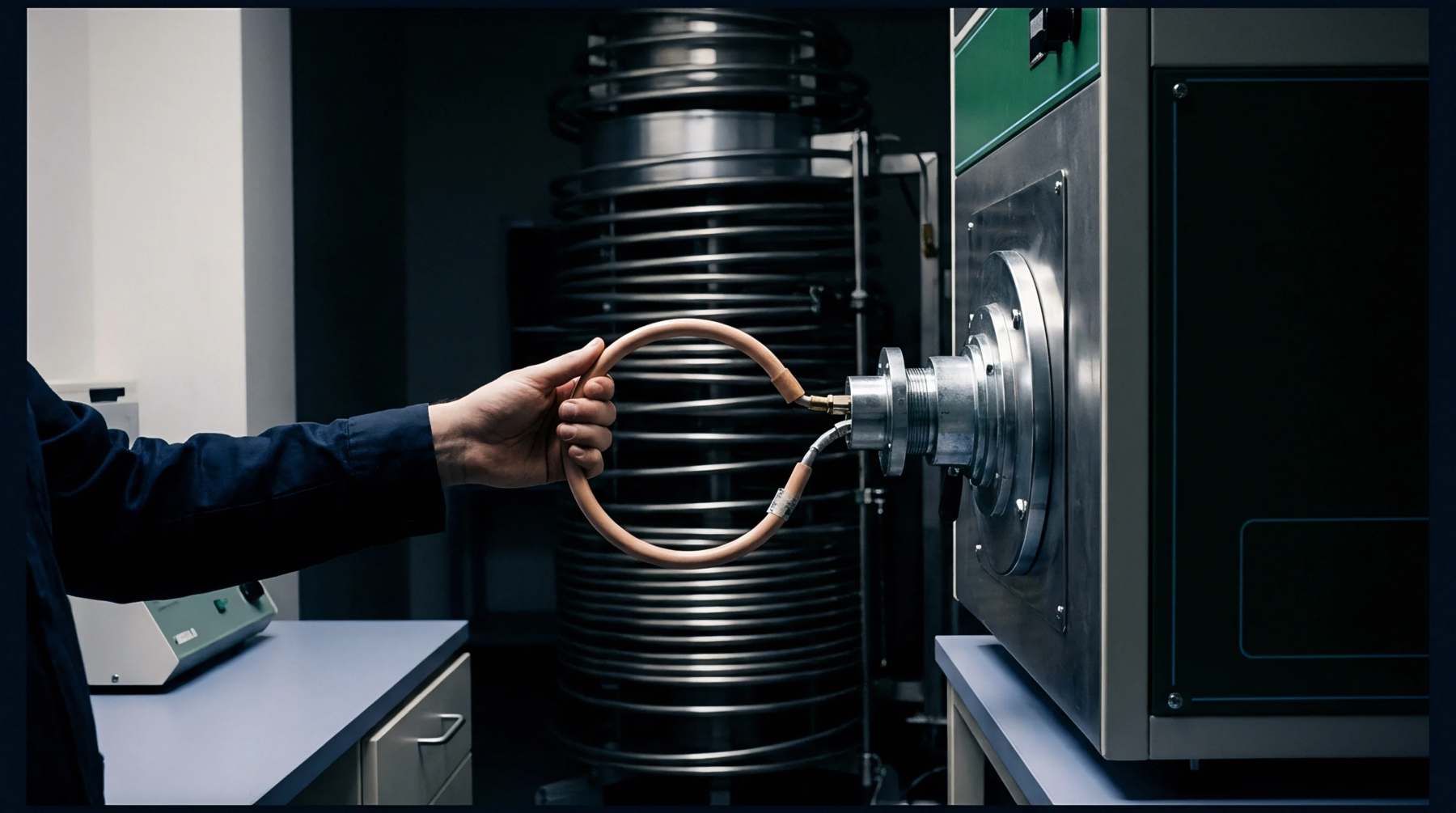
A molecular rearrangement process dictates how glassy polymers reach thermodynamic equilibrium following a thermal quench. This physical aging phenomenon drives a continuous decline in enthalpy and specific volume as molecular segments gradually settle into more efficient packing states. Manufacturers monitor these internal structural shifts to predict the long-term stability of amorphous components under controlled storage conditions.
Measurement Sensitivity
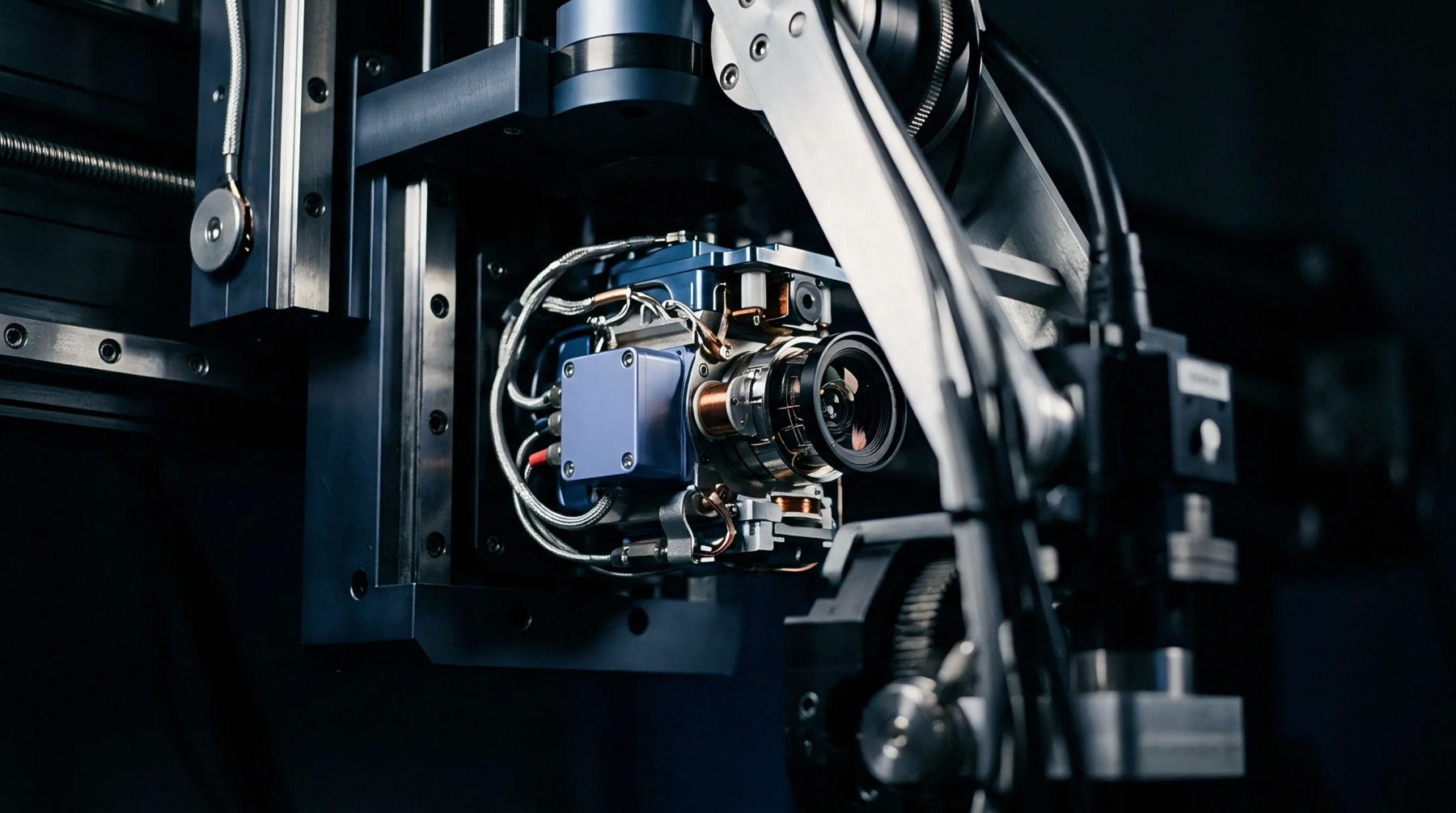
Precision instrumentation relies on dilatometry to track the contraction of polymer chains over time. Operators observe small displacements in baseline readings that indicate the material densification characteristic of this slow relaxation. Constant monitoring allows laboratories to isolate environmental interference from genuine structural drift.
Calibration Stability
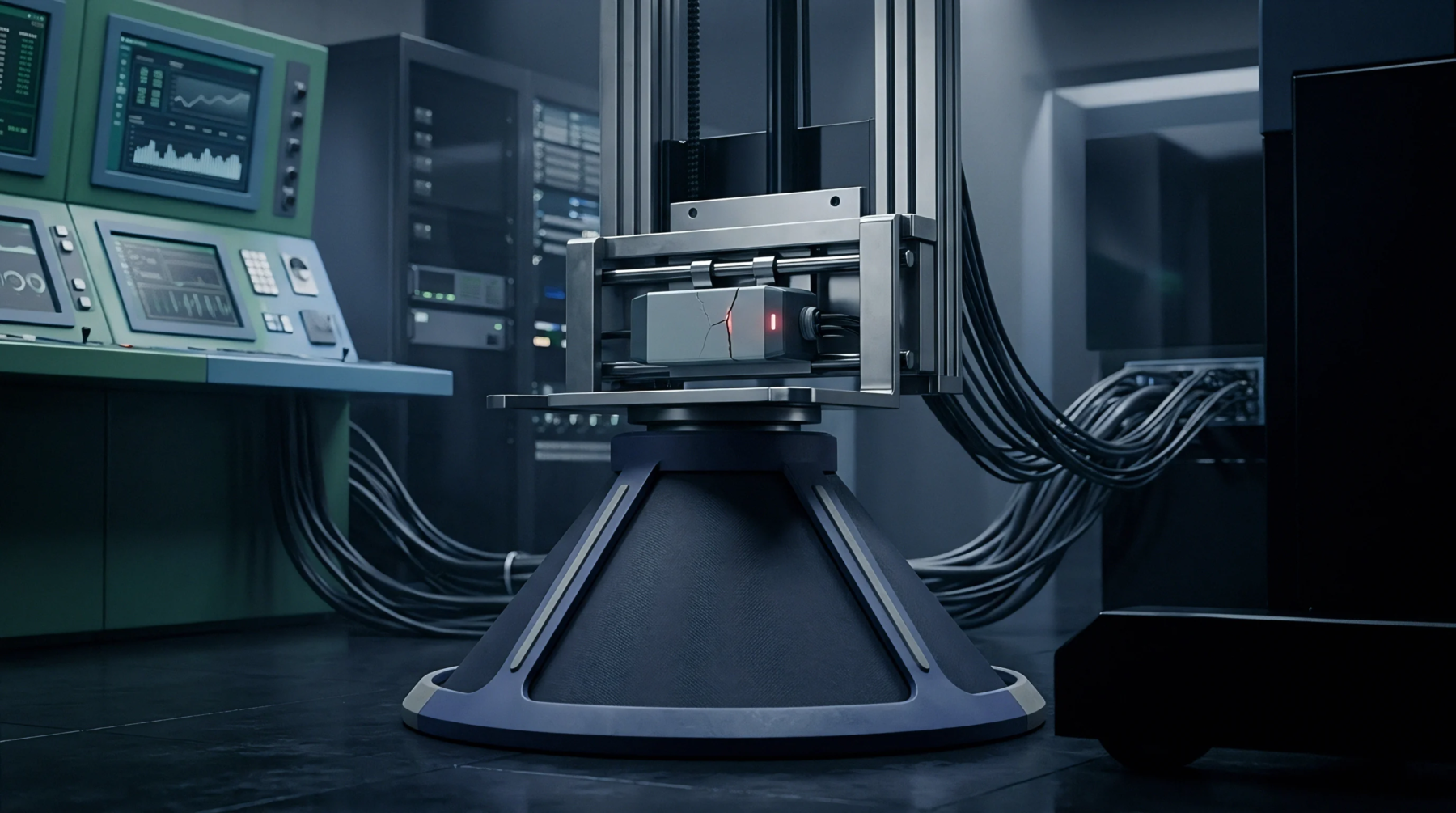
Sensor accuracy depends on verifying that the underlying dielectric or mechanical properties remain locked relative to a known reference standard. A documented history of the material allows engineers to quantify the shift caused by internal rearrangements versus external thermal stress. Frequent recalibration cycles manage the discrepancy between a device baseline and the gradual contraction occurring within the substrate.
Structural Impact
Mechanical properties including yield strength and impact resistance undergo detectable changes as internal free volume decreases. Stiffer polymer matrices emerge from this prolonged settling period, which reduces the mobility of chain segments during high-strain events. This densification ultimately defines the effective lifespan of technical plastics in high-precision applications.