Encapsulation Integrity
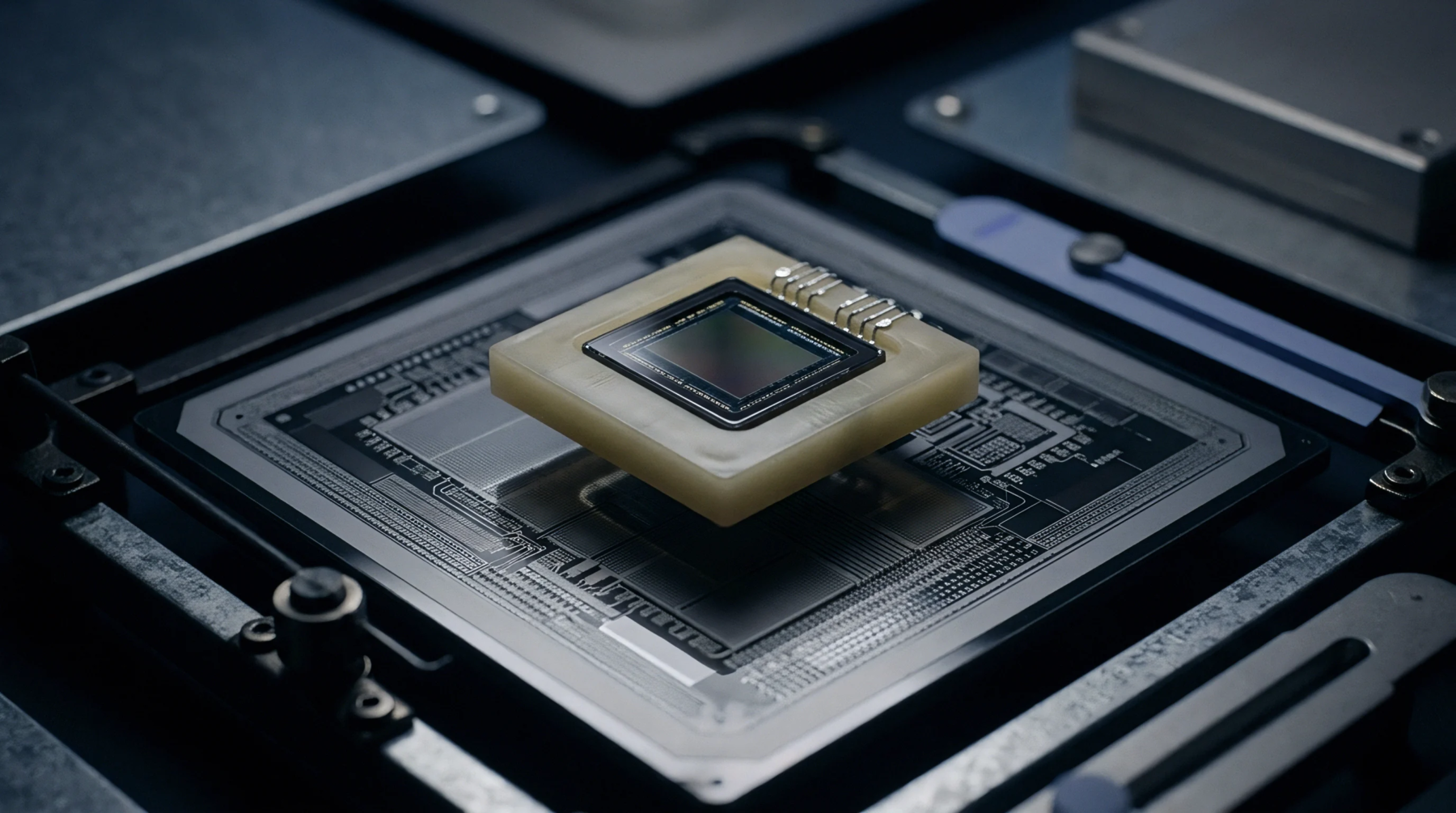
Structural encapsulation protection maintains internal semiconductor interconnects and optical windows against mechanical stress, moisture intrusion, and thermal expansion mismatches over extended operational lifetimes. Integrated sensor housing design determines package reliability through careful material selection and interfacial adhesion strength. Sensor die attach materials must absorb thermal expansion differentials between silicon substrates and ceramic base plates.
Delamination along internal material interfaces allows moisture penetration, leading to wire bond corrosion or optical window fogging. Advanced packaging protocols specify rigorous environmental stress screening to validate seal integrity.
Thermal Stress
Cyclic thermal loading induces mechanical fatigue in micro-solder joints and wire bonds. Differing coefficients of thermal expansion generate shear stresses at die attachment boundaries during rapid temperature transitions. Repeated expansion cycles promote crack propagation through metallic interfaces, causing intermittent electrical open circuits.
Moisture Barrier
Polymeric sealants exhibit finite vapor permeability over extended operating durations.
Life Testing
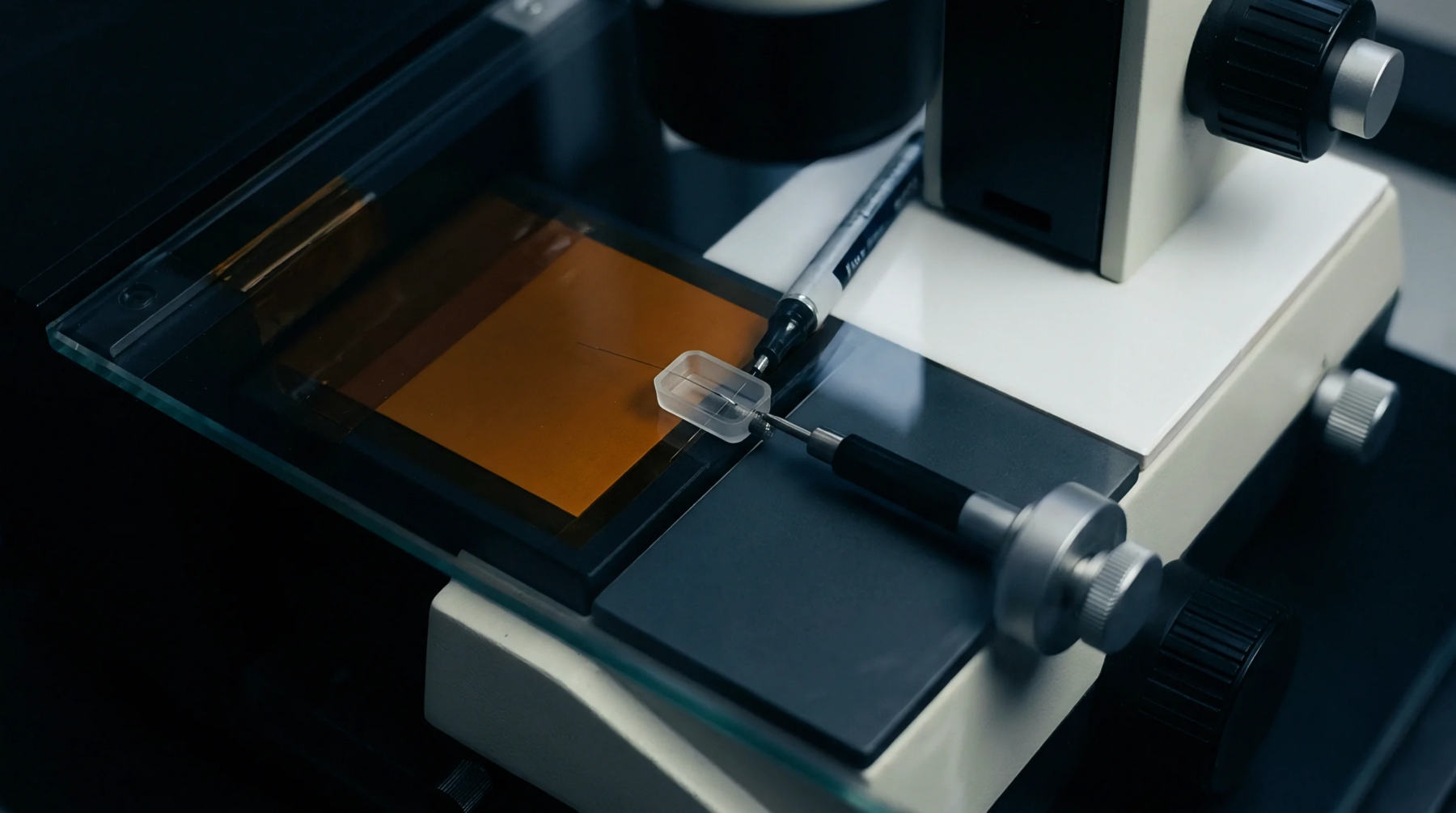
Qualification programs subjected test samples to highly accelerated stress testing under elevated ambient humidity and pressure conditions. Temperature cycling chambers evaluate bond wire durability across hundreds of thermal extreme excursions. Acoustic microscopy inspects internal substrate layers for hidden delamination voids without destructive disassembly.
Environmental test standards define acceptable failure rates and mean time between failure metrics prior to volume manufacturing release.