Retardation Effect
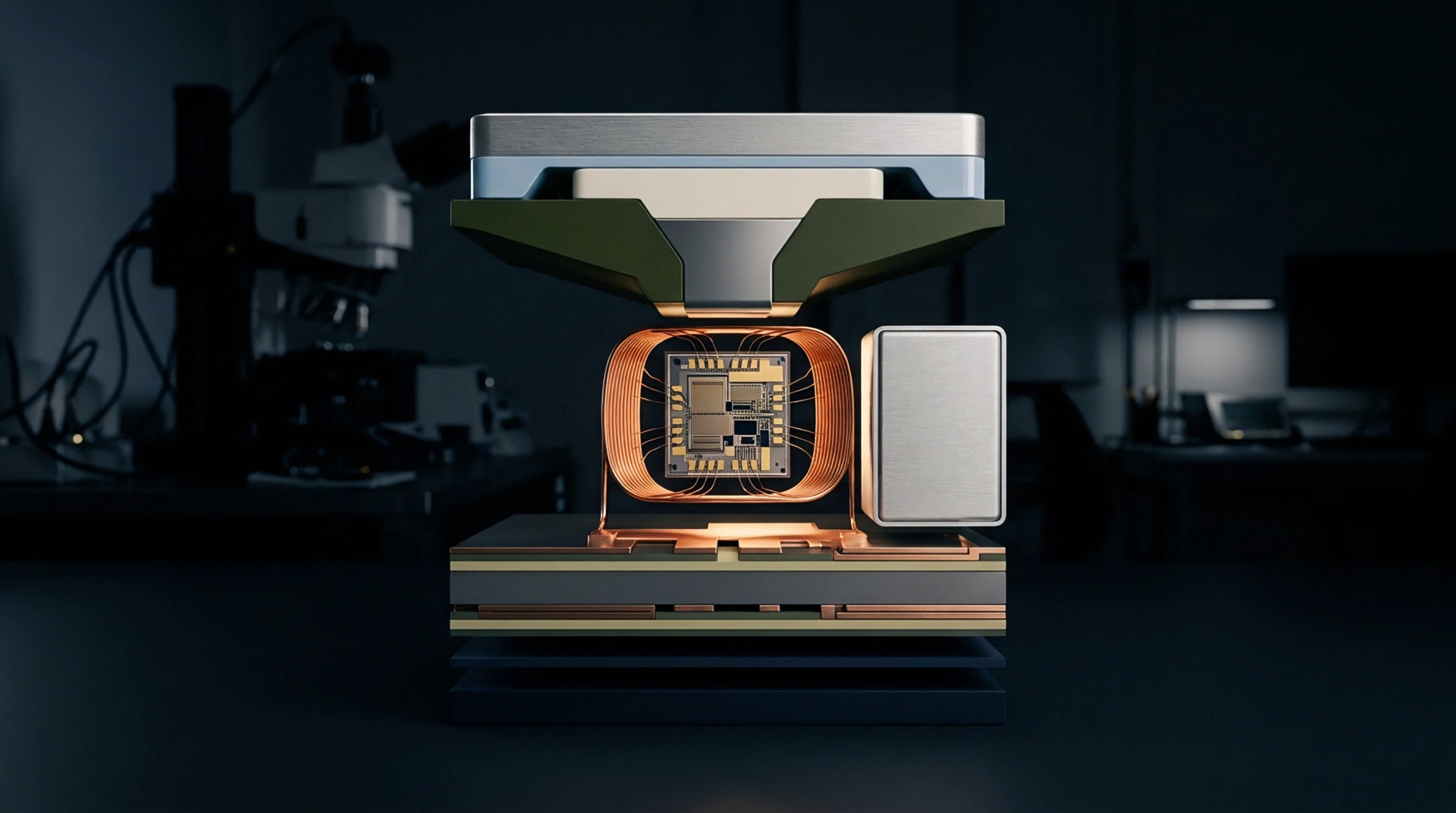
Delay between the programmed furnace temperature and the actual temperature of a sample occurs due to the resistance of heat transfer. High thermal lag causes the measured transitions to appear at higher temperatures during heating and lower temperatures during cooling. This offset is a function of the heating rate and the mass of the material.
Time Delay
Propagation of heat through the sample pan and the sample itself takes a measurable amount of time. Within a calorimeter the thermal lag increases as the ramp rate becomes faster. Small samples and thin pans help minimize this effect by reducing the distance the heat must travel.
Mass Influence
Heavier samples require more energy to reach equilibrium with their surroundings. Thick parts show a greater thermal lag because the center is insulated by the outer layers. Engineers adjust the heating schedule to allow enough time for the entire volume to reach the target temperature.
Analytical Accuracy
Correction for this offset is necessary to obtain the true transition points of a material. By running the same test at multiple speeds the thermal lag can be calculated and removed from the final data. This step ensures that the reported values are independent of the test conditions.