Thermal Hysteresis
Signal errors occur when the zero-load voltage of a pressure sensor changes over time or due to environmental factors. Piezoresistive offset drift is often caused by mechanical stress from the packaging or the aging of the sensing bridge. This phenomenon requires regular recalibration or active compensation to maintain measurement accuracy.
Long Term Stability
The electrical properties of the resistors in the bridge can change slightly as they are exposed to moisture or high heat. These small variations lead to a gradual movement of the zero point over months or years of service. Manufacturers provide stability specifications in millivolts per year to help users plan maintenance.
Compensation Technique
External circuitry or software algorithms can track the temperature and apply a correction factor to the output. Measuring the offset at multiple temperatures during production allows for the creation of a unique calibration curve for each device. This process ensures that the sensor remains within its specified tolerance band.
Stress Coupling
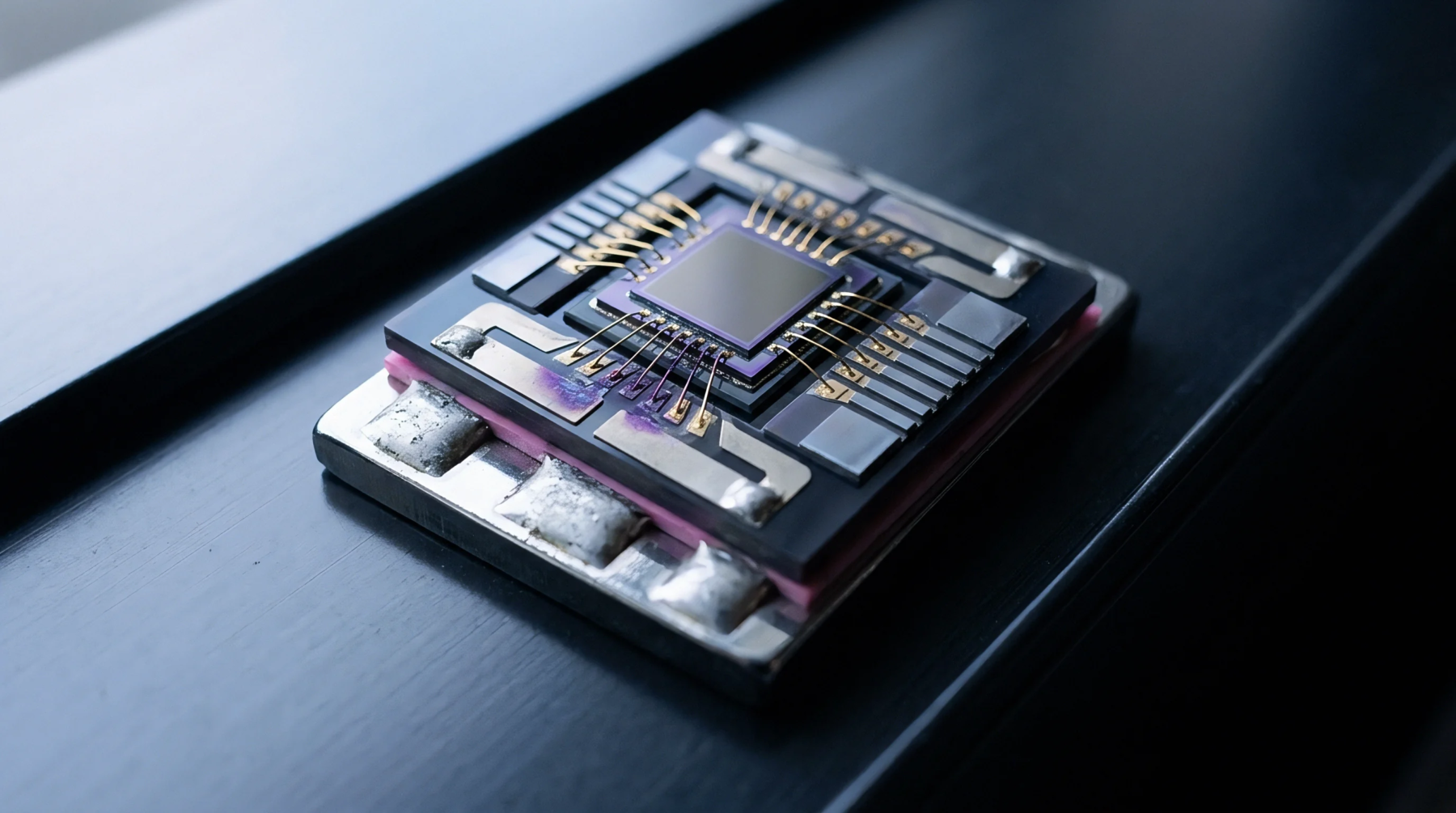
Changes in temperature cause the sensor housing and the silicon element to expand at different rates. This mismatch induces a residual stress that appears as a change in the offset when the temperature returns to its original state. High quality sensors use materials with matched coefficients of expansion to minimize this effect.
The drift is measured in microvolts per degree Celsius to define the temperature coefficient.