Mechanical Structures
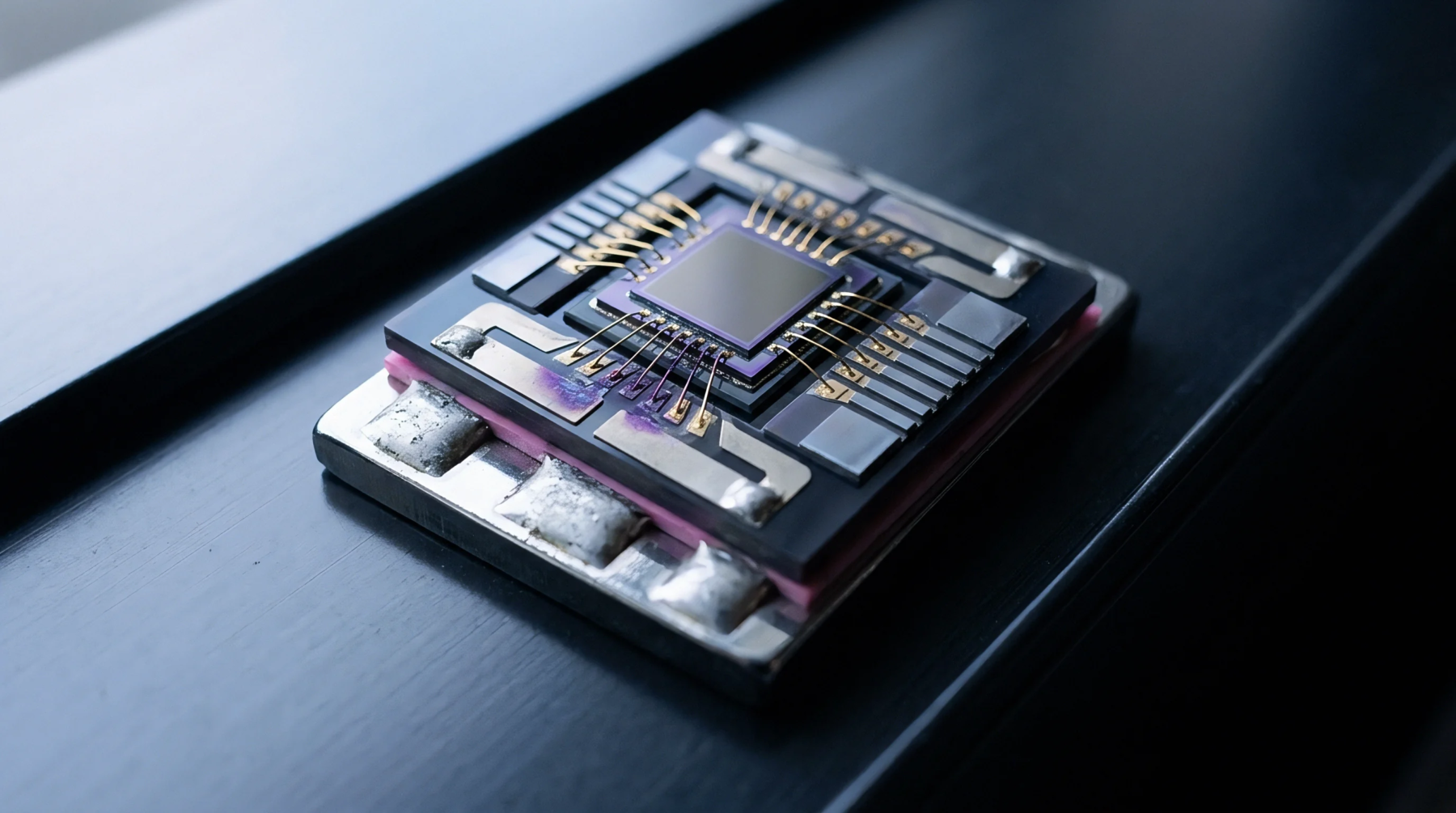
Microfabricated channels etched into a substrate isolate sensitive transducer elements from external thermal and packaging strains. Incorporating stress relief trenches prevents mechanical distortion from reaching the sensing diaphragm or beam. This structural isolation is critical for maintaining high measurement precision.
Isolation Mechanism
Package-induced stresses are generated during the assembly of the sensor die into its housing, primarily due to differing coefficients of thermal expansion. In silicon sensors, stress relief trenches absorb these strains by providing mechanical compliance between the mounting pad and the active sensing region. This decoupling minimizes the transmission of shear and tensile forces to the transducer.
Metrological Benefit
Zero-point drift and thermal hysteresis are significantly reduced when packaging strain is blocked from the sensing element. Sensors with stress relief trenches show improved calibration stability and lower drift over extended operating periods. This stability is particularly important for high-accuracy pressure sensors that operate across wide temperature ranges.
Fabrication Control
The depth and width of the etched channels are measured using non-contact optical profiling during wafer inspection to confirm they meet design specifications. Incomplete etching or variation in trench geometry can compromise the mechanical isolation, leading to localized stress concentrations that skew the sensor output. Ensuring that the etching profile is consistent across the entire wafer is a fundamental requirement for high-yield, high-reliability sensor manufacturing, and prevents costly sensor failures during calibration testing.
It ensures that the calculated compliance remains within the predicted design margins.