
Dynamic Thermal Cycling Acceleration of Nonlinear Viscoelastic Modulus Loss
Dynamic thermal cycling accelerates non-linear polymer modulus loss by generating excess free volume and high transient strains that bypass linear prediction limits.
Dynamic thermal cycling accelerates non-linear polymer modulus loss by generating excess free volume and high transient strains that bypass linear prediction limits.
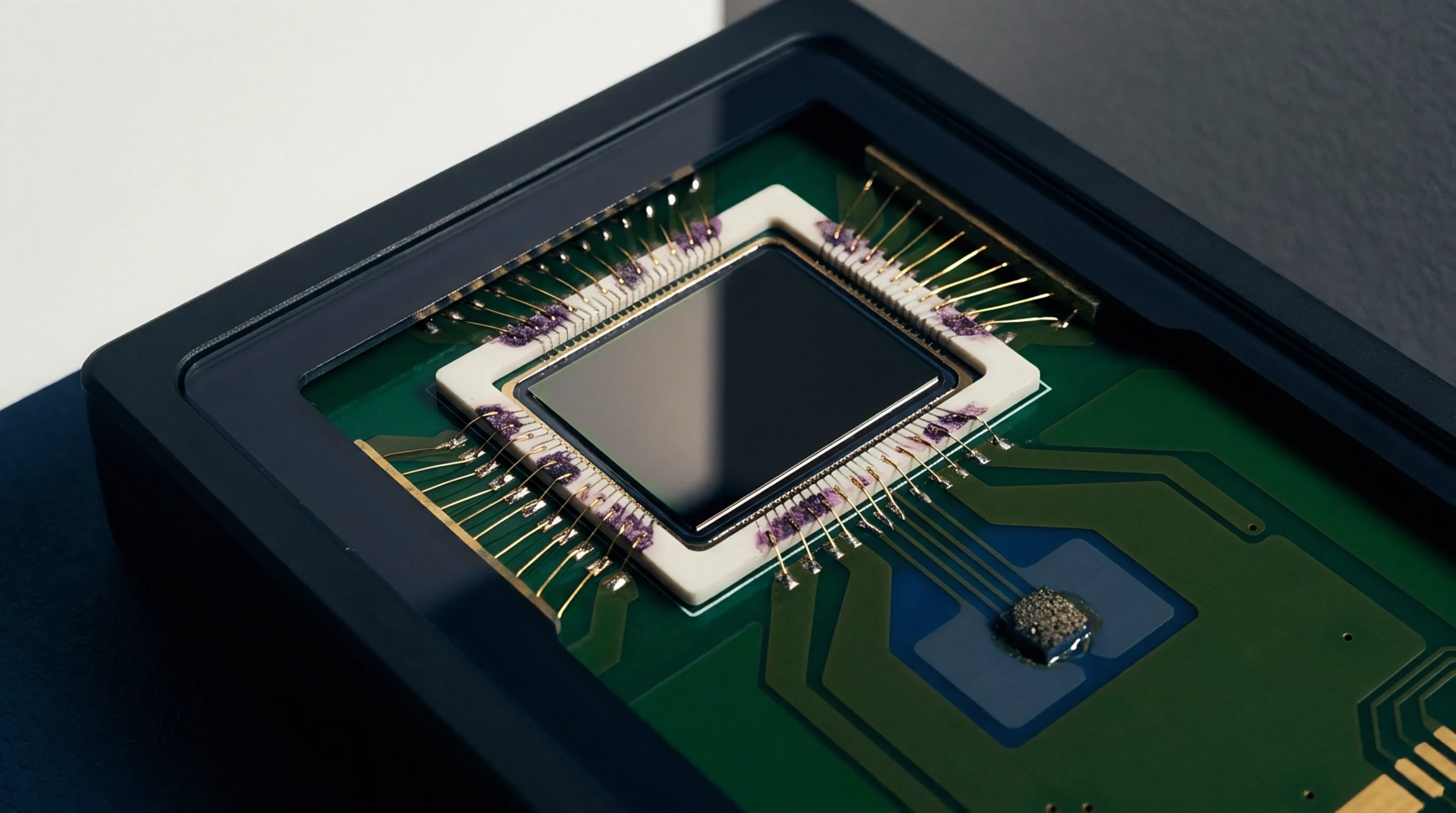
Viscoelastic relaxation in sensor die attach drives zero-point drift, requiring thermal soak burn-in and controlled BLT to hold long-term calibration.

Viscoelastic stress relaxation during thermal shock cycles shifts die attach shear dynamics and sensor output zero points, requiring Prony series package modeling.
Dynamic mechanical analysis provides temperature-dependent storage and loss spectra required to fit Prony series for packaging stress relaxation models.

Polymer creep in sensor adhesive joints degrades span and zero-point calibration; verification requires deadweight shear or dynamic mechanical master curves.

Polymer encapsulants impose time-dependent viscoelastic stresses that drive uncompensated sensor drift unless bounded by storage modulus characterization.

Storage modulus measurement accuracy for die attach adhesives hinges on micrometer-level thickness precision, strict heating rate control, and compliance-corrected fixturing.

Potting elastomers with storage modulus below five megapascals across operating temperatures prevent asymmetric stress from degrading tactical gyro bias stability.
Polymeric underfill relaxation alters MEMS package stress over time, requiring Prony series viscoelastic modeling to prevent field baseline calibration drift.
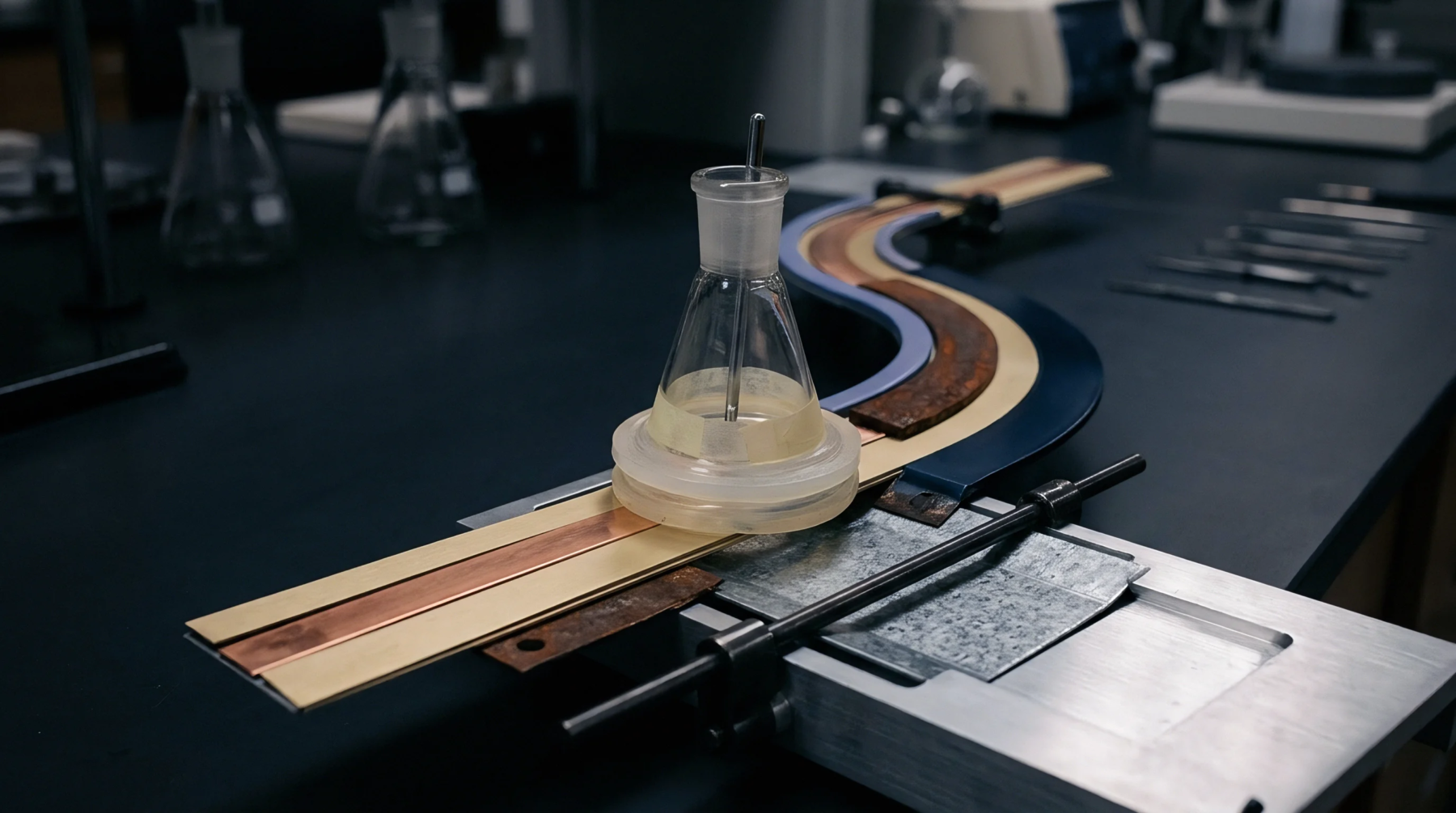
Dynamic mechanical analysis master curve generation for unaged epoxies requires strict temperature calibration and linear strain verification to bound shift uncertainty.

Regularized Prony series fitting converts noisy viscoelastic test data into thermodynamically stable FEA material parameters using Tikhonov optimization.

Constructing valid viscoelastic mastercurves requires stepped isothermal sweeps with compliance-corrected fixtures and verified thermal soak durations.

Arrhenius shift factors map short-term thermal DMA data to multi-year polyimide sensor drift, controlling zero-point offset and span calibration limits.
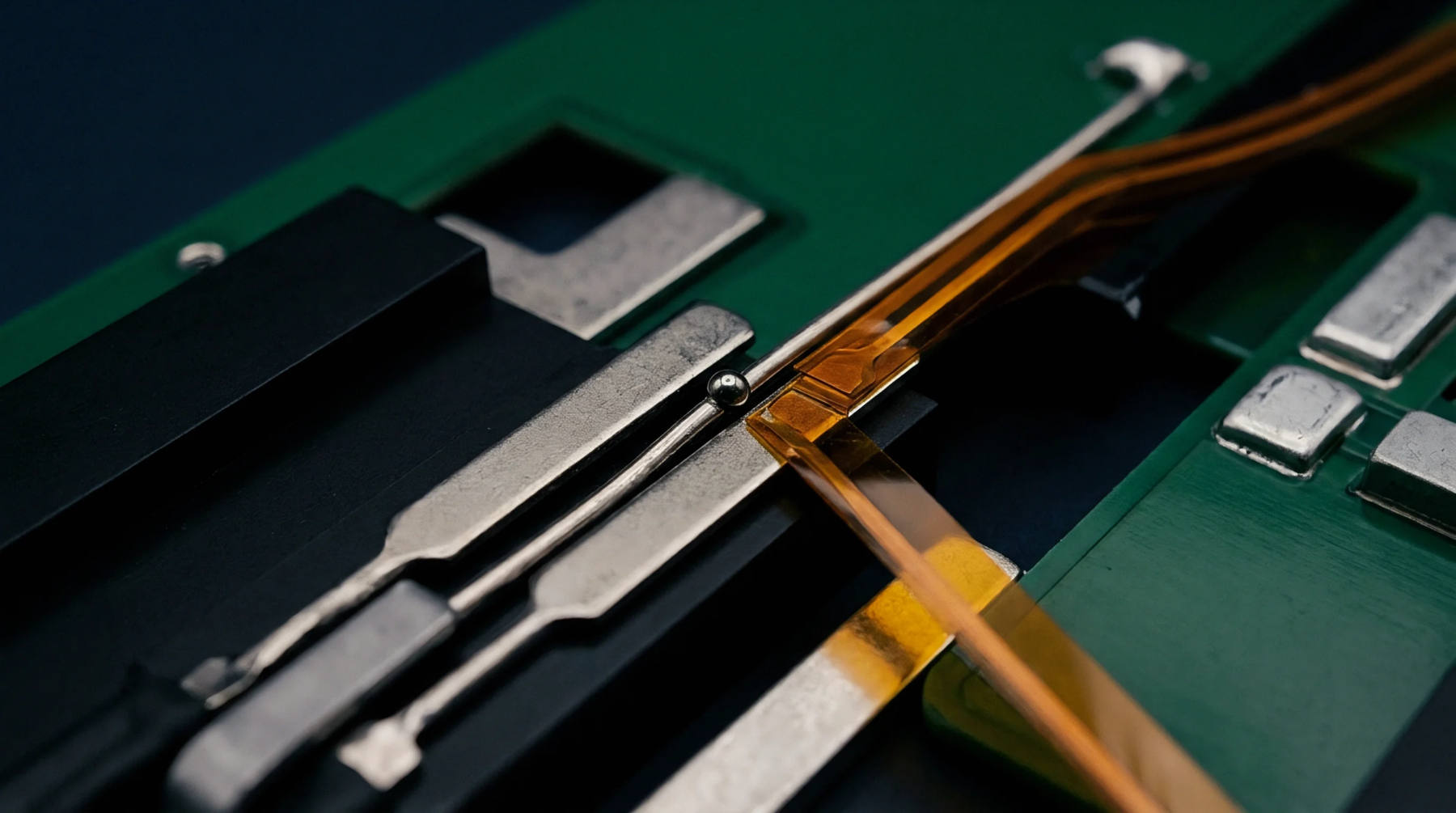
Polyimide viscoelastic relaxation master curves quantify long term sensor zero point drift by shifting dynamic mechanical spectra to predict decadal stress decay.

Polymer die attach stress relaxation causes long-term zero offset drift in silicon sensors, requiring thermal pre-conditioning to ensure calibration stability.

Viscoelastic modulus relaxation in packaging encapsulants drives post reflow offset drift, requiring timed thermal stabilization before factory offset calibration.

Standard isothermal dynamic mechanical analysis measures structural epoxy viscoelasticity by isolating instrument compliance and phase lag from true resin modulus.

Viscoelastic mold compound relaxation permanently redistributes internal package stress during thermal cycling, inducing continuous piezoresistive sensor offset drift.

Cyclic hydraulic pressure drives long-term zero drift and span loss in gel-isolated sensors through irreversible viscoelastic strain accumulation and chain fatigue.
Polymer die-attach moisture uptake and viscoelastic stress relaxation drive submicron optical drift, demanding tight fillet controls or eutectic metallurgy.

Dynamic mechanical analysis measures time-dependent compliance spectra to predict multi-year creep strain and joint fatigue in semiconductor packaging polymers.
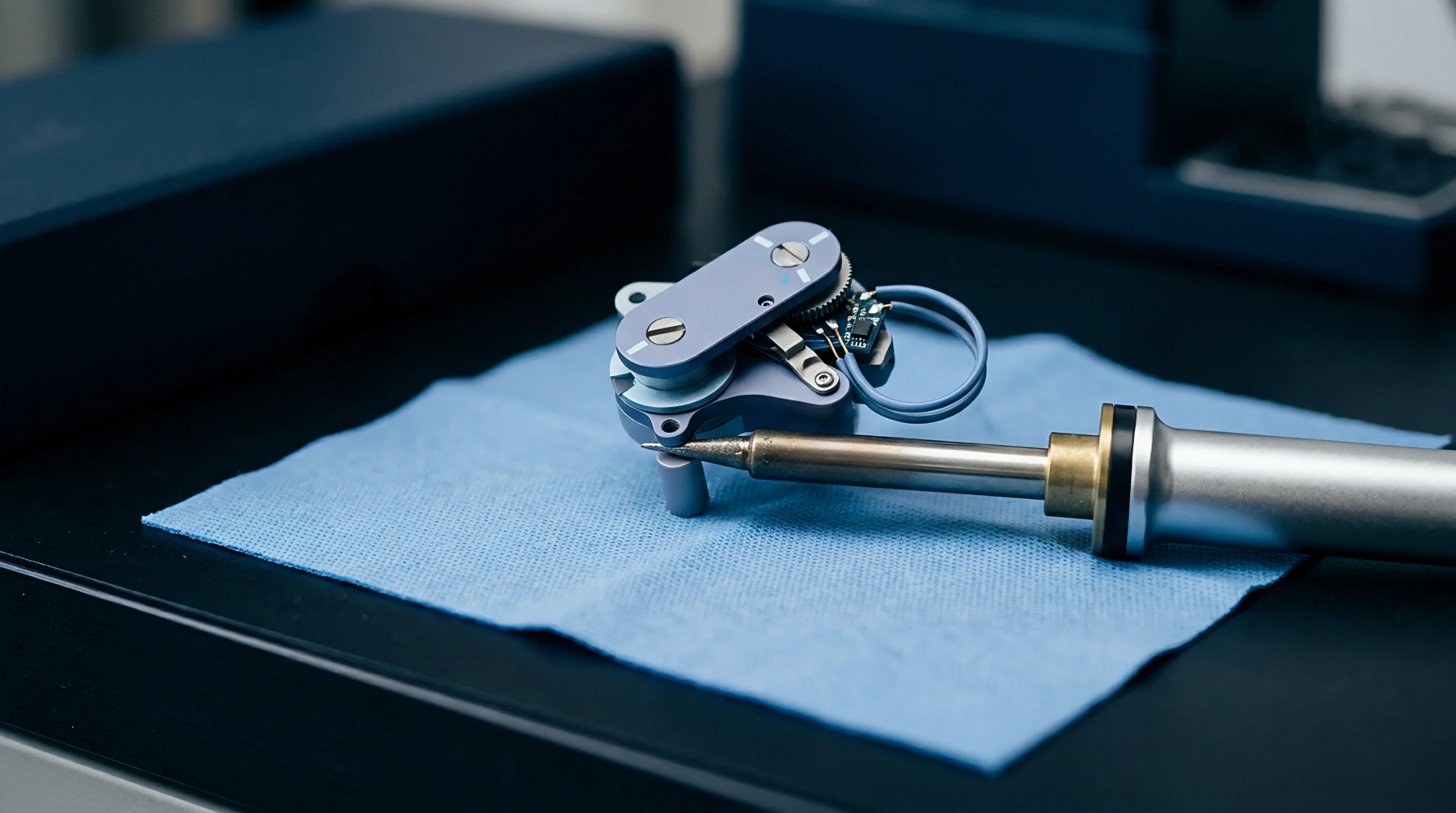
Crosslink density controls die attach modulus, glass transition, and interfacial shear stress, dictating thermal cycle fatigue life in microelectronic packages.

Viscoelastic epoxy relaxation locks residual strain into shunt elements after thermal excursions, shifting zero-point resistance and corrupting current readings.
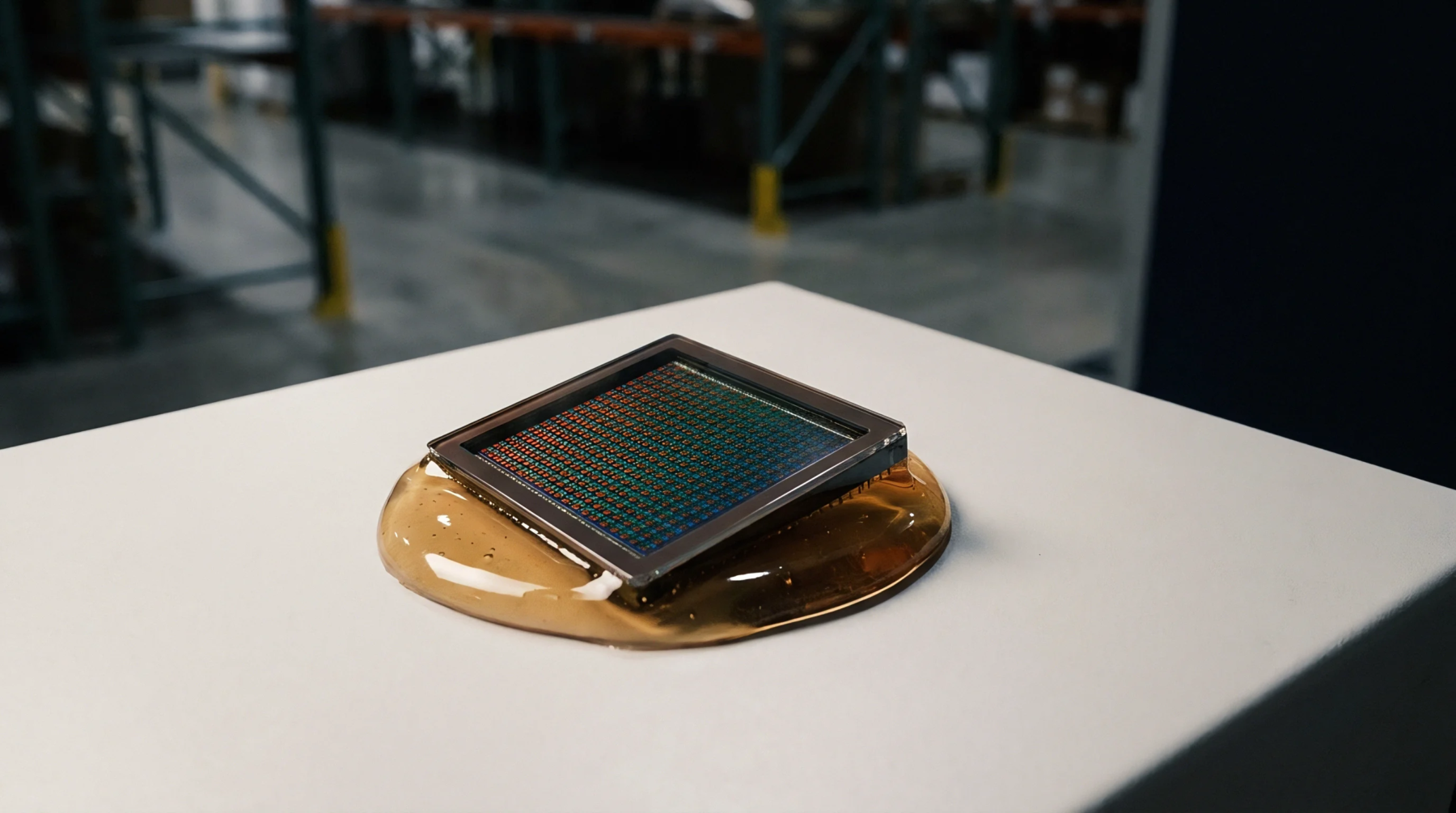
Viscoelastic adhesive relaxation in ceramic LCC packages causes time-dependent zero drift, requiring master-curve Prony modeling to quantify long-term offset shift.
Dynamic elasticity tensor tracking uses embedded piezoresistive rosettes and recursive inversion to cancel interposer viscoelastic warpage in real time.
Expertise is a utility, not a secret. sentiention™ publishes its working knowledge as open reference: intelligence layer covering the materials it sources, the markets it enters, and the reference that serves both.