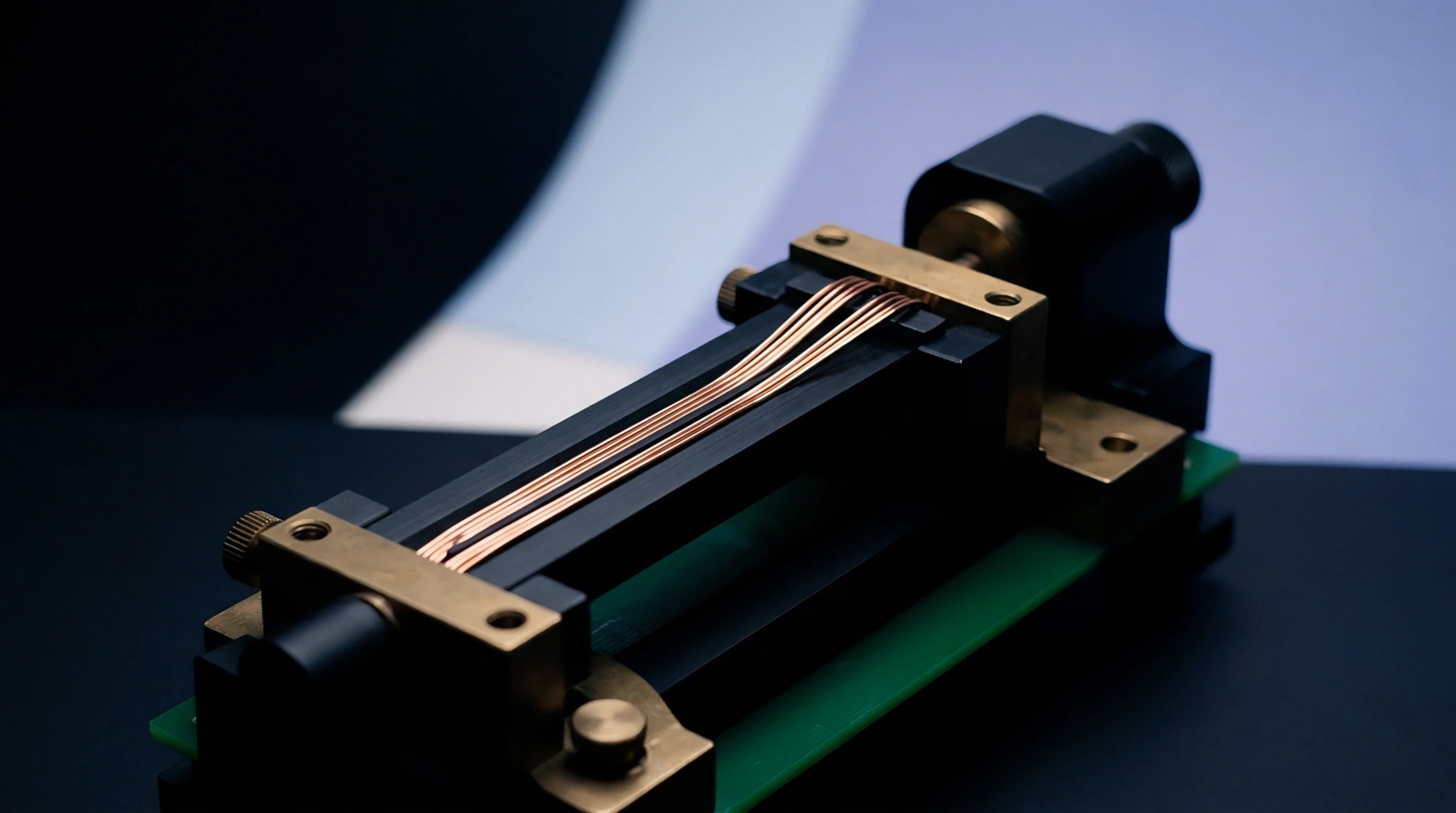
Thermal Conversion
Irreversible transformation of mechanical work or kinetic energy into internal heat represents the primary function of these systems. Energy dissipation occurs whenever a physical medium resists motion through friction, viscosity, or electrical impedance. Engineers monitor these losses to ensure that structural integrity remains intact during cyclic loading.
The magnitude of this transfer defines the damping capacity of a mechanical assembly.
Systematic Calibration
Measurement protocols assess how efficiently a component converts input forces into thermal output. Sensors record the delta between total incoming power and the recovered work output to calculate specific loss coefficients. Laboratory technicians apply calibrated loads to verify that the friction factors align with established material tolerances.
Instruments quantify these values in units of joules to confirm that the hardware operates within the intended safety margins.
Operational Interference
Turbulence within fluid conduits acts as a common source of error for accurate measurement. Variations in ambient temperature alter the viscosity of lubricants, which creates unpredictable changes in the rate of thermal generation. Improper mounting or misaligned bearings introduce extra resistance that masks the true performance of the device.
High frequency vibrations cause internal components to wear faster than predicted by steady state models.
Regulatory Threshold
International standards mandate specific limits for heat rejection in high power machinery to prevent thermal runaway. Designers select synthetic materials that maintain stable damping characteristics across wide pressure ranges. Compliance depends on the ability of the housing to reject heat without compromising the structural stability of the mechanical linkage.
Failure to control the rate of heat loss results in permanent deformation of the host equipment.