Optical Reflection
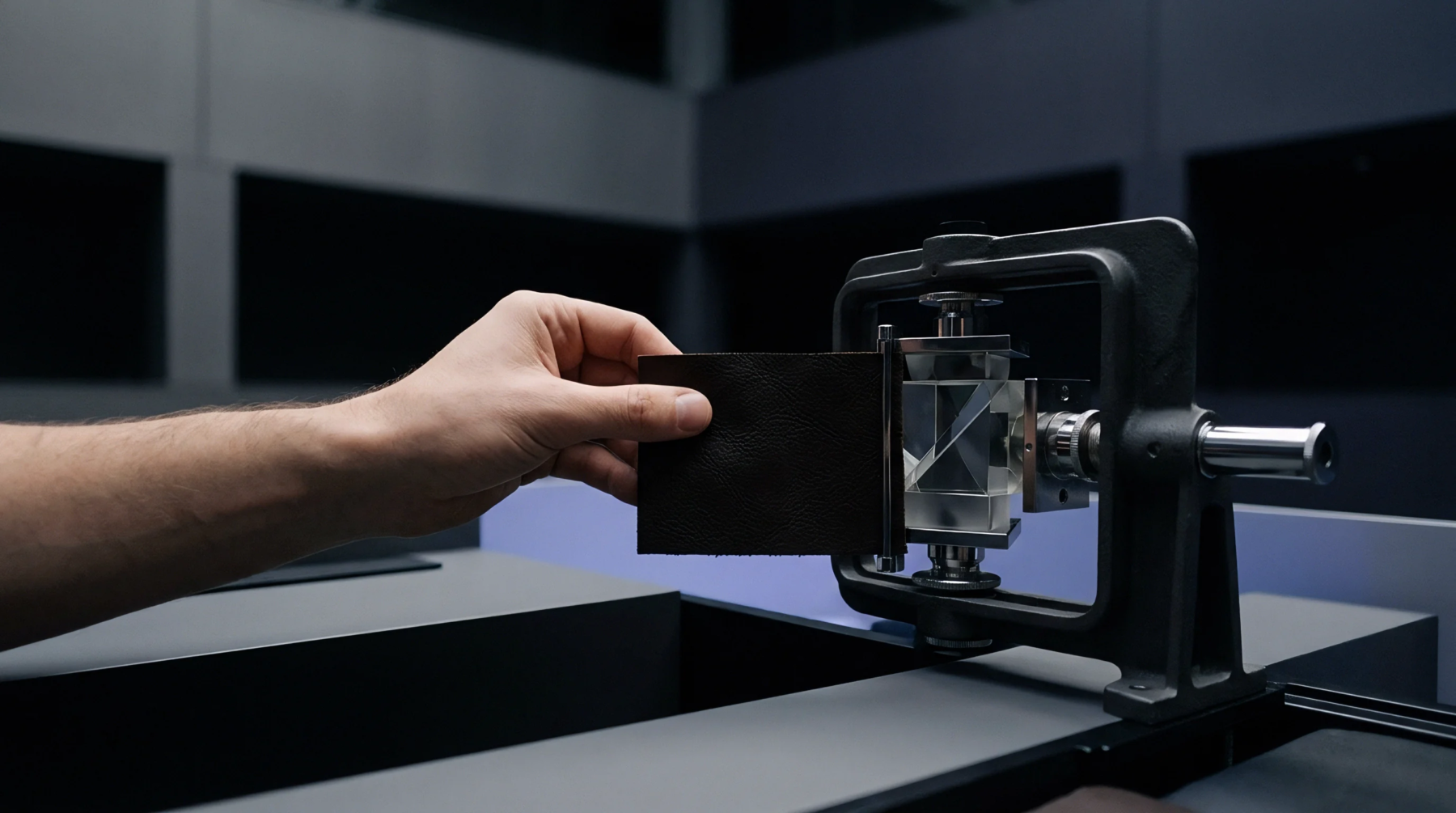
Passive optical elements that return incident light rays parallel to their entry path find extensive use in distance measurement systems. Such a device, known as a corner cube retroreflector, contains three mutually perpendicular reflective surfaces that ensure a return beam regardless of the entry angle. Precise alignment of these inner faces dictates the accuracy of the returned wavefront.
Angle Tolerance
Deviation from perfect orthogonality between the three facets splits the returning light into multiple separate beams. Highly precise manufacturing limits this angular error to fractions of an arcsecond. Systems measure these errors using phase shifting interferometry to guarantee perfect beam overlap.
Signal Preservation
Return signals remain stable even when the reflector undergoes significant tilt or lateral displacement during translation. This resilience makes the corner cube retroreflector highly suited for linear encoder systems and dynamic laser tracking. Mechanical drift is minimized because the internal nodal point acts as a stable reference under fluctuating thermal loads.
Metrological Calibration
Regular certification on a goniometric mount establishes the exact position of the optical center relative to the physical housing. This calibration provides the necessary offset correction factors that the metrology software applies during measurement runs. Because even minute thermal variations can alter the facet angles, testing at reference temperatures ensures the returned beam retains its specified parallelism.
Environmental chambers monitor these transitions to provide traceability down to the nanometre scale.