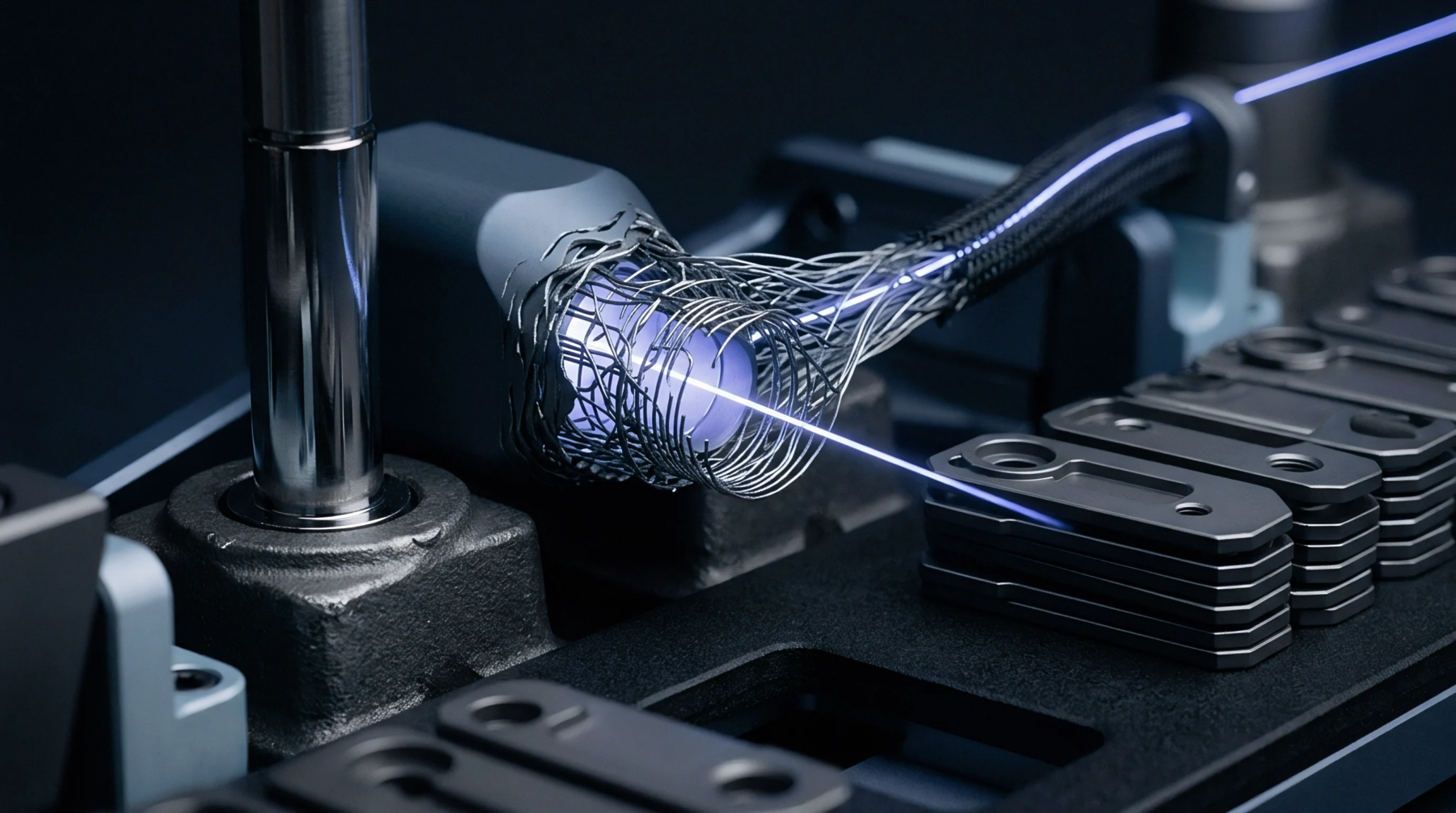
Sensor transduction
Elastic displacement within a metallic substrate generates an electrical resistance change in a thin film micro strain gauge deposited directly onto the component surface. This thin film micro strain technology relies on the piezo-resistive effect where mechanical deformation alters the internal electronic band structure of the material. Specialized manufacturing techniques produce these layers in thicknesses measured in nanometers to ensure optimal thermal coupling and minimal mass loading on the test object.
Signal calibration
Precise quantification of mechanical load requires a stable excitation voltage provided by an external bridge circuit. Temperature fluctuations often introduce significant bias because the expansion coefficients of the film and the underlying metallic host differ. Designers mitigate these effects through dummy gauge compensation or by integrating temperature-sensitive elements that adjust the output sensitivity in real time.
Verification of accuracy happens under controlled laboratory conditions where a known physical force is applied to determine the gain factor of the sensor interface.
Operational interference
Mechanical resonance between the thin film micro strain component and the mounting surface produces artifacts in high-frequency measurements. Hysteresis loops arise when the bonding interface fails to return to the original state after the release of an applied force. Signal degradation occurs if environmental moisture penetrates the protective encapsulation layer and changes the effective resistivity of the sensing circuit.
Proper sealing techniques are necessary to maintain signal integrity during prolonged exposure to ambient air or industrial fluids.
Measurement integration
Dynamic data acquisition systems convert the analog resistance variations into digital values for subsequent analysis of structural integrity. High-speed sampling allows for the observation of transient loading events that shorter duration instruments might ignore. Signal processing algorithms remove stationary noise components to isolate the specific strain frequencies generated by mechanical stress.
The combination of high sensitivity and low profile makes the sensor an effective choice for monitoring complex geometries where mechanical fasteners or adhesives interfere with original structural performance.