Gauge Factor
Sensitivity to mechanical deformation is expressed as the ratio of relative resistance change to the applied strain on the crystal. Because the bandgap is wide, a silicon carbide piezoresistor maintains its semiconductor behavior at temperatures where silicon becomes intrinsic and loses its sensing function. The crystal orientation of the material affects this sensitivity during the fabrication of the transducer.
P-type and n-type dopants are selected to optimize the response for specific pressure ranges. Device designers must account for the non-linear response at the extreme ends of the thermal operating window.
Transducer Element
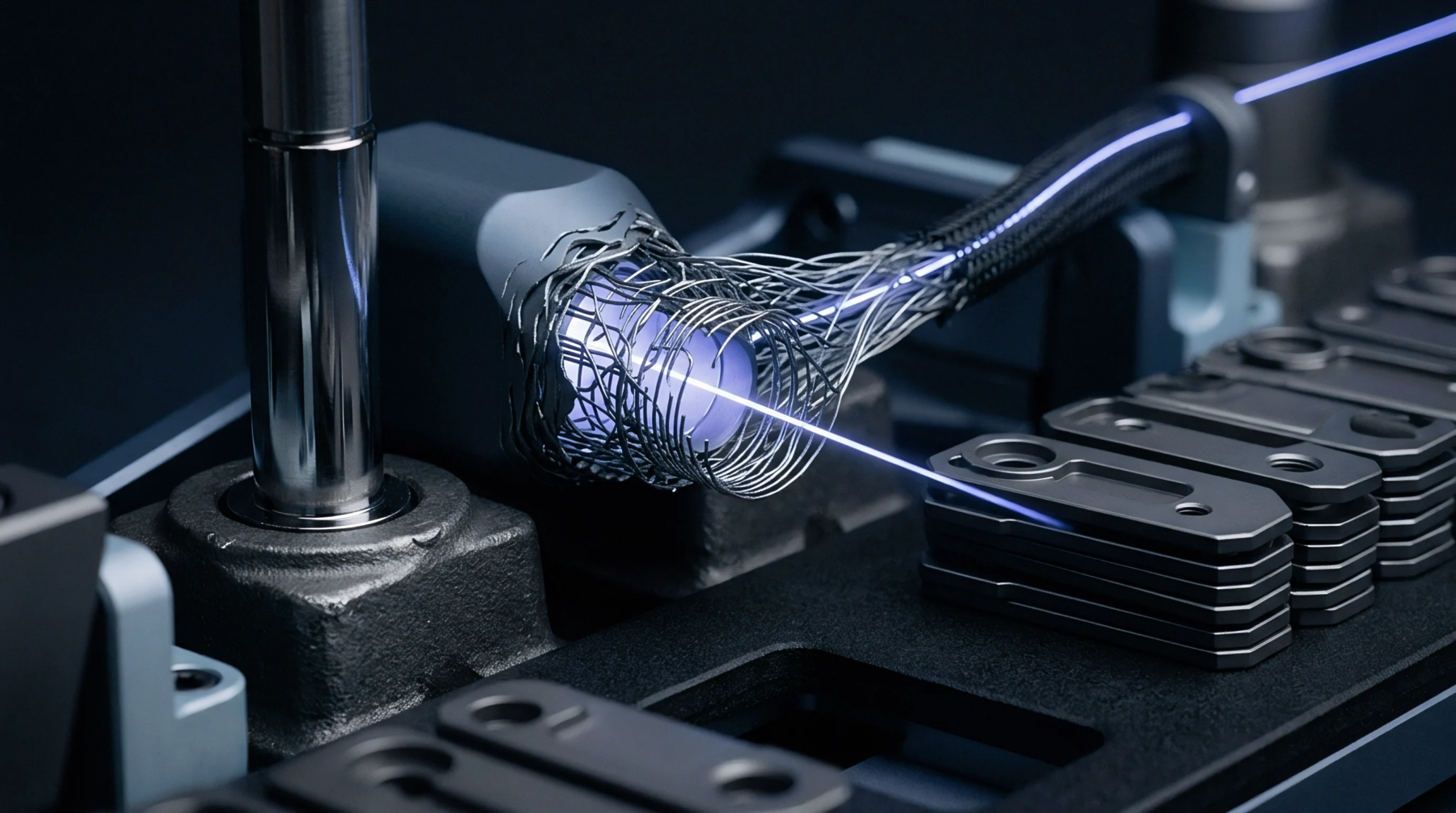
Semiconductor sensing elements fabricated from wide-bandgap materials convert mechanical stress into electrical resistance changes at temperatures beyond the range of traditional silicon. The use of a silicon carbide piezoresistor allows for pressure or strain sensing in combustion zones and deep-well drilling sites.
Energy Dissipation
Efficient heat dissipation prevents the sensing element from overheating during high frequency operation in extreme environments. Although the material is physically durable, the packaging around a silicon carbide piezoresistor must also withstand the corrosive gases found in industrial exhausts.
Signal Conditioning
High impedance at elevated temperatures requires specialized electronics to convert the resistance shift into a readable voltage. Circuit designers use bridge configurations to balance the output of the silicon carbide piezoresistor.