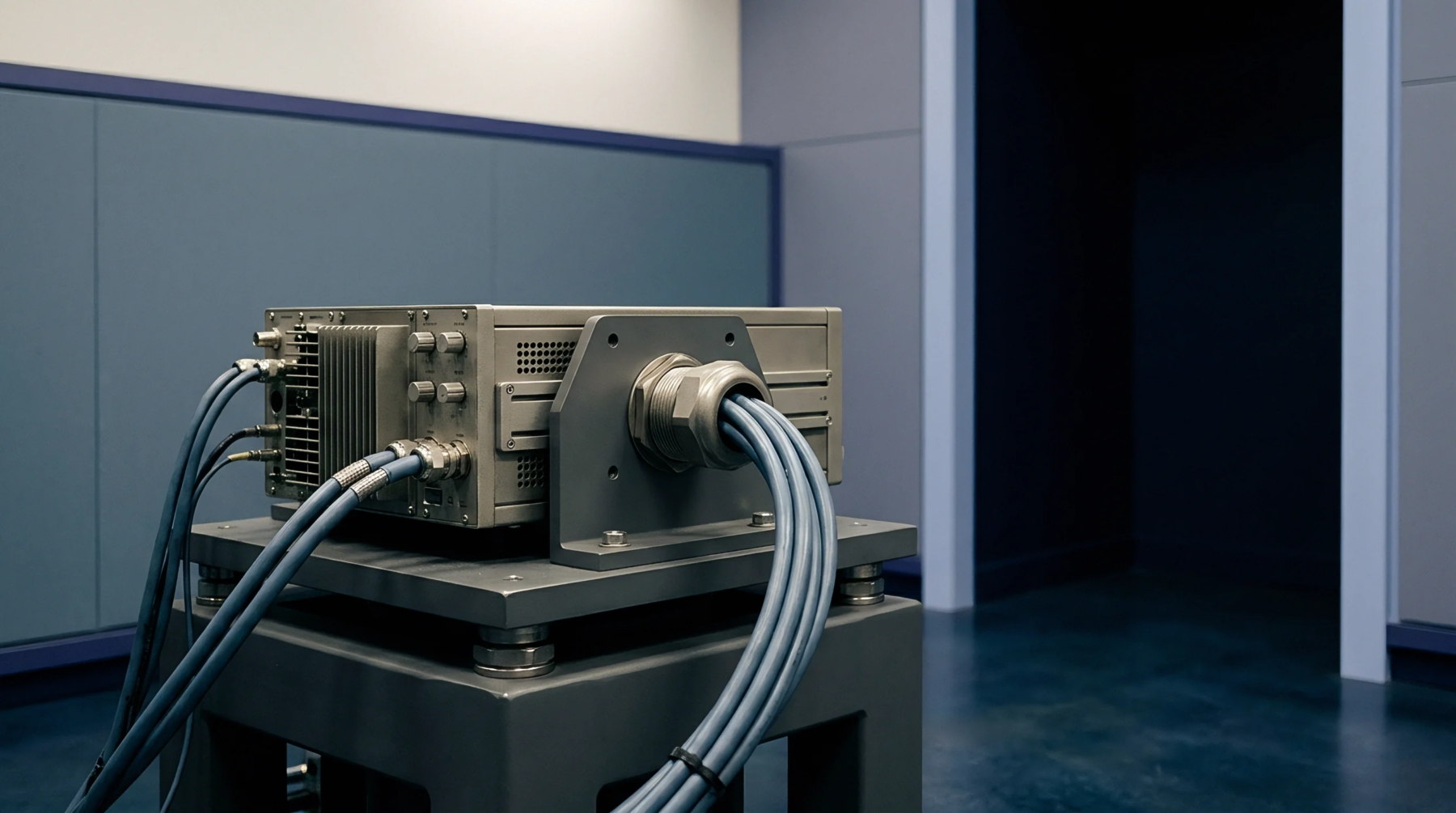
Tactical Inertial Measurement Unit Thermal Bias Modeling Fundamentals
Tactical IMU thermal bias modeling requires combining static higher-order polynomials with real-time temperature derivative terms to eliminate dynamic lag errors.
Tactical IMU thermal bias modeling requires combining static higher-order polynomials with real-time temperature derivative terms to eliminate dynamic lag errors.

Spatial thermal gradient mapping in micro-machined accelerometer arrays decouples linear motion from external board heat using differential thermopile matrices.

Precision capacitive MEMS accelerometer thermo-mechanical bias stability requires stress-isolated ceramic packaging and gradient-aware temperature calibration.

Vibration rectification in silicon MEMS accelerometers converts out-of-band mechanical excitation into direct current bias shifts through non-linear flexure stiffness, capacitive gap dynamics, and signal-chain clipping.

Dynamic thermal gradients induce structural strain and bias errors that static calibrations miss, requiring real-time state observer algorithms.
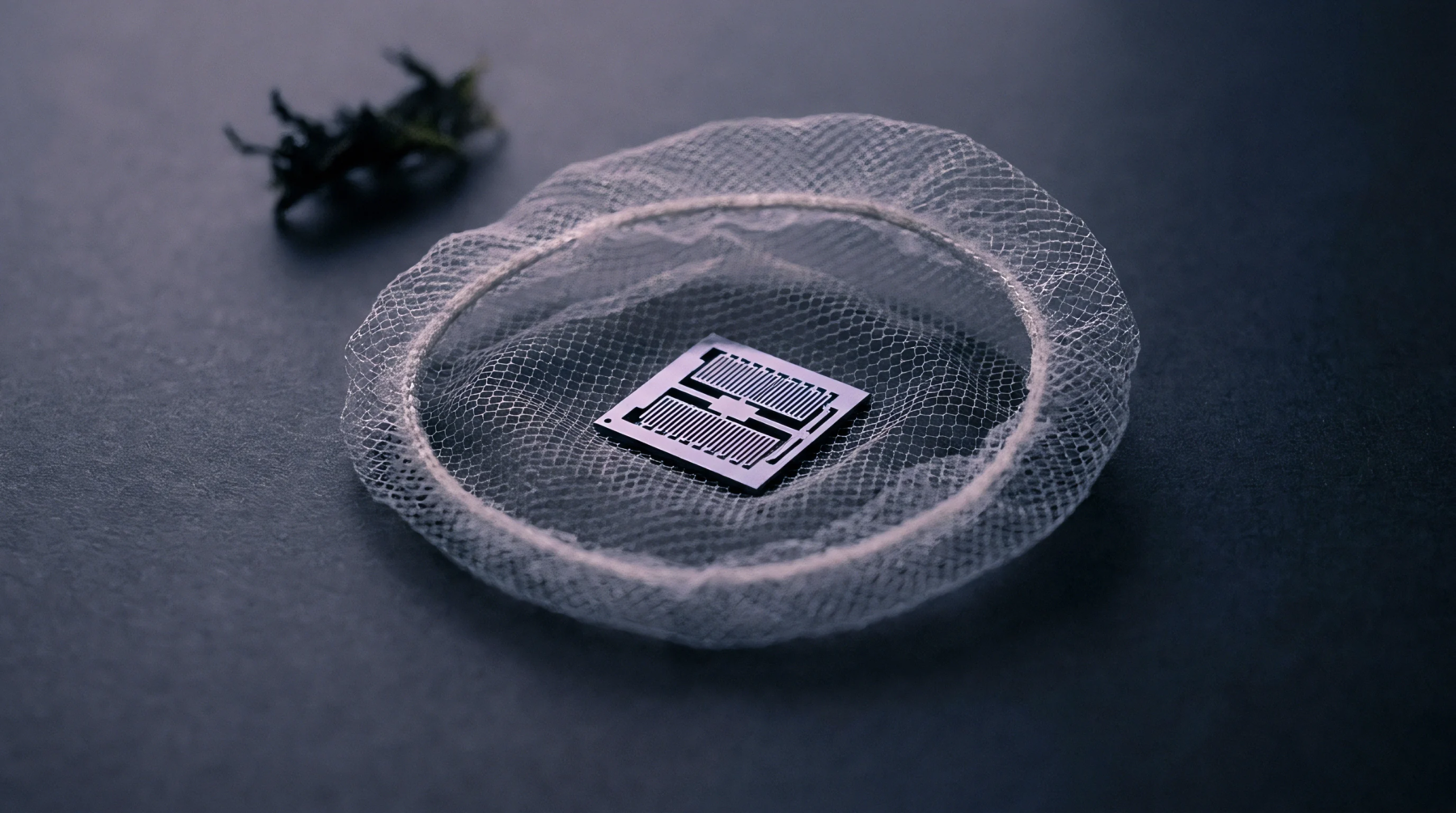
Dual-sourcing low-tier commercial sensors introduces baseline offset drift, thermal hysteresis, and ASIC filtering divergence that increase total landed product cost.

Augmenting Extended Kalman Filters with dynamic temperature derivative states eliminates dynamic thermal bias drift during rapid ramp conditions.

Retrofitting capacitive pressure transducers introduces hydraulic dead-volume delay and digital ASIC filter lag that erodes control loop phase margin.

Selecting sensors requires matching physical transduction principles to measurands while accounting for thermal drift, noise floor, and fab availability.

Active differential thermopile feedback loops suppress transient ambient gradient baseline drift by driving real-time substrate thermal equalization.
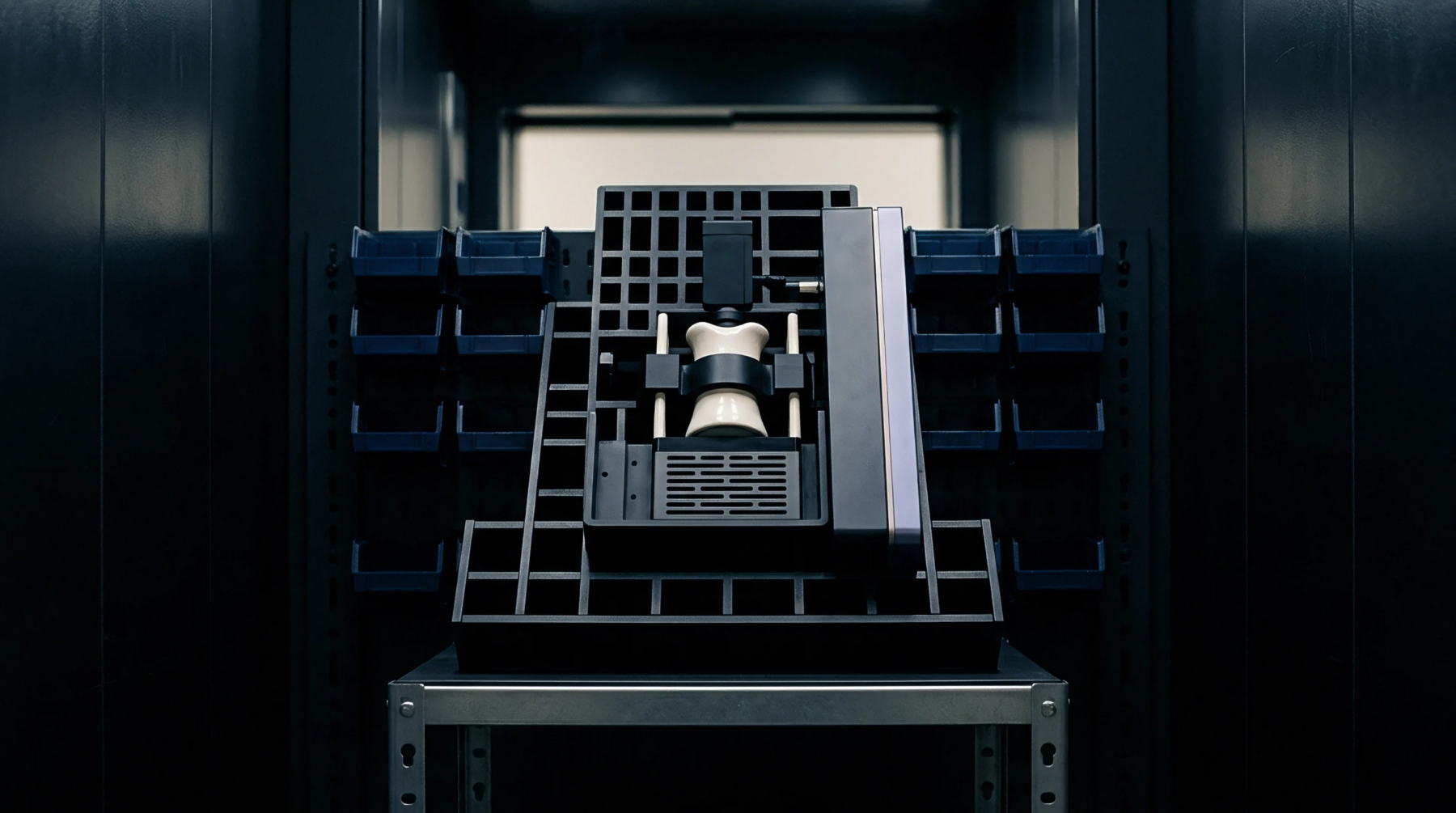
Polymer die attach selection governs MEMS IMU bias drift by balancing storage modulus, glass transition temperature, and long-term viscoelastic stress relaxation.

Thermal hysteresis and package strain corrupt accelerometer zero offset; accurate baseline determinations require thermal soak isolation and vibration rejection.

Normalizing digitized bridge and temperature counts before solving polynomial matrix equations eliminates floating point overflow and preserves calibration accuracy.
Expertise is a utility, not a secret. sentiention™ publishes its working knowledge as open reference: intelligence layer covering the materials it sources, the markets it enters, and the reference that serves both.