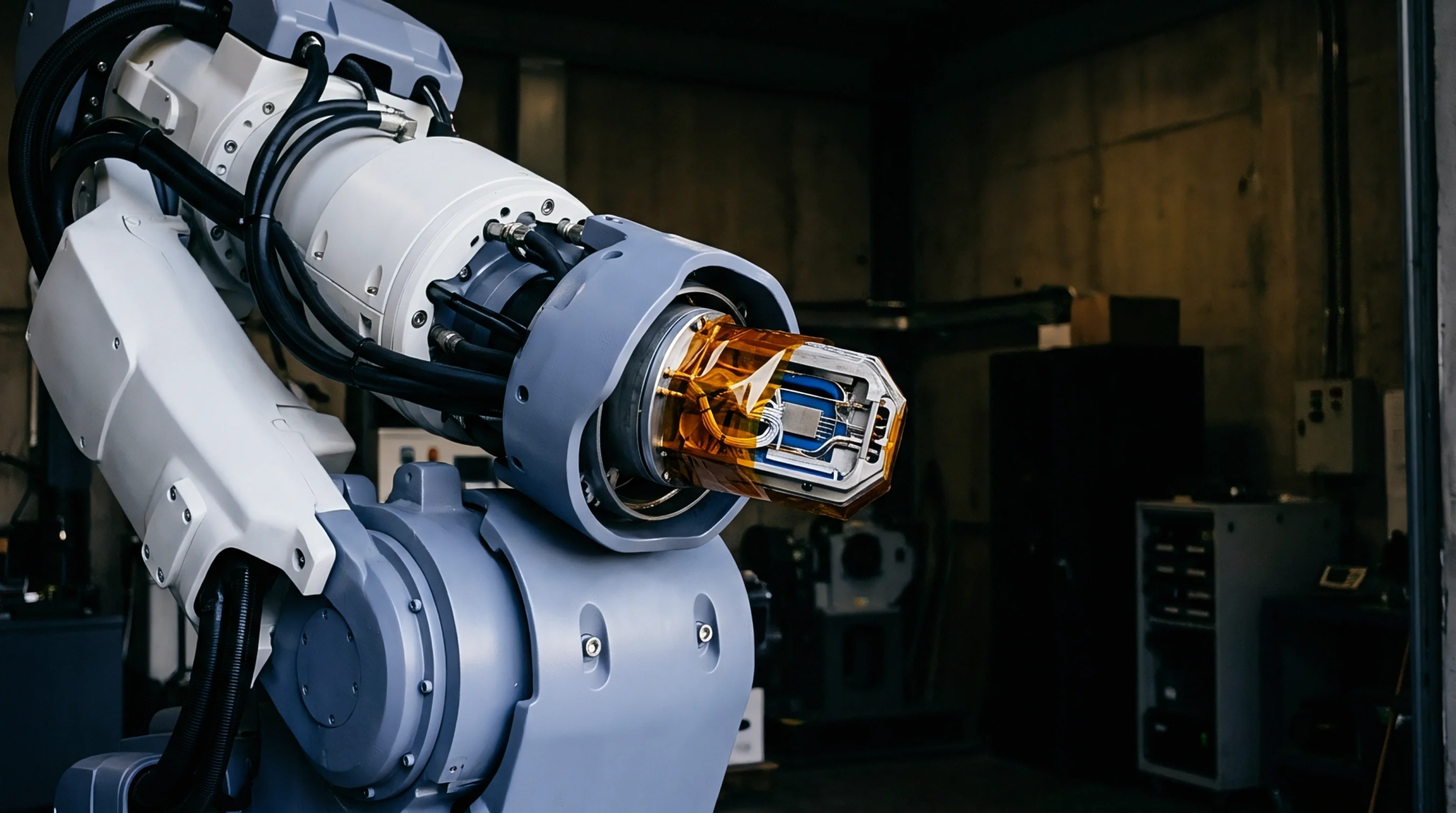
Gravity Alignment
Process of aligning the center of gravity of a test article with the center of force of an actuator. Effective payload balancing prevents the introduction of rocking modes and minimizes transverse forces that could damage the test equipment. This procedure is critical for ensuring the safety and accuracy of high-force vibration tests.
Static Equilibrium
Technicians use counterweights or adjustable mounting plates to reach the desired alignment. Achieving perfect payload balancing reduces the power required to drive the system. It also ensures that the load is distributed evenly across the bearings or suspension.
Professional balancing rigs provide a precision measurement of the offset distance before the test begins. Weights are then added to the low side until the dynamic center matches the geometric center.
Drive Stability
Unbalanced loads cause the armature to tilt, leading to non-linear distortion in the output. When payload balancing is neglected, the control system may struggle to maintain the target profile. This instability often manifests as high-frequency noise or unexpected shutdowns.
Verification Sweep
Checking the results involves measuring the current draw and the cross-axis acceleration during a low-level sweep. Accurate payload balancing results in a uniform current profile and minimal lateral movement. The final configuration is documented to ensure repeatability.