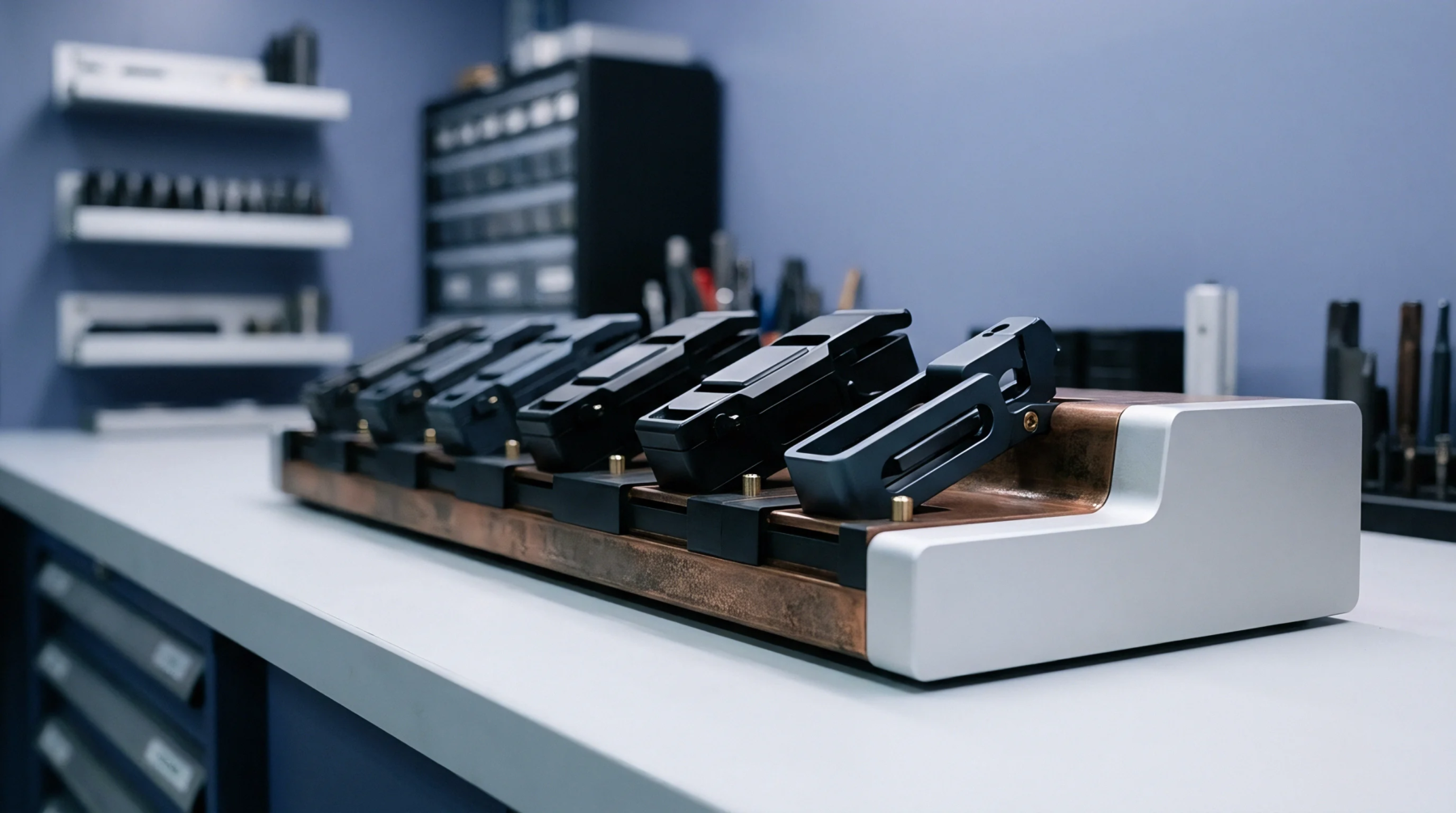
Cam Mechanism
Removable IC socket connections utilizing movable locking cams eliminate slide friction during component installation and automated testing. Integrating zero insertion force sockets into sensor calibration fixtures prevents pin damage and mechanical strain on delicate package leads during high-volume testing cycles. Actuating an external lever moves internal contact contacts apart, allowing sensor pins to drop freely into position without mechanical resistance.
Test stations evaluate contact resistance across socket pins to verify low-loss electrical connections once the locking lever closes. The functional boundary stops at the mechanical interface between the component lead and socket contact spring.
Contact Retention
Moving contact structures within the socket grip component terminals firmly once the mechanical lever drives the sliding internal frame shut. Applying zero insertion force principles enables thousands of insertion cycles without degrading package pins or abrading delicate gold plating layers. Production test fixtures utilize these sockets to rapidly load, test and verify sensor calibration parameters across dynamic temperature sweeps.
High-frequency electrical testing checks pin inductance and signal cross-talk across adjacent socket channels to ensure measurement integrity. Contact wipe mechanisms clean microscopic surface oxides from package terminals during the final closing movement of the internal cam structure. Worn socket spring elements are monitored using continuous contact resistance logging to trigger replacement before test data corruption occurs.
Pneumatic or electric actuators automate lever closure in high-speed robotic calibration cells to maintain uniform clamping force across all test channels. Environmental test chambers enclose socketed assemblies during thermal cycling to verify sensor lead integrity across extreme temperature limits. Pin alignment templates guide component leads into socket entry ports to prevent bent pins during high-throughput automated handling operations.
Pin Wear
Mechanical sliding friction in standard sockets strips terminal plating layers, causing micro-fretting corrosion and variable contact resistance over time. Cam-actuated contact mechanisms eliminate sliding wear during insertion, preserving lead plating integrity across extended testing programs. Constant insertion force prevention preserves delicate lead frame co-planarity on surface-mount sensor packages.
Retention Limit
Socket springs exert controlled mechanical clamping force to retain component leads against vibration during calibration routines. Clamping force limits are specified to ensure stable electrical contact without physically deforming soft copper lead frames.