Protective Coating
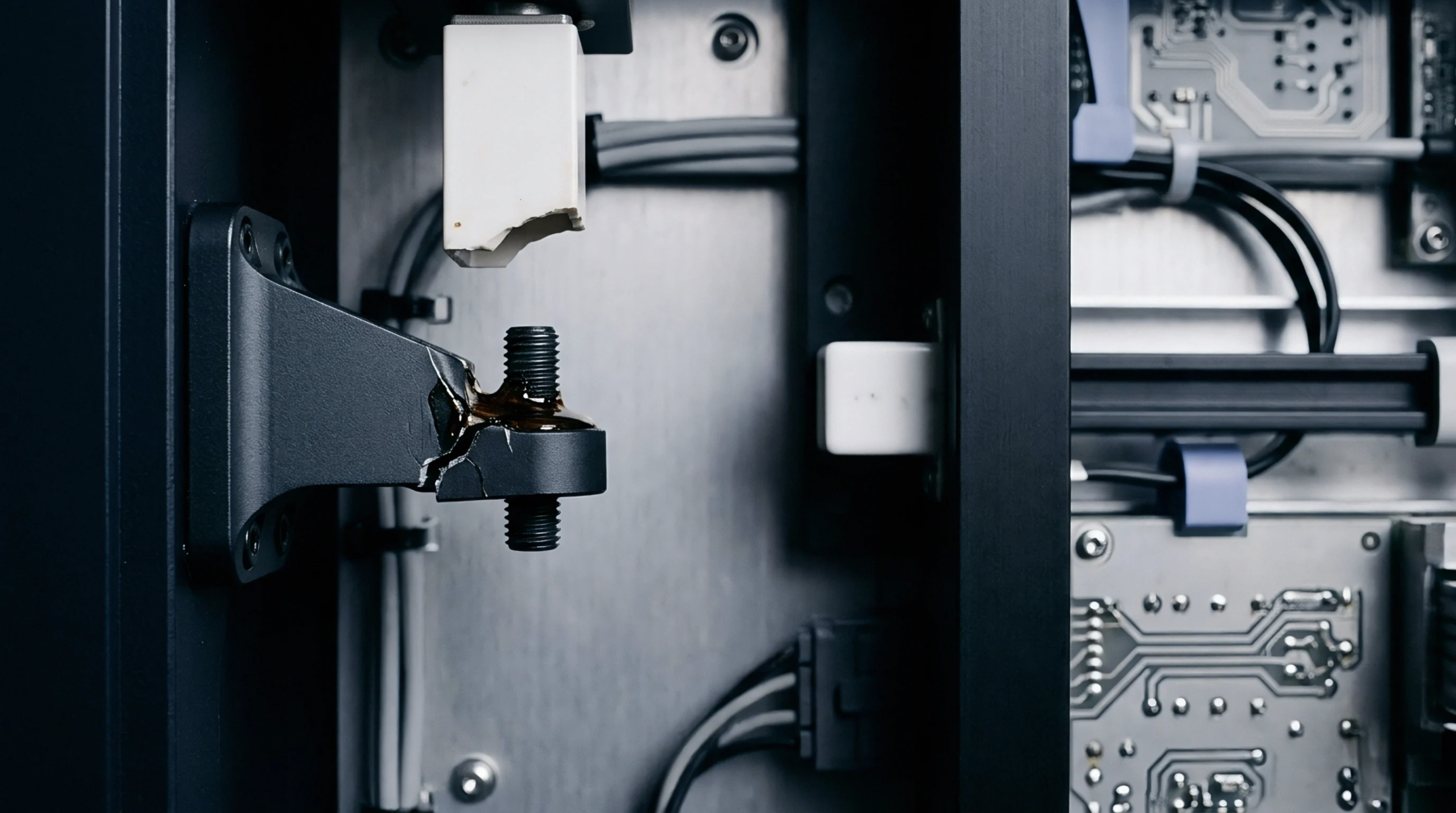
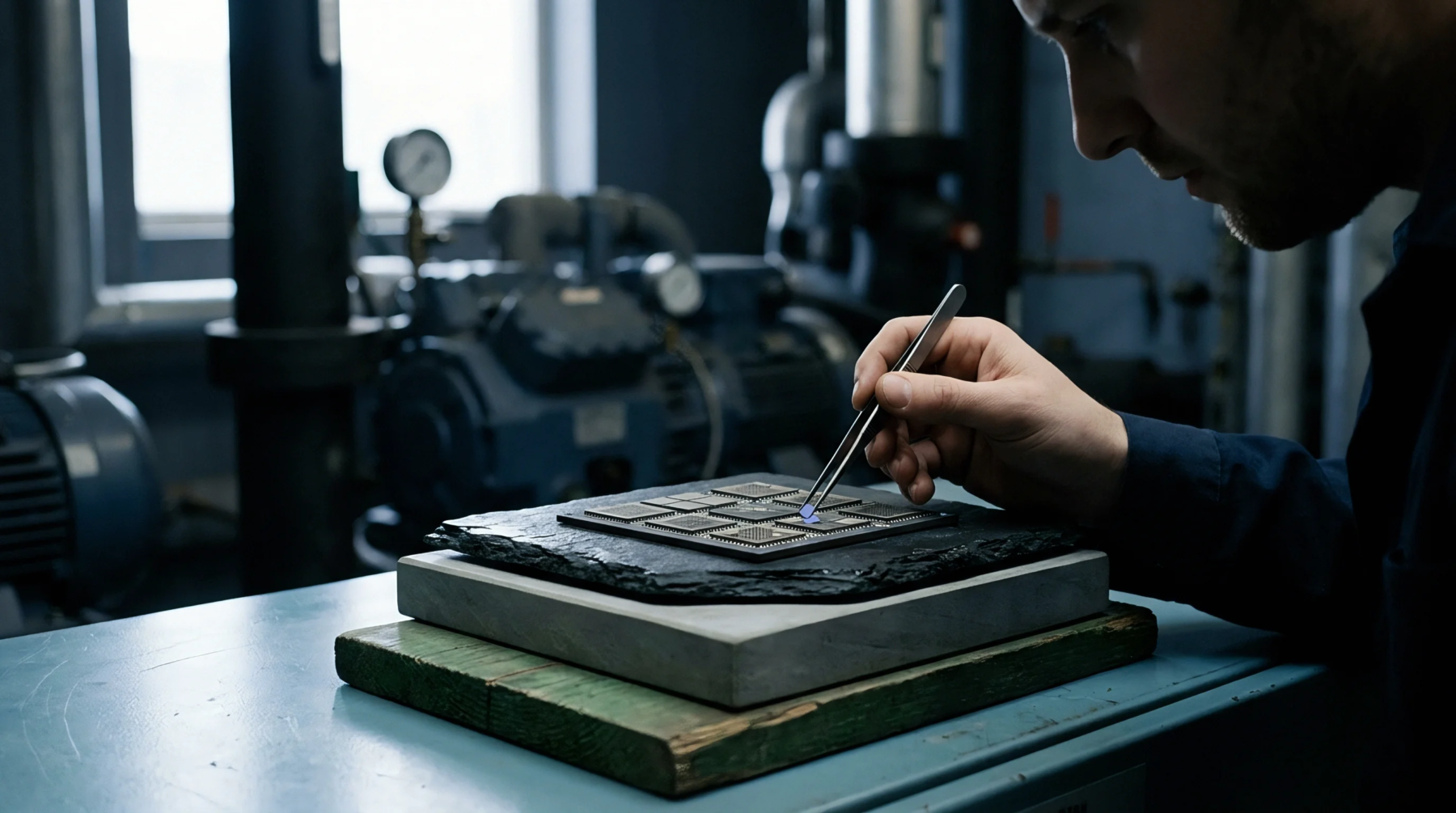
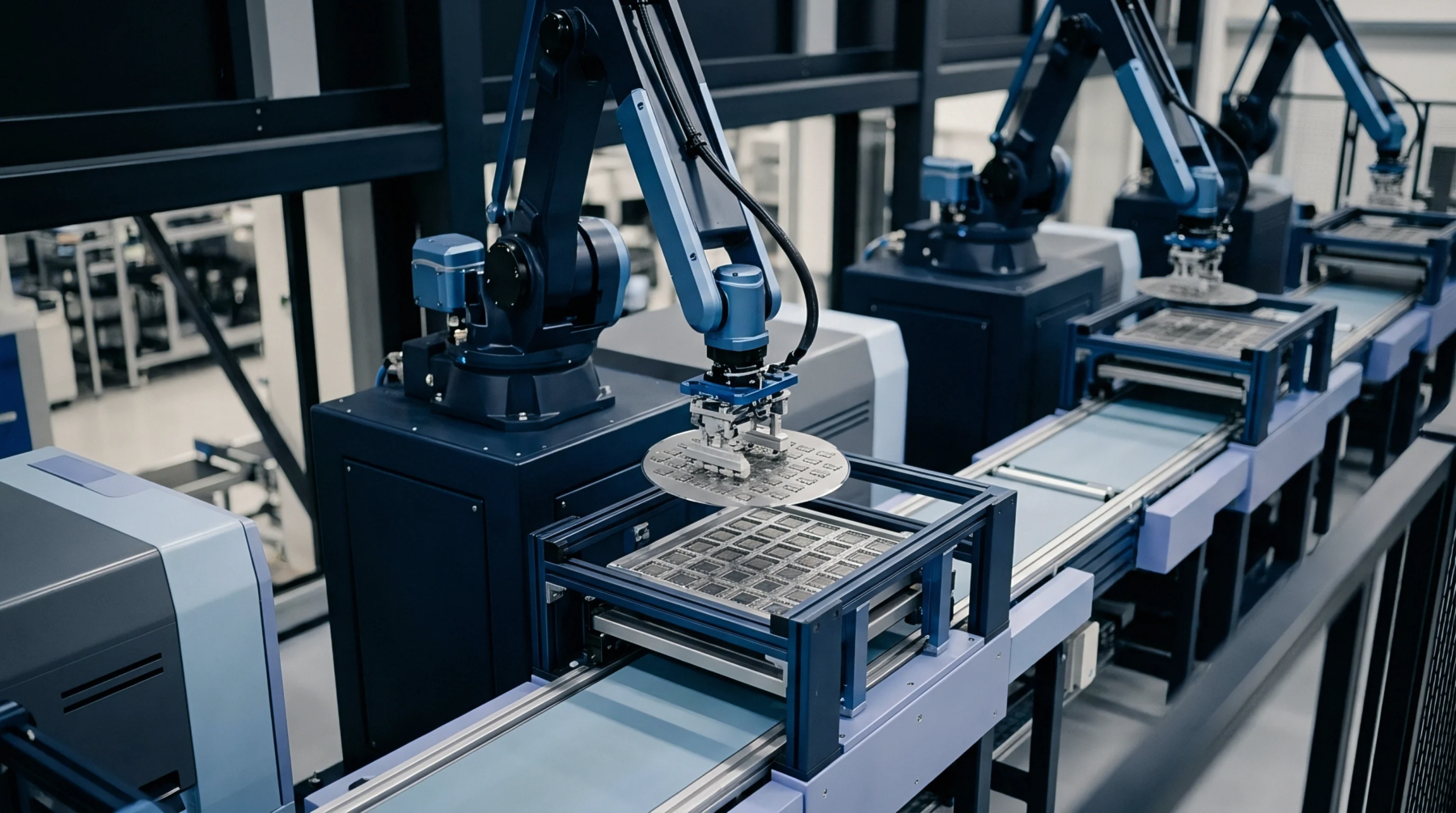
Protective coating technique that uses a soft polymer material to surround and insulate sensitive electronic components from environmental stress. This silicone gel encapsulation provides a barrier against moisture and mechanical shock while allowing the sensor to remain flexible. The technique is commonly used in MEMS devices and high-reliability modules that must operate in harsh conditions.
Stress Mitigation
Softness of the material prevents the transfer of thermal expansion stresses from the package to the delicate sensing element. Because silicone gel encapsulation has a low modulus of elasticity, it acts as a mechanical buffer that absorbs vibrations and prevents structural fatigue. This property is necessary for maintaining the long-term calibration stability of pressure sensors and accelerometers.
Barrier Property
Hydrophobic nature of the polymer prevents the ingress of water and corrosive chemicals that could damage the circuity. During the silicone gel encapsulation process, the liquid resin is poured over the assembly and then cured to form a stable but compliant solid. The resulting layer provides electrical insulation while remaining transparent to the physical forces that the sensor is designed to measure.
This balance of protection and sensitivity makes the material ideal for automotive and industrial applications.
Material Compatibility
Selection of the specific gel formulation depends on the temperature range and the chemical sensitivity of the components.