Moisture Classification
Classification protocols define the sensitivity of non-hermetic solid state surface mount devices to thermal stress during assembly operations. The j-std-020e document assigns levels to these components based on the maximum duration they withstand exposure to high temperatures after atmospheric humidity absorption. Engineers use these classifications to determine the floor life of parts before soldering occurs.
If the moisture trapped within the package expands faster than the material can relieve internal strain, the device suffers from popcorn failure. This standard provides the test methods to prevent structural compromise during solder reflow.
Reflow Simulation
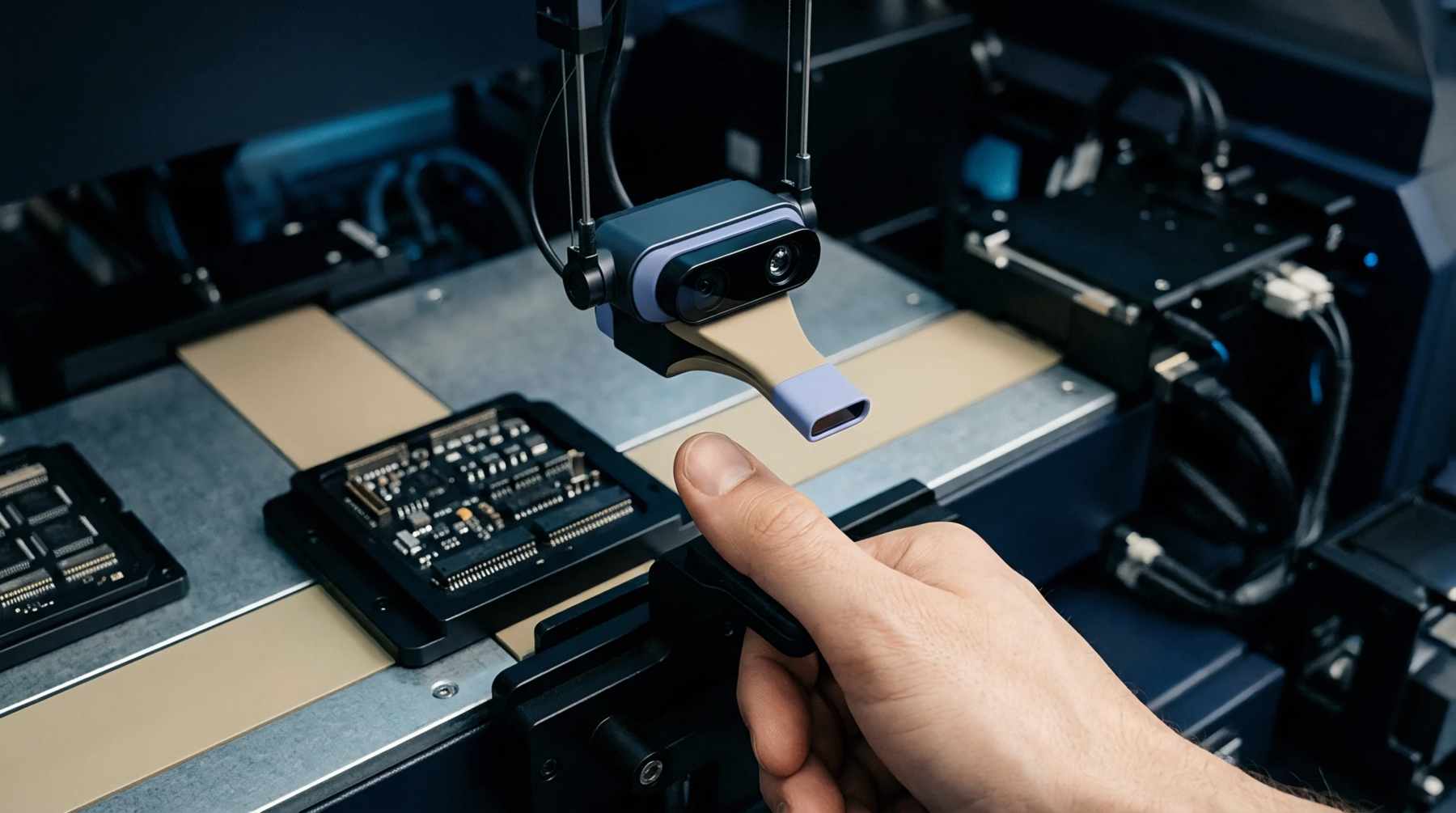
Technicians subject representative device samples to specific temperature profiles to mimic the actual soldering process. Qualification requires baking units to remove moisture, followed by precise humidity exposure to reach the targeted saturation state. The procedure forces components through multiple cycles of infrared or convection heating to observe physical degradation.
A sample fails if the internal inspection reveals delamination, cracks, or electrical shifts. Laboratories monitor the peak temperature of the component body to ensure compliance with the maximum reflow profile. Drift in sensor readings during this phase indicates thermal instability or insufficient sealing.
The assessment confirms whether the package construction survives the expansion of internal gases during rapid heating.
Environmental Boundary
Performance limits depend on the ambient storage conditions and the duration of exposure prior to the application of heat. The specifications define the absolute maximum time a device remains outside a protective moisture barrier bag before the risk of failure becomes unacceptable. Operators track the humidity levels and room temperature in the facility to calculate the remaining floor life.
If the environmental control fails or the time limit expires, the drying process restores the component integrity. This recovery path removes excess moisture and resets the clock for assembly. The physical properties of the plastic molding compound determine the tolerance for these moisture levels.
Consistent batch quality relies on the strict maintenance of these exposure limits during the factory workflow.
Assembly Validation
Reliability metrics determine the effectiveness of the protective packaging used for transport and storage. Verification occurs by performing inspections on components that have completed the full simulation sequence. Acoustic microscopy identifies hidden internal damage that manifests after the stress tests.
Visual inspection confirms the absence of external fractures near the leads or the body structure. The test results confirm the validity of the moisture sensitivity level label applied to the device reels. If the component passes the visual and electrical criteria after the simulated reflow, the rating stands as a validation of its structural capability.
The entire classification procedure functions as a barrier against thermal expansion damage in delicate electronic assemblies.