Lateral Force
Deformable materials experience a decrease in internal resistance when they are held in a state of constant sideways displacement. The shear stress relaxation describes the time dependent decay of the force required to maintain this deformation within an adhesive or gasket. This phenomenon is a primary cause of seal failure and sensor drift.
Deformation Rate
Speed at which the initial load is applied influences how the material reorganizes its internal structure. Understanding this relationship allows engineers to predict behavior during sudden spikes.
Interface Integrity
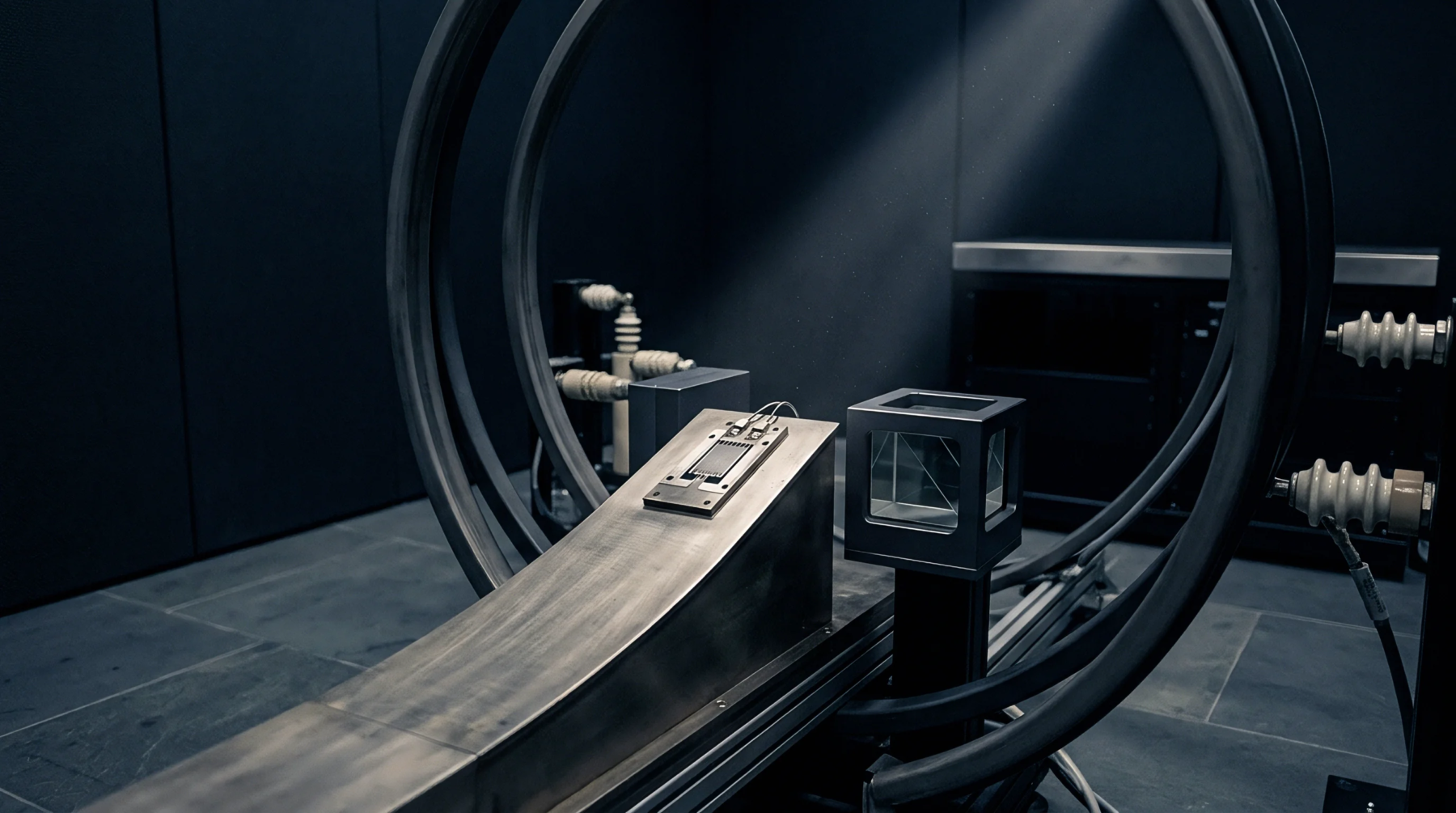
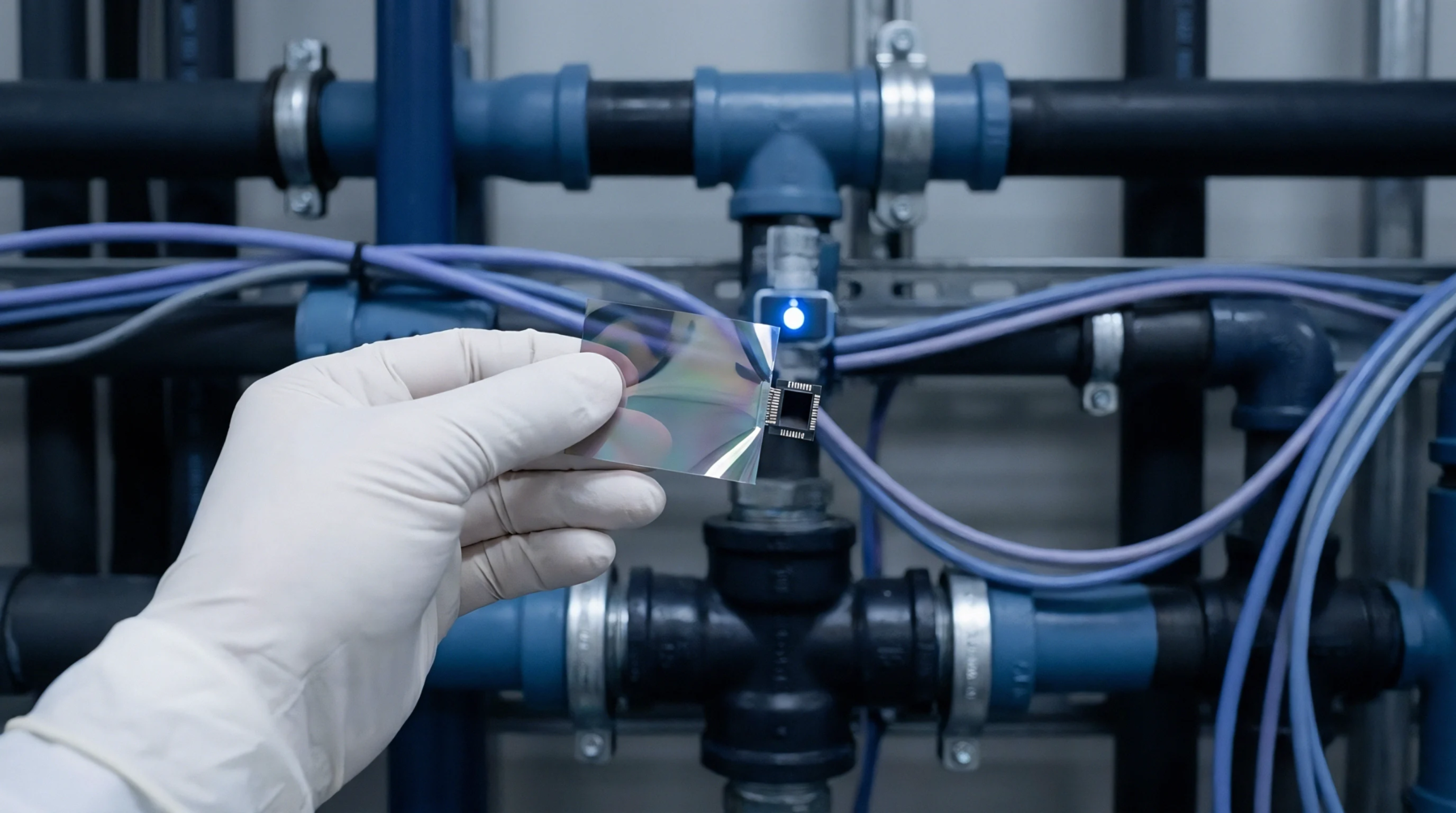
Loss of tension at the bond line can lead to a reduction in the accuracy of a sensor that relies on shear force for measurement. If the material relaxes too much, it may allow for micro-movements that introduce noise or instability into the signal. Selecting materials with low relaxation rates is essential for maintaining a high level of precision over time.
Operational Condition
Environmental factors like temperature and humidity can change the rate at which a polymer relaxes. High heat increases molecular mobility and speeds up the decay of internal tension. Regular verification of the mounting torque or the sensor calibration is necessary to ensure that the relaxation hasn’t compromised the performance of the system or the mechanical security of the sensing assembly.