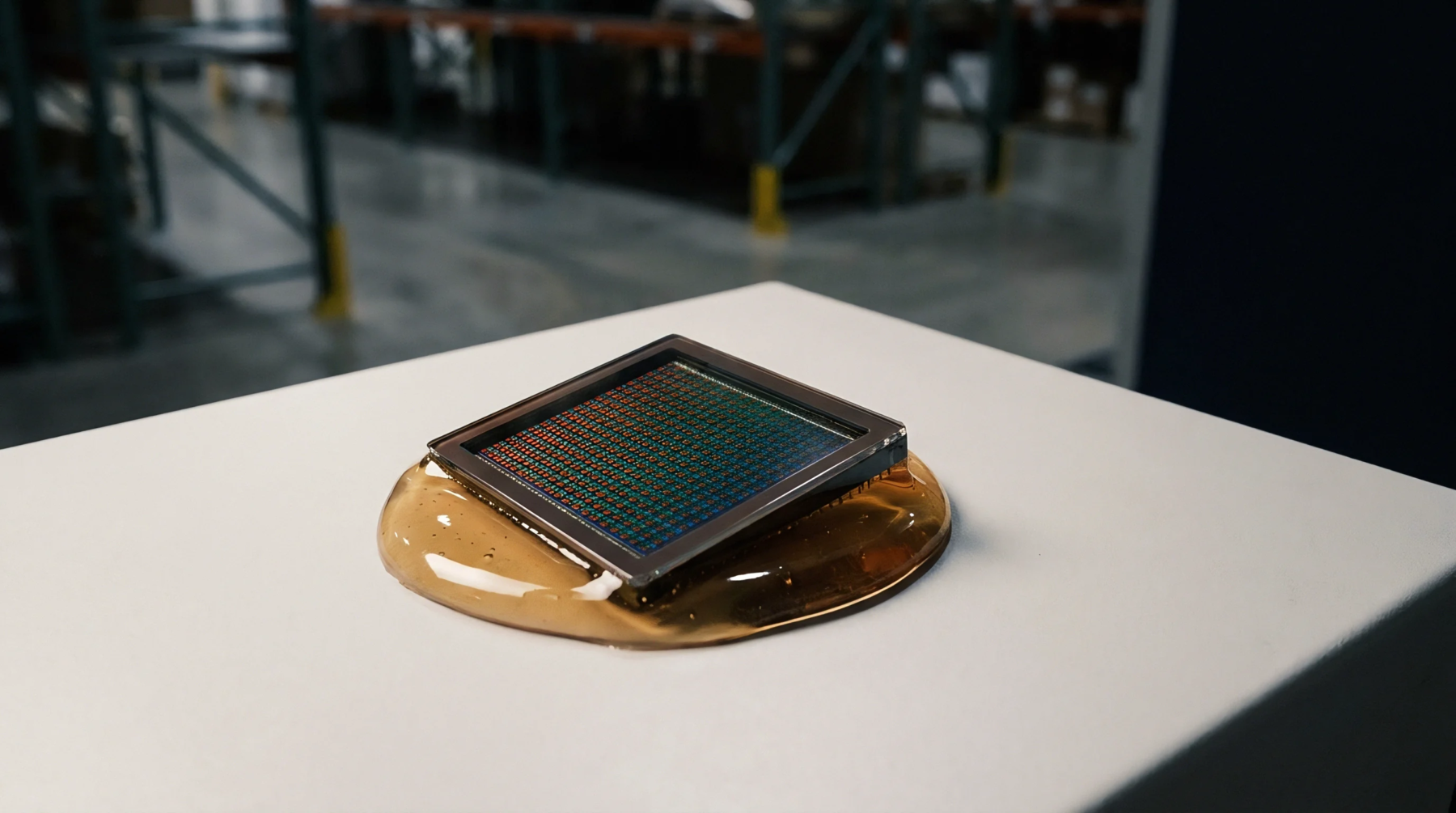
Transient Thermal Calibration in Quartz Resonant Accelerometers
Transient thermal calibration compensates quartz resonant accelerometer bias shifts caused by temperature gradients using differential thermal rate models.
Transient thermal calibration compensates quartz resonant accelerometer bias shifts caused by temperature gradients using differential thermal rate models.

Dynamic thermal cycling induces non-linear piezoresistive hysteresis that demands dynamic gradient tracking and second-order surface compensation models.

Packaging thermal expansion mismatch generates die stress that converts to electrical offset drift via piezoresistive coupling and polymer viscoelastic creep.
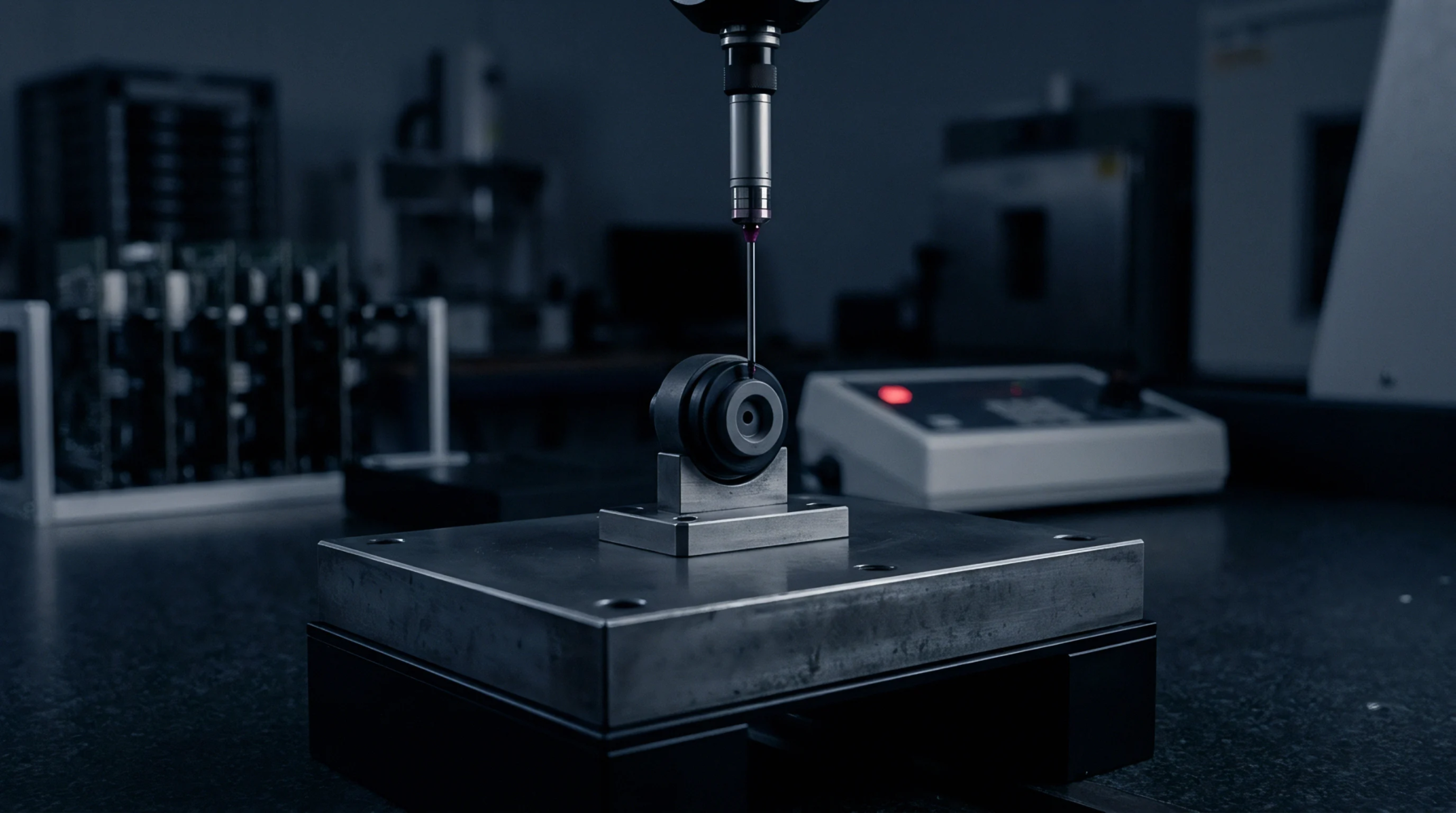
Submicroliter cavity stability under cryogenic cycling depends on managing fluid volumetric contraction to prevent diaphragm bucking and zero drift.

Bulk metal foil resistor drift stems from thermal stress relaxation and epoxy moisture swelling, manageable through hermetic packaging and thermal burn-in.

Room-temperature sensor calibrations omit outdoor thermal drift coefficients, expanding real field uncertainty far beyond published baseline claims.

Packaging stress relaxation drives post-thermal drift, requiring pre-conditioning bakes and verified isothermal recovery windows to ensure long-term calibration stability.
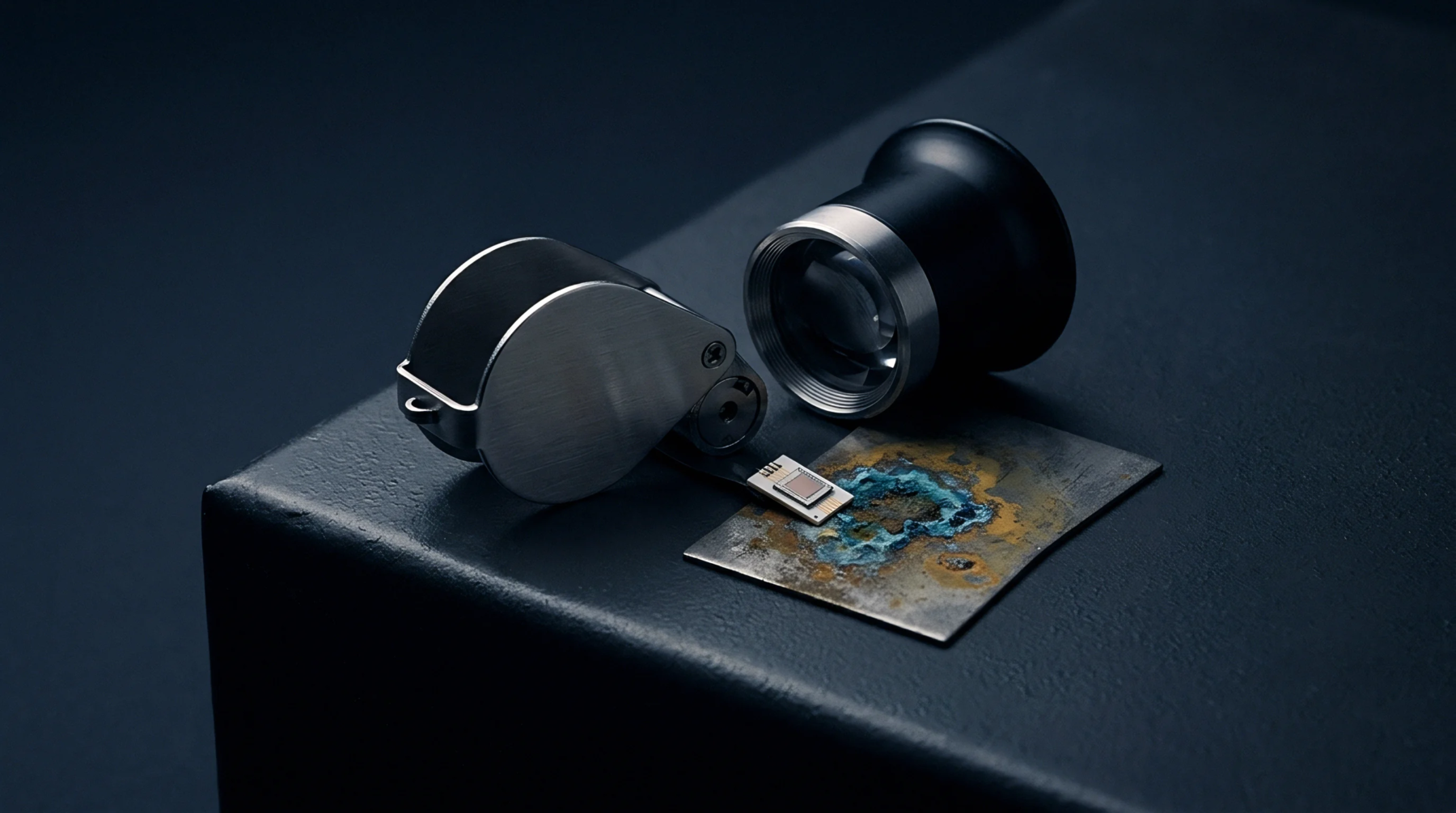
Silicon substrate thermal expansion alters MEMS structural spacing and compliance, requiring isolated single-point anchors and 3rd-order ASIC polynomial correction.
Dynamic thermal gradients induce non-stationary bias drift in tactical sensors; state estimators must augment state vectors with thermal rate terms.

Replacing a primary sensor with an alternate physics module requires rebuilding signal conditioning, cross-sensitivity models, and chamber qualification suites
Expertise is a utility, not a secret. sentiention™ publishes its working knowledge as open reference: intelligence layer covering the materials it sources, the markets it enters, and the reference that serves both.