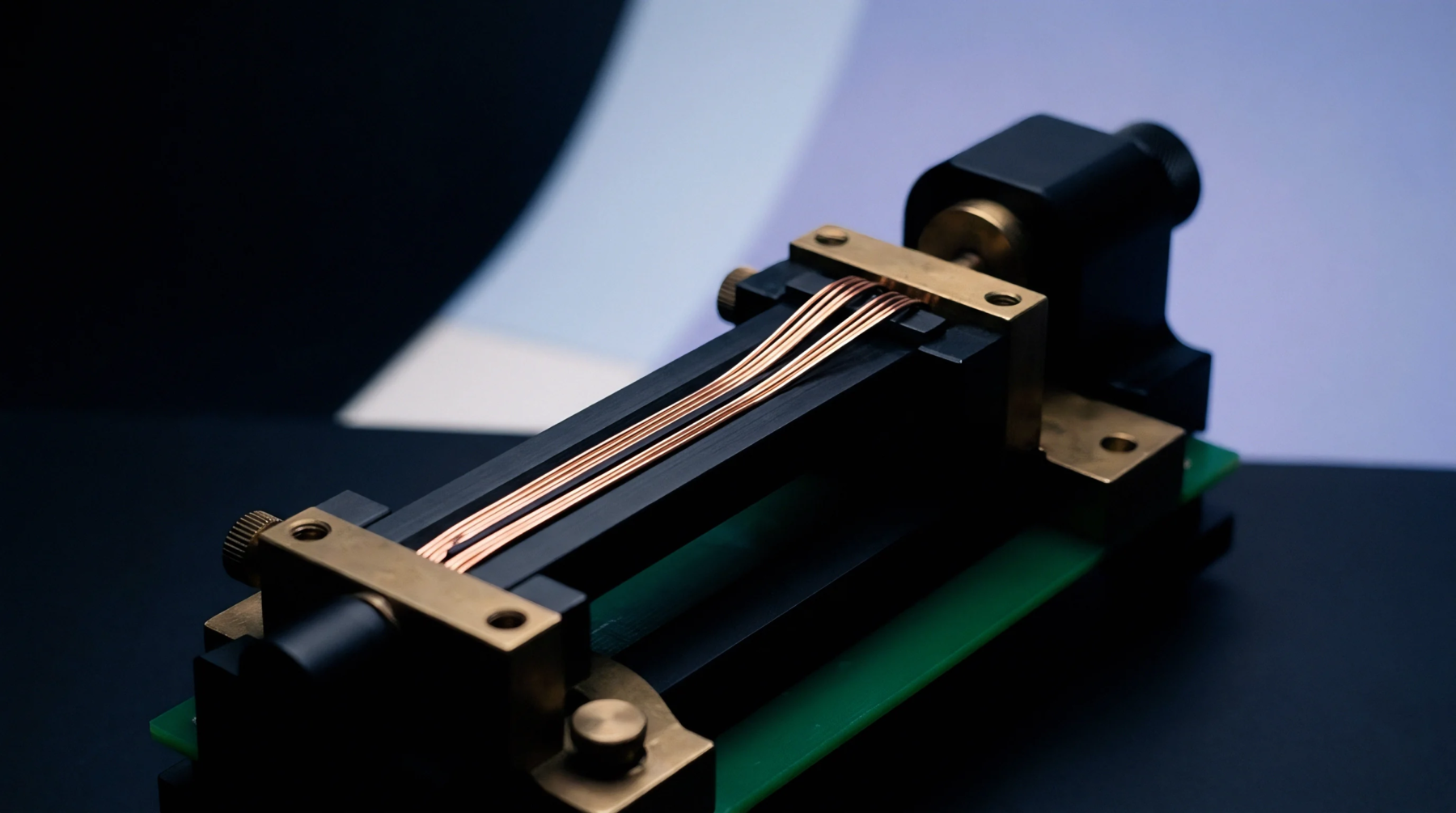
Sensor Calibration
A resistive thermal detector provides the basis for sac105 to establish precise temperature monitoring within industrial control loops. This component converts thermal energy into electrical resistance values which secondary instrumentation then interprets for feedback. Accuracy depends on the stability of the platinum element across a defined range of operating temperatures.
Signal Precision
Thermal shifts alter the electron mobility inside the metallic lattice of sac105. High quality wiring reduces lead resistance interference during the transfer of data from the probe to the transmitter. Linear output remains dependent on the consistency of the current source applied to the sensor circuit.
Thermal inertia dictates the response time of the device when exposed to sudden temperature gradients in a fluid stream.
System Integration
Proper installation requires immersion depths that prevent heat transfer from the process connection to the sensor sheath. Thermal paste minimizes contact resistance between the thermowell and the sensing element during high pressure operations. Grounding loops create significant noise when the sensor housing gains a potential different from the primary controller.
Operation Limits
Maximum operating temperature defines the ceiling for sensor reliability before physical degradation of the internal insulation occurs. Exposure to corrosive gases requires protective coatings that slightly increase the time constant of the measurement. Mechanical vibration shortens the lifespan of the connection points between the resistive wires and the extension leads.
Periodic verification against a traceable standard detects drift resulting from oxidation of the platinum sensing film.