Hydrostatic Transmission
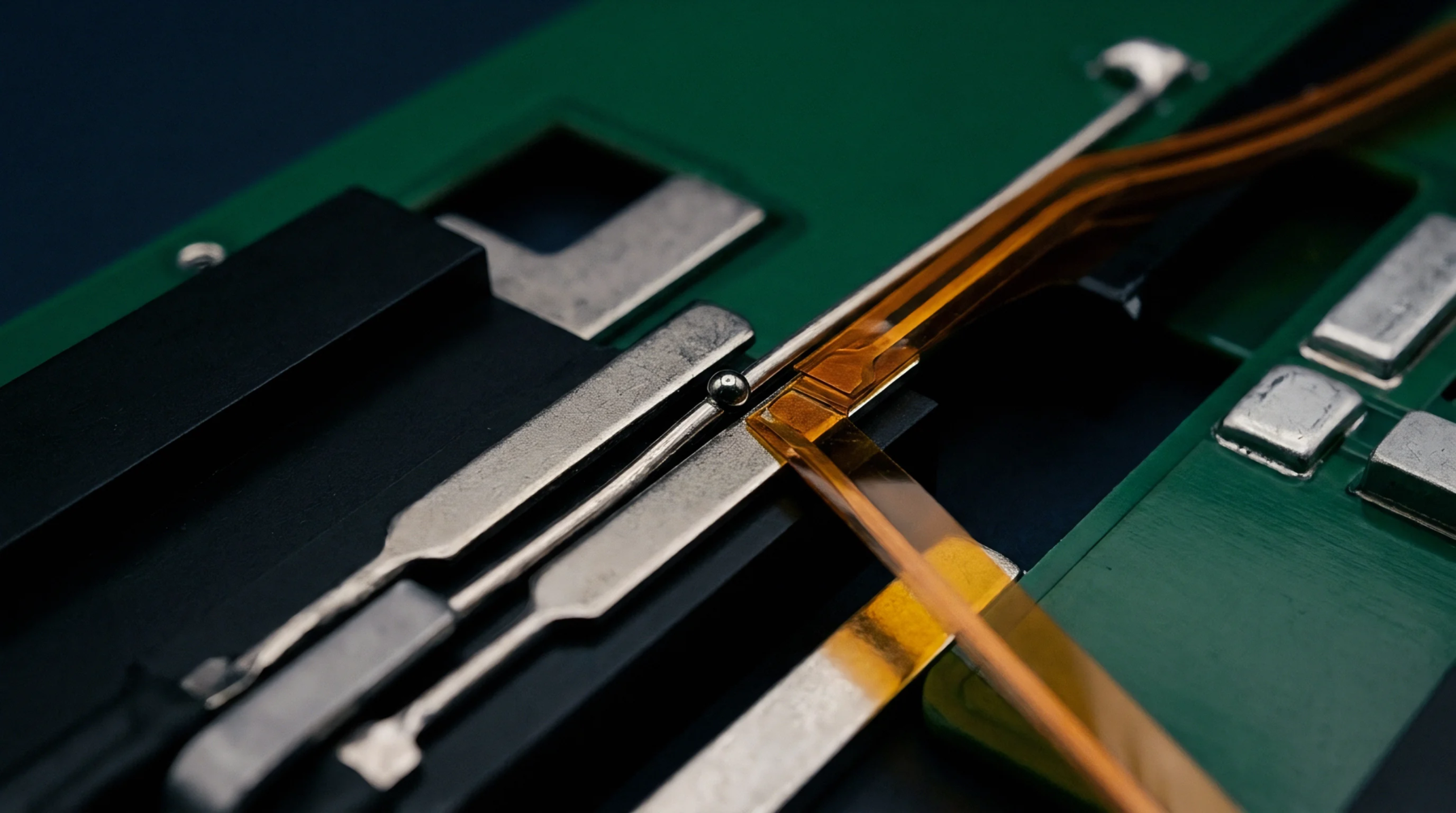
Potting procedures for isolated media pressure transmitters place compliant potting materials directly within the fluid cavity to isolate electronics from process media. A silicone gel fill acts as an incompressible hydraulic fluid that transmits external fluid pressure directly to an internal silicon sensing element. Low durometer gel networks protect fine wire bonds from mechanical wash forces without imposing shear stress.
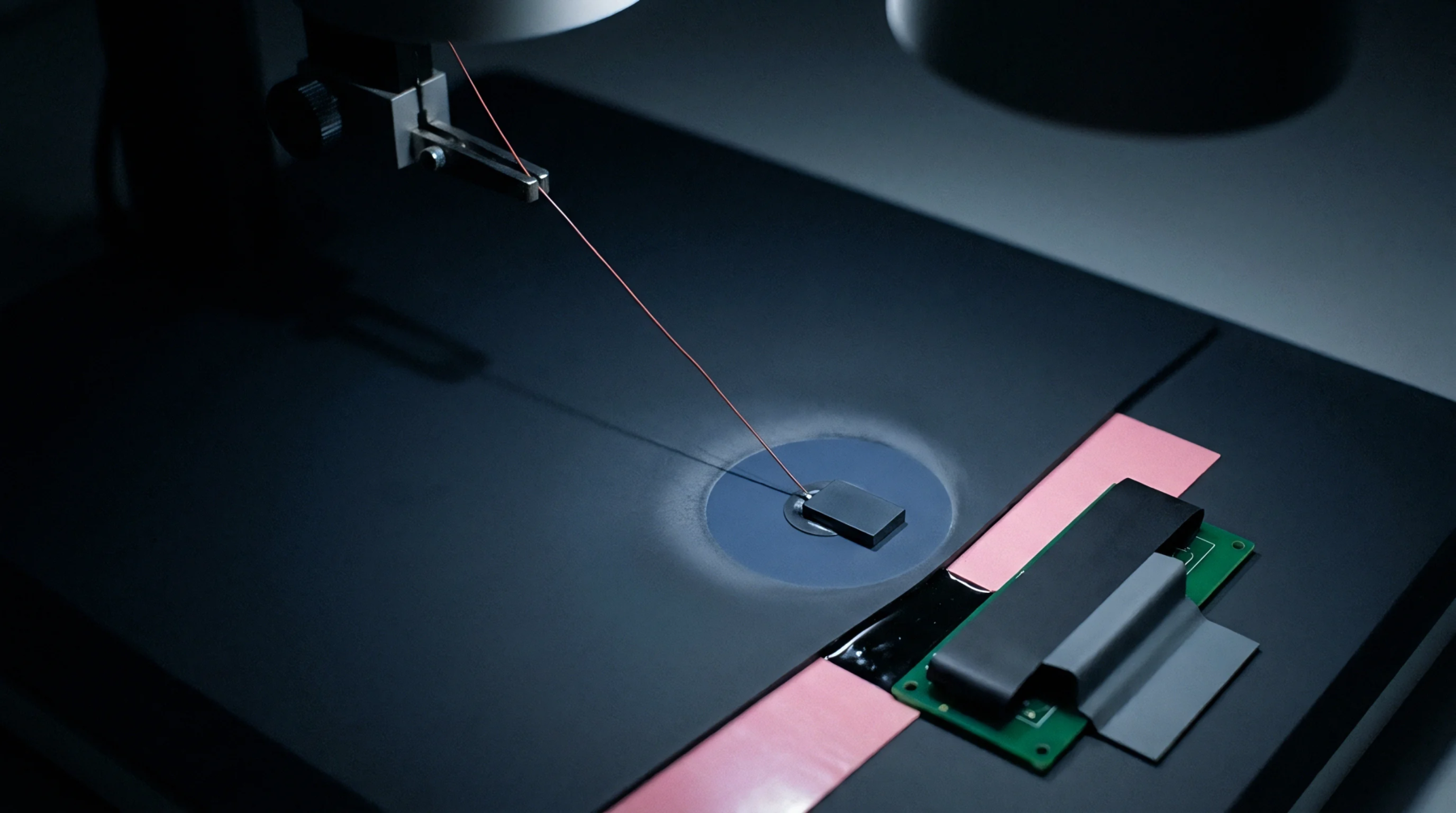
De-aeration during vacuum dispensing eliminates trapped air bubbles that compromise pressure transfer linearity. Formulations maintain soft gel consistency without crosslinking into rigid solids.
Thermal Expansion
Volumetric thermal expansion of the gel volume exerts hydrostatic pressure on the sensing diaphragm during temperature increases. High volumetric expansion coefficients cause zero offset shifts across wide operating temperature spans. Compensation algorithms in processing electronics correct for predictable thermal pressure shifts.
Oil filled isolated diaphragms provide lower thermal expansion errors than thick gel layers.
Volumetric Drift
Long term crosslinking progression inside silicone gels changes material density and modulus over operating lifespans. Unreacted siloxane monomers migrate to surfaces, causing localized physical changes. Chemical degradation under UV light exposure hardens top gel layers and distorts dynamic pressure readings.
Stability testing evaluates zero drift following extended thermal storage trials.
Void Trapping
Microscopic gas bubbles trapped within the gel volume compress during pressure application, causing non-linear response curves. Vacuum degassing during potting operations removes dissolved gas species before thermal curing cycles. Pressurized curing environments collapse residual micro-voids into solid gel matrix structures.
Sensor calibration verification checks linearity across full scale pressure spans to detect void induced hysteresis.