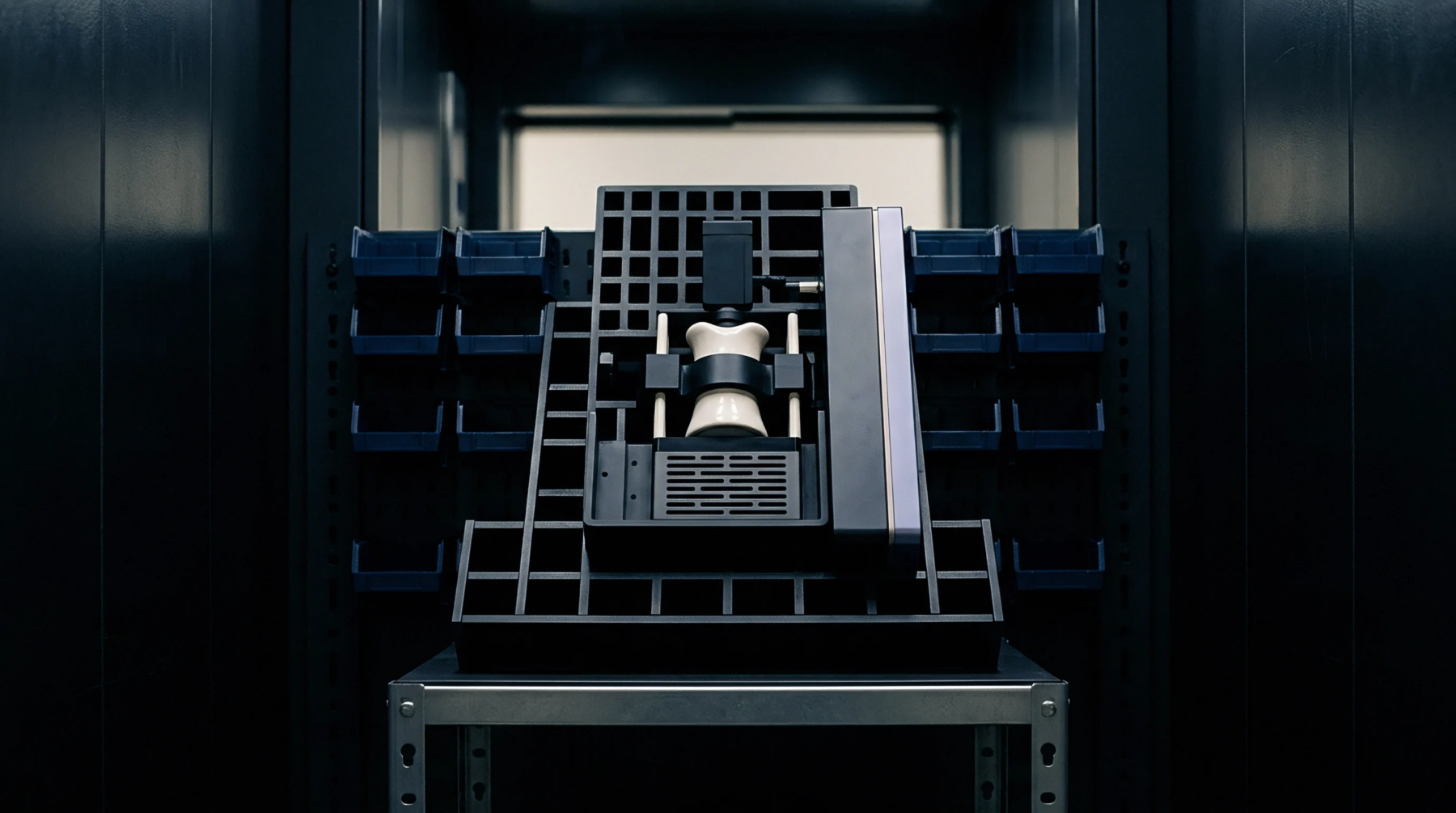
Dynamic Bias Error Compensation in Inertial Measurement Units
Dynamic bias compensation in IMUs requires real-time g-sensitivity matrix tracking and high-frequency sampling to prevent rapid strapdown navigation drift.
Dynamic bias compensation in IMUs requires real-time g-sensitivity matrix tracking and high-frequency sampling to prevent rapid strapdown navigation drift.

Packaging strain shifts piezoresistive matrix coefficients; active on-die stress monitoring and dynamic matrix inversion preserve multi-axis calibration accuracy.
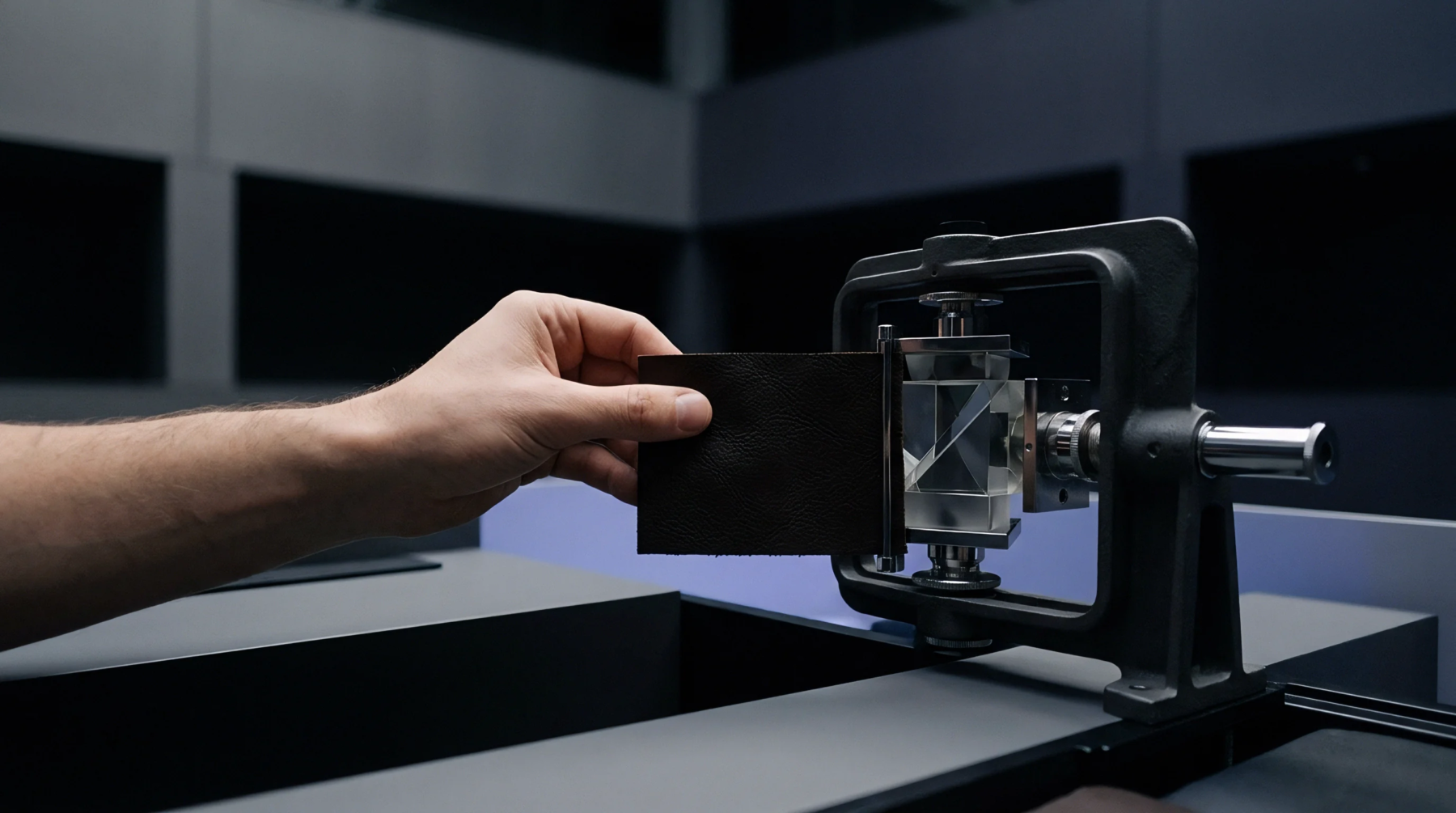
Inertial bench accuracy demands active sub-Hertz seismic isolation, symmetric thermal baffling, and nanoradian tilt control to bound errors below one microGal.
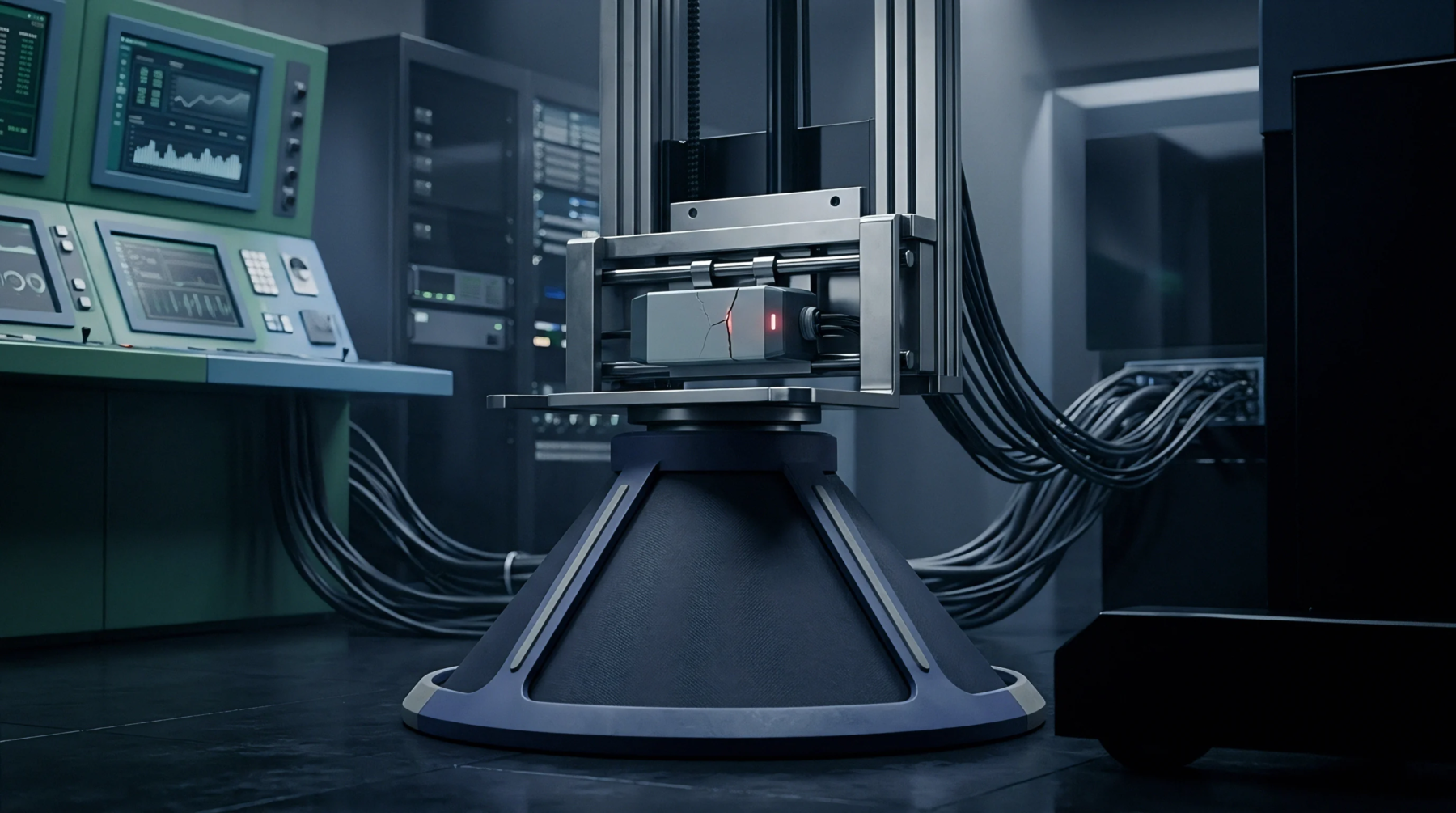
Dynamic cross axis rectification models must incorporate quadratic vibration parameters and angular rate coupling terms to eliminate static bias drift under vibration.

Resolving dynamic calibration covariance requires tracking cross-channel spectral correlations to prevent accepting multi-axis sensors that breach true tolerances.

Precision capacitive MEMS accelerometer thermo-mechanical bias stability requires stress-isolated ceramic packaging and gradient-aware temperature calibration.

Extracting cross axis rectification coefficients requires dual tone orthogonal excitation to isolate second order asymmetric stiffness shifts from true tilt.

Thermal hysteresis and package strain corrupt accelerometer zero offset; accurate baseline determinations require thermal soak isolation and vibration rejection.
Expertise is a utility, not a secret. sentiention™ publishes its working knowledge as open reference: intelligence layer covering the materials it sources, the markets it enters, and the reference that serves both.