Material Property
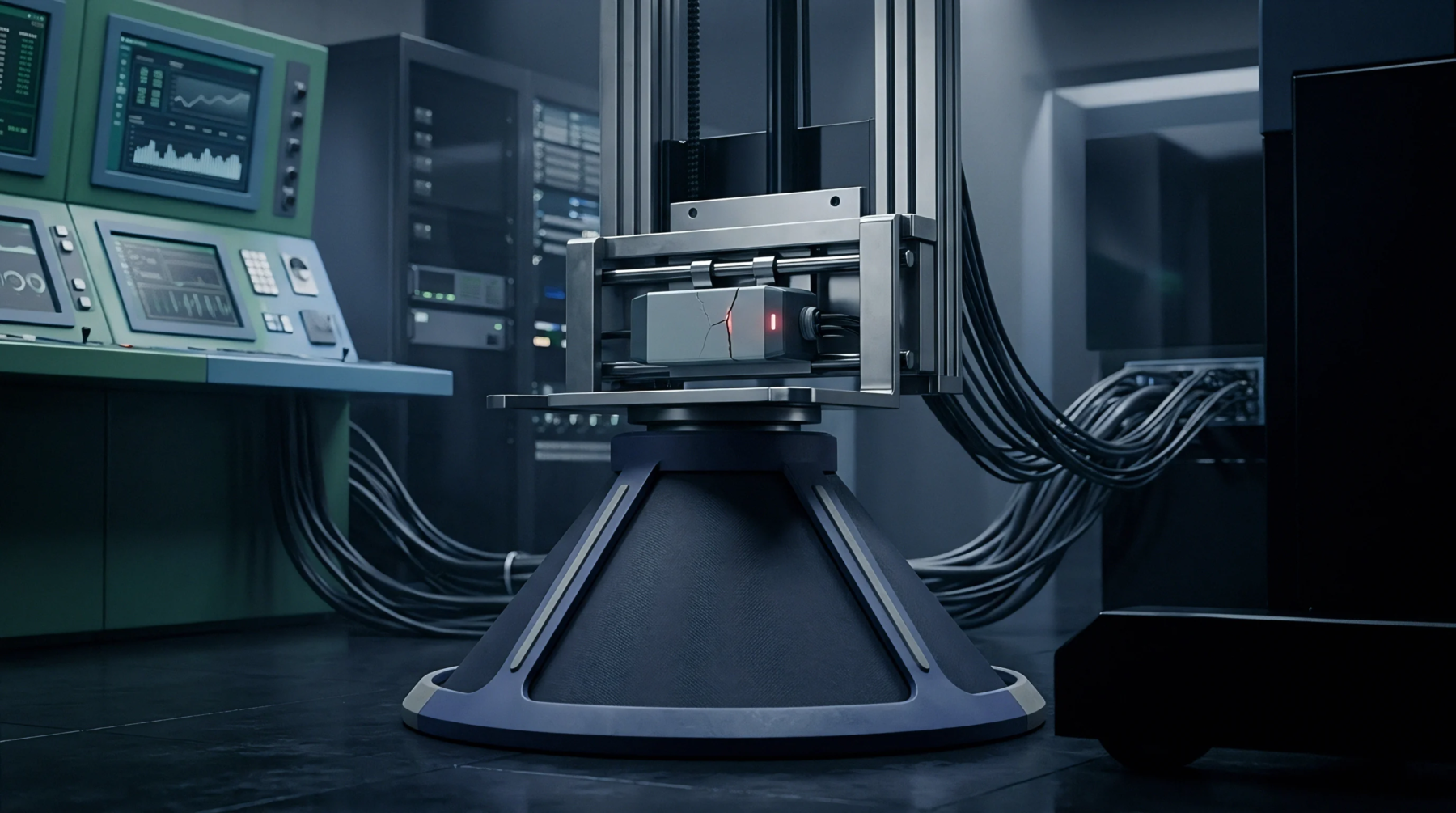
Mechanical properties of rubber-like materials define the vibration isolation and damping characteristics of a sensor installation. Elastomeric mount dynamics govern how energy transfers from a vibrating structure to a sensitive instrument through temperature-dependent and frequency-dependent stiffness. These components act as low-pass filters for high-frequency mechanical noise.
Response Profile
Damping ratios in these components vary based on the durometer of the material and the magnitude of the applied load. While a soft mount provides excellent isolation at high frequencies, it may amplify movements at its own resonant frequency. Understanding elastomeric mount dynamics allows engineers to tune the system so that the natural frequency of the assembly sits well below the primary disturbance frequencies of the environment.
Environmental Degradation
Thermal changes alter the molecular structure of the polymer, shifting the isolation window and potentially exposing the sensor to harmful shocks. Exposure to chemicals or long-term compression also modifies the elastomeric mount dynamics over the life of the product. Regular inspection ensures that the material has not hardened or cracked, which would compromise the protection of the internal electronics.
Material Hysteresis
Internal friction within the elastomer converts kinetic energy into heat. This energy loss is the primary mechanism for damping.