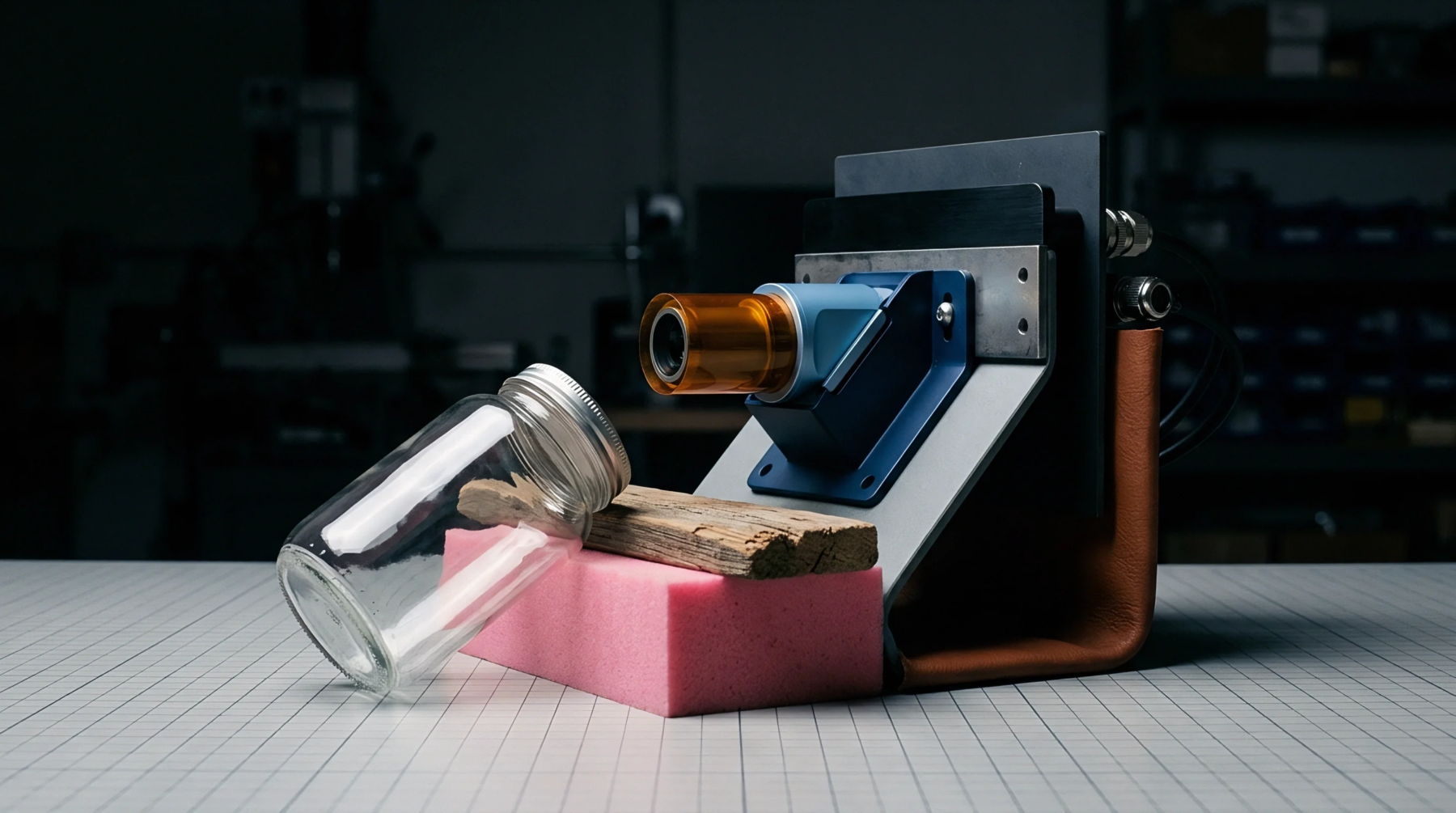
Non Linear Hysteresis Compensation Models in Temperature Transducer Calibration
Generalized Prandtl-Ishlinskii play operators linearize directional thermal hysteresis loops, cutting transducer calibration uncertainty from 90 mK down to 13 mK.
Generalized Prandtl-Ishlinskii play operators linearize directional thermal hysteresis loops, cutting transducer calibration uncertainty from 90 mK down to 13 mK.
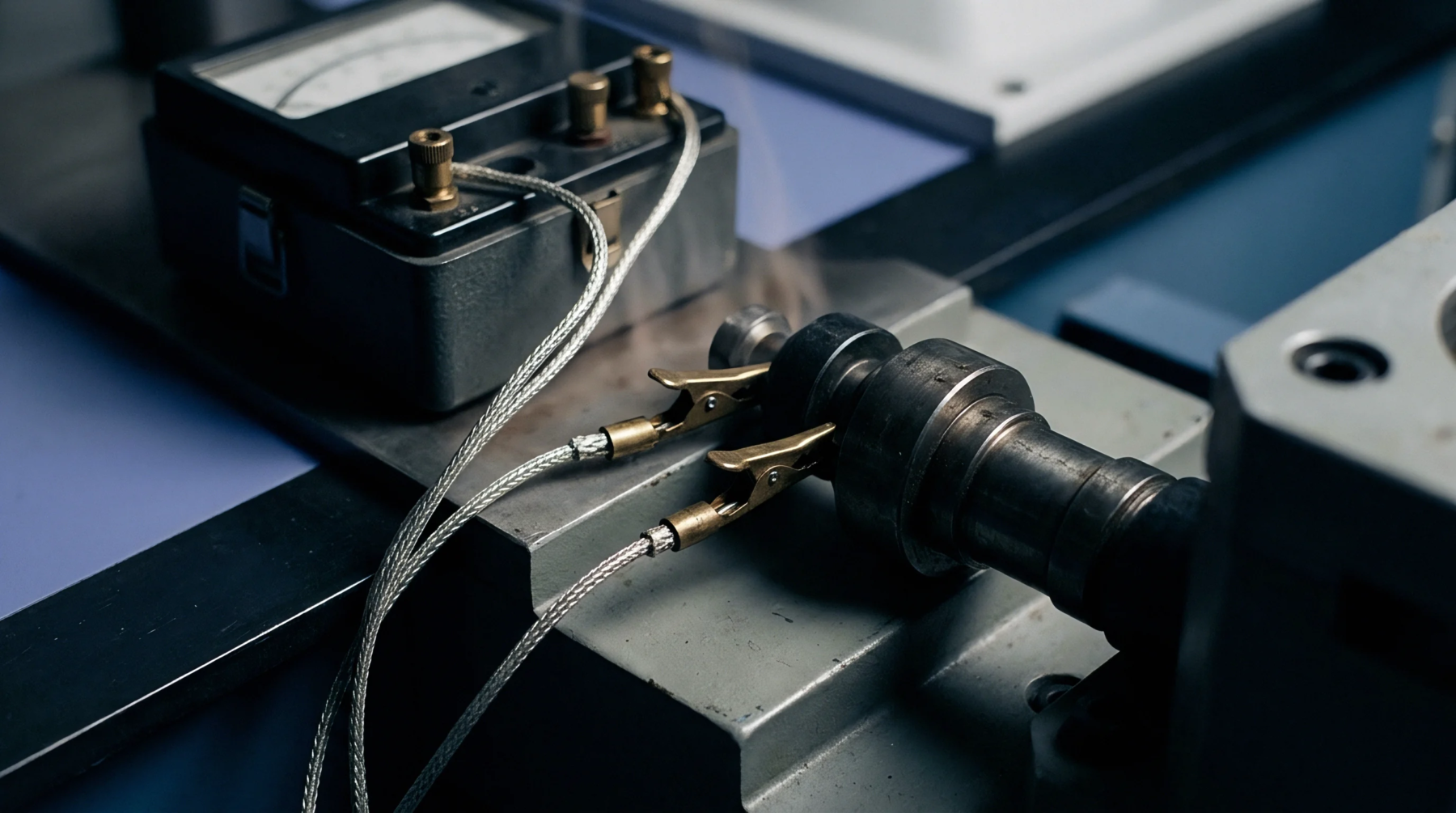
Evaluating temperature coefficient wander in thin film platinum RTDs requires tracking substrate strain, glass passivation diffusion, and multi-point calibration.
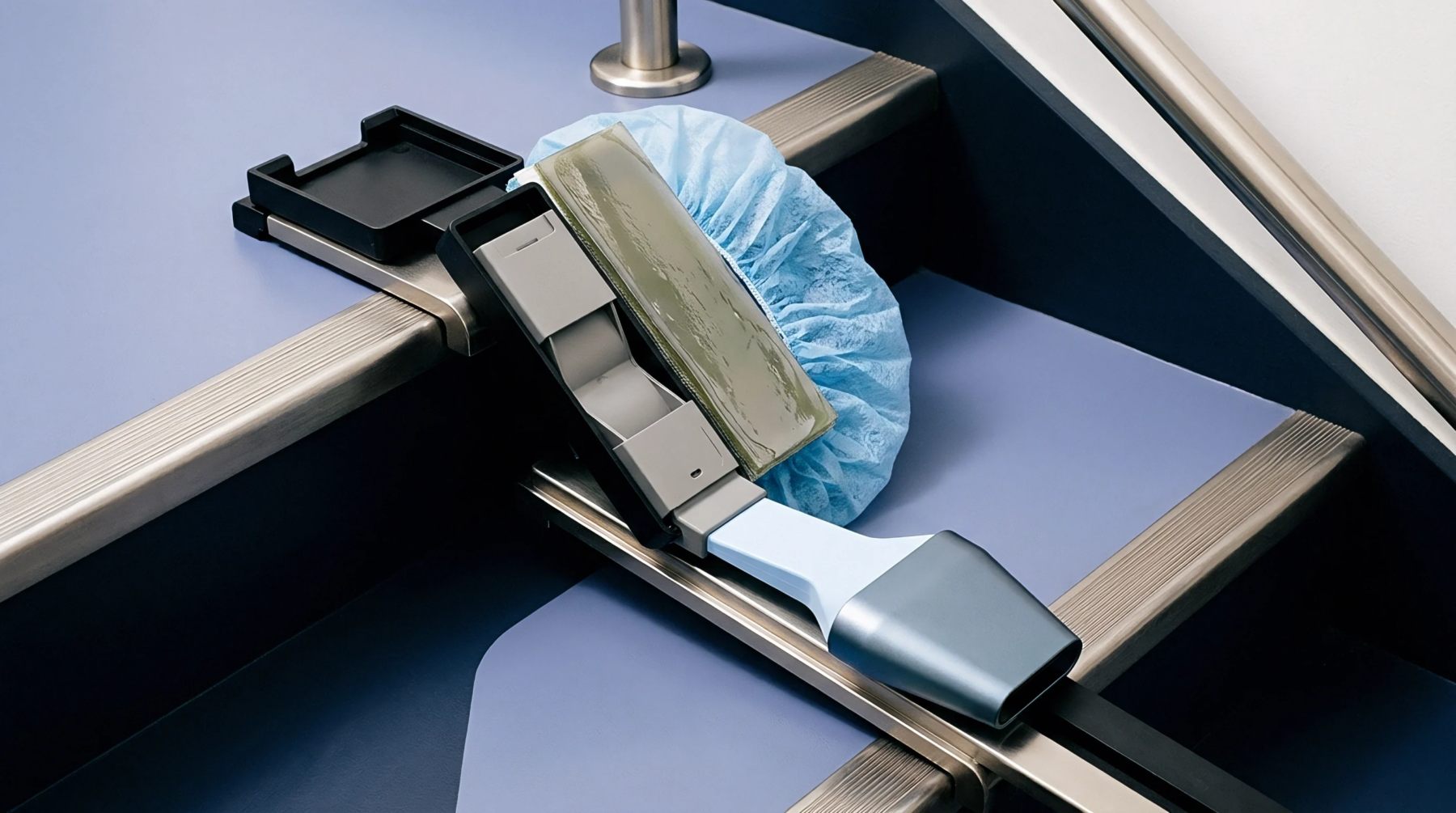
Wafer trim establishes initial sensor accuracy classes, but package stress and thermal drift determine field performance and calibration costs.

Active differential thermopile feedback loops suppress transient ambient gradient baseline drift by driving real-time substrate thermal equalization.
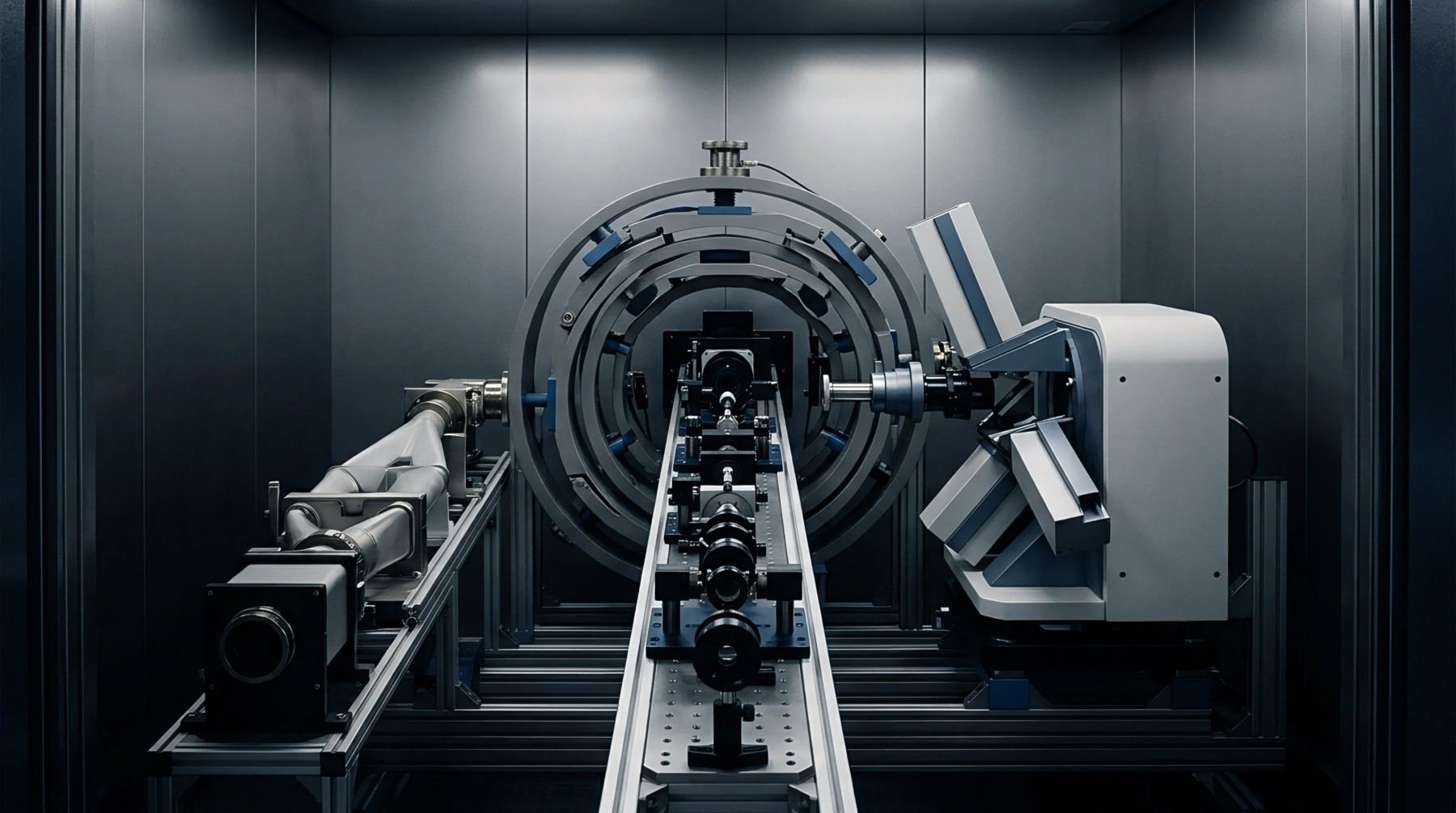
Calibration maps sensor error against traceable standards, while drift stems from physical aging, mechanical strain, and environmental stress over time.

Sensor accuracy price curves scale exponentially because higher tiers demand longer thermal chuck dwell times, lower silicon yields, and guard-banded calibration.

Generalized Maxwell models under cryogenic thermal ramps require Arrhenius shift functions and thermal lag compensation to accurately predict stress relaxation bounds.

An incoming thermal soak verification combined with statistical guardbanding isolates unstable sensor populations before integration into field systems
Expertise is a utility, not a secret. sentiention™ publishes its working knowledge as open reference: intelligence layer covering the materials it sources, the markets it enters, and the reference that serves both.