
Non Linear Hysteresis Compensation Models in Temperature Transducer Calibration
Generalized Prandtl-Ishlinskii play operators linearize directional thermal hysteresis loops, cutting transducer calibration uncertainty from 90 mK down to 13 mK.
Generalized Prandtl-Ishlinskii play operators linearize directional thermal hysteresis loops, cutting transducer calibration uncertainty from 90 mK down to 13 mK.

Metrological verification of high-temperature piezoresistors requires quantified drift kinetics, four-wire thermal testing, and guardbanded uncertainty budgets.

Calibration maps sensor error against traceable standards, while drift stems from physical aging, mechanical strain, and environmental stress over time.

Incoming high-pressure transducer compliance verification requires thread geometry checks, insulation resistance testing, proof pressure cycling, and ISO 17025 traceability validation.

Sensor accuracy price curves scale exponentially because higher tiers demand longer thermal chuck dwell times, lower silicon yields, and guard-banded calibration.
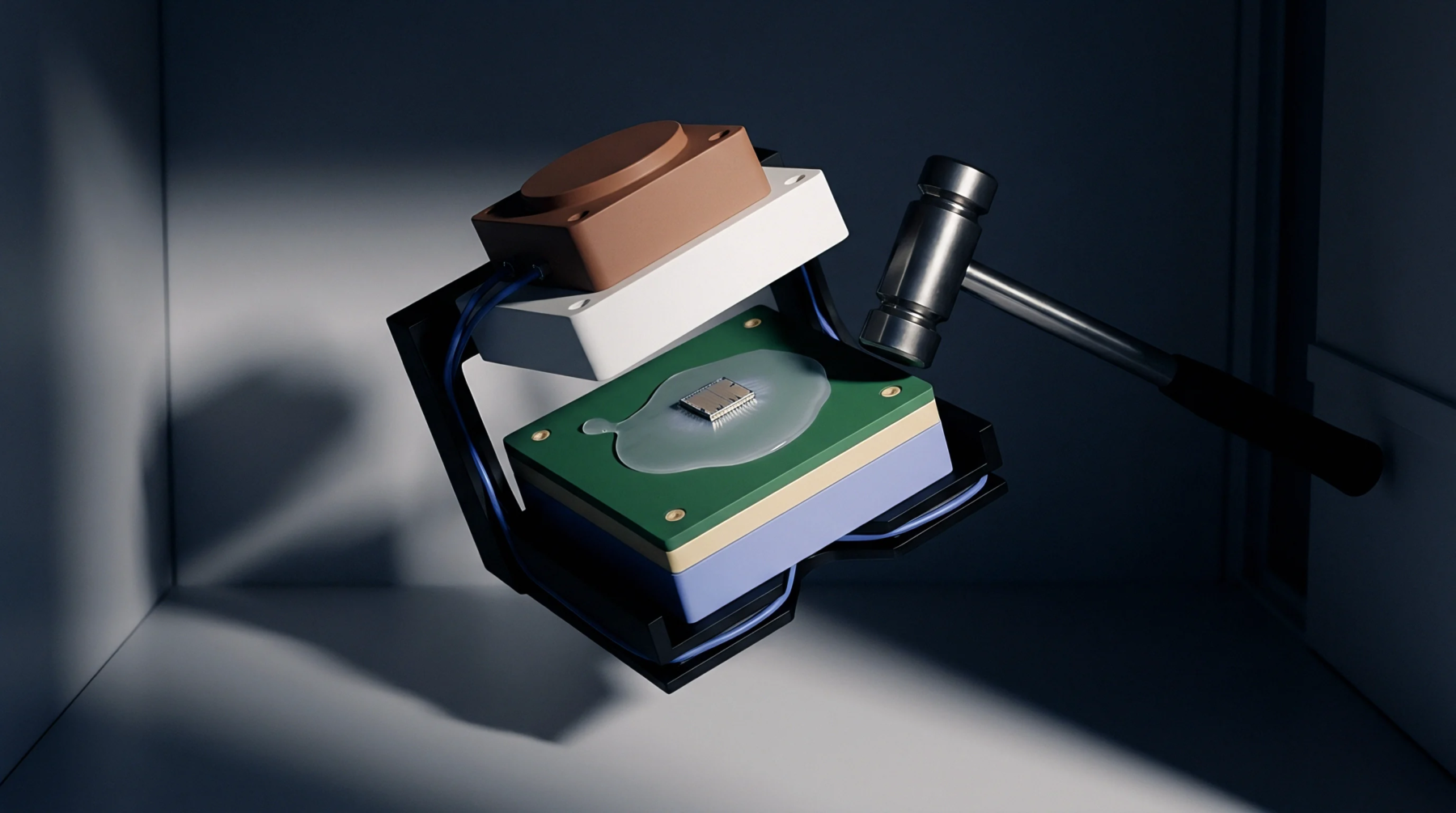
Evaluating sensor certificates requires auditing expanded uncertainty, coverage factors, and environmental test bounds to ensure data defensibility.
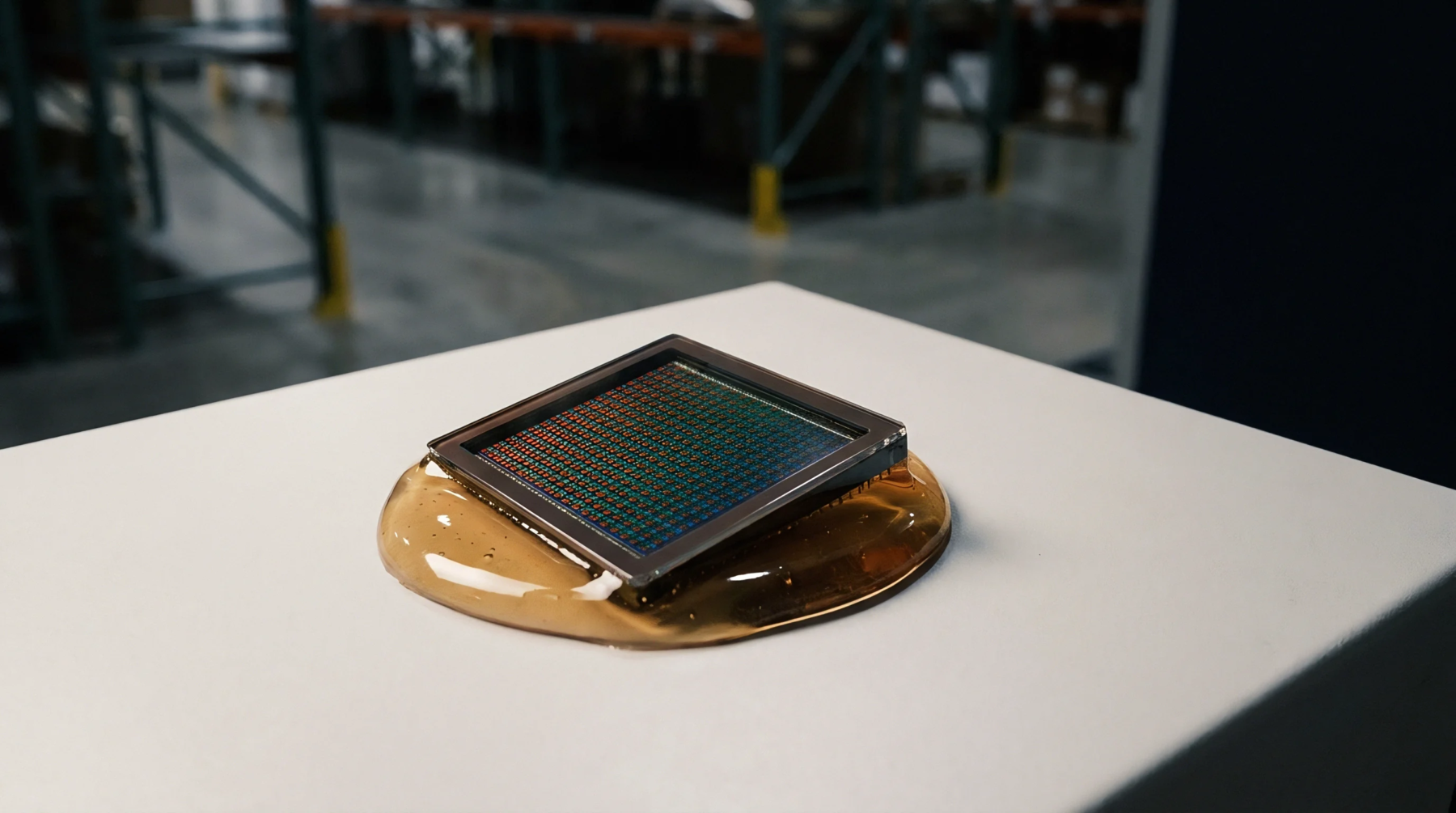
Dynamic moisture ingress into piezoresistive sensor encapsulants expands thermal hysteresis by up to 0.25% FSS, requiring humidity-conditioned calibration.
Expertise is a utility, not a secret. sentiention™ publishes its working knowledge as open reference: intelligence layer covering the materials it sources, the markets it enters, and the reference that serves both.