Stress Relaxation
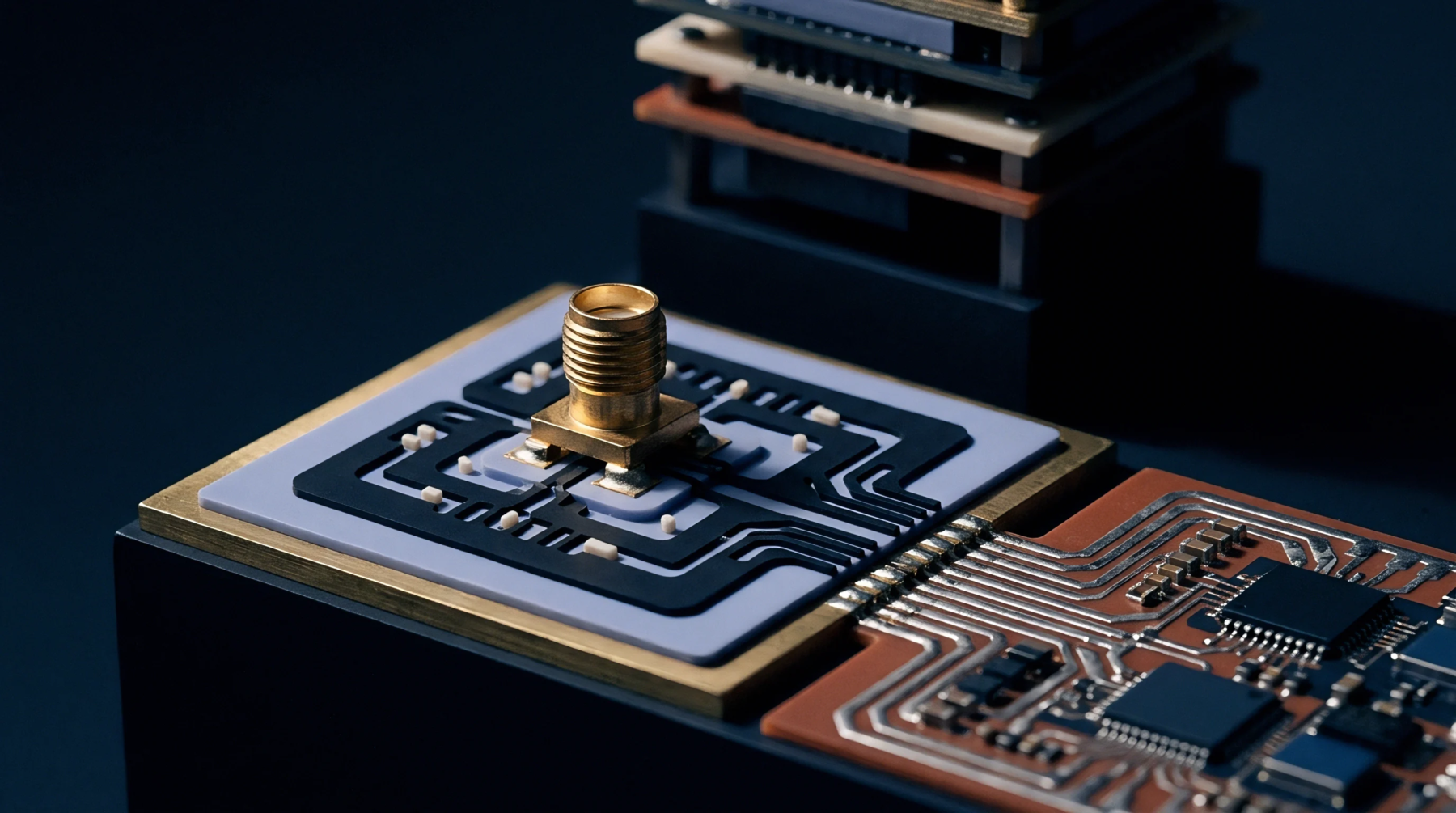
Evaluating long term mechanical stability of surface mount sensor assemblies requires measuring dimensional shifts against rigid baseline alignment fixtures. Deformation from solder joint creep occurs when low melting point alloys experience continuous shear stress from thermal expansion mismatches between PCB substrates and sensor packages. Lead free alloy compositions suffer grain boundary sliding under ambient operating stresses.
Viscoplastic deformation relieves assembly stress over time but introduces permanent sensor tilting and zero offset changes. High ambient operating temperatures accelerate creep rates significantly.
Thermal Cycling
Repeated temperature swings generate cyclic shear strains across solder connections due to differential thermal expansion. Elastic strain transforms into irreversible plastic creep strain during hold times at elevated temperatures. Microstructural coarsening degrades joint fatigue resistance across operational cycles.
Sensor zero offsets shift systematically as solder joints undergo microstructural rearrangement.
Fatigue Lifespan
Accumulation of creep strain creates microvoids along solder grain boundaries that coalesce into macro cracks. Crack propagation reduces the effective load bearing area of electrical interconnects, increasing contact resistance. Electrical continuity monitoring detects intermittent open circuit conditions during thermal vibration testing.
Package underfill materials distribute shear stress across the die footprint to extend fatigue lifespan.
Joint Strain
Solder alloy creep rates depend on homologous operating temperatures and applied stress magnitudes. SAC305 lead free solder exhibits higher creep resistance than legacy tin lead alloys at moderate temperatures. Stress relaxation rates decline logarithmically as joint strain relieves internal mounting torque.
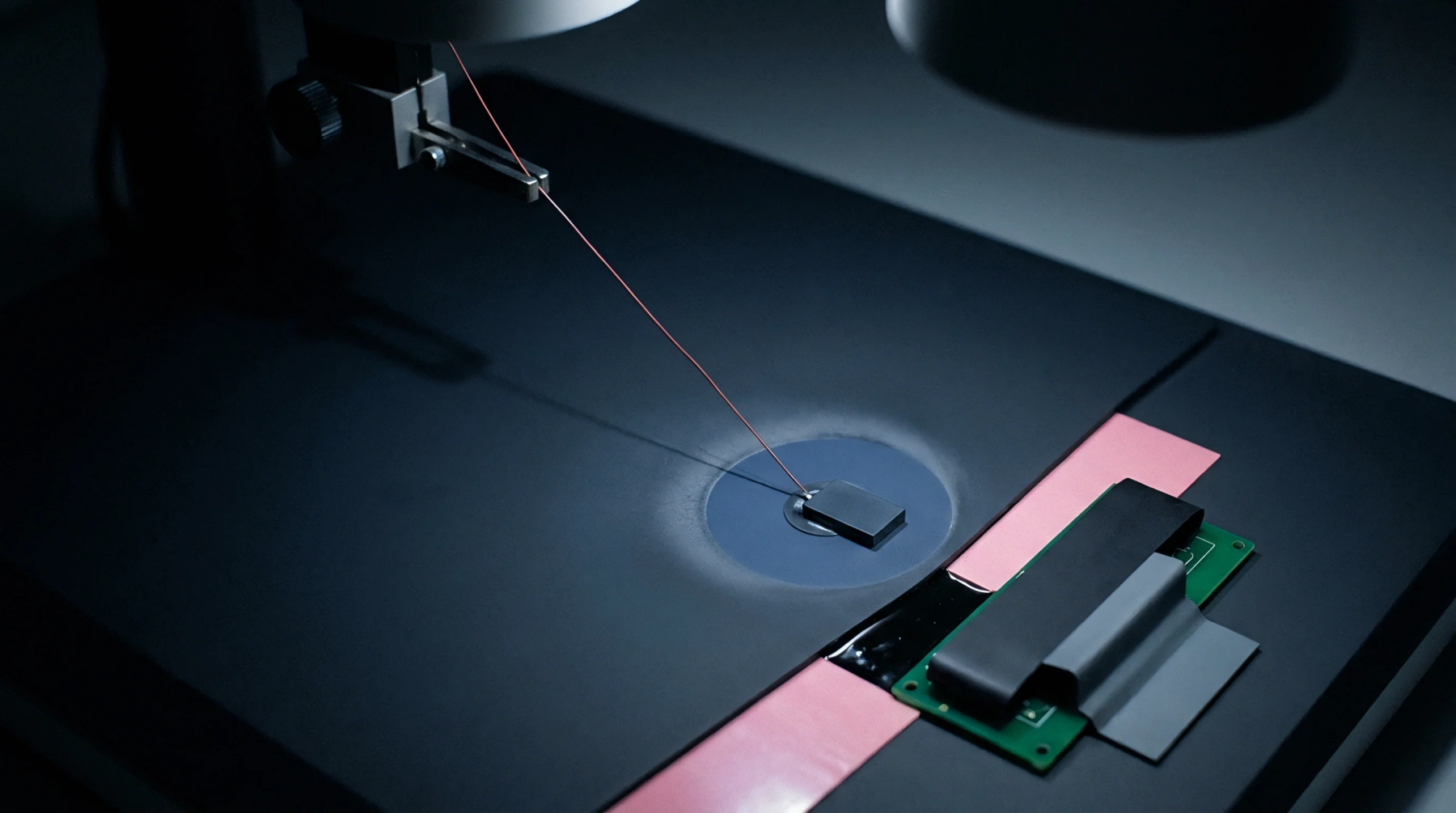
Verification testing measures zero drift rates under sustained thermal dwell conditions.