Polymer Barrier
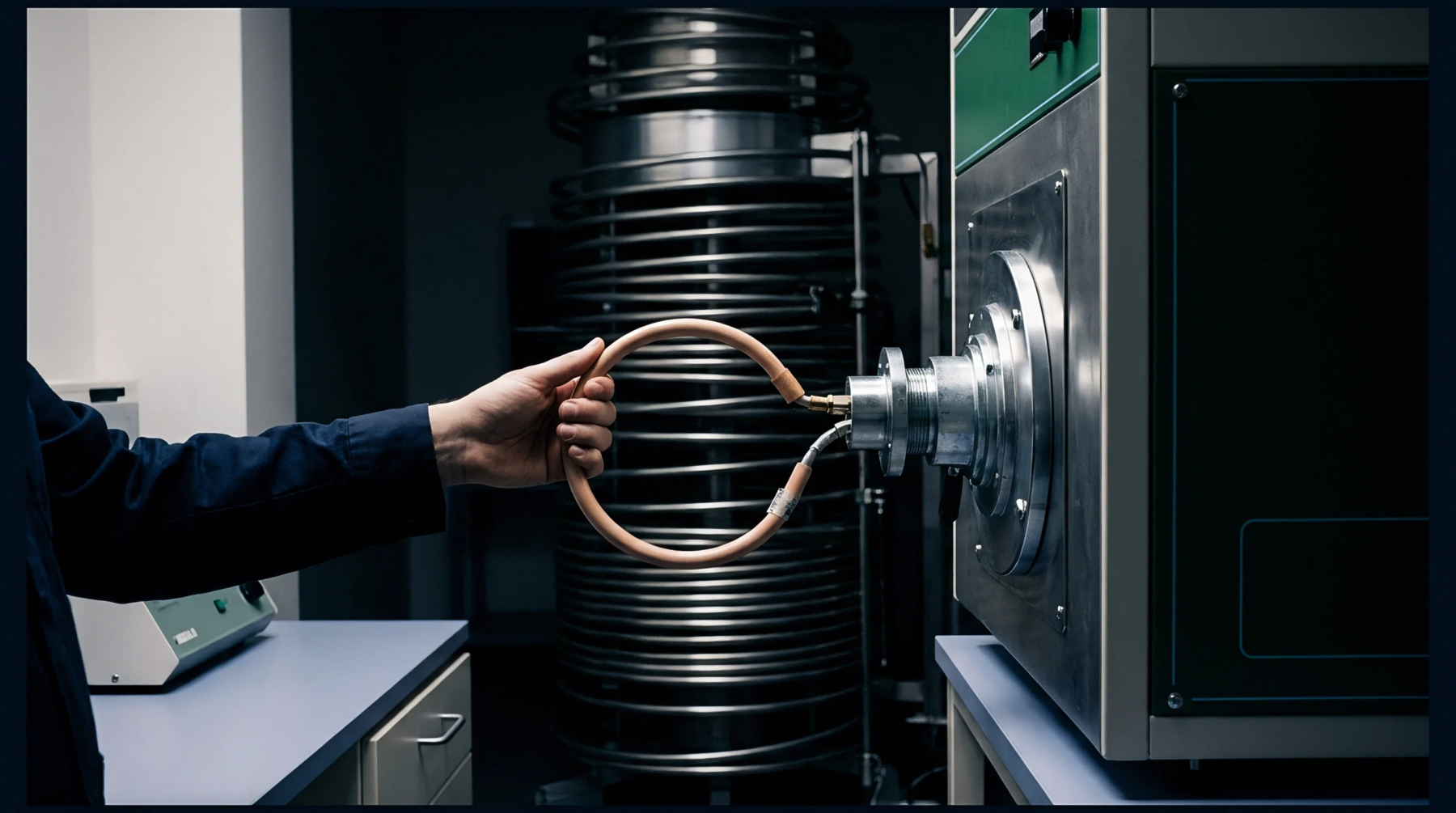
Dielectric film applied to optical fibers or electronic components acts as a protective shield against thermal stress and mechanical degradation. A polyimide coating provides high resistance to chemical solvents and moisture while maintaining structural integrity across extreme temperature gradients ranging from cryogenic states to several hundred degrees Celsius. This material acts as a stable buffer that protects the underlying substrate from surface contamination or physical abrasion during handling.
Engineers utilize the thermal stability and low coefficient of expansion to maintain alignment in precision fiber optic arrays.
Thermal Threshold
Application of polyimide coating occurs through spin casting or vapor deposition methods that produce a uniform layer of controlled thickness. The curing process requires specific temperature profiles to ensure the polymer chains cross link into a stable grid that survives exposure to harsh environmental agents. A cured layer shows high tensile strength that guards against microscopic cracks which propagate under bending or pressure.
Measuring this adhesion involves pull testing where the force required to peel the film from the substrate determines the quality of the bonding process. Calibration of the application equipment involves verifying the viscosity of the liquid resin and the speed of the rotational or spray system. Drift in the viscosity leads to non uniform thicknesses that compromise the performance of the insulation.
Differences in substrate surface energy frequently disrupt the uniformity of the layer so surface treatment of the component remains a required step before application.
Integration Stability
Performance of a polyimide coating remains sensitive to the presence of moisture during the curing phase. Voids or air pockets trapped under the layer cause localized hotspots where thermal conduction fails and stress accumulates. Manufacturers define the tolerance of these layers through standardized stress tests that expose the finished product to cyclic thermal expansion and contraction.
Sensors embedded in the production line monitor the humidity levels to ensure the chemical reaction of the polyimide remains optimal. Deviation from the target thickness creates impedance shifts in signal paths when the coating functions as a dielectric medium for high frequency circuits. Field failure often stems from oxidation of the interface where the protective barrier loses contact with the base material due to poor surface preparation.
Chemical Resistance
Solvent exposure studies confirm that a polyimide coating resists degradation from hydrocarbons and alcohols that would otherwise strip away thinner insulation layers. Resistance metrics depend on the concentration of the solvent and the duration of exposure during operational cycles. The chemical structure of the polymer chain repels inorganic acids and prevents the oxidation of metallic traces beneath the layer.
Field conditions require the material to maintain electrical resistivity despite the absorption of minute amounts of atmospheric gases. High purity polyimide formulations minimize ionic contamination to prevent signal leakage in sensitive electronic modules. Superior chemical inertness ensures that the protective properties endure for the entire design life of the electronic assembly.