
Silicon Micro-Machined Capacitive Accelerometer Operating Principles
Silicon capacitive accelerometers translate differential gap changes into calibrated electric signals through mass-spring deflection and switched-capacitor readout.
Silicon capacitive accelerometers translate differential gap changes into calibrated electric signals through mass-spring deflection and switched-capacitor readout.

Dynamic thermal cycling in sub-Torr diode arrays causes forward voltage hysteresis via interface trap charging and substrate stress relaxation.

Dynamic matrix compensation uses real-time state estimation to continuously eliminate thermal and mechanical drift in silicon carbide piezoresistive sensors.
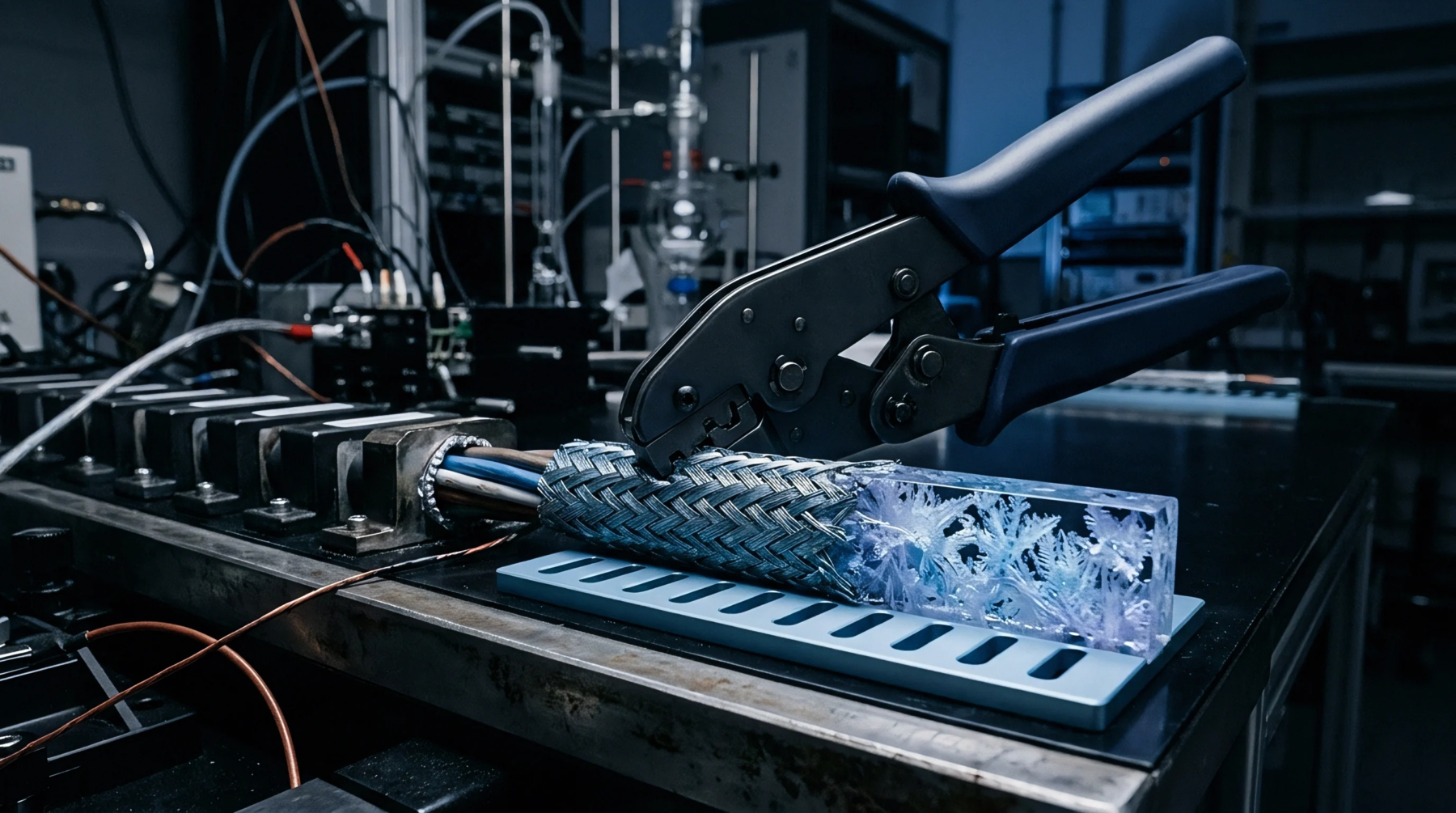
Subsea gyroscope potting matrices require pressure-corrected dynamic mechanical analysis and Prony series modeling to prevent long-term stress-induced zero-bias drift.
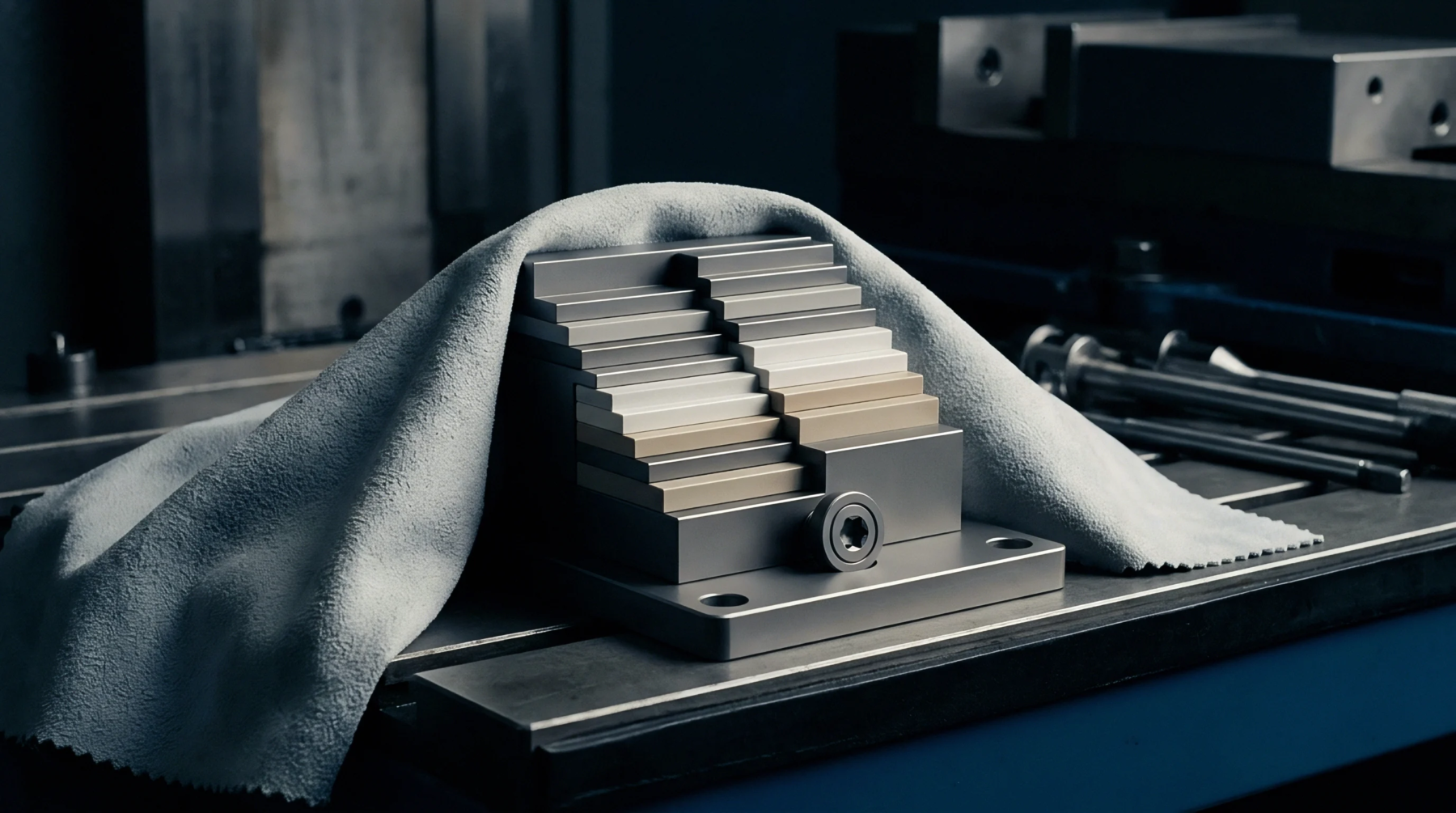
Dynamic thermal gradients in thermal vacuum environments induce time-varying gyroscope non-orthogonality errors that demand rate-of-change matrix compensation.
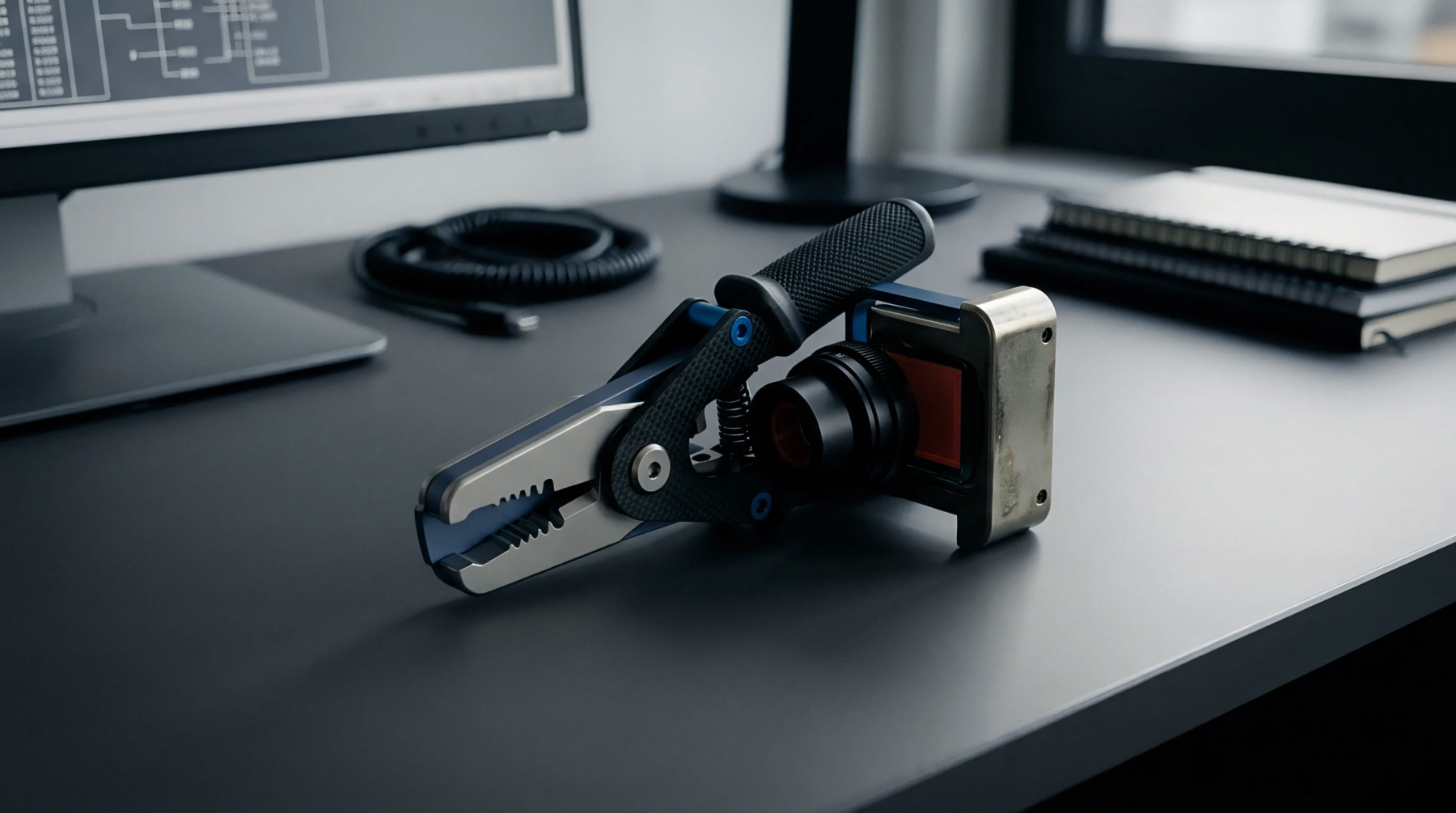
Dynamic atmospheric humidity alters gel swelling stress and dielectric passivation properties in piezoresistive sensors, driving measurable zero baseline drift.
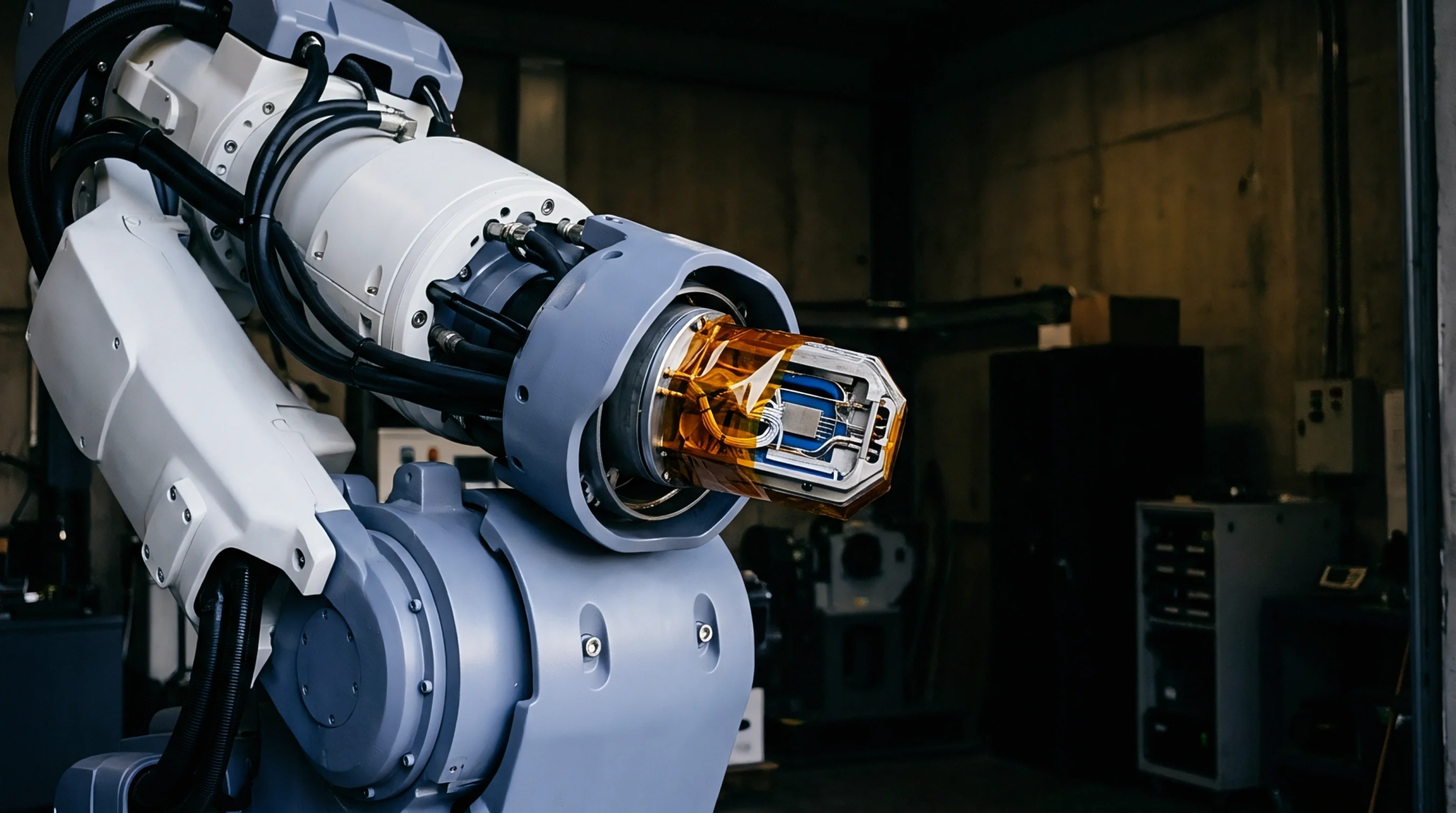
Real-time digital inverse Prony filtering decouples time-dependent polymer stress relaxation from true acceleration signals in high-precision micro-sensors.

Real-time state-space thermal observers reconstruct unmeasured internal temperature gradients to eliminate dynamic bias drift in tactical MEMS IMU firmware.

Dynamic thermal gradients induce non-stationary bias drift in tactical sensors; state estimators must augment state vectors with thermal rate terms.

Static ground alignment accuracy depends on isolating Earth rotation rate from sensor bias instability through multi-position indexing and Allan variance metrics.
Expertise is a utility, not a secret. sentiention™ publishes its working knowledge as open reference: intelligence layer covering the materials it sources, the markets it enters, and the reference that serves both.