
PCB Decoupling Loop Inductance Optimization for High Speed Switched Capacitor Reference Nodes
Minimizing reference decoupling loop inductance requires thin top dielectrics, side-by-side via pairs, and reverse-geometry or silicon capacitors.
Minimizing reference decoupling loop inductance requires thin top dielectrics, side-by-side via pairs, and reverse-geometry or silicon capacitors.

Sizing SAR ADC reference drivers demands balancing buffer bandwidth, decoupling capacitor ratios, and trace inductance to prevent bit decision settling errors.

Automated die-level screening isolates substrate ground parasitics to guarantee voltage reference buffer load regulation before package commitment.
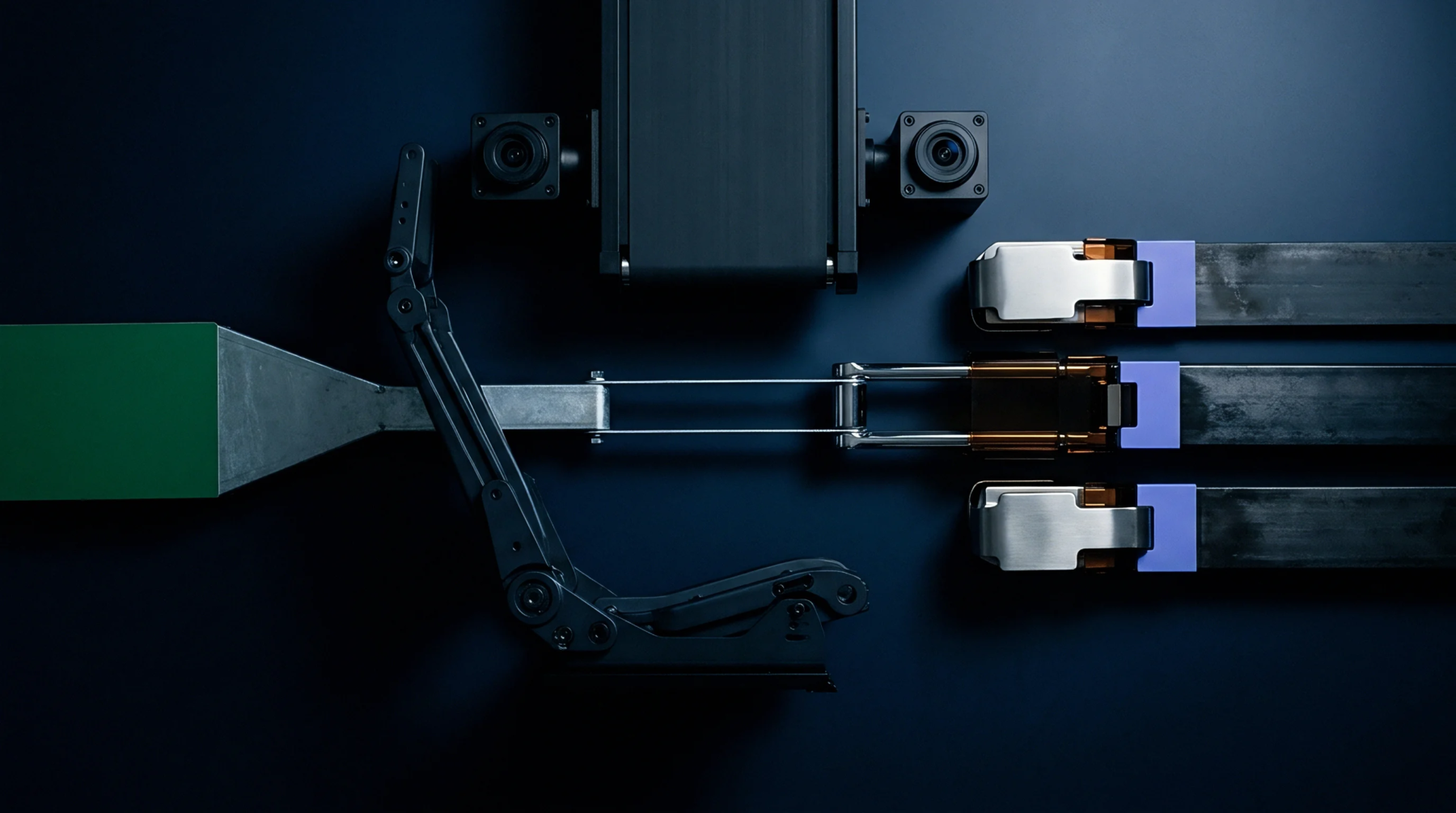
Continuous DC loading creates thermal gradients across reference buffer die pairs, inducing low-frequency settling tails that degrade converter linearity.

Internal reference buffer load regulation balances amplifier bandwidth and external bypass parasitics to suppress dynamic switching droop during conversion.

Nonlinear viscoelastic RDL modeling resolves asymmetric thermal solder stresses to prevent fan-out package delamination and trace shear failure.
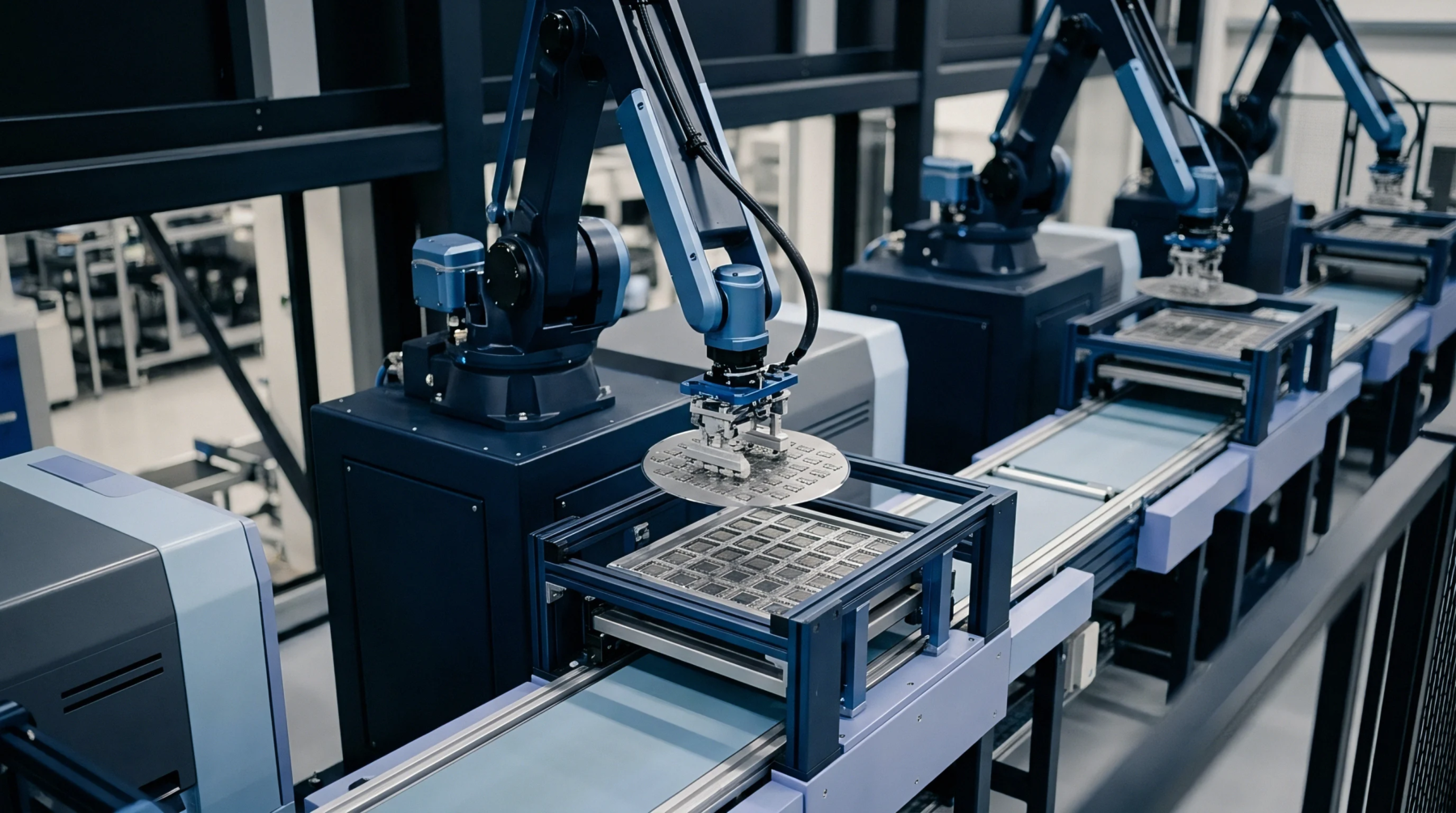
Thinned silicon die compliance transfers board shear stresses into passivation layers, requiring low-loss viscoelastic dielectrics and digital creep compensation.
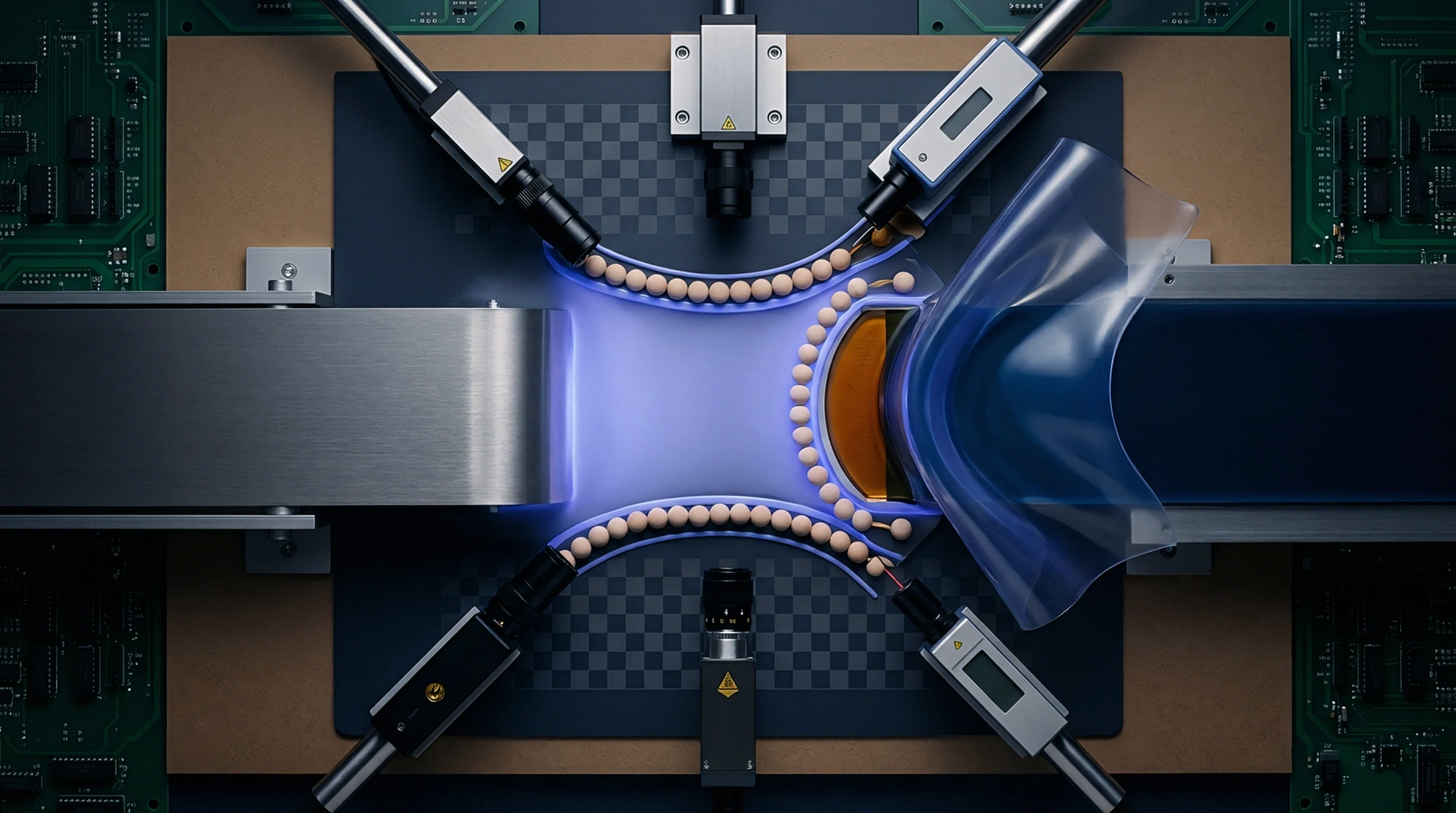
Direct wafer-level sensor mounting translates circuit board flexure into zero-point measurement offset, demanding strict land pattern symmetry and post-reflow digital offset compensation.
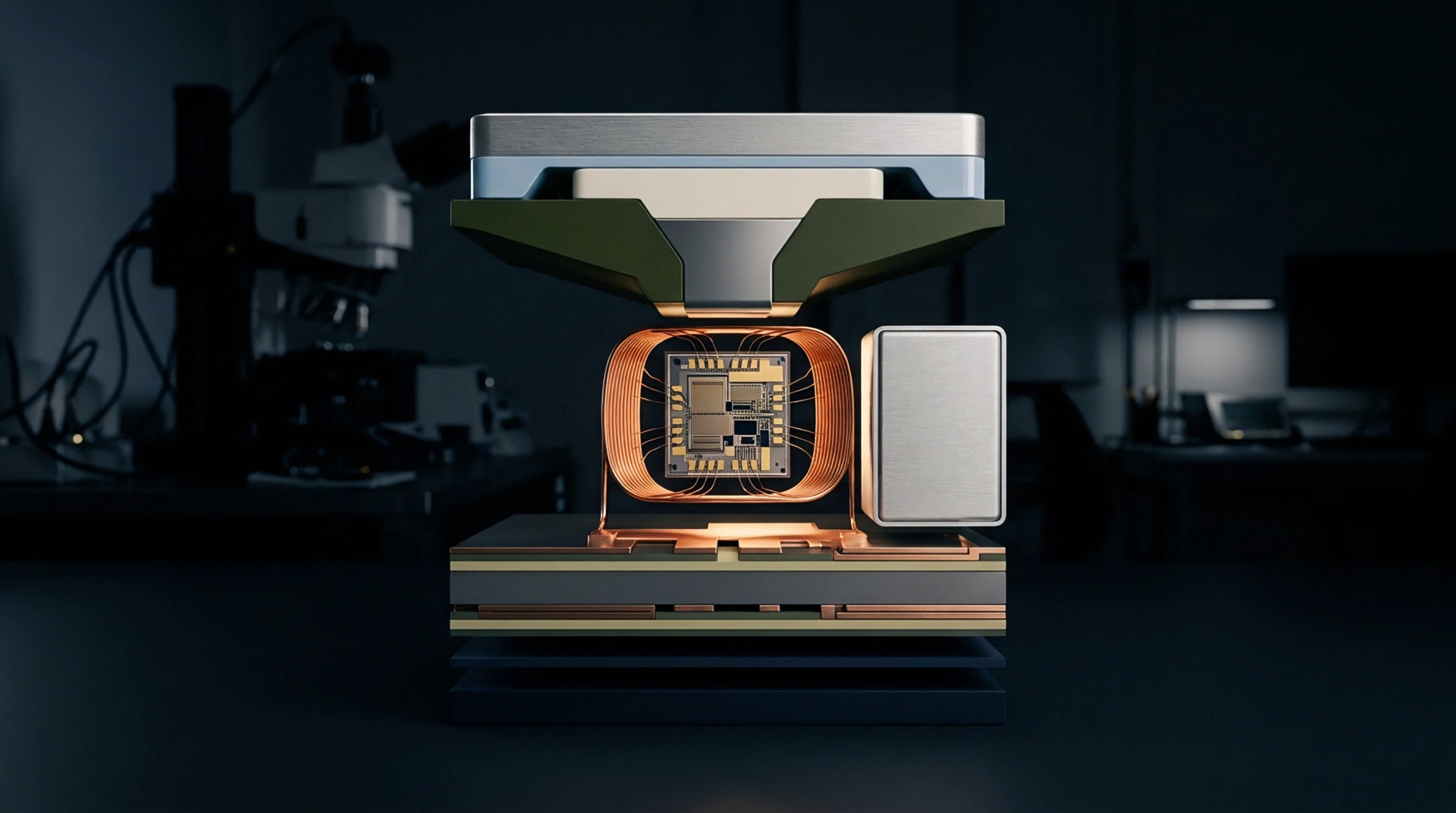
Decouple piezoresistive pressure dies from viscoelastic housing strain using low-modulus gels and symmetric land patterns to bound wide-temperature drift.

Transient thermal gradient rejection filters cancel piezoresistive zero shifts by applying real-time temperature derivative compensation via dual die sensors.

Digital polynomial ASIC compensation corrects surface mount piezoresistive bridge thermal drift, but board reflow strain requires room-temperature zero trimming.
Expertise is a utility, not a secret. sentiention™ publishes its working knowledge as open reference: intelligence layer covering the materials it sources, the markets it enters, and the reference that serves both.