Protective Material
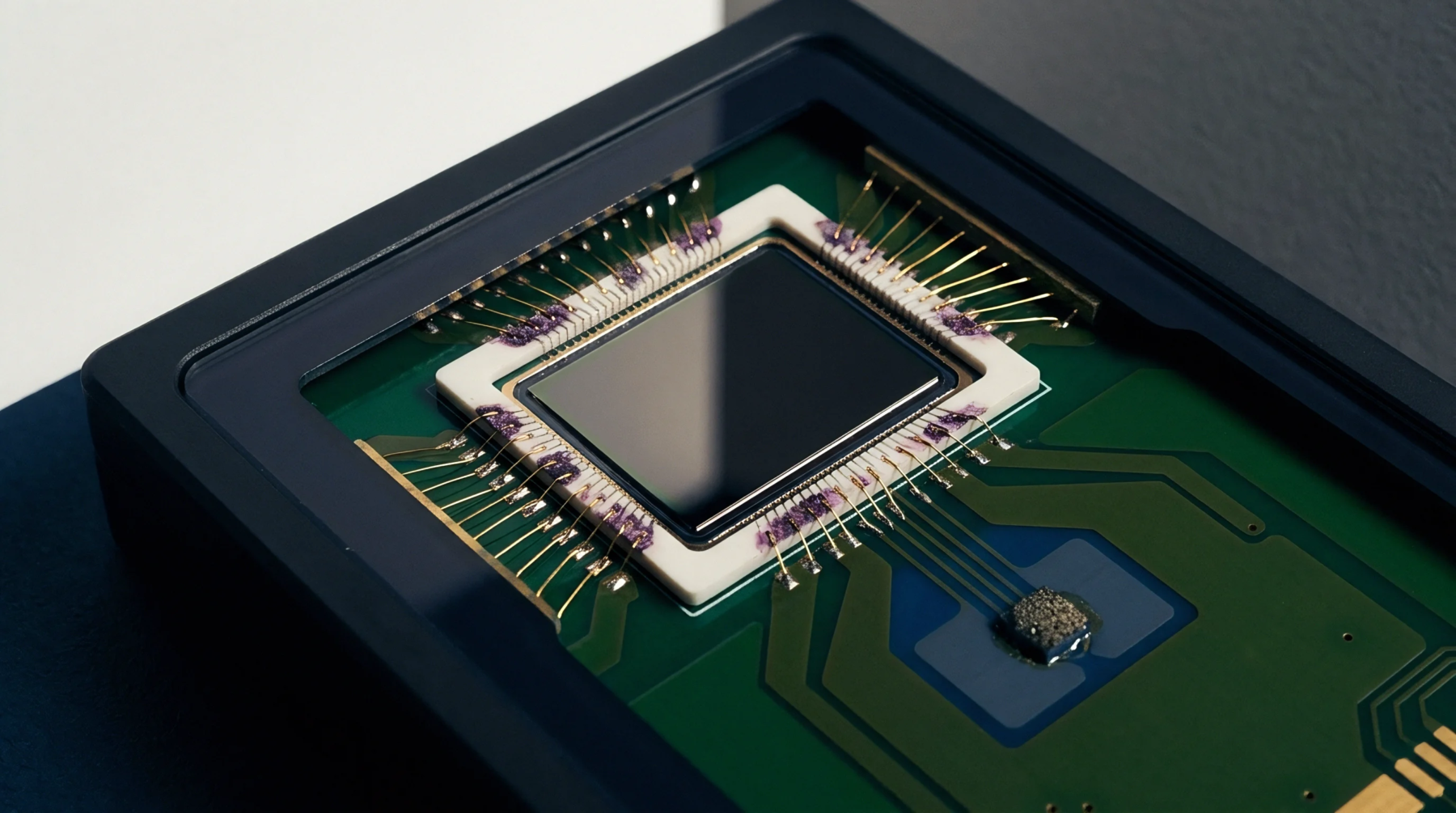
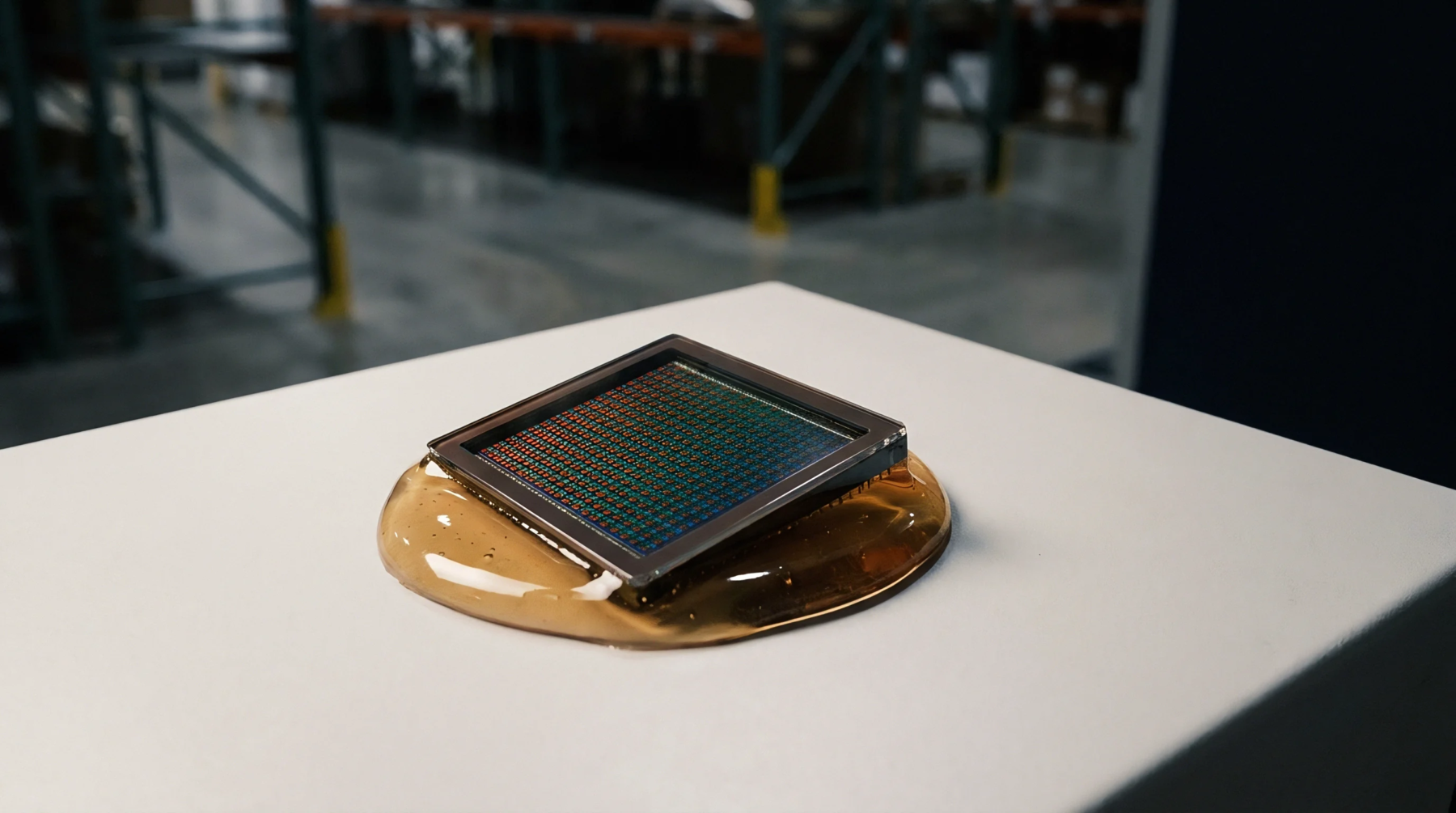
Soft polymeric compounds are used to coat and protect delicate electronic circuits from the environment. A silicone gel encapsulant provides a low-stress barrier that absorbs mechanical shock and prevents moisture ingress. The material remains tacky and flexible even at very low temperatures.
Chemical Composition
Cross-linking of siloxane chains creates a three-dimensional network that holds the liquid component. In a silicone gel encapsulant, the degree of cross-linking determines the final hardness or penetration value.
Application Process
Dispensing occurs over the surface of the electronics, filling all the voids around the components. Using a silicone gel encapsulant requires degassing to remove any trapped air bubbles that could cause electrical breakdown.
Metrological Property
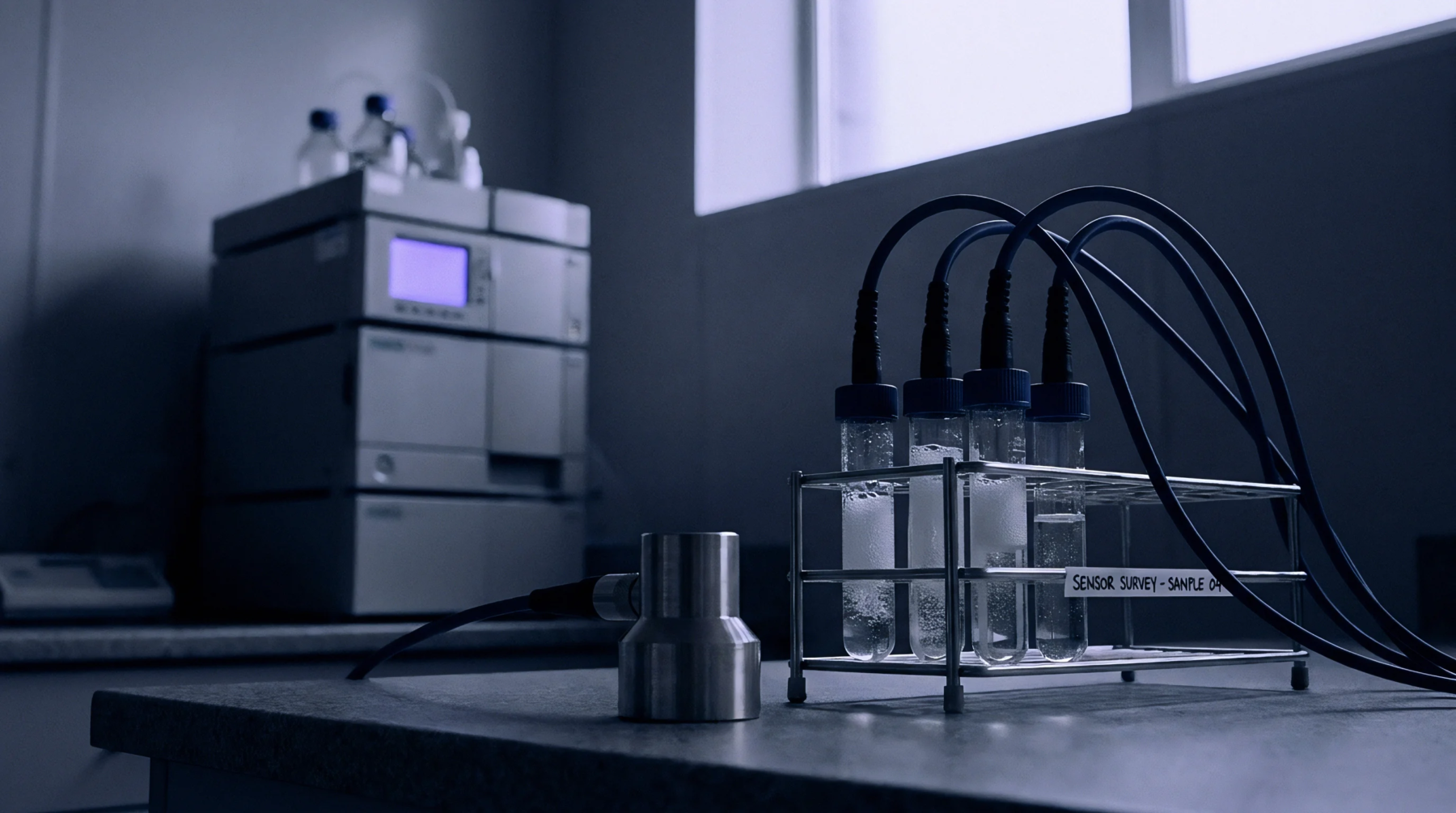
Hardness is measured using a penetrometer rather than a traditional durometer because the material is soft. Testing a silicone gel encapsulant involves measuring the depth of a standard needle under a specific load. Dielectric strength and thermal conductivity are also verified to ensure the material meets the requirements for the specific application.
The gel must demonstrate good adhesion to various substrates including aluminum and epoxy glass. Verification includes thermal cycling to ensure that the gel does not delaminate or crack when the temperature changes. Samples are also exposed to high humidity to confirm that the material continues to provide electrical isolation in damp conditions.