Bonding Metric
Peak mechanical force required to detach a semiconductor component from its substrate defines die shear strength. Semiconductor packaging engineers rely on this specific numerical threshold to verify the integrity of eutectic solders and adhesive epoxies under applied lateral loads. Metallurgical voids within the solder layer reduce this measured load limit significantly before bulk material yielding occurs.
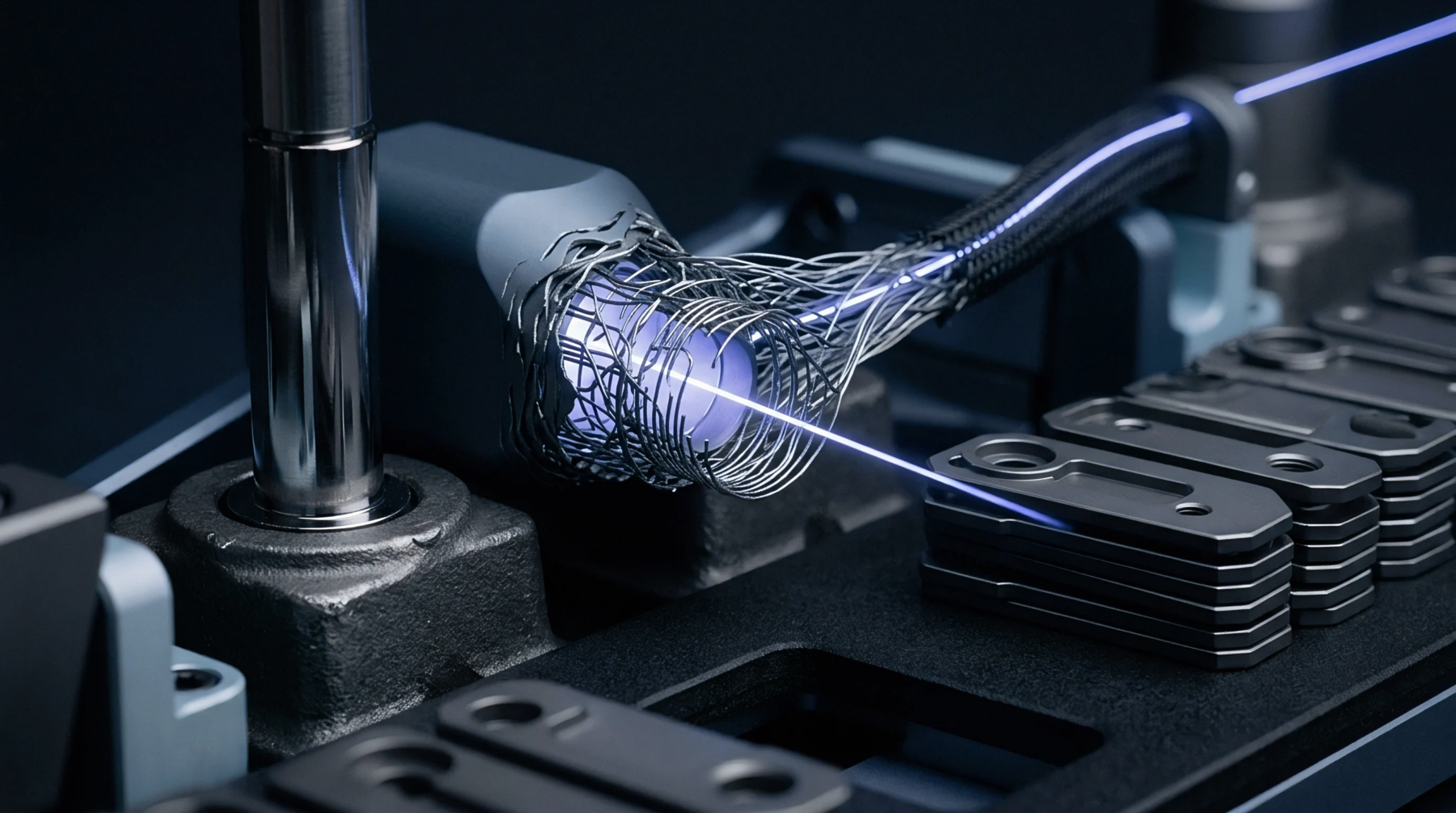
Testing apparatus applies a horizontal chisel tool at a controlled height above the substrate surface until structural separation happens.
Load Calibration
Verification procedures demand strict alignment of the load cell against certified reference standards prior to production screening. Mechanical compliance of the test arm introduces compliance errors that skew the true displacement and force curves during rapid loading cycles. Operators adjust the displacement velocity to prevent dynamic overshoot from artificially inflating the recorded peak force values.
Calibration certificates document the traceability of the load sensor to national metrological institutes under specified temperature conditions.
Interface Failure
Fracture surfaces reveal distinct failure modes that indicate whether the joint or the bonding compound caused the structural breakdown. Cohesive failure occurs entirely within the bulk adhesive layer, leaving residual material on both the component backside and the mounting pad. Adhesive separation happens cleanly at the boundary between the metal plating and the intermediate layer, pointing toward inadequate surface cleaning or poor wetting kinetics.
Scanning acoustic microscopy detects subsurface delamination before mechanical testing, isolating preexisting defects from the ultimate fracture data.
Thermal Drift
Elevated operational temperatures degrade the mechanical bond strength through continuous intermetallic growth and softening of the polymeric matrix. Thermal cycling induces cyclic shear stresses that accumulate microstructural fatigue and lower the residual load capacity over time. Laboratories record these degradation curves by placing testing fixtures inside thermal chambers during the application of the lateral force.
Accelerated aging protocols simulate years of field exposure by maintaining samples at maximum rated junction temperatures before final destructive verification takes place.